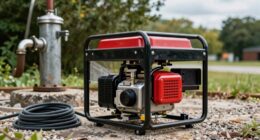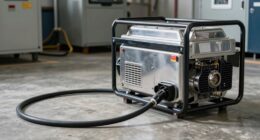
Using natural gas generators provides you with efficient, cleaner, and quieter power, which can save money over time and reduce environmental impact. However, they require a steady natural gas supply and proper installation, making them less portable and sometimes more costly initially. Conversion kits allow you to upgrade existing generators to run on natural gas, offering flexibility. To discover how these options can suit your needs and the best ways to implement them, there’s more to explore below.
Key Takeaways
- Natural gas generators are efficient, cost-effective, and produce cleaner energy compared to gasoline or diesel options.
- They require a reliable natural gas supply and connection, which can limit portability and installation flexibility.
- Conversion kits enable existing generators to run on natural gas, offering a cost-effective upgrade option.
- These generators operate quietly, making them suitable for residential and noise-sensitive environments.
- Higher fuel efficiency reduces operational costs and refueling frequency, especially during prolonged outages.

Are natural gas generators a reliable solution for your power needs? Many people turn to these units because they offer a clean and efficient way to produce electricity, but it’s important to consider their performance in real-world conditions. One of the key benefits is their impressive fuel efficiency. Natural gas, as a fuel source, burns cleaner and more efficiently than gasoline or diesel, helping you save money over time. This means fewer trips to refuel and a more consistent power supply, especially during prolonged outages. Additionally, natural gas generators tend to have lower operating costs because natural gas tends to be less expensive and more stable in price compared to other fuels.
Natural gas generators offer efficient, cost-effective, and cleaner power solutions with quieter operation for reliable energy.
Another significant advantage is the noise levels. Unlike traditional generators, which can be loud and disruptive, natural gas models are generally quieter. This makes them suitable for residential areas or settings where noise pollution is a concern. You won’t have to worry about disturbing neighbors or causing a racket during power outages or routine operation. The quieter operation also contributes to a more comfortable environment, whether you’re using the generator at home, at a business, or on a construction site.
However, it’s worth noting that natural gas generators also have their limitations. They require a steady supply of natural gas, which means you’ll need a reliable connection to a natural gas line. If your property isn’t connected or if the line isn’t well maintained, this could pose challenges. Also, the initial installation can be more complex and costly compared to portable generators that run on gasoline or propane. While the fuel efficiency and lower noise levels are appealing, you should evaluate whether the infrastructure and upfront investment align with your needs.
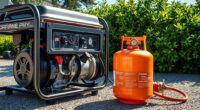
Conversion kits are available if you already own a generator that runs on another fuel, such as propane or gasoline. These kits allow you to adapt your existing unit to run on natural gas, which can be a cost-effective way to upgrade your setup. Keep in mind, though, that conversion isn’t always straightforward and might require professional installation to ensure safety and optimal performance. Once converted, you can enjoy the benefits of natural gas—improved fuel efficiency and quieter operation—without buying a completely new generator.
Top picks for "natural generator benefit"
Open Amazon search results for this keyword.
As an affiliate, we earn on qualifying purchases.
Frequently Asked Questions
How Long Do Natural Gas Generators Typically Last?
Natural gas generators typically last between 20 to 30 years, depending on usage and maintenance. Your generator’s lifespan depends on durability factors like proper oil changes, regular servicing, and operating conditions. If you keep up with routine maintenance, you can extend its longevity. High-quality models and timely repairs also play a vital role in ensuring your generator remains durable and reliable throughout its lifespan.
Are Natural Gas Generators Suitable for Emergency Backup?
Yes, natural gas generators work well for emergency backup because they’re reliable and emit less environmental impact than other fuels. They produce lower noise levels, so you won’t disturb neighbors during power outages. Plus, natural gas is cleaner burning, reducing pollution. You’ll appreciate their consistent performance, especially when you need power fast. Keep in mind, regular maintenance guarantees they stay ready, so your emergency plan stays solid.
What Maintenance Is Required for Natural Gas Generators?
Maintaining your natural gas generator is like tuning a fine instrument; it keeps everything running smoothly. You should regularly check and change the oil, inspect filters, and test fuel lines to guarantee fuel efficiency and peak performance. Keep noise levels in mind by maintaining mufflers and exhaust systems. Regularly schedule professional inspections and load testing to prevent unexpected breakdowns, ensuring your generator stays reliable during power outages.
Can Natural Gas Generators Operate in Extreme Weather?
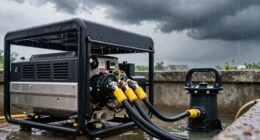
Natural gas generators can operate in extreme weather, but weatherproofing challenges may arise, especially with snow, rain, or high winds. You should guarantee proper insulation and protective enclosures to prevent damage. Additionally, consider fuel efficiency considerations, as cold weather might reduce efficiency and require pre-heating or additional insulation. Regular maintenance and weatherproofing help keep your generator running smoothly, even during harsh conditions.
Are There Regulatory Restrictions on Installing Natural Gas Generators?
Yes, you might face regulatory restrictions when installing a natural gas generator. Zoning restrictions could limit where you place the unit, especially in residential areas. Permit requirements are often necessary to guarantee safety and compliance with local codes. Check with your local authorities before installation, as they can specify specific regulations you must follow. Failing to do so may result in fines or needing to relocate your generator later.
Conclusion
Switching to natural gas generators can revolutionize your power needs, turning you into the hero who saves energy, cuts costs, and saves the planet—all at once! Imagine never worrying about outages again, while your wallet stays fat and happy. Sure, there are some limits, but with the right conversion kits, you’re basically unstoppable. Embrace natural gas and become the ultimate power wizard—your home will thank you, and so will the entire universe!