
Before backing up your well pump with a generator, make sure it matches your pump’s power needs to avoid failures or waste. You should also have a transfer switch installed by a professional to prevent hazards like backfeeding. Regularly inspect and maintain your pump, and operate the generator outdoors in a well-ventilated area for safety. Proper connection and testing are key, so taking these steps now will keep your system reliable when you need it most—learn more to guarantee peace of mind.
Key Takeaways
- Assess the pump’s wattage requirements to select a properly sized generator.
- Use a transfer switch installed by a qualified electrician for safe power transfer.
- Operate the generator outdoors in well-ventilated areas to prevent carbon monoxide buildup.
- Regularly inspect and maintain the pump and generator for optimal reliability.
- Never connect the generator directly to household wiring without proper safety precautions.
If your well pump suddenly loses power during an outage, it can disrupt your water supply and cause inconvenience. To prevent this, many homeowners consider backing up their well pump with a generator. However, before you make this move, it’s essential to understand what’s involved, especially regarding pump maintenance and generator safety. Proper setup and regular maintenance ensure your backup system works smoothly when you need it most.
First, you should evaluate your well pump’s power needs. Not all generators are created equal, so choosing one that can handle your pump’s wattage is crucial. A generator that’s underpowered won’t provide enough energy, leaving your water system vulnerable during outages. Conversely, a generator that exceeds your pump’s requirements can be unnecessarily expensive and less fuel-efficient. Once you select an appropriate generator, it’s vital to perform routine pump maintenance. Regular inspections, checking for wear and tear, and ensuring the pump operates efficiently can extend its lifespan and prevent sudden failures during a power outage. Cleaning filters, lubricating moving parts, and testing the system periodically keep everything in top shape. Additionally, understanding the proper installation techniques and ensuring all components are correctly connected can prevent potential hazards and improve the system’s reliability.
Generator safety is another critical aspect. When installing a backup power system, you must follow all safety guidelines to avoid risks such as electrical shock or fire. Never connect your generator directly to household wiring without a proper transfer switch. Doing so can cause backfeeding, which endangers utility workers and others nearby. Instead, use a transfer switch installed by a qualified electrician, ensuring your generator’s power is safely directed to your well pump and other essential appliances. Always operate your generator outdoors in a well-ventilated area to prevent carbon monoxide buildup, which can be deadly. Regularly check fuel levels, and never refuel a hot generator, as this could ignite a fire. Additionally, understanding the importance of whole-home water systems and their proper integration can help ensure your water supply remains reliable during outages. Being familiar with your generator’s maintenance requirements will help you keep it in optimal condition and ready when needed. It’s also helpful to understand the power needs of your pump, which can be determined through proper assessment and consultation with professionals. Moreover, having a backup plan in place can give you peace of mind during unexpected outages.
Preparing for power outages isn’t just about buying a generator; it’s about understanding how to use it safely and maintain your well pump properly. Schedule routine pump maintenance to prevent unexpected breakdowns, and familiarize yourself with generator safety protocols. Testing your backup system periodically will help you identify potential issues before an emergency occurs. When you follow these guidelines, you’ll ensure your water supply remains reliable, even during extended outages. Remember, a well-maintained pump paired with a safe, appropriately sized generator can give you peace of mind and keep your household running smoothly no matter what.

EZ GENERATOR SWITCH – The Original, Patented, UL/CSA Approved Manual Transfer Switch – Made in the USA
This is the original, authentic, and patented EZ Generator Switch
As an affiliate, we earn on qualifying purchases.
As an affiliate, we earn on qualifying purchases.
Frequently Asked Questions
Can I Backup My Well Pump With a Portable Generator?
Yes, you can backup your well pump with a portable generator, but make sure it’s powerful enough to handle the pump’s wattage. This helps maintain water pressure and prevents damage. Using a generator correctly can extend the pump’s lifespan by avoiding frequent power surges or interruptions. Always check the generator’s capacity and connect it safely, so your well system stays reliable and efficient during outages.
How Do I Determine the Right Generator Size for My Well Pump?
You need a generator that can handle your well pump’s starting wattage, which is often higher than running wattage. To determine the right size, investigate the pump’s specifications—usually found on the label—and consider your generator’s fuel type and power transfer capacity. A generator with at least 25-30% more wattage than your pump’s startup needs guarantees reliable operation, preventing overloads and ensuring continuous water supply during outages.
Is It Safe to Run My Well Pump With a Generator Indoors?
Running your well pump with a generator indoors isn’t safe because of carbon monoxide risks. You must guarantee proper indoor ventilation and never operate a generator inside enclosed spaces, including garages or basements. Always place the generator outdoors, away from windows and vents, to prevent dangerous CO buildup. Prioritize carbon monoxide safety by installing CO detectors inside your home, and follow manufacturer guidelines to keep your household safe during power outages.
What Maintenance Is Required for Backup Generators Used With Well Pumps?
Maintaining your generator means managing its meticulous maintenance schedule and maximizing fuel efficiency. Regularly check and change the oil, inspect filters, and test the safety features to keep it running reliably. Make certain that fuel remains fresh and storage is safe to prevent issues. Consistent servicing preserves performance, prevents breakdowns, and prolongs lifespan—making sure your backup generator stays prepared and dependable whenever you need it to power your well pump.
How Long Can a Generator Run Continuously to Support a Well Pump?
You can typically run a generator continuously for about 8 to 12 hours, depending on its fuel capacity and efficiency. To maintain power stability, make sure your generator has enough fuel, like propane or gasoline, and monitor it regularly. Avoid overloading the generator to prevent damage and ensure your well pump runs smoothly during outages. Proper maintenance and fuel planning are key to keeping your well pump operational when needed.

Westinghouse 12500 Watt Dual Fuel Home Backup Portable Generator, Remote Electric Start, Transfer Switch Ready, Gas and Propane Powered
9500 Running Watts and 12500 Peak Watts (Gasoline); 8500 Running Watts, 11200 Peak Watts (Propane); Remote Start with…
As an affiliate, we earn on qualifying purchases.
As an affiliate, we earn on qualifying purchases.
Conclusion
Before backing up your well pump with a generator, always guarantee it’s properly sized and protected with a transfer switch. For example, during a recent power outage, Sarah’s generator kept her well running smoothly, preventing her family from losing water. With the right setup and precautions, you can avoid costly repairs and stay self-sufficient. Remember, a little preparation now can save you big headaches later—so take the time to get it right.

VEVOR 2500W Sump Pump Battery Backup with LCD, Automatically Shifts to Inverter Power Ensuring Uninterrupted Operation, Essential for Emergencies & Power Failures
Unmatched Power: The VEVOR sump pump battery backup inverter features a robust 2500W output, 22.7A operating current, and…
As an affiliate, we earn on qualifying purchases.
As an affiliate, we earn on qualifying purchases.
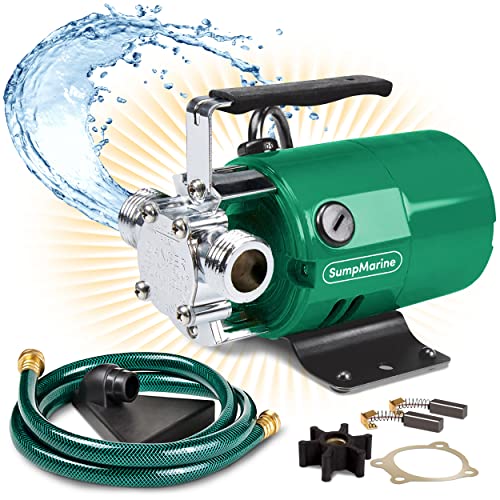
SumpMarine Water Transfer Pump, 115V 330 Gallon Per Hour – Portable Electric Pump with 6' Hose Kit, Remove Water From Pools, Rain Barrel, Aquariums
EASY TO USE: Simply prime the pump with food-grade vegetable oil, place the intake hose attachment fully submerged…
As an affiliate, we earn on qualifying purchases.
As an affiliate, we earn on qualifying purchases.