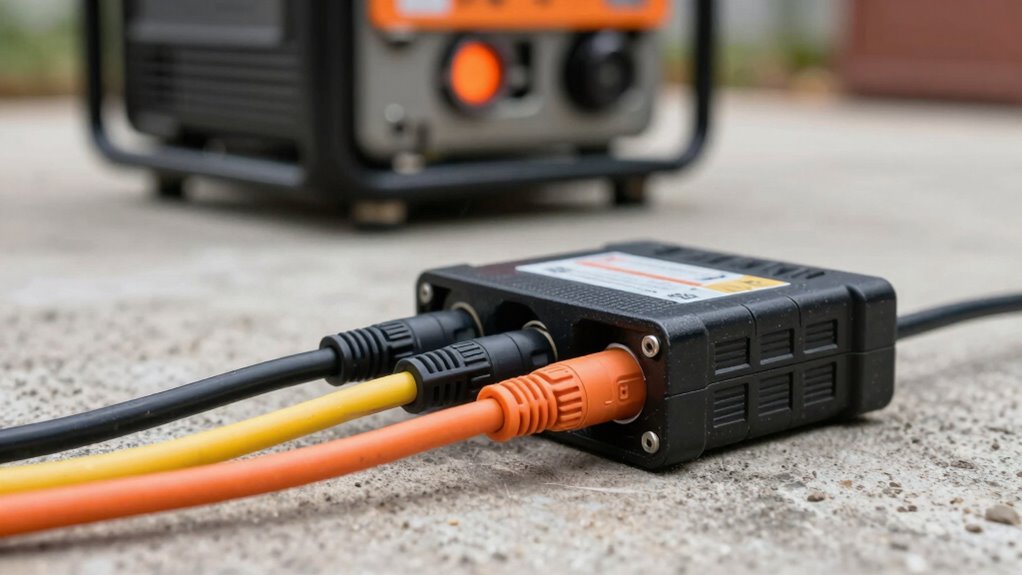

Before using a splitter with a generator, verify the splitter’s capacity matches your power needs and doesn’t overload the system. Check that your generator has enough rated output to support multiple devices safely, and avoid daisy-chaining extension cords. Always distribute the load evenly across outlets and use equipment with built-in safety features like circuit breakers. Proper setup and maintenance are essential—keep your setup safe and efficient by understanding these key points. If you want more details, stay tuned for expert tips.

Get backup power and energy gear delivered free with Prime
- Fast, free delivery on millions of items
- Prime Video, Amazon Music and more included
- Member-only deals all year
Key Takeaways
- Ensure the splitter is rated for the total load and compatible with your generator’s capacity.
- Avoid daisy-chaining multiple splitters or extension cords to prevent overload.
- Distribute electrical load evenly across all outlets to prevent equipment stress.
- Check that the splitter has built-in safety features like circuit breakers and proper grounding.
- Regularly inspect the splitter for damage or wear to maintain safe operation.
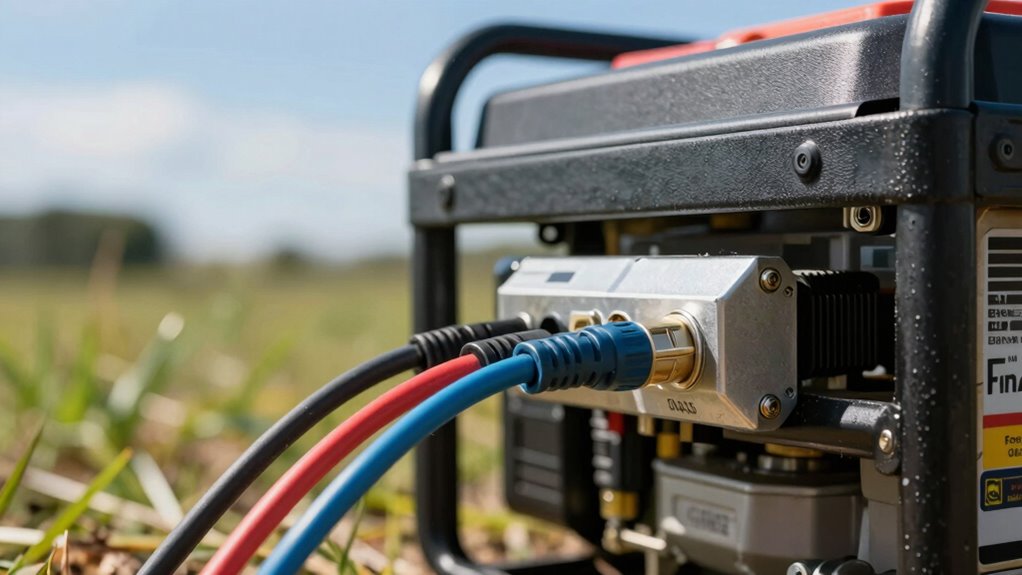
Are you considering a splitter with a generator for your energy needs? Before you make a purchase, it’s crucial to understand the importance of power safety and load capacity. These factors ensure that your setup runs smoothly and safely, preventing damage to your equipment and reducing risks of electrical hazards. When using a splitter with a generator, the primary concern is maintaining power safety, which includes proper grounding, using quality extension cords, and avoiding overloading the system. If you ignore these precautions, you could face electrical shocks, short circuits, or even fires. Always check that your equipment meets safety standards and that you’re following manufacturer instructions carefully.
Load capacity is equally critical. Your generator and splitter combination must handle the total power demand of your connected devices. Overloading can cause the generator to stall, trip circuit breakers, or sustain damage, which leads to costly repairs or replacements. To avoid this, calculate the total wattage of all devices you plan to connect and ensure the generator’s rated output exceeds this sum comfortably. Remember, the load capacity isn’t just about the maximum wattage; it’s about maintaining a safe margin to account for startup surges and fluctuations. If you push your system beyond its limits, you risk not only damaging your equipment but also creating unsafe conditions. Using a power management system can help monitor and control your load more effectively. Additionally, understanding electrical safety standards is essential for ensuring your setup complies with established safety protocols.
When selecting a splitter with a generator, pay close attention to the power safety features included. Look for models with built-in circuit breakers, overload protection, and grounding options. These features act as safeguards, automatically shutting off power when unsafe conditions arise. Additionally, consider the generator’s rated load capacity—this should be aligned with your power needs. Check the specifications carefully, and don’t underestimate your requirements. It’s better to choose a slightly more powerful generator than to risk overloading a smaller one, which could lead to frequent interruptions or damage. Ensuring proper electricity distribution within your setup helps maintain stability and prevents uneven load that could stress your equipment. Moreover, it’s advisable to keep a comprehensive safety checklist handy to regularly assess your system’s safety and performance.
Finally, plan your setup thoughtfully. Distribute the load evenly across the generator’s outlets, and avoid daisy-chaining multiple extension cords or splitters. Regularly inspect your equipment for wear and tear, and keep it maintained according to the manufacturer’s guidance. Proper electric power management and awareness can save you from unexpected failures and potential dangers, making your use of a splitter with a generator a safe and efficient solution for your power needs.
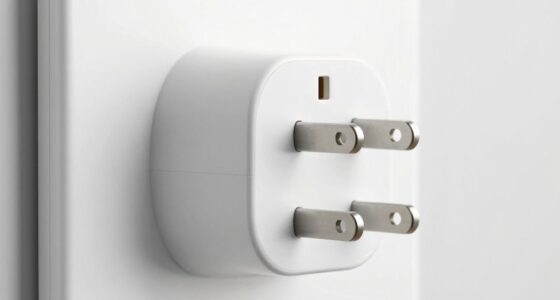
generator power splitter with circuit breaker
As an affiliate, we earn on qualifying purchases.
As an affiliate, we earn on qualifying purchases.
Frequently Asked Questions
Can I Connect Multiple Appliances With a Single Splitter?
You can connect multiple appliances with a single splitter, but be cautious. Avoid overloading extension cords and power strips, as this can cause overheating and potential hazards. Always check the total wattage of your appliances and guarantee they don’t exceed the splitter’s capacity. Use high-quality, grounded extension cords, and never daisy-chain multiple power strips. Proper setup keeps your appliances running safely and efficiently without risking damage or safety issues.
What Is the Maximum Wattage a Splitter Can Handle?
Imagine a streamer of water flowing through a pipe, steady and controlled—this is your splitter’s power capacity. Most splitters handle around 1,500 to 2,000 watts, but always check the label. Exceeding this risks overload and safety hazards. Prioritize safety considerations by never surpassing the maximum wattage, ensuring your setup remains safe, reliable, and efficient during power use with your generator.
Are Splitters Compatible With All Generator Types?
Splitters aren’t compatible with all generator types, so you need to verify voltage compatibility first. Some splitters are designed for specific voltage outputs, and using the wrong one can be dangerous. Always follow safety regulations and manufacturer instructions. If your generator’s voltage matches the splitter’s specifications, it should work fine. Otherwise, look for a splitter tailored to your generator’s voltage to guarantee safe and efficient operation.
Do I Need a Special Connector for My Generator?
Yes, you might need a special connector for your generator to guarantee safe and efficient operation. During generator maintenance, check the manufacturer’s guidelines for compatible connectors. Always follow safety precautions, such as grounding the generator properly and using the correct cables to prevent electrical hazards. Using the right connector not only protects your equipment but also keeps you safe while operating the splitter with your generator.
How Do I Prevent Overloads When Using a Splitter?
Think of overload prevention as your secret weapon—like a modern-day knight’s armor. To avoid overloads with a splitter, always check your generator’s capacity and distribute power evenly. Use circuit protection devices like circuit breakers or fuses, and never connect more devices than the splitter’s rated load. Proper power distribution guarantees safety, prevents damage, and keeps your setup running smoothly without risking a blackout or equipment failure.
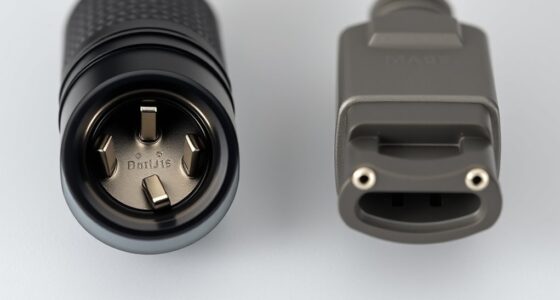
heavy-duty power splitter for generator
As an affiliate, we earn on qualifying purchases.
As an affiliate, we earn on qualifying purchases.
Conclusion
Before you connect a splitter to your generator, remember there are risks and considerations that could catch you off guard. If you overlook proper setup or safety measures, you might find yourself facing unexpected problems or damage. The truth is, understanding the ins and outs could save you a lot of trouble—and maybe even your equipment. Are you ready to uncover the hidden secrets that could make or break your power setup? The answers await.
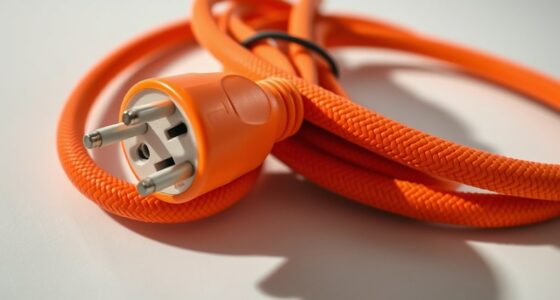
outdoor generator extension cord with grounding
As an affiliate, we earn on qualifying purchases.
As an affiliate, we earn on qualifying purchases.
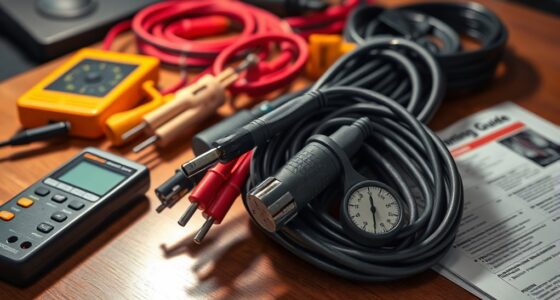
portable power load management system
As an affiliate, we earn on qualifying purchases.
As an affiliate, we earn on qualifying purchases.
Halloween Picks
halloween
As an affiliate, we earn on qualifying purchases.