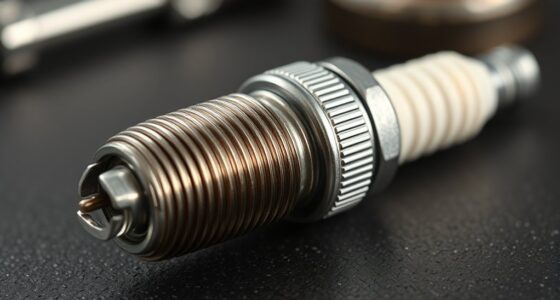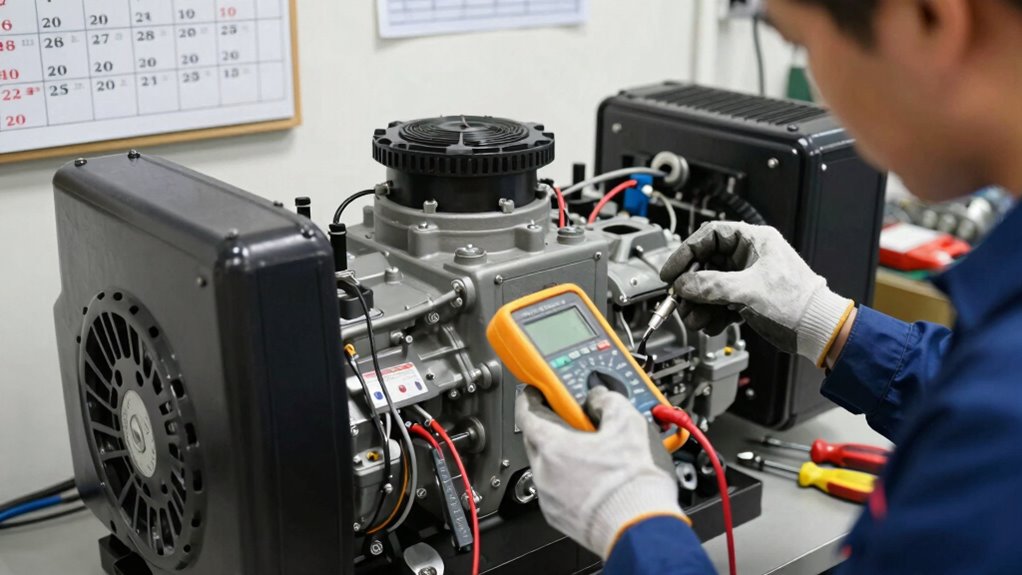

To build a seasonal generator maintenance routine, start by inspecting fuel lines, filters, and the fuel tank for signs of wear or debris, and replace parts as needed. Schedule safety checks, ensuring ventilation and safety features are functional before each use. Follow the manufacturer’s guidelines and establish regular inspection intervals, especially before and after periods of storage. By staying consistent and thorough, you’ll keep your generator running smoothly and safely year-round—discover how each step safeguards your equipment and health.

Get backup power and energy gear delivered free with Prime
- Fast, free delivery on millions of items
- Prime Video, Amazon Music and more included
- Member-only deals all year
Key Takeaways
- Schedule regular inspections and maintenance tasks based on seasonal usage patterns.
- Drain or stabilize fuel before storage to prevent degradation and engine issues.
- Clean the fuel tank and replace filters to ensure optimal fuel flow during peak seasons.
- Test safety features and ventilation systems before each seasonal use.
- Keep detailed records of maintenance activities to track performance and identify issues early.
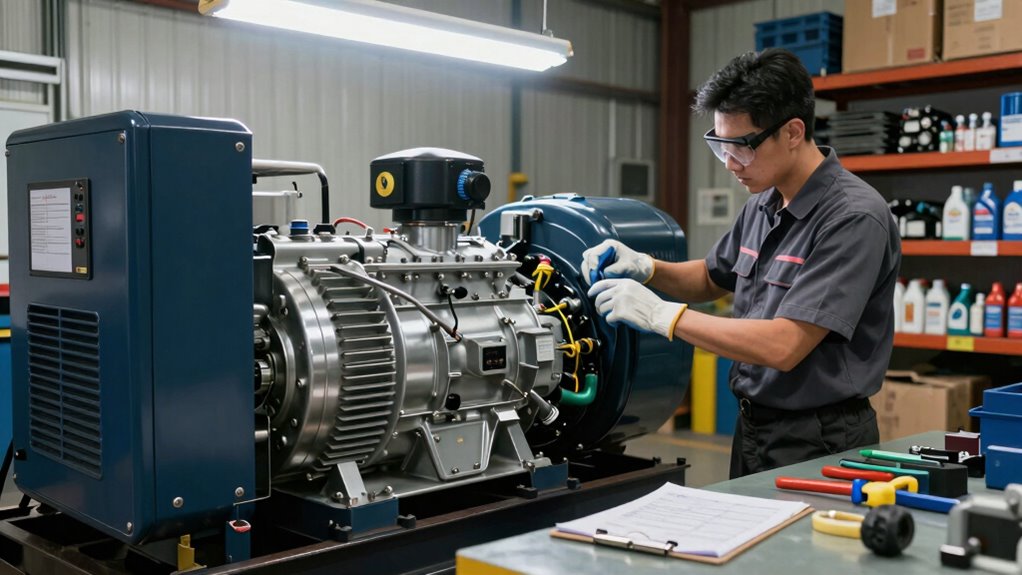
To guarantee your generator performs reliably when you need it most, establishing a seasonal maintenance routine is essential. Regular upkeep ensures it runs efficiently and safely, especially during peak usage times like storms or power outages. One of your main priorities should be maintaining fuel efficiency. This means inspecting fuel lines for leaks, cracks, or blockages and replacing filters as needed. Stale or contaminated fuel can clog the system, reduce performance, and increase emissions. Before storing your generator for the season, run it with fresh fuel or add fuel stabilizer to prevent degradation, which can cause carburetor issues later. During maintenance, check the fuel tank for rust or debris, and clean it to keep the system running smoothly. Fuel efficiency isn’t just about saving money; it also minimizes environmental impact, so staying vigilant on fuel quality and system integrity plays a crucial role. Additionally, ensuring proper ventilation during operation helps prevent dangerous buildup of carbon monoxide, especially in enclosed spaces. Safety protocols are equally critical when building your maintenance routine. Always disconnect the generator from power sources before starting any work, and wear protective gear such as gloves and safety glasses. Keep flammable materials away from the engine and exhaust area, which can become very hot during operation. Regularly checking and replacing worn or damaged parts reduces the risk of malfunctions that could lead to safety hazards. Test safety features like circuit breakers and emergency shut-off switches to ensure they work properly. If you notice any unusual smells, smoke, or irregular noises, shut down the generator immediately and investigate the problem. Proper ventilation during operation is vital to prevent carbon monoxide buildup, especially if you run your generator indoors or in enclosed spaces. Establish a clear protocol for inspecting and testing safety features before each use to prevent accidents and ensure peace of mind. Regularly inspecting and maintaining generator components helps optimize performance and safety, extending the lifespan of your equipment. Additionally, scheduling routine inspections can catch minor issues before they escalate into costly repairs. Incorporating manufacturer guidelines into your maintenance routine ensures that you adhere to the best practices for your specific generator model. Following a systematic approach to preventative maintenance allows you to identify potential problems early and avoid unexpected breakdowns. A comprehensive understanding of fuel system management is essential to keep your generator running efficiently. By following a systematic approach, you keep your generator in top condition, maximizing fuel efficiency, adhering to safety protocols, and extending its lifespan. Building this routine into your seasonal maintenance plan helps you operate confidently, knowing your generator is reliable and safe whenever power is needed.
As an affiliate, we earn on qualifying purchases.
Frequently Asked Questions
How Often Should I Test My Generator During the Season?
You should test your generator at least once a month during the season. During each test, check fuel stability to guarantee it hasn’t degraded, and inspect the battery condition for proper charge. Regular testing helps catch issues early, making sure your generator runs smoothly when needed. Don’t forget to run the generator under load occasionally to verify its performance and address any potential problems before an emergency.
What Safety Precautions Are Necessary During Maintenance?
You must prioritize safety during maintenance to avoid disaster! Wear full safety gear—gloves, goggles, and ear protection—as if your life depends on it. Always follow emergency procedures, like shutting off the generator and disconnecting power, to prevent accidents. Never work on a running or hot generator. Taking these precautions guarantees you stay safe, avoiding burns, shocks, or worse, and keeps your maintenance routine disaster-free.
Can I Perform Maintenance Myself or Need a Professional?
You can perform basic DIY troubleshooting and maintenance if you’re comfortable with electrical tasks and follow safety guidelines. However, for complex issues, professional servicing is recommended to guarantee safety and proper function. Regularly inspecting and cleaning your generator can be manageable on your own, but when in doubt, hiring a professional guarantees thorough maintenance and reduces the risk of damage or injury.
What Tools Are Essential for Generator Maintenance?
To keep your generator purring like a contented cat, you’ll need basic tools such as a wrench set, screwdrivers, and a spark plug socket. Don’t forget a fuel tester to check fuel quality and a dipstick for oil levels. With these essentials, you can confidently inspect, change fluids, and guarantee your generator runs smoothly—no fancy gadgets required, just some good old-fashioned elbow grease.
How Do Weather Changes Affect Generator Maintenance Needs?
Weather changes considerably impact your generator’s maintenance needs. Seasonal weather fluctuations introduce maintenance challenges like moisture buildup during humid seasons or freezing conditions in winter, which can cause parts to rust or freeze. You need to regularly check and adapt your maintenance routine to address these challenges, ensuring your generator stays reliable. Properly managing seasonal weather effects helps prevent unexpected breakdowns and prolongs the lifespan of your equipment.
As an affiliate, we earn on qualifying purchases.
Conclusion
By following a structured seasonal maintenance routine, you guarantee your generator stays reliable, efficient, and ready when you need it most. Regular inspections, timely repairs, and proper storage become your routine, your safeguard, your peace of mind. Keep your generator performing at its best, keep your home protected, and keep your family safe. With consistency, diligence, and care, you transform maintenance from a chore into a habit that preserves power, prevents surprises, and provides confidence year-round.
As an affiliate, we earn on qualifying purchases.
As an affiliate, we earn on qualifying purchases.
Fall Picks
fall essentials
As an affiliate, we earn on qualifying purchases.