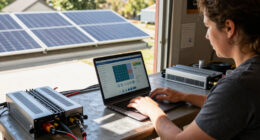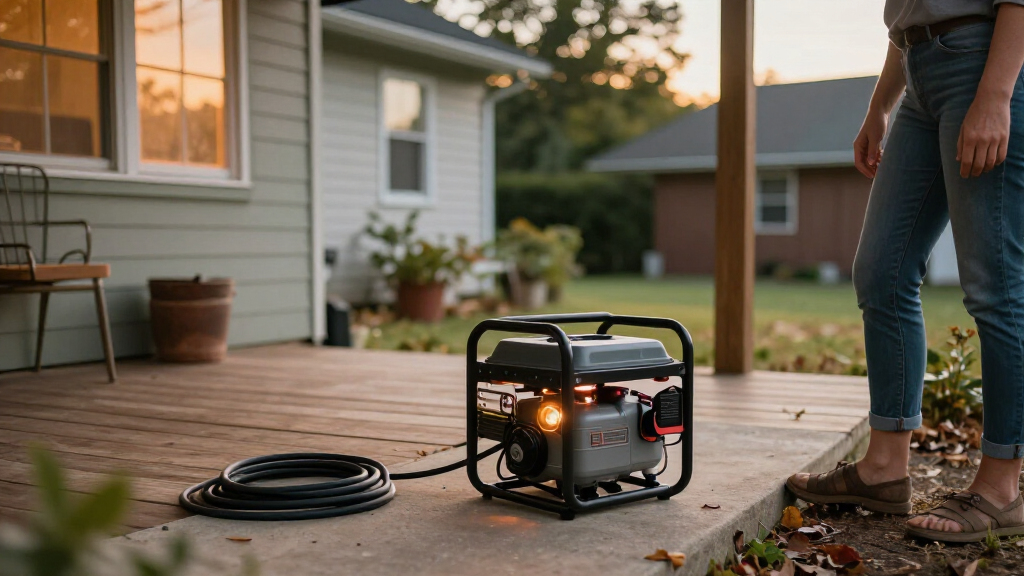
This guide shows you how to plan for and use a portable inverter generator to run selected home essentials during a power outage. You will estimate the load, choose a compatible generator and connection method, set it up outdoors, connect appliances safely, and shut it down correctly. It is for homeowners comfortable reading appliance labels and following equipment instructions; electrical panel connections require a licensed electrician. Allow 2-4 hours to plan and test your setup, not including time to buy equipment or arrange electrical work.

Get backup power and energy gear delivered free with Prime
- Fast, free delivery on millions of items
- Prime Video, Amazon Music and more included
- Member-only deals all year

Generac 5,200-Watt Dual-Fuel Portable Inverter Generator
- ✔ Starting output, gasoline: 5,200 W
- ✔ Running output, gasoline: 3,900 W
- ✔ Starting/running output, propane: 4,700 W / 3,500 W

Oxseryn 4400-Watt Gas-Powered Inverter Generator
- ✔ Peak output: 4,400 W
- ✔ Running output: 3,400 W
- ✔ Fuel and tank: Gasoline; 2 gallons
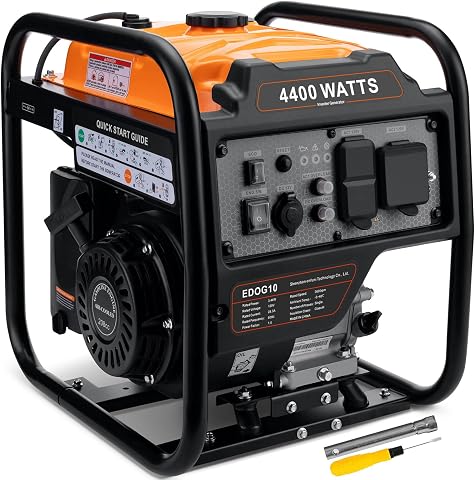
Oxseryn 4400-Watt Inverter Generator
- ✔ Peak output: 4,400 W
- ✔ Running output: 3,400 W
- ✔ Fuel and tank: Gasoline; 2 gallons
Difficulty: Intermediate | Time: 2-4 hours for planning and a first test; 10-20 minutes for a practiced outage setup
What You’ll Need
Tools & Materials:
- Portable inverter generator with an output rating suited to your planned loads
- Generator manufacturer’s manual
- Appliance labels or manuals showing running and starting wattage
- Heavy-duty outdoor-rated extension cords with the correct wire gauge and plug rating
- Fuel approved for the generator, stored in an approved container
- Battery-powered carbon monoxide alarms for the home
- A flashlight and a weather-resistant checklist for outage setup
Knowledge:
- How to read watts, amps, and voltage on appliance labels
- How to start and stop the selected generator model using its manual
- The difference between connecting appliances by extension cord and connecting through a transfer switch
Plan to power only selected appliances, not the whole home, unless an electrician has designed an appropriate panel connection. Never connect a generator to a wall outlet or home wiring with a homemade cord. A transfer switch or other approved connection must be installed by a licensed electrician. Check local rules, fuel requirements, and generator warranty terms before use.
Generac 5,200-Watt Dual-Fuel Portable Inverter Generator
We rank the Generac first because it solves more of the constraints that matter during an outage. Its 3,900 running watts on gasoline exceed the 3,400 watts listed for either Oxseryn, while the option to use propane adds a useful fallback fuel. On propane, running output is 3,500 watts, still slightly above the Oxseryn figures. That difference can help when we need to run several essential loads, although the actual combination must stay within the generator’s capacity.Its less-than-3% THD inverter output is intended to provide cleaner power for sensitive electronics, and COsense automatic shutdown adds a notable safety feature. Electric start, USB-A and USB-C, two GFCI 20A outlets, and a 120V 30A L5-30R give it a more versatile connection mix than the Oxseryn models as described. The tradeoff is substantial: at 107 pounds, it is nearly twice the listed weight of either Oxseryn. Wheels and a folding handle help with movement, but do not make it a lightweight option. Parallel operation can raise capacity with a second unit, though the kit is optional.Runtime varies with load and fuel: the listed figures are up to nine hours on gasoline or 11 hours on a 20-pound propane tank at 50% load, and up to 15 hours on gasoline at 25% load. That makes it the strongest all-round backup pick here, but not the easiest to relocate or a substitute for a properly sized standby system.
Pros:
- Gasoline and propane operation gives us fuel flexibility
- Highest stated gasoline running output in this comparison at 3,900 watts
- Less than 3% THD, COsense shutdown, and electric start
- 30A L5-30R plus GFCI, USB-A, and USB-C outlets
Cons:
- At 107 pounds, it is much heavier than either Oxseryn option
- Parallel kit is optional, adding a separate item to a higher-capacity setup
Best for: Households that want more continuous output, propane as a backup fuel, and a 30A connection for planned essential-load backup.
Not ideal for: Buyers who need a generator they can lift or carry easily, or who want a complete parallel setup without buying an optional kit.
Bottom line: We choose the Generac as the most capable and adaptable option here, provided its weight and setup needs fit our backup plan.
“We choose the Generac as the most capable and adaptable option here, provided its weight and setup needs fit our backup plan.”
Oxseryn 4400-Watt Gas-Powered Inverter Generator
For buyers who put manageable weight ahead of maximum backup capacity, this Oxseryn is the simpler fit. It lists 3,400 running watts, matching the other Oxseryn and falling 500 watts below the Generac on gasoline. Its 56-pound weight is the clearest advantage: compared with the 107-pound Generac, it is more realistic to move between storage and a safe outdoor operating spot, though lifting technique and the carrying arrangement still matter.The gasoline-only design and two-gallon tank keep the setup straightforward, while ECO mode supports the claimed runtime of up to 14 hours at 25% load. That light-load condition is important: a refrigerator, lights, and charging devices may draw more or less depending on their cycles and usage, and heavier loads shorten runtime. This model lists two 120V AC outlets, a 12V DC outlet, and an RV outlet, giving it a useful spread for basic backup or recreational use. Its stated noise level is under 72 dBA from 23 feet, but the open-frame design is a less enclosed format than many buyers seek for a quieter residential setting.Compared with the Generac, we give up dual-fuel flexibility, higher running output, and its specified low-THD and COsense details. Compared with the B0FXLTM47G Oxseryn, the core output, weight, tank size, and runtime claims are very similar; this listing is a reasonable pick when its stated outlet arrangement and ECO-mode runtime fit our needs. We would not choose it to power a large set of household circuits at once.
Pros:
- 56-pound weight is substantially below the Generac’s 107 pounds
- 3,400 running watts for a modest group of essential loads
- Up to 14 hours at 25% load with ECO mode
- AC, 12V DC, and RV outlet options
Cons:
- Gasoline-only operation offers no alternate fuel option
- Two-gallon tank and open-frame construction may not suit longer or quieter backup needs
Best for: Buyers seeking a lighter gasoline inverter generator for a few essential loads, with occasional RV use as a secondary fit.
Not ideal for: Households wanting propane backup, more than 3,400 running watts, or a more enclosed generator format for noise-sensitive surroundings.
Bottom line: We recommend this Oxseryn when portability and a light-load backup plan matter more than the Generac’s extra output and dual-fuel flexibility.
“We recommend this Oxseryn when portability and a light-load backup plan matter more than the Generac’s extra output and dual-fuel flexibility.”
Oxseryn 4400-Watt Inverter Generator
This Oxseryn lands third, not because its listed power is weaker, but because the supplied specifications make it difficult to distinguish from the other 4400-watt Oxseryn. Both weigh 56 pounds, run on gasoline, use a two-gallon tank, and claim up to 14 hours at 25% load, with 3,400 running watts. The more specific case for this version is its stated cold-start technology, overload protection, and low-oil shutdown. Those features offer useful operating safeguards, but we should not mistake them for additional capacity or fuel flexibility.It lists two 120V AC outlets, a 30A RV outlet, and 12V DC output. The 30A RV connection may be useful for an appropriate RV setup, but buyers planning household backup should verify what connection equipment is required and avoid direct connection to home wiring without suitable transfer equipment. By contrast, the Generac explicitly lists a 120V 30A L5-30R and has greater running output, propane capability, and COsense shutdown. The Oxseryn’s 56-pound frame remains a compelling advantage when a heavier generator would be difficult to move or store.There are limits: its small tank means refueling can be part of an extended outage plan, and it is open-frame. The product description also notes that factory testing may leave a slight gasoline smell, something to consider when unpacking and storing it. We see this as a feature-specific alternative to the B0FQ5BB6SS rather than a more powerful choice. If cold-start and low-oil safeguards are priorities, it has a clearer rationale; otherwise, compare the outlet details and availability of each similar model before deciding.
Pros:
- 56-pound weight makes it easier to position than the Generac
- 3,400 running watts and 4,400 peak watts
- Lists cold-start technology, overload protection, and low-oil shutdown
- Includes a 30A RV outlet and 12V DC output
Cons:
- Gasoline-only with a two-gallon tank
- Open-frame design; product description notes a possible slight gasoline smell after factory testing
Best for: Buyers who want a 56-pound gasoline inverter generator and value the listed cold-start, overload, and low-oil protection features.
Not ideal for: Households needing dual-fuel operation, higher running output, a larger fuel reserve, or quiet enclosed construction.
Bottom line: We would choose this Oxseryn over its near-twin when its listed cold-start and protection features are the deciding factors, not for extra power.
“We would choose this Oxseryn over its near-twin when its listed cold-start and protection features are the deciding factors, not for extra power.”
As an Amazon Associate we earn from qualifying purchases.
Before You Start
Carbon monoxide can kill. Run the generator outside, at least 20 feet from doors, windows, and vents, with the exhaust pointed away from the home and neighboring buildings. Follow the manufacturer’s clearance instructions if they require more space. Never run it in a house, garage, basement, shed, or other enclosed or partly enclosed space, even with doors open. Install working carbon monoxide alarms on every level and near sleeping areas. Do not operate in rain or standing water; use only a manufacturer-approved protective cover that does not restrict airflow or trap exhaust.
Keep fuel away from flames, hot surfaces, and the running generator. Let the unit cool before refueling. If anyone experiences headache, dizziness, nausea, or confusion, leave the area immediately and call emergency services.
Step-by-Step Instructions
Step 1: List the loads you need to run
Write down the essential appliances you want during an outage, such as a refrigerator, freezer, modem, lights, or a medical device. Read each appliance’s label or manual and record its running watts and, for motors or compressors, its starting or surge watts. If a label lists volts and amps instead of watts, multiply volts by amps for an approximate watt figure. Check medical-device backup requirements with the device supplier or care team before relying on a generator.
Tip: Do not plan to run every appliance at once. Space heating, electric water heaters, ovens, clothes dryers, and central air conditioning can use more power than a portable generator can provide.
Check: You have a written list with the wattage and startup needs for each intended load.
Step 2: Choose a generator and connection method
Compare the generator’s continuous running-watt rating with the total running watts of the loads you expect to operate together. Check that it can also handle the largest startup surge while other selected loads are already running; use the manual’s ratings and load guidance. Choose a model with the voltage and receptacle types required by your appliances or approved connection equipment. Decide whether you will plug appliances directly into the generator with outdoor-rated cords or have an electrician install a transfer switch for selected circuits.
Tip: A generator’s peak or starting wattage is not its continuous capacity. Do not size the system using the peak number alone.
Check: Your planned simultaneous loads fit within the generator’s continuous rating and its stated surge capability, and you have a compatible connection plan.
Step 3: Prepare the location, alarms, and supplies
Choose a firm, level outdoor location that meets the manual’s clearance requirements and remains at least 20 feet from doors, windows, and vents. Keep the exhaust pointed away from all openings. Do not place the generator under a porch, carport, or other area where exhaust can collect. Test the home’s carbon monoxide alarms, identify a dry route for cords, and keep the manual, flashlight, fuel container, and fire extinguisher accessible. Store fuel in an approved container away from living areas and ignition sources, following local rules and the generator manual.
Tip: Check the forecast before setting up. If you cannot keep the generator dry without blocking its cooling airflow or exhaust, do not run it.
Check: The chosen site is outdoors, level, ventilated, clear of openings, and reachable without routing cords through water or creating a trip hazard.
Step 4: Inspect the generator before starting
With the generator off and cool, inspect it for damage, loose parts, fuel leaks, blocked vents, or damaged cords. Check the oil level and add only the oil grade specified in the manual. Confirm the fuel type and any required fuel-valve, choke, or battery steps for your model. Do not start the unit if you find a leak, damaged wiring, or another fault; arrange repair first.
Tip: New generators may require a break-in procedure or an initial oil change at a specified hour. Follow the manual rather than assuming the unit is ready for full-load use.
Check: The unit is undamaged, has the specified oil and fuel, and is ready for the model’s documented startup procedure.
Step 5: Start the generator with no loads connected
Move appliance switches off and unplug cords from the generator. Start the unit outdoors according to its manual, including any required fuel-valve, choke, or electric-start steps. Let it run for the warm-up period specified by the manufacturer, and check the control panel for warning lights or fault indicators. Keep clear of hot parts and do not leave the running unit unattended.
Tip: Do not use a generator that smells strongly of fuel, produces unusual smoke, or shows an overload or low-oil warning. Stop it if the manual directs you to do so.
Check: The engine runs steadily, no warning indicator is active, and the generator is positioned safely away from the home.
Step 6: Connect appliances or approved home circuits
For direct connection, use intact outdoor-rated cords with a current rating suited to the appliance and generator outlet. Keep cords as short as practical, fully uncoil them, and route them where they will stay dry and will not be crushed or tripped over. Connect one appliance at a time, following the generator manual’s instructions. For a transfer-switch connection, use only the electrician-installed equipment and its operating instructions; never plug the generator into a household outlet or connect it to a panel without approved isolation equipment.
Tip: Keep plugs and connections off wet ground. Do not join undersized or damaged cords, and do not exceed the rating of any outlet, cord, or connector.
Check: Each load is connected by an approved, undamaged path, and no connection can feed power back into utility lines.
Step 7: Add loads gradually and monitor operation
Turn on or plug in one appliance at a time, beginning with the largest motor or compressor load if the manual recommends it. Allow it to start before adding the next item. Watch the generator’s load display, if available, and listen for slowing or rough operation. Keep the combined running load within the continuous rating and leave enough surge capacity for appliances that cycle on and off. Reduce the load if an overload warning appears or the engine struggles.
Tip: Refrigerators and freezers cycle automatically, so their startup surge may occur after you have added other loads. Leave headroom rather than operating near the maximum rating.
Check: The generator runs steadily, connected appliances operate normally, and no overload warning appears.
Step 8: Shut down and store the equipment safely
Turn off appliances and disconnect their cords or switch off the transfer equipment according to its instructions. Let the generator run without a load for the cooldown period stated in its manual, then stop it using the specified controls. Let it cool fully before checking, moving, or refueling. Store fuel and the generator according to the manuals and local requirements; keep fuel away from the home’s living space and ignition sources.
Tip: Do not refuel a hot or running generator. If fuel spills, keep it away from ignition sources and follow the fuel and generator instructions before restarting.
Check: The generator is off and cool, loads are disconnected, and fuel is stored safely.
Common Mistakes to Avoid
- Choosing a generator by its peak wattage and overlooking running capacity or startup surges. — Add the running watts of simultaneous loads, then check motor startup demands against the manufacturer’s surge rating and guidance. Keep spare capacity.
- Running the generator in a garage, close to a door, or under a structure. — Operate it outdoors at least 20 feet from doors, windows, and vents, with exhaust directed away; follow greater clearances in the manual.
- Connecting a generator to a wall outlet or household wiring without approved isolation equipment. — Use direct appliance cords or an electrician-installed transfer switch. Never use a male-to-male cord or attempt a panel connection yourself.
- Using a long, coiled, damaged, or undersized extension cord. — Select an intact outdoor-rated cord with a suitable wire gauge and rating, keep it fully uncoiled, and use the shortest practical length.
Troubleshooting
Problem: The generator will not start or stops shortly after starting.
Solution: Switch off and unplug loads. Check the manual’s starting sequence, fuel level, fuel valve, choke position, oil level, and any low-oil alert. Let the unit cool before inspection. Do not keep cranking it if you smell fuel or see a leak; stop and arrange service.
Problem: The overload light comes on or the engine bogs down.
Solution: Turn off or disconnect loads, then restart only as the manual directs. Reconnect appliances one at a time and remove enough load to stay within the continuous rating. Account for compressor or motor startup surges.
Problem: An appliance does not run or behaves erratically.
Solution: Turn the appliance off and check its plug, cord rating, generator outlet, and any circuit breaker or ground-fault device, following the manuals. Test the appliance on a known suitable power source if safe. Do not bypass a protection device or use damaged equipment.
Problem: A carbon monoxide alarm sounds or someone feels ill near the setup.
Solution: Leave the building and generator area immediately, get everyone to fresh air, and call emergency services. Do not re-enter to switch off the generator. Have the area checked and identify the exhaust source before using the unit again.
What Success Looks Like
Your backup setup is successful when the generator operates only outdoors in a clear, dry, ventilated location; carbon monoxide alarms work; the connection uses rated cords or an electrician-installed transfer switch; and the selected appliances run without overload warnings. You can also shut the unit down and cool it before handling or refueling. Test the setup under supervision before an outage and record any changes needed to the load list or cord layout.
Next Steps
Keep the load list, manuals, cord ratings, and startup/shutdown checklist together where you can find them during an outage. Follow the manufacturer’s schedule for oil changes, inspections, and other service; periodically run the generator under the test conditions and duration specified in its manual. Replace damaged cords and test carbon monoxide alarms on their stated schedule. Review fuel storage dates and local storage rules. If you want to power hardwired circuits, arrange a licensed electrician’s assessment and installation of approved transfer equipment.
Frequently Asked Questions
Can I run a portable inverter generator inside a garage with the door open?
No. A garage can trap carbon monoxide even with its door open. Run the generator outdoors, at least 20 feet from doors, windows, and vents, with exhaust pointed away from openings.
Can I connect the generator directly to a household outlet?
No. Feeding power through a wall outlet can energize utility lines and create a serious shock or fire hazard. Use appliance cords or an electrician-installed transfer switch. Never use a male-to-male cord.
How do I know what size generator I need?
List the appliances you will use at the same time, total their running watts, and check the starting surge of motors and compressors. Choose a generator whose continuous and surge ratings support that combination, with spare capacity for cycling loads.
Can I run a refrigerator and a freezer together?
Only if their combined running load and overlapping startup surges fit the generator’s ratings. Check both appliance labels or manuals, connect them one at a time, and monitor the generator for overload warnings.
Can I run the generator in rain?
Do not operate it where rain or standing water can reach the generator or connections. Use only a manufacturer-approved cover that preserves cooling airflow and exhaust clearance; if you cannot keep the setup safe and dry, wait to operate it.
Halloween Picks
halloween
As an affiliate, we earn on qualifying purchases.