
TL;DR

Get backup power and energy gear delivered free with Prime
- Fast, free delivery on millions of items
- Prime Video, Amazon Music and more included
- Member-only deals all year
Energy-Storage.News published an on-demand webinar about using pressure-sensitive adhesive (PSA) tapes in battery energy storage systems (BESS). The session discusses possible uses including heat-shield bonding, electrical insulation, venting and wiring management, but the source does not report measured performance results or a specific product launch.
Energy-Storage.News has published an on-demand webinar examining how pressure-sensitive adhesive (PSA) tapes could be designed for battery energy storage systems (BESS), including applications involving thermal protection, electrical insulation and assembly. The session brings together speakers from Argent International and Avery Dennison to discuss material design and the path from early concepts to scaled production; it does not announce a particular tape product or report quantified performance results.
The session begins with an overview of PSA tape construction, covering adhesive formulation, facestocks and conversion processes. It then considers how BESS engineers might work with tape suppliers and converters to develop materials for system-specific needs, including thermal runaway mitigation, electrical insulation, bonding and sealing. The source describes these as topics and potential applications discussed in the webinar, rather than verified outcomes from a test program.
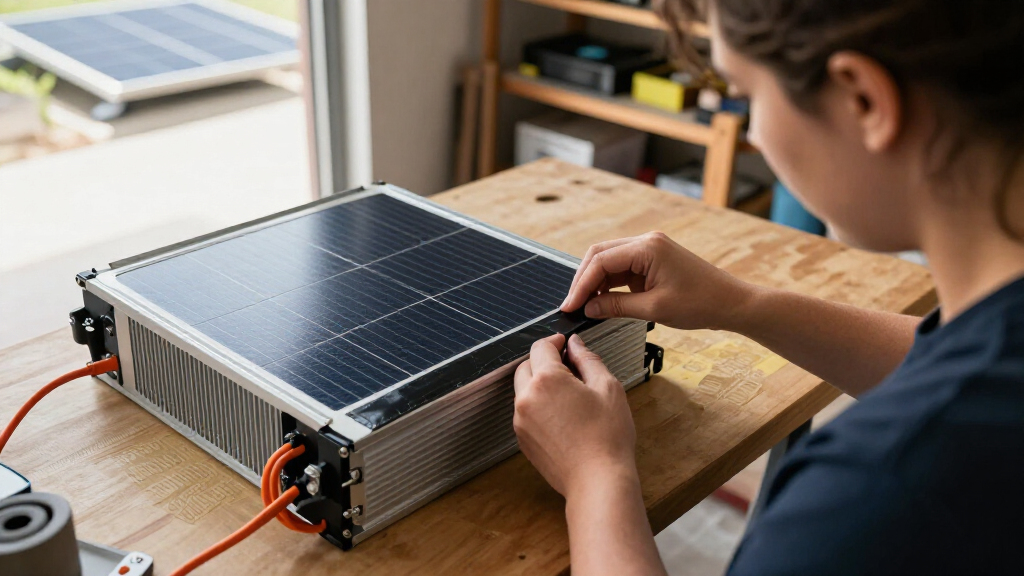
Applications covered include bonding heat shields and thermal-runaway mitigation materials, supporting cell venting systems, creating electrically insulative barriers, limiting environmental exposure and managing wiring. The webinar also describes anisotropic tapes, which are presented as a way to support directional venting, and custom liner configurations intended to fit automated assembly processes and design for manufacturing (DFM).
Bob Sherman, business development manager at Argent International, and Max VanRaaphorst, marketing manager for e-mobility and energy storage at Avery Dennison, are listed as speakers. Andy Colthorpe, editor of Energy-Storage.News, moderated the session. The publication says viewers can watch the webinar on YouTube or register through its on-demand section to access the presentation slides.
Tape Design Meets BESS Safety Needs
The webinar focuses on a component that can be easy to overlook in discussions of battery systems: adhesives and converted tape materials. In the applications outlined by the speakers, tape is not just a way to hold parts together. It may also form part of a system’s thermal barriers, electrical separation, sealing, venting arrangements and cable management. That makes material selection and integration relevant to both system design and assembly.
For manufacturers, the discussion highlights a practical development issue: a material that works in a prototype may still need adjustments to suit automated production and scaled manufacturing. Liner formats, bonding methods and component geometry can affect how a tape is applied on an assembly line. The source presents collaboration across BESS engineers and the PSA-tape value chain as a way to address those design and production questions.
These are areas of potential relevance, not evidence that a particular tape will prevent thermal runaway or improve safety in every system. The source provides no comparative testing, performance figures or field results. Readers should treat the webinar as a technical discussion of possible use cases and development processes, not as independent validation of product effectiveness.
Products Worth Considering

Samsung 48 4K OLED Smart TV (2026) with WireLogic 8ft Ultra High Speed HDMI Cable

Roborock RockMow X130H Wire-Free 4WD Robot Lawn Mower

Philips Hue White and Color Ambiance Smart Retrofit Recessed LED Downlights, 5/6-Inch, 4-Pack
As an affiliate, we earn on qualifying purchases.
From Material Concepts to Production
The source frames the webinar around a sequence: understand tape materials and converting, identify BESS-specific needs, and develop a solution through concept work and prototype testing before moving toward production. PSA tapes combine an adhesive with a backing, or facestock, and may be supplied in formats adapted to the part or application. The webinar’s overview covers these basic elements, but the supplied report does not provide detailed specifications for particular formulations.
Battery energy storage systems bring together cells, electrical connections, thermal components and enclosures. The applications listed in the report relate to interfaces among these parts: tapes may bond protective materials, separate conductive areas, support vent pathways or keep wiring organised. The session also discusses custom liners for integration with automated equipment, linking product design to manufacturing process requirements.
Energy-Storage.News describes the webinar as offering a framework for taking a BESS and PSA-tape project from initial concept and prototype testing toward domestic and global production. The source does not identify a specific customer project, installation, commercial deployment or manufacturing agreement tied to the session.
Performance Evidence Not Included
The supplied report does not state when the webinar was recorded or published, and it provides no figures for thermal resistance, dielectric strength, adhesion, durability or production throughput. It also does not identify named tape products, test methods, independent evaluators or deployed BESS projects. As a result, the report confirms the webinar’s subject and participants, but not that any described application has achieved a particular safety or performance improvement.
It is also unclear which cell formats, system designs, operating conditions or regulatory requirements the use cases address. The webinar may provide additional technical detail, but that material is not included in the source text. Claims about directional venting, thermal runaway mitigation and manufacturing efficiency therefore remain application topics described by the publisher, rather than independently substantiated results in the available report.
Watch the Session and Review Slides
Readers can watch the on-demand webinar on YouTube or register through Energy-Storage.News’ on-demand section, which the publisher says also provides presentation slides. Those materials may offer more detail on the examples and development framework discussed by Sherman and VanRaaphorst.
Any assessment of a tape for a BESS project would still depend on the relevant design requirements and supporting validation. The source describes a route from concept and prototype testing to scaled production, but it gives no timetable for a follow-up study, product release or deployment. No further development is specified in the supplied material.
Key Questions
What is the webinar about?
It discusses how pressure-sensitive adhesive tapes may be adapted for battery energy storage systems, with topics including thermal protection, electrical insulation, sealing, venting and manufacturing.
Who took part in the session?
The listed speakers are Bob Sherman of Argent International and Max VanRaaphorst of Avery Dennison. Energy-Storage.News editor Andy Colthorpe moderated the session.
Does the report show that PSA tape prevents thermal runaway?
No. It says the webinar discusses tape applications related to thermal runaway mitigation, but the supplied report includes no test results or evidence that a specific tape prevents thermal runaway.
What does anisotropic tape do in the examples?
The webinar description says use cases will cover anisotropic tapes for directional venting. It does not provide design details or performance measurements in the supplied material.
Where can viewers access the webinar?
Energy-Storage.News says the session is available on YouTube and through its on-demand section, where viewers can register for access to presentation slides.
Source: energy-storage.news