TL;DR

Get backup power and energy gear delivered free — and shop member deals
- Fast, free delivery on millions of items
- Access to Prime Big Deal Days deals on October 6–7
- Prime Video, Amazon Music and more included
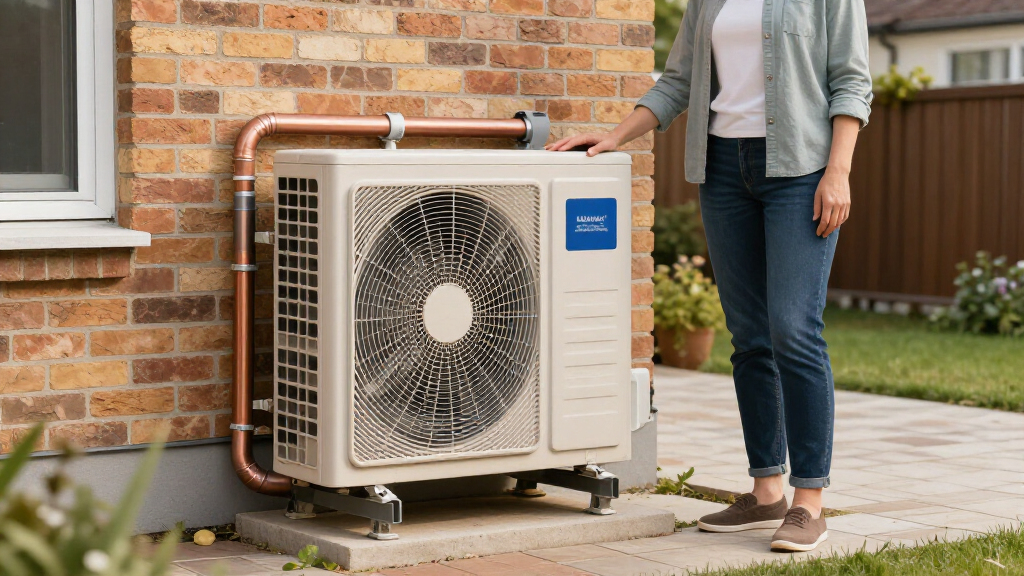
The European Heat Pump Association reports residential heat pump sales rose 11% in the first half of the year to around 1,163,000 units across 12 European countries, up from 1,048,000 a year earlier. The EHPA links the increase to higher oil and gas prices and EU moves to cut electricity taxes.
Residential heat pump sales in Europe rose by 11% in the first six months of the year, according to the European Heat Pump Association (EHPA), marking a turnaround for a market that had slowed in the previous two years. Around 1,163,000 units were sold across the 12 countries surveyed, up from 1,048,000 in the first half of 2025. The association attributes the increase to higher oil and gas prices and to European Commission plans encouraging governments to lower taxes on electricity.
The EHPA’s figures cover 12 European countries: Austria, Belgium, Switzerland, Denmark, Finland, France, Germany, Italy, the Netherlands, Norway, Portugal and Sweden. Across these markets, sales rose from 1,048,000 units in the first half of 2025 to approximately 1,163,000 units in the same period this year — an increase of 11%. The association presents the data as a sign of renewed momentum for residential heat pumps after a period of weaker demand.
The EHPA gives two main drivers for the recovery. The first is rising oil and gas prices, which it links to the closure of the Strait of Hormuz and which improved the relative running costs of electric heating. The second is the European Commission’s policy activity: the Commission has published plans encouraging EU governments to lower taxes on electricity, making heat pump operation cheaper relative to fossil-fuel heating.
In its Electrification Action Plan, the European Commission stated that tax on electricity should be no higher than tax on gas. It is also proposing a revision of the network charges consumers pay on their power bills, with the aim of rewarding flexible technologies such as heat pumps. The EHPA singled out the Netherlands and Belgium as countries that have already moved in this direction on electricity taxation.
Why Electricity Pricing Drives the Market
The sales figures matter because they show how sensitive heat pump demand is to the relative price of electricity versus gas and oil. When fossil fuel prices rise — as they did following the Strait of Hormuz closure — the running-cost advantage of heat pumps improves, and consumers appear to respond. Conversely, high electricity taxes and levies have been widely cited in the sector as a barrier, because they keep the operating cost gap narrow even when the technology itself is efficient.
The recovery is also a signal for EU climate policy. Building heating is one of the largest sources of European fossil fuel demand, and the Commission’s Electrification Action Plan explicitly ties electricity taxation to the pace of decarbonisation. If more governments follow the Netherlands and Belgium in shifting taxes from electricity to fossil fuels, the EHPA expects faster adoption — though this remains the association’s stated position rather than an established outcome.
Two Years of Decline Before the Rebound
The first-half increase follows a difficult stretch for the European heat pump industry. After record growth during the energy crisis of 2021–2023, sales fell in 2024 and 2025 as gas prices eased from their peaks, subsidy schemes were scaled back in several countries, and consumer hesitancy increased. The EHPA, the sector’s main trade body, has repeatedly argued that taxation and electricity pricing, not the technology itself, were the main brakes on demand.
Against that backdrop, the European Commission’s Electrification Action Plan represents a policy shift at EU level. Its two central proposals relevant to heating are that electricity tax should not exceed gas tax, and that network charges should be restructured to reward flexible consumption — including heat pumps that can shift their operation to cheaper, lower-demand periods.
“The sooner electricity becomes the most affordable solution, the quicker we’ll get clean. The fix? Dropping taxes on electricity and shifting them over to fossil fuels.”
— Paul Kenny, director general, European Heat Pump Association
What the Sales Data Does Not Show
The EHPA figures cover only 12 of Europe’s markets, so the 11% rise may not reflect the continent-wide picture — major markets such as Spain, Poland and the United Kingdom are not included in the reported dataset. It is not yet clear whether the second half of the year will sustain the growth, since the oil and gas price effect depends on conditions following the Strait of Hormuz closure, which remain fluid.
The causal link between the price spike and the sales increase is the EHPA’s interpretation; the association has not published a detailed breakdown showing how much of the growth came from which countries or which heat pump categories. It is also unclear how quickly national governments will act on the Commission’s electricity tax guidance — the proposal requires member-state implementation, and timelines vary by country. Finally, the EHPA’s claim that Europe is “ending its addiction to gas” is the association’s framing rather than a finding from the data itself.
Watching Governments and Gas Prices
The main developments to watch are on the policy side. The European Commission’s proposed revision of network charges will move through the EU legislative process, and its effect on household power bills will depend on how member states implement it. Several governments face pressure to follow the Netherlands and Belgium in cutting electricity taxes, and the EHPA has said it will keep pressing national capitals to act.
On the market side, the EHPA is expected to publish full-year figures in early 2027, which will show whether the first-half rebound held once the initial gas price shock passed. Manufacturers and installers will also be watching subsidy schemes and electricity-to-gas price ratios in the largest markets, since these have historically driven the sharpest swings in demand.
Key Questions
How much did European heat pump sales rise?
According to the EHPA, sales in the 12 surveyed countries rose by 11%, from 1,048,000 units in the first half of 2025 to approximately 1,163,000 units in the first half of this year.
Which countries are covered by the figures?
The data covers Austria, Belgium, Switzerland, Denmark, Finland, France, Germany, Italy, the Netherlands, Norway, Portugal and Sweden. It does not cover all European markets.
Why did sales increase?
The EHPA attributes the rise to higher oil and gas prices following the closure of the Strait of Hormuz, and to European Commission plans encouraging EU governments to lower taxes on electricity. This is the association’s interpretation of the drivers.
What is the European Commission proposing on electricity tax?
In its Electrification Action Plan, the Commission said tax on electricity should be no higher than tax on gas, and proposed revising network charges so that flexible options like heat pumps are rewarded on consumer power bills.
Will the growth continue in the second half of the year?
That is not yet clear. The EHPA’s full-year figures, expected after the year ends, will show whether the rebound was sustained. Much depends on fossil fuel prices and on how quickly national governments act on electricity tax reform.
Source: rss
Fall Picks
fall essentials
As an affiliate, we earn on qualifying purchases.