TL;DR

Get backup power and energy gear delivered free with Prime
- Fast, free delivery on millions of items
- Prime Video, Amazon Music and more included
- Member-only deals all year
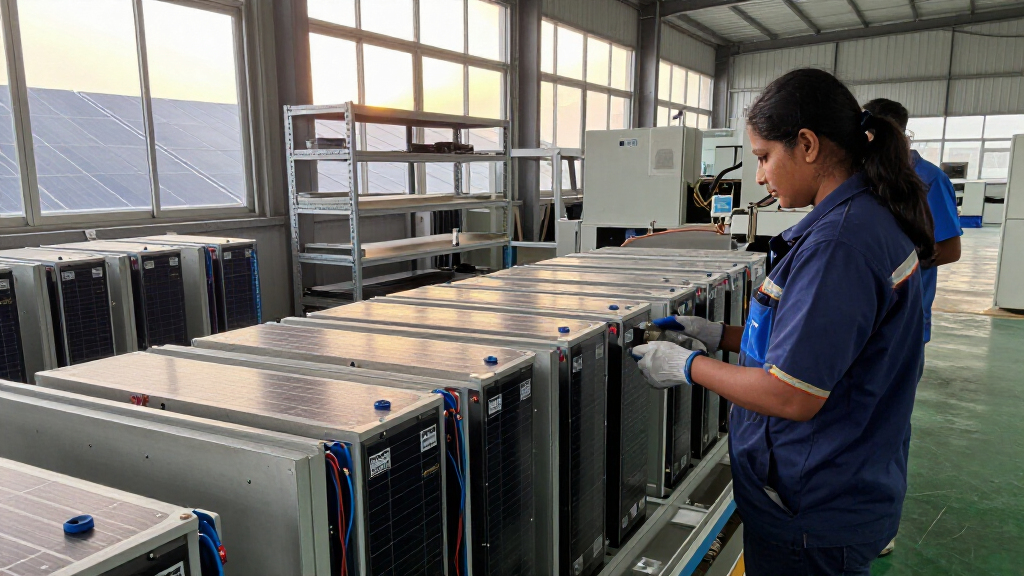
VSL PowerHive, a wholly owned Vikram Solar subsidiary, plans a 7.5 GWh-per-year battery energy storage system assembly plant in Oragadam, Tamil Nadu. The company expects commercial operations to start in April 2027 and says it plans a separate 7.5 GWh cell manufacturing program from 2028; both projects remain future plans.
VSL PowerHive, a wholly owned subsidiary of Vikram Solar, plans to build a 7.5 GWh-per-year battery energy storage system (BESS) assembly plant in Oragadam, near Chennai, with commercial operations targeted for April 2027. The proposed facility would add domestic capacity to assemble batteries for utility-scale and commercial and industrial projects as India seeks to pair more renewable generation with storage.
The company says the plant will cover about 165,000 square feet and is designed for phased expansion to 15 GWh of annual assembly capacity. An inauguration is planned for January 2027, ahead of the expected start of commercial operations three months later. These are company targets; the source report does not say construction is complete or that production has begun.
PowerHive plans to assemble lithium iron phosphate (LFP)-based systems for utility-scale and commercial and industrial applications. The proposed portfolio includes liquid-cooled BESS containers rated at 5.016 MWh and 6.25 MWh, P261 battery cabinets, utility-scale storage systems and products designed to integrate storage with renewable energy. The company says the products will be made in India under the Make in India initiative.
The assembly project is one part of a broader plan. PowerHive says it is planning a separate 7.5 GWh cell manufacturing program from 2028 and is aiming for 30 GWh of total battery manufacturing capacity by 2030. The report describes those figures as company plans, not installed or operating capacity. PowerHive also says it is developing domestic battery technologies and has initiated multiple patent filings, but details of the filings were not provided.
A Domestic Storage Supply Chain
The proposed plant would extend Vikram Solar’s activity from solar power generation equipment into battery storage manufacturing. If built and operated as planned, its assembly capacity could give utilities, renewable energy developers and industrial customers another domestic source of storage systems. The planned later move into cell production would take the company further upstream, although that phase is not expected to start until 2028.
Storage can help shift electricity generated by solar and wind to periods when output is lower or demand is higher. That role is relevant as power systems add variable renewable generation, but the announcement does not specify projects, customer commitments, orders or expected storage deployments from the new facility. The announced capacity is a manufacturing target, not a measure of energy storage already available to the grid.
The distinction between assembly and cell manufacturing also matters. The first phase is focused on assembling systems, while the proposed cell program would represent a separate step toward a more integrated manufacturing chain. The extent to which the plant will rely on imported cells or other components during its initial phase has not been disclosed.
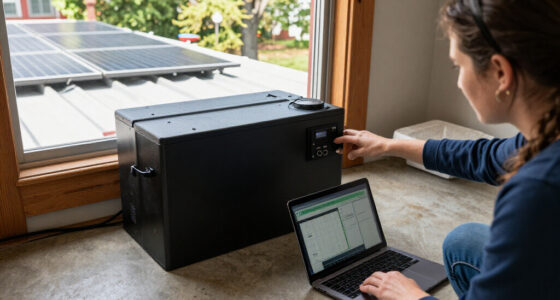
Lithium Iron Phosphate (LFP) battery storage system
As an affiliate, we earn on qualifying purchases.
As an affiliate, we earn on qualifying purchases.
From Solar Into Battery Manufacturing
The announcement, reported by Energy Storage on October 19, 2026, places the project in Oragadam, Tamil Nadu, an industrial area near Chennai. Vikram Solar is the parent company; VSL PowerHive is the subsidiary associated with the battery storage plans. The reported timeline calls for inauguration in January 2027 and commercial operations in April 2027.
PowerHive’s stated ambition is to build an integrated battery manufacturing ecosystem in India, progressing from system assembly to cells. Its stated 2030 goal is 30 GWh of total battery manufacturing capacity. The source report does not provide a breakdown of how much of that target would come from this plant, the planned cell program or any other facilities.
Company executives framed the project as a response to India’s need to store renewable electricity. Vikram Solar Chairman and Managing Director Gyanesh Chaudhary said storage is a bridge between renewable energy ambitions and round-the-clock clean power, adding that the plant extends the company’s role from generating power to storing it. VSL PowerHive CEO Arun Mittal said the company intends to start with 7.5 GWh of assembly before progressing toward cells and an integrated ecosystem. Those remarks describe the company’s rationale and ambitions, not independent confirmation of future output.
““Our aim is to give utilities, developers and industries a future-ready, domestically built storage partner for the decades ahead.””
— Arun Mittal, CEO of VSL PowerHive
utility-scale battery energy storage system
As an affiliate, we earn on qualifying purchases.
As an affiliate, we earn on qualifying purchases.
Buildout, Inputs and Customers
The reported announcement does not specify the project’s investment cost, financing, construction schedule, suppliers or customer agreements. It also does not establish whether the planned January 2027 inauguration and April 2027 commercial start will be met. The facility’s actual output, utilization and expansion timing will depend on progress that has not yet been reported.
Details of the planned cell manufacturing program are also limited. PowerHive has not disclosed where that facility would be located, when construction would begin, or how the 7.5 GWh program would contribute to the 30 GWh target. The company’s references to patent filings and indigenous technology are not accompanied by filing numbers or technical details in the source report.
As an affiliate, we earn on qualifying purchases.
January Opening Target and Beyond
The next stated milestone is the planned January 2027 inauguration of the Oragadam facility, followed by a targeted start to commercial operations in April. Updates on construction, equipment installation, staffing and customer supply would help show whether those dates remain on track. The company has not provided a schedule for reaching the proposed 15 GWh assembly capacity.
PowerHive also says it plans to begin its separate 7.5 GWh cell program in 2028. Further information on the site, investment, production timeline and sourcing strategy will be needed to assess how that plan connects to the assembly plant and the company’s 30 GWh goal for 2030. Until those details and operating results emerge, the announced capacities should be treated as planned rather than realized.
industrial battery storage containers
As an affiliate, we earn on qualifying purchases.
As an affiliate, we earn on qualifying purchases.
Key Questions
Where will the BESS assembly plant be built?
VSL PowerHive says the plant will be in Oragadam, near Chennai, Tamil Nadu. It is planned to cover about 165,000 square feet.
When is the plant expected to start operating?
The company plans an inauguration in January 2027 and expects commercial operations to begin in April 2027. These are target dates, not confirmation that the facility is already operating.
What products does PowerHive plan to assemble?
The proposed range includes LFP-based storage systems, 5.016 MWh and 6.25 MWh liquid-cooled containers, P261 battery cabinets and systems for utility-scale, commercial and industrial uses.
Is the plant also planned to manufacture battery cells?
The announced first phase is for system assembly. PowerHive separately plans a 7.5 GWh cell manufacturing program from 2028, but has not provided further details on its location or schedule.
What does the 30 GWh target refer to?
PowerHive says it aims for 30 GWh of total battery manufacturing capacity by 2030. The source report does not give a facility-by-facility breakdown or say that this capacity is already installed.
Source: rss
Halloween Picks
halloween
As an affiliate, we earn on qualifying purchases.