Backfeeding happens when electricity flows backward from a generator into utility lines, creating serious safety risks like electric shock, fires, and harming utility workers. Many myths suggest it’s always safe or easy, but that’s false—proper setup with a transfer switch is essential. Connecting incorrectly can violate safety rules and cause damage. To stay safe, follow official guidelines, use proper equipment, and understand these dangers. Keep exploring to learn how to protect yourself and others effectively.

Get backup power and energy gear delivered free with Prime
- Fast, free delivery on millions of items
- Prime Video, Amazon Music and more included
- Member-only deals all year
Key Takeaways
- Backfeeding occurs when electricity flows back into utility lines, risking shock and injury without proper safety measures.
- Using a transfer switch is essential to prevent dangerous reverse current and ensure safe generator operation.
- Myths that backfeeding is always safe are false; improper connections can cause fires and harm utility workers.
- Always follow manufacturer instructions and electrical codes when setting up generators to avoid backfeeding risks.
- Regularly inspect equipment, use outdoor-rated cords, and educate on safety practices to prevent accidents and ensure safe backfeeding.
As an affiliate, we earn on qualifying purchases.
Understanding What Backfeeding Is and How It Works

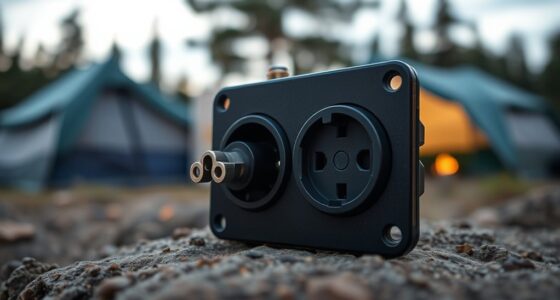
Backfeeding occurs when electricity flows in the reverse direction from a power source into the utility lines, often unintentionally. This can happen if a generator is connected improperly during a power outage. When you use a generator, ensuring generator safety is vital; mishandling it can send electricity back into the grid, endangering utility workers and damaging equipment. The power source, in this case, the generator, supplies electricity directly to your home circuits through a transfer switch. This switch prevents backfeeding by isolating your home from the utility line while the generator is in use. Understanding how backfeeding works helps you avoid dangerous situations, protecting both your household and utility workers. Proper setup and awareness of your power source are essential components of safe generator operation. Additionally, using proper transfer switches can further reduce the risk of backfeeding and ensure a safe power supply during outages.
As an affiliate, we earn on qualifying purchases.
Common Myths and Misconceptions About Backfeeding

Many people believe that backfeeding is a straightforward process or that it’s always safe to connect a generator directly to household outlets. This is a common misconception. In reality, the utility company strongly advises against this practice because it can send power back into the grid, risking electric shock or injury. Furthermore, connecting a generator improperly can violate electrical code, which is designed to ensure safety and prevent fires or damage. Some think that using a transfer switch isn’t necessary, but it’s essential for safe backfeeding. Misunderstanding these facts can lead to dangerous situations. Always remember that any backfeeding attempt should comply with electrical code and utility company guidelines. Additionally, the importance of understanding home security systems and their proper installation underscores the need for adhering to safety standards. Safety should always come first—never take shortcuts with electricity.
As an affiliate, we earn on qualifying purchases.
Essential Safety Practices and What Truly Matters

To guarantee your safety when dealing with generators and electrical systems, it’s essential to follow essential safety practices that truly matter. Always read and follow the manufacturer’s instructions for your portable generator, paying close attention to grounding and proper setup. Never connect a generator directly to your home’s electrical system without a transfer switch, as this can cause dangerous backfeed. Use heavy-duty, outdoor-rated extension cords and ensure they’re in good condition. Regularly inspect your equipment for damage. Prioritize electrical safety by turning off all appliances and disconnecting power sources before maintenance. Keep a safe distance from the generator while it’s running, and never operate it indoors or in enclosed spaces. These practices protect you from electrical hazards and ensure safe, reliable operation. Additionally, understanding backfeeding dangers and how to prevent them is crucial for safeguarding your home and loved ones.
As an affiliate, we earn on qualifying purchases.
Frequently Asked Questions
Can Backfeeding Cause Permanent Damage to Your Home’s Electrical System?
Backfeeding can cause permanent damage to your home’s electrical system if not done correctly, risking electrical faults and equipment damage. To guarantee home electrical safety, always check generator compatibility and use proper transfer switches. Improper backfeeding can overload circuits or harm appliances, so never connect a generator directly to an outlet without safeguards. Proper setup and adherence to safety guidelines protect your home and prevent costly repairs.
Are There Specific Tools Recommended for Safe Backfeeding Procedures?
For safe backfeeding, you should use specialized electrical tools like a heavy-duty extension cord, a transfer switch, and insulated gloves. Generator safety is vital, so make sure you have a properly rated transfer switch installed by a professional. Avoid makeshift solutions and never use damaged or inappropriate tools. These precautions help prevent electrical shocks, fire hazards, and damage to your home’s electrical system. Always follow manufacturer instructions and local electrical codes for safe backfeeding practices.
How Do Different Types of Generators Impact Backfeeding Risks?
You might think all generators pose the same backfeeding risks, but that’s not true. Generator compatibility is key—portable models often require specific power transfer switches to prevent backflow, while standby generators are usually built with safer transfer mechanisms. Using incompatible generators without proper safety measures increases risk. Always guarantee your generator matches your setup and use approved power transfer switches to minimize backfeeding dangers.
What Legal Restrictions Exist Regarding Backfeeding in Residential Areas?
You must follow legal restrictions on backfeeding in residential areas, which often include strict legal compliance and inspection requirements. Local codes typically prohibit backfeeding without proper permits and safety measures. You should check with your local utility and building authority before attempting any backfeeding setup, as failure to comply can result in fines or dangerous situations. Always make certain your system passes inspections and adheres to all safety standards.
Can Backfeeding Be Safely Performed Without Professional Assistance?
You should avoid DIY backfeeding for emergency power, as it can be dangerous without professional help. Properly performing backfeeding requires specific knowledge, tools, and adherence to safety protocols to prevent electrical shock or fire hazards. Even if you’re experienced, it’s best to consult a licensed electrician. This guarantees your setup is safe, code-compliant, and reliable, minimizing risks during an emergency power situation.
Conclusion
Now that you know the truth about backfeeding, you’re better equipped to stay safe and avoid dangerous mistakes. Remember, a single wrong move can turn your home into a hazard zone faster than you can say “electrical fire.” By understanding what’s real and what’s just myths, you’re taking control and protecting yourself and your loved ones. Stay cautious, follow safety guidelines, and don’t let misinformation turn your home into a risky battleground.
Halloween Picks
halloween
As an affiliate, we earn on qualifying purchases.