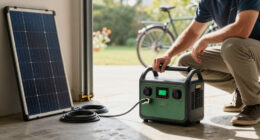
To safely use a grounding rod with your portable generator, you should do so when operating in outdoor areas, especially if the generator isn’t grounded internally or for long-term or high-power use. Drive a copper or steel grounding rod into moist soil, then connect it securely to the generator’s grounding terminal with a copper wire. Proper grounding helps prevent shocks and electrical faults. Continue exploring to learn step-by-step instructions and safety tips for effective grounding.

Get backup power and energy gear delivered free — and shop member deals
- Fast, free delivery on millions of items
- Access to Prime Big Deal Days deals on October 6–7
- Prime Video, Amazon Music and more included
Key Takeaways
- Ground the generator when operating outdoors or in high-power, long-term applications without a built-in grounding system.
- Use a copper or steel grounding rod driven into moist, stable soil for optimal conductivity.
- Connect the generator’s grounding terminal to the rod securely with an appropriate gauge copper wire.
- Turn off and unplug the generator before attaching the grounding wire, following manufacturer instructions.
- Confirm proper grounding setup before starting the generator to ensure safety and electrical fault dissipation.

Have you ever wondered why grounding your portable generator is essential for safety? Proper grounding helps prevent electrical shocks, protects your equipment, and reduces the risk of fire. It’s a critical safety precaution you shouldn’t overlook, especially when operating your generator in outdoor or remote locations where grounding practices can vary. Understanding the right grounding methods ensures you stay safe and avoid damaging your equipment or causing harm to others nearby.
The first step in safe grounding is knowing when it’s necessary. For most portable generators, especially those not built with a grounding system, you’ll need to connect a grounding rod if you’re using the generator for long-term or high-power applications. Grounding rods are typically made of copper or steel and are driven into the earth. When you connect your generator’s grounding terminal to this rod with a grounding wire, you establish a direct path to the earth, helping to dissipate electrical faults safely.
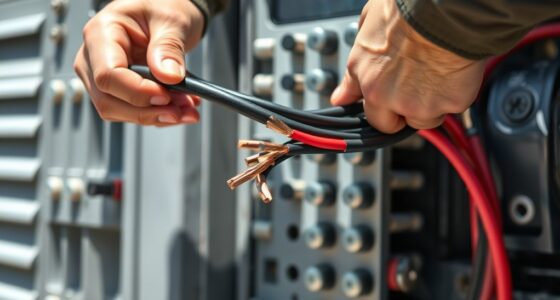
When considering grounding methods, it’s vital to follow safety precautions and manufacturer instructions. Many portable generators come with a grounding terminal or lug specifically designed for this purpose. Before attaching a grounding wire, ensure your generator is turned off and unplugged. Attach one end of a grounding wire—ideally a copper wire of appropriate gauge—to the generator’s grounding terminal. The other end should be securely connected to the grounding rod driven into moist, stable soil. Moist soil has better conductivity, which enhances the effectiveness of grounding. Avoid grounding in sandy or dry soil because it offers less conductivity, reducing the protective benefits.
Always check local electrical codes and regulations before grounding your generator. Some areas may have specific requirements or restrictions, and adhering to these ensures your safety and compliance. When in doubt, consult with a qualified electrician or professional to confirm your grounding setup. Proper grounding isn’t just about connecting wires; it’s about creating a safe environment where electrical faults are safely diverted into the ground, preventing shocks and equipment damage. Additionally, understanding grounding practices can improve your overall safety awareness and help you make informed decisions during setup.
grounding rod for portable generator
As an affiliate, we earn on qualifying purchases.
As an affiliate, we earn on qualifying purchases.
Frequently Asked Questions
Can I Use a Grounding Rod With All Portable Generators?
You can’t use a grounding rod with all portable generators. For grounding safety, check your generator’s manual to see if grounding is necessary. If it’s required, proper ground rod installation involves driving a copper or grounding rod into moist soil and connecting it securely to the generator’s grounding terminal. Not all generators need this, so always verify whether grounding is recommended or required for your specific model.
Is Grounding Necessary for Inverter-Type Portable Generators?
Imagine sparks flying as you power up your inverter generator—grounding safety becomes essential. Inverter-type portable generators generally don’t require electrical grounding because they have built-in safety features. However, if you’re operating in a damp or complex environment, grounding can enhance safety. Always follow manufacturer instructions and local codes to guarantee proper grounding safety, preventing electrical hazards and protecting both you and your equipment during use.
How Do I Choose the Right Size Grounding Rod?
To choose the right size grounding rod, you should select a copper or steel rod that’s at least 8 feet long and ½ inch in diameter, guaranteeing proper grounding techniques. This size provides a solid electrical connection and minimizes resistance. Always drive the rod deep into moist soil for effective grounding, and verify your local codes to ensure compliance. Proper grounding protects your equipment and enhances safety during generator use.
What Are the Risks of Not Grounding My Generator?
Skipping grounding your generator is like sailing without a life jacket—you risk electrical safety hazards that could shock you or damage your appliances. Without proper grounding, misconceptions may lead you to underestimate the danger, but an ungrounded generator can cause electrical faults or fires. Always ground correctly to protect yourself and your property, ensuring safe operation and peace of mind during power outages.
Can I Ground My Generator Indoors Safely?
You shouldn’t ground your generator indoors because it’s unsafe and can cause electrical hazards. Indoor safety is compromised, and grounding myths can lead you to believe it’s okay, but it’s not. Always use grounding rods outdoors in a dry, open area and follow the manufacturer’s instructions. Grounding properly guarantees safe operation and minimizes risk, so avoid attempting to ground your generator inside your home.
copper grounding wire for generator
As an affiliate, we earn on qualifying purchases.
As an affiliate, we earn on qualifying purchases.
Conclusion
Think of grounding your portable generator like planting a sturdy anchor in a stormy sea. Just as an anchor keeps a boat steady amid waves, grounding provides a safe path for stray electricity to reach the earth, protecting you and your equipment. When you understand when and how to use grounding rods, you’re like a skilled sailor steering safely through electrical storms. Stay grounded, stay safe—your peace of mind depends on it.
portable generator grounding kit
As an affiliate, we earn on qualifying purchases.
As an affiliate, we earn on qualifying purchases.
As an affiliate, we earn on qualifying purchases.
Fall Picks
fall essentials
As an affiliate, we earn on qualifying purchases.