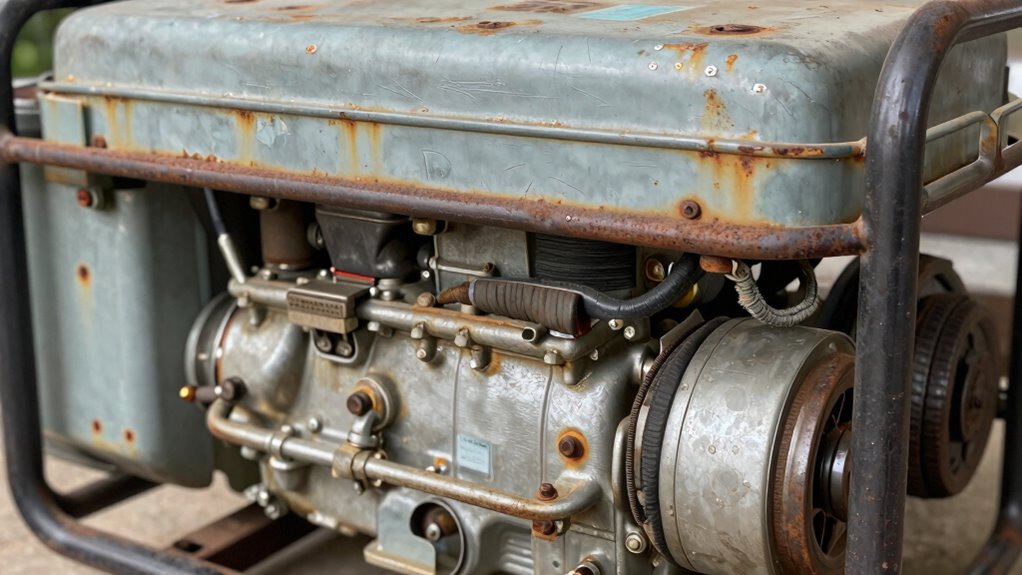
You can tell your generator is aging gracefully if it runs smoothly with minimal unusual noises or vibrations, and if it responds well to routine maintenance like oil changes and filter checks. Keep an eye on fuel efficiency and performance, noting any increases in fuel use or struggles to start. Regular inspections help catch early signs of wear before issues worsen. If you want tips on keeping your generator in top shape, stay tuned.
Key Takeaways
- Regularly inspect for worn or damaged components indicating aging or impending failure.
- Monitor for increased noise, vibrations, or difficulty starting, which signal aging effects.
- Track fuel efficiency; declining performance suggests internal wear or system strain.
- Follow a consistent maintenance schedule, including oil changes and filter checks.
- Conduct routine performance tests to detect early signs of decline or abnormal operation.

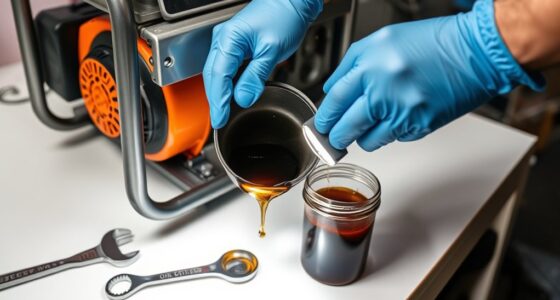
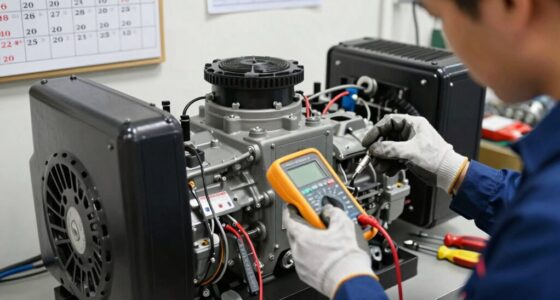
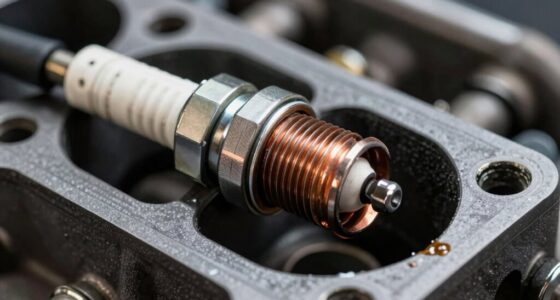
As your generator ages, it’s important to recognize the signs that indicate it’s still running smoothly—or if it’s nearing the end of its lifespan. One of the most reliable ways to gauge its condition is by paying attention to its maintenance habits. Regular upkeep, like changing the oil, replacing filters, and inspecting spark plugs, keeps the engine running efficiently and helps prevent unexpected breakdowns. If you notice that you’ve been neglecting these routine tasks, it might be a sign that your generator is losing its edge. Proper maintenance ensures your generator maintains peak performance and prolongs its lifespan, so sticking to a maintenance schedule is key. Additionally, monitoring filter sizing/flow can help identify if your system is operating optimally or if it needs adjustments to prevent strain on the generator. Regularly inspecting internal components can help catch early signs of wear that might otherwise go unnoticed. Fuel efficiency is another critical indicator. Over time, you might observe that your generator is consuming more fuel than it used to, even when running the same loads. A decline in fuel efficiency could signal internal wear or clogged components affecting combustion. This means your generator has to work harder to produce the same power, which accelerates wear and decreases overall lifespan. If you’re noticing increased fuel consumption, it’s worth getting a professional inspection to identify potential issues before they cause a complete failure. Keeping the fuel system clean and using the right fuel type also helps sustain efficiency and extend your generator’s service life. Routine inspections can help catch these issues early and ensure your generator remains in top condition. Listening for changes in sound and performance can provide early clues about aging. If your generator suddenly runs louder, vibrates more, or struggles to start, these are signs that parts may be worn or damaged. These issues often stem from aging components that need repair or replacement. Regularly testing your generator, especially before storms or outages, ensures it’s ready when you need it most. If you notice any unusual noises or performance dips, addressing them promptly can prevent minor problems from escalating into major, costly repairs. Being aware of performance decline can help you catch issues early and maintain your generator’s reliability. Recognizing wear patterns and understanding their implications can further assist in planning timely maintenance or replacements.

Generac 0J93230SSM 20Kw-22Kw SM 999 Maintenance Kit (Synthetic Oil)
- Genuine OEM Generac parts: Includes authentic Generac components
- Compatible with specific engine models: Fits designated Generac engines
- Synthetic oil included: Contains high-quality synthetic oil
As an affiliate, we earn on qualifying purchases.
As an affiliate, we earn on qualifying purchases.
Frequently Asked Questions
Can a Generator’s Color Change Indicate Aging?
Yes, a generator’s color change can indicate aging, especially if you notice fading or discoloration. This aesthetic aging is normal over time due to exposure to sunlight, moisture, and air. When the paint or surface starts to peel or looks dull, it signals that the generator is getting older. Keep an eye on these color shifts, as they often reflect underlying wear and tear that may require maintenance or replacement.
How Does Noise Level Relate to Generator Age?
As your generator ages, you’ll notice changes in noise level, often becoming louder or more inconsistent. Vibration patterns may also become irregular, signaling wear. Additionally, fuel efficiency tends to decline, causing it to consume more fuel for the same output. Keep an ear out for increased noise, uneven vibrations, and rising fuel costs, as these signs indicate your generator’s age and the need for maintenance or replacement.
Is It Normal for a Generator to Emit Unusual Smells?
It’s not normal for your generator to emit unusual smells. If you notice a burning or fuel-like odor, it could indicate fuel efficiency issues or coolant leaks, which might signal aging or malfunction. These smells can also be caused by overheated components or oil leaks. Address these signs promptly to prevent further damage, and consider having a professional inspect your generator to guarantee everything’s functioning safely and efficiently.
How Often Should I Perform Maintenance on My Aging Generator?
You should perform maintenance on your aging generator every 50 to 100 hours of operation or at least once a year, whichever comes first. Follow a consistent maintenance schedule, focusing on oil changes, filter replacements, and inspecting for aging indicators like corrosion or worn parts. Regular checkups help you catch issues early, ensuring your generator runs smoothly and prolongs its lifespan as it ages gracefully.
Can I Upgrade Parts to Extend My Generator’s Lifespan?
Think of your generator as a trusty steed—upgrading parts can breathe new life into it. Yes, you can upgrade components to boost fuel efficiency and extend its lifespan, but make certain the replacements are compatible. Carefully select high-quality parts, and consult your manual or a professional to maintain harmony within the system. This way, you keep your generator running smoothly, like a well-oiled machine ready for any storm.
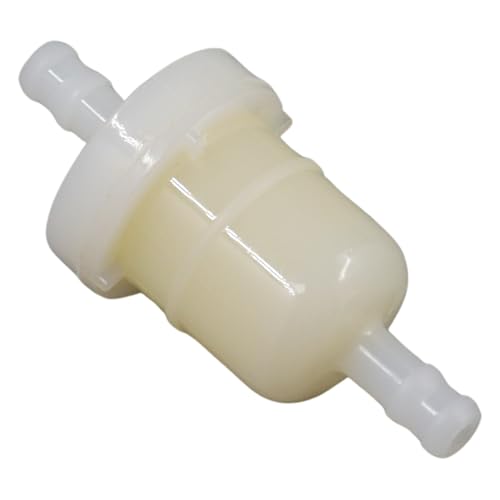
Fuel Filter 0G9914 for Generac GP5500 GP6500 GP6500E GP7500E Generator
- Part Number: 0G9914
- Compatibility: Generac GP5500, GP6500, GP6500E, GP7500E
- Package Content: Includes 1 Fuel Filter
As an affiliate, we earn on qualifying purchases.
As an affiliate, we earn on qualifying purchases.
Conclusion
In the end, keeping an eye on your generator’s performance and routine maintenance helps it age like a fine wine, rather than a forgotten relic. If you notice any quirks or declining efficiency, don’t hesitate—think of it as the modern-day equivalent of a trusty steed needing some TLC. Remember, a well-cared-for generator can serve you faithfully for many years, proving that even in this digital Age, good old-fashioned upkeep still reigns supreme.

Audiopipe Tone Generator & Speaker Polarity Tester AP-PHATON-G
- Precise Tone and Polarity Testing: Quick and accurate RCA and speaker tests
- Auto-Shutoff Function: 5-minute automatic power off to save battery
- Compact and Portable Design: Lightweight, palm-sized for easy transport
As an affiliate, we earn on qualifying purchases.
As an affiliate, we earn on qualifying purchases.

Pure Resonance Audio SMG1 Sound Masking Generator – Adjustable White, Brown & Pink Noise for Speech Privacy & Productivity, Commercial-Grade, Mounting Bracket Included
- Privacy Protection: Masks speech and background noise
- Enhanced Productivity: Creates focused acoustic environment
- Customizable Sound: Adjusts white, brown, or pink noise
As an affiliate, we earn on qualifying purchases.
As an affiliate, we earn on qualifying purchases.