To keep your fuel supply reliable for emergencies, you should regularly rotate and test your stored fuel. Use the oldest fuel first, and add fresh fuel to containers filled to the top to reduce oxidation. Store fuel in cool, dry places, and label containers with purchase dates. Always monitor for signs of deterioration, like bad odors or cloudiness. Proper storage and maintenance guarantee your fuel stays effective when you need it most — learn how to optimize your process.
Key Takeaways
- Use FIFO (First In, First Out) to ensure older fuel is used before newer supplies.
- Regularly test stored fuel for quality, color, odor, and contamination.
- Rotate fuel by consuming old stock and replenishing with fresh supplies.
- Store fuel in cool, dry, shaded areas in approved containers to prevent spoilage.
- Label containers with purchase dates to track fuel age and plan timely replacements.
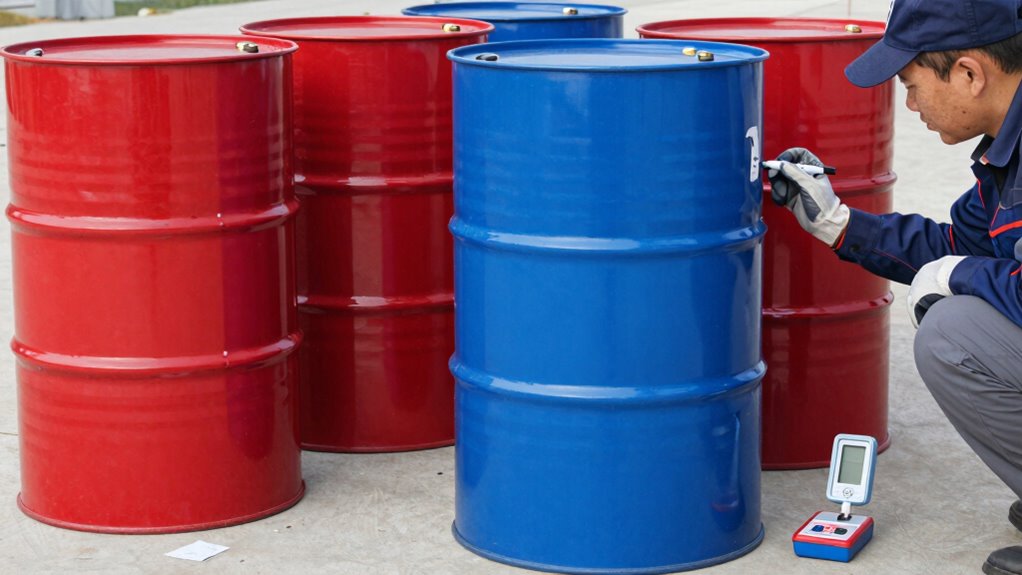
Having a reliable supply of fuel is essential for preparedness, especially in emergencies or disruptions. Proper fuel rotation ensures that your stored fuel remains usable when you need it most. One key aspect is emergency storage—storing enough fuel safely while preventing spoilage. When you plan your emergency storage, focus on selecting high-quality fuel and storing it in approved containers. It’s important to keep your stored fuel in a cool, dry place away from direct sunlight, as heat and moisture accelerate degradation. Additionally, labeling your containers with purchase dates helps you keep track of their age, making it easier to rotate your supply regularly.
Fuel testing plays a pivotal role in maintaining the integrity of your stored fuel. Periodic testing allows you to determine if the fuel remains suitable for use or if it has degraded over time. You can perform simple tests at home, such as checking for changes in color, smell, or viscosity. If the fuel appears cloudy or has a strange odor, it’s a sign that it’s time to replace it. More advanced testing, like using fuel test kits, can give you a clearer picture of the fuel’s quality, including its octane level and water content. Regular testing helps you avoid the risk of using contaminated fuel that could damage engines or reduce performance.
Rotating your fuel supply is crucial for maintaining a fresh and reliable stock. This means using the oldest fuel first and replacing it with new supplies, a practice known as FIFO—First In, First Out. By doing so, you prevent your stored fuel from sitting unused for too long, which minimizes the chances of it becoming unusable. When you add new fuel to your storage, make sure to fill containers to the top to reduce air space, which can lead to oxidation and spoilage. Also, always purchase fuel from reputable sources to guarantee quality and freshness. Understanding the properties of fuel can further help you optimize storage conditions and extend shelf life.
Incorporating routine fuel testing into your rotation plan is key to assuring your stored fuel remains viable. Keep an eye on local weather conditions, as extreme temperatures can affect fuel stability too. If you notice any signs of deterioration or if your testing indicates compromised quality, don’t hesitate to replace your stock. Your preparedness depends on the reliability of your fuel supplies, so consistent maintenance, testing, and rotation are indispensable. For optimal preservation, it’s beneficial to understand how fuel properties influence storage and longevity. It’s also helpful to familiarize yourself with storage best practices to further protect your fuel. Regularly refreshing your knowledge on fuel stability factors can help you make better decisions about storage and rotation. When done correctly, your emergency fuel reserves will be ready to support you when you need them most, giving you peace of mind in uncertain times.
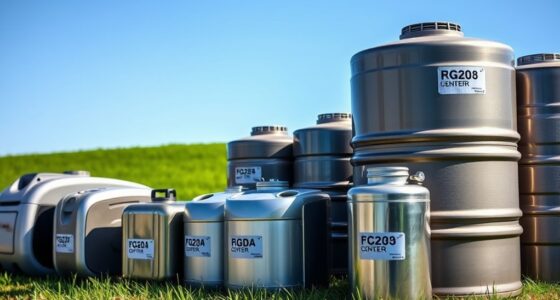
fuel storage containers with date labels
As an affiliate, we earn on qualifying purchases.
As an affiliate, we earn on qualifying purchases.
Frequently Asked Questions
How Often Should I Rotate My Stored Fuel?
You should rotate your stored fuel every 6 to 12 months to guarantee freshness and maintain storage safety. During this process, use fuel stabilization additives to prevent degradation, which helps keep it safe for use. Regular rotation reduces the risk of stale fuel and contaminants, ensuring your supply remains reliable when needed. Staying consistent with this schedule keeps your fuel fresh, safe, and ready for emergency or backup use.
What Type of Fuel Is Best for Rotation?
You’ll want to choose high-quality gasoline with fuel additives that help prevent degradation over time. Opt for fresh fuel that complies with storage regulations, ensuring it stays reliable when needed. Using stabilized fuels or those labeled for long-term storage can make rotation easier. Always check the expiration date and avoid mixing old and new fuel to keep your supply ready and effective in an emergency.
How Do I Prevent Fuel From Going Bad During Storage?
To prevent fuel from going bad during storage, you should add fuel additives like stabilizers to keep it fresh. Store your fuel in a cool, consistent temperature environment, as extreme heat or cold can degrade it faster. Regularly check your stored fuel, and use it within recommended time frames. Proper sealing and avoiding exposure to moisture also help maintain fuel quality, ensuring it’s ready when you need it.
Can I Mix Different Fuel Types in Storage?
Mixing different fuel types in storage isn’t recommended because it can cause chemical reactions that reduce fuel quality. Did you know that improper mixing can lead to engine damage or fuel failure? To keep your fuel fresh, use fuel additives and store at a consistent temperature, ideally in a cool, dark place. Mixing fuels may seem convenient, but it can compromise your supply’s reliability when you need it most.
What Storage Containers Are Safest for Fuel Rotation?
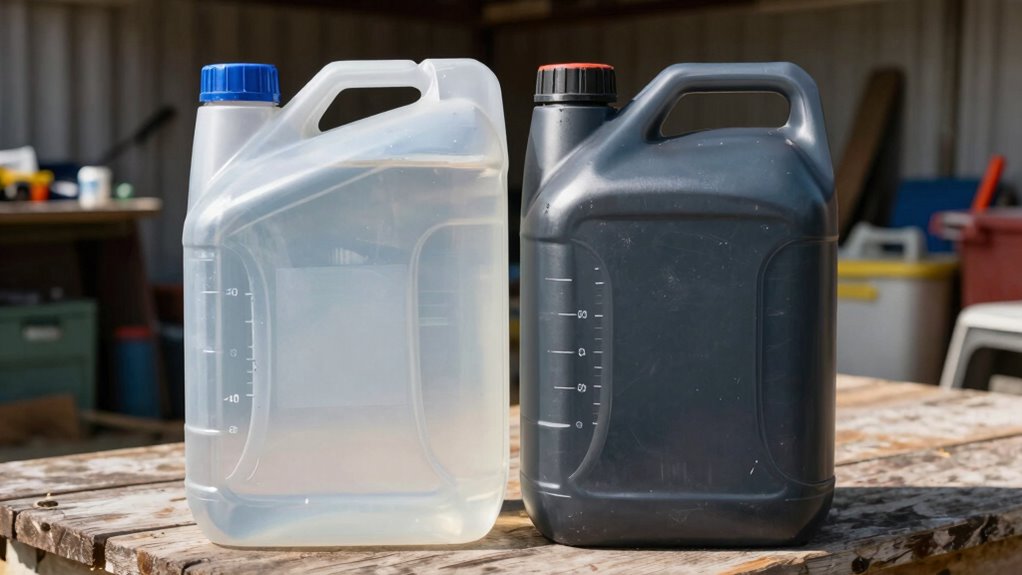
You should store fuel in containers made of approved materials like high-density polyethylene or metal, which resist corrosion and leaks. Always use containers labeled for fuel storage, and add fuel stabilizers to extend shelf life. Keep them in a cool, dry, well-ventilated area away from heat sources. Regularly inspect your containers for leaks or damage, and rotate your fuel to guarantee freshness and safety during emergencies.
As an affiliate, we earn on qualifying purchases.
Conclusion
Remember, a well-maintained fuel supply keeps you prepared when it matters most. Regularly rotating your fuel guarantees it stays fresh and ready for use in emergencies. Don’t wait until the last minute—”a stitch in time saves nine.” By staying proactive and consistent, you protect yourself and your loved ones. Keep your fuel fresh, your mind sharp, and your preparedness strong. It’s better to be safe than sorry when every second counts.
As an affiliate, we earn on qualifying purchases.
fuel stabilizer for long-term storage
As an affiliate, we earn on qualifying purchases.
As an affiliate, we earn on qualifying purchases.