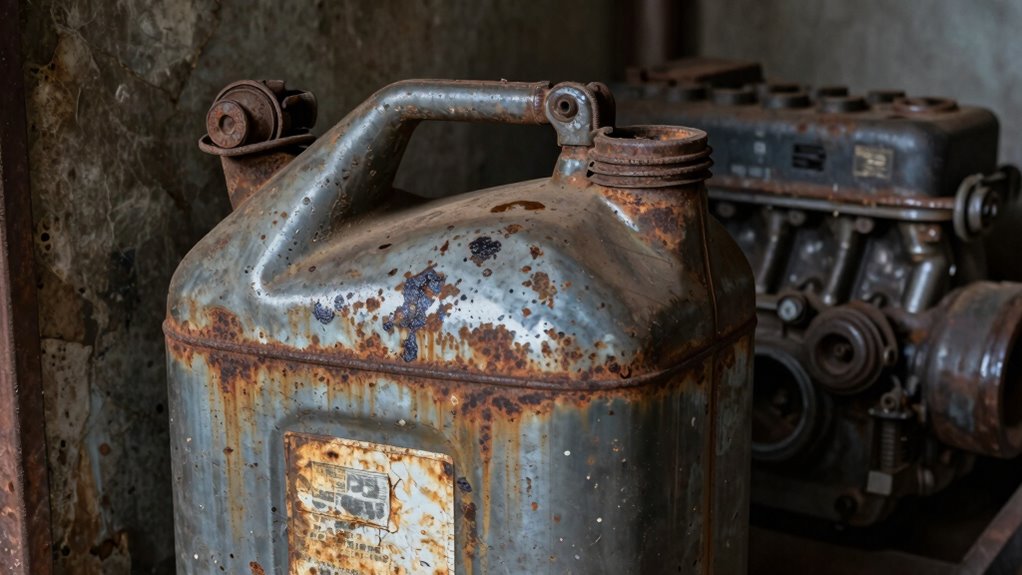

Even if your engine starts and runs smoothly, old fuel can still cause problems. Over time, fuel breaks down into gums, varnishes, and sediments, which can clog filters and fuel lines. Exposure to air, heat, and improper storage speeds up this deterioration. Using aged fuel may lead to rough idling, reduced power, or long-term engine damage. Staying aware of fuel stability helps prevent issues, and you’ll discover more ways to protect your engine as you continue.

Get backup power and energy gear delivered free — and shop member deals
- Fast, free delivery on millions of items
- Access to Prime Big Deal Days deals on October 6–7
- Prime Video, Amazon Music and more included
Key Takeaways
- Old fuel can form gums and varnishes that clog fuel lines and filters.
- Degraded fuel may cause engine roughness and difficulty starting.
- Contaminants from aged fuel can lead to long-term engine damage.
- Fuel stability diminishes over time, reducing engine efficiency even if it runs.
- Proper storage and stabilizers prevent deterioration, maintaining engine health.
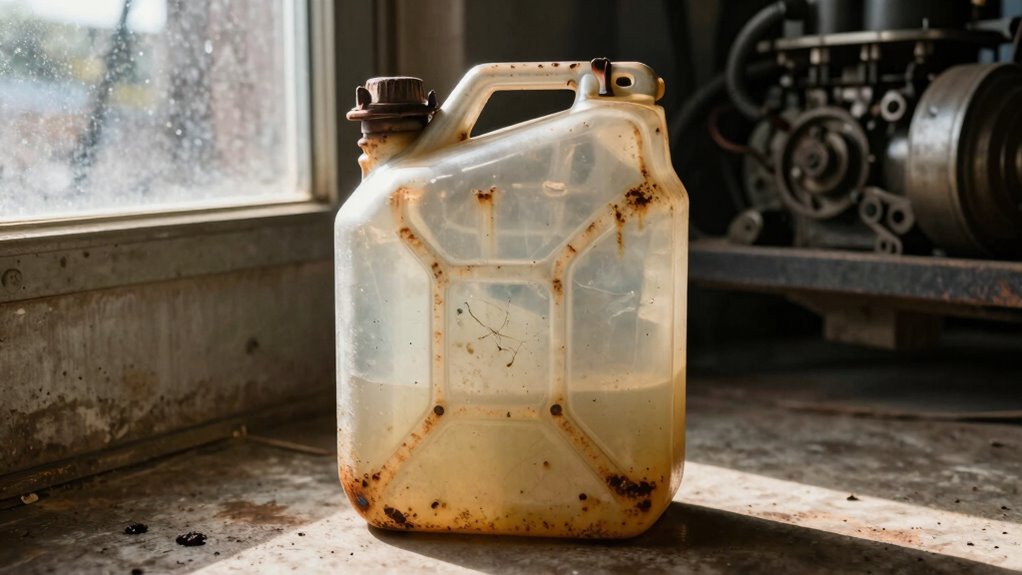
Fuel doesn’t last forever, and over time, its quality diminishes even if it appears fine at first glance. The key factor here is fuel stability — how well the fuel retains its original properties during storage. When fuel’s stability drops, it can lead to issues such as poor engine performance, clogged filters, or even engine damage. That’s why understanding the importance of storage conditions is vital for anyone who wants their vehicle or equipment to run reliably, regardless of how often they use it.
The moment fuel sits unused for an extended period, it begins to break down. Exposure to air, heat, or moisture accelerates this process. Poor storage conditions—like leaving fuel in unsealed containers or in places with fluctuating temperatures—can speed up the degradation. When fuel degrades, it forms gums, varnishes, and sediments that can clog fuel lines and filters, making your engine work harder or even stall. This is especially problematic for small engines, chainsaws, or boats that aren’t used regularly. Even if your engine starts, these contaminants can cause long-term damage if not addressed. Regularly inspecting stored fuel can help you catch signs of deterioration early, and monitoring the chemical stability of your fuel is essential in this process.
To maintain fuel stability, it’s essential to store fuel properly. Keep it in tightly sealed containers, ideally made for fuel storage, in a cool, dry place away from direct sunlight and temperature swings. Proper storage slows down the chemical changes that cause fuel to go bad. If you’re storing fuel for more than a month, consider adding a fuel stabilizer. These additives help preserve the fuel’s quality by preventing oxidation and sediment formation, giving you a longer shelf life and reducing the risk of engine problems. Using high-quality storage containers also plays a crucial role in maintaining fuel integrity over time. Additionally, selecting containers that prevent air exposure can significantly extend the fuel’s lifespan. Proper fuel storage practices are essential to prevent chemical changes that lead to degradation, especially for long-term storage.
Ignoring storage conditions and letting fuel sit too long is a gamble. Even if your engine runs now, old fuel can cause unpredictable issues down the line. You might notice reduced power, rough idling, or difficulty starting, which often stem from poor fuel quality rather than other mechanical problems. Regularly checking your stored fuel, using stabilizers, and following best storage practices can save you money and hassle in the long run. Remember, when it comes to fuel, freshness matters — so taking care of how you store it directly impacts your engine’s health and performance. Proper understanding of fuel stability can help you avoid costly repairs and extend the life of your equipment.
fuel stabilizer for small engines
As an affiliate, we earn on qualifying purchases.
As an affiliate, we earn on qualifying purchases.
Frequently Asked Questions
How Can I Tell if My Fuel Has Aged?
You can tell if your fuel has aged by checking its color, smell, and consistency. Old fuel often turns darker and develops a sour odor. If you’ve stored it for a long time, consider factors like storage temperature, as high heat accelerates degradation. Changes in fuel composition, such as phase separation or sediment formation, also indicate aging. Regularly inspecting your fuel and maintaining proper storage helps prevent issues caused by aged fuel.
Does Fuel Age Affect All Types of Engines Equally?
Think of fuel as a delicate recipe; different engines are like chefs with unique tastes. Fuel age affects all engines, but it impacts their performance differently. Gasoline’s chemical stability can break down over time, changing its composition and causing issues. A small boat engine might handle aged fuel better than a high-performance car. So, yes, fuel age influences engine types differently based on their fuel requirements and design.
Can Fuel Stabilizers Completely Prevent Issues Caused by Aging Fuel?
Fuel stabilizers can’t completely prevent issues caused by aging fuel because their effectiveness depends on fuel chemistry and storage conditions. They slow oxidation and evaporation, but can’t reverse chemical changes that have already occurred. To maximize additive effectiveness, you should store fuel properly, use stabilizers before long-term storage, and consume fuel within recommended periods. Regular maintenance and proper storage help keep your engine running smoothly despite fuel aging.
How Often Should I Replace Stored Fuel to Avoid Problems?
You should replace stored fuel every 6 to 12 months to prevent problems. Regularly add fuel additives to keep it fresh and prevent degradation. Use proper storage containers that are airtight and resistant to fuel’s chemical properties. This helps minimize moisture buildup and oxidation. By following this schedule and maintaining your storage setup, you’ll guarantee your fuel stays reliable and your engine runs smoothly when needed.
What Are the Signs of Engine Trouble Caused by Old Fuel?
You’ll notice engine trouble from old fuel through issues like rough idling, difficulty starting, or stalling. Fuel evaporation reduces fuel efficiency, while contamination risks, like dirt or water, can clog your fuel system. These problems occur because aged fuel can break down or evaporate, leading to poor combustion. If you see these signs, it’s a good idea to check your fuel and consider replacing it to keep your engine running smoothly.
As an affiliate, we earn on qualifying purchases.
Conclusion
Think of fuel like fresh fruit—just because it’s still in your kitchen doesn’t mean it’s good to eat forever. Over time, it loses its energy, risking engine hiccups or even damage. Even if your car runs smoothly now, aged fuel can silently cause trouble down the road. Keep your engine happy by using fresh fuel, much like choosing crisp fruit for a tasty snack—your engine will thank you for it.
fuel additives for engine preservation
As an affiliate, we earn on qualifying purchases.
As an affiliate, we earn on qualifying purchases.
fuel stabilizer for boats and chainsaws
As an affiliate, we earn on qualifying purchases.
As an affiliate, we earn on qualifying purchases.
Fall Picks
fall essentials
As an affiliate, we earn on qualifying purchases.