
TL;DR

Get backup power and energy gear delivered free with Prime
- Fast, free delivery on millions of items
- Prime Video, Amazon Music and more included
- Member-only deals all year
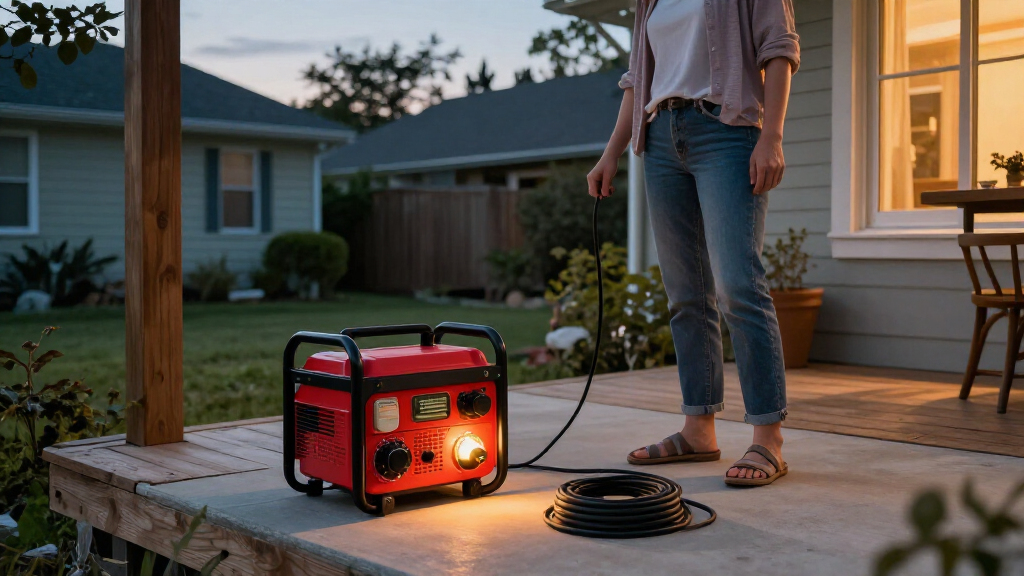
A portable inverter generator uses an engine and inverter electronics to produce controlled AC power, often with lower noise and better fuel use at light loads than conventional portable generators. Choose by adding appliance running watts and accounting for motor startup surges, then check runtime conditions, weight, noise ratings, and fuel type. Run it outdoors, away from buildings and openings, because carbon monoxide can be fatal.
A refrigerator can hum along on modest power, then demand a sharp burst of electricity when its compressor starts. That brief surge is where a generator purchase can go sideways: the box may advertise a big peak number, while the steady output falls short of what your appliances need.
Portable inverter generators can supply useful backup or campsite power in a relatively compact package. This guide explains what they are, how inverter power works, how to estimate the size you need, and what to check about fuel, noise, runtime, and safety. You’ll come away with a practical way to compare models before you buy.
Add the running watts of appliances you plan to operate together, then check the largest motor startup demand against the generator’s surge rating.
Treat runtime claims as load-specific; compare models only when their stated test conditions match.
Check noise ratings alongside their measurement distance and conditions.
Run fuel-powered generators outdoors, away from buildings and openings, and use working carbon monoxide alarms in occupied buildings.
Connect a generator to home circuits only through an approved setup such as a transfer switch installed by a licensed electrician.
What a Portable Inverter Generator Does to Make Cleaner Power
A portable inverter generator is a fuel-powered machine that converts engine output into controlled AC electricity. Its engine first produces alternating current, electronics convert that electricity to direct current, and an inverter changes it back to AC at a controlled frequency and voltage. That extra conversion step acts like a power-shaping filter, helping many models deliver steadier output than conventional portable generators. This controlled output can matter for equipment that depends on stable voltage and frequency, but it does not make every inverter model identical.
Think of it like smoothing a bumpy road before a bicycle rolls over it: the inverter regulates the output before it reaches your devices. That can suit laptops, chargers, and other electronics, but the word “inverter” alone does not promise a particular power quality. Check the manufacturer’s specifications, including total harmonic distortion (THD), and follow the device maker’s guidance. Lower distortion can be useful for sensitive electronics, while the generator’s rated capacity still determines how many devices you can operate; power quality and available watts answer different questions.
A portable inverter can mean a small unit with a carry handle or a heavier model with wheels. Most burn gasoline; some use propane, and some support both fuels. A battery power station is a different machine: it stores electricity instead of making it with an engine. For example, a camper charging a phone and running a small light may prefer a light generator, while someone running more appliances at home may need a larger, harder-to-lift unit. That size choice has practical consequences: more output can cover more loads, but often means more weight, fuel to manage, and space for storage and safe outdoor operation.
Products Worth Considering

Ring Alarm 8-Piece Kit (2nd Gen) Home Security System

Ring Alarm 14-Piece Wireless Security System Kit

Bose SoundLink Plus Portable Bluetooth Speaker, Black
As an affiliate, we earn on qualifying purchases.
Match Running Watts and Startup Surges Before You Buy
Portable inverter generators need enough rated output for the appliances you plan to run, plus enough surge capacity for motors when they start. Running watts describe ongoing demand; starting watts describe a short burst that appliances such as refrigerators, pumps, and air conditioners may need. Your total has to account for both numbers, because a large peak rating does not mean the generator can sustain that load. If the steady demand exceeds rated output, the generator can overload even if the short startup surge fits within its peak figure.
Say you want a refrigerator, a few LED lights, and a laptop during an outage. Add the devices’ running watts, then identify the largest startup demand—often the refrigerator compressor—and compare it with the generator’s rated and surge output. Leave some headroom where practical, especially if you might plug in another device later. Headroom gives you room for small changes in load and can help avoid repeatedly running at the edge of the unit’s capacity. Appliance labels and manuals can provide the figures; when they don’t, ask the manufacturer rather than guessing from the appliance’s size.
Use this quick sequence to make the comparison:
- List every appliance you expect to run at the same time.
- Add running watts for that group.
- Find the largest startup demand among appliances with motors.
- Compare both loads with the generator’s rated and surge output.
- Check your intended combination of appliances against the manual before connecting them.
For instance, a well pump might fit a generator’s steady rating but exceed its brief startup capacity. The pump could fail to start or overload the unit, so its starting requirement deserves a direct check. If two motor-driven appliances start at the same time, their surges may overlap; staggering their use can sometimes make a combination workable, but only if the steady load remains within the rated output and the manual allows it.
Compare Fuel, Runtime, Noise, and Portability Together
Choose a generator by weighing its fuel options, runtime, sound rating, and physical size against the way you’ll use it. Inverter models often vary engine speed with demand, which can lower noise and fuel consumption at light loads compared with a generator running continuously at a fixed speed. Those advantages depend on the model and load; they aren’t a promise that every unit will be quiet or sip fuel. The same load that raises fuel use may also raise engine speed and noise, so figures from light-load testing can be misleading if you expect to run several appliances.
Runtime figures only tell a useful story when you know the test conditions, including the stated load. A tank that lasts a certain number of hours at a light load may run out much sooner when you power a refrigerator and other appliances. That affects how often you must refuel and whether the advertised runtime suits an overnight or extended outage. Likewise, compare decibel ratings only when you know the measurement distance and conditions. A campsite user listening from a nearby tent will notice a different sound level from a rating measured farther away; distance, barriers, and the load on the engine all shape what you hear.
Fuel choice also involves tradeoffs. Gasoline may be easy to find during normal conditions, while propane can suit someone who already stores it properly and has it available. A dual-fuel model can give you a choice, but check its rated output on each fuel: a model may provide different capacity depending on what it burns, which can change the appliances you can run together. Weight matters too: a wheeled generator may roll across a driveway but still be difficult to lift into a vehicle. Check dimensions, handles, service intervals, parts availability, warranty terms, and local small-engine emissions rules before buying. These details affect whether the generator remains practical after purchase, especially when you need to move it, maintain it, or source fuel during an outage.
| What to compare | What to check | Why it matters |
|---|---|---|
| Runtime | Hours at the stated load | Load changes how quickly fuel runs out |
| Noise | Decibel rating and test distance | Ratings are hard to compare without conditions |
| Fuel | Output and runtime for each fuel | Dual-fuel models may have different ratings |
| Portability | Weight, dimensions, handles, and wheels | You may need to lift it into storage or a vehicle |
Use a Portable Inverter Generator Without Creating a Carbon Monoxide Hazard
A portable inverter generator burns fuel, so it produces exhaust containing carbon monoxide—a gas that can kill. Run the unit outdoors, well away from buildings and open windows or doors, and follow the manufacturer’s placement instructions. Never use it in a home, garage, or other enclosed space; an open garage door does not make the garage safe.
Set the generator on a dry surface and protect it from rain as its manual directs. Refuel only after turning the engine off and letting it cool, store fuel safely, and keep both the generator and fuel away from flammable materials. Use outdoor-rated extension cords sized for the load, and keep working carbon monoxide alarms in occupied buildings. These steps matter during an outage, when the temptation to put the generator close to a door or window can be strongest.
Never connect a generator to house wiring by plugging it into a wall outlet. That can send power back onto utility lines and put workers at risk. If you need to power home circuits, have a licensed electrician install a transfer switch or another approved connection method. Electrical work can expose you to shock and fire hazards; leave the wiring to a qualified professional and follow local code and permit rules.
Know When Parallel Operation Can Add Useful Capacity
Some portable inverter generators can connect to a compatible second unit through a specified parallel kit, increasing the available output. That gives you a way to start with a smaller generator for lighter loads and add capacity when your needs change. It doesn’t mean you can connect any two generators together: compatibility, cables, and operating limits depend on the models. Parallel operation can preserve flexibility, but the extra output comes with the cost of buying, storing, fueling, and maintaining a second unit.
For example, a camper might use one unit for lights, device charging, and a small fan, then add a matched second generator for a larger load supported by the pair. Before purchasing, check both manufacturers’ instructions for compatible models, required cables, combined output, and connection steps. Compare that total output with the appliances’ running and startup needs just as you would with a single unit. Also check whether the combined output is enough for the specific startup surge; the pair’s advertised total alone does not guarantee every motor will start.
Parallel capability also adds equipment to store, transport, and maintain. Two smaller units may be easier to move separately, but the pair needs more space and a compatible connection kit. If you already know you need to run several high-demand appliances together, a single larger generator may be simpler. In recent years, manufacturers have expanded parallel options, digital displays, remote starts, and dual-fuel models, but features and availability change. Confirm current specifications and local rules in the product documentation before relying on a feature.
Build a Simple Buying Checklist Around Your Real Use
The best model for you is the one that can handle your actual loads and that you can safely store, move, and maintain. A generator marketed for camping might be compact but too small for a home well pump; a higher-output model may solve that problem while being awkward to lift. Start with the appliances, then narrow the choices by fuel, noise, runtime, and mobility rather than by the product label. This order prevents paying for capacity you won’t use while helping you catch a practical limitation, such as a unit that meets the wattage need but cannot be placed safely where you need power.
Imagine you’re preparing for a short winter outage. You want to keep a refrigerator cold, power a few lights, and charge phones. You’d check each item’s running watts, look up the refrigerator’s startup demand, and choose a generator whose ratings cover that combination. You’d also consider where it can run outdoors, how you’ll route rated cords, and how you’ll protect the unit from wet weather. Together, those checks reveal whether the setup works in your home’s layout, not just on a specification sheet.
- Power: Confirm rated output, surge output, and the appliances’ startup needs.
- Runtime: Read the stated test load and tank or fuel conditions.
- Noise and size: Check rating conditions, weight, dimensions, wheels, and handles.
- Support: Review maintenance intervals, service options, parts, and warranty.
- Local rules: Check current emissions requirements and any applicable electrical or permit requirements for home connections.
A little preparation pays off when the lights go out. Keep the manual, extension-cord details, and a written appliance list with your emergency supplies, so you aren’t trying to decode labels by flashlight. A list also makes it easier for anyone helping during an outage to avoid adding appliances beyond the generator’s capacity.
Frequently Asked Questions
What size portable inverter generator do I need?
List the appliances you expect to run together, add their running watts, and find the largest startup demand among appliances with motors. Compare both figures with the generator’s rated and surge output, and leave headroom where practical. A refrigerator and a well pump can have very different startup demands, so check their manuals or labels.
Can a portable inverter generator run a refrigerator or air conditioner?
Possibly, if the generator can handle both the appliance’s ongoing demand and its brief startup surge. Check the appliance’s power requirements and compare them with the generator’s ratings. A unit that supports a refrigerator may not have enough surge capacity for an air conditioner.
Are inverter generators safe for laptops and other electronics?
Many models provide steadier output that can suit sensitive electronics, but the name alone does not guarantee a particular THD or power quality. Check the manufacturer’s electrical specifications and follow your device maker’s advice. Use the correct outlet and avoid overloading the generator.
Can I run a generator in my garage with the door open?
No. A fuel-powered generator produces carbon monoxide, which can kill, and an open garage door does not make the space safe. Operate it outdoors, well away from buildings and openings, following the manual’s placement instructions, and keep working carbon monoxide alarms in occupied buildings.
How long will one tank of fuel last?
Runtime depends on the model, fuel, tank size, load, and operating conditions. Use the manufacturer’s runtime figure only with its stated test load; a light-load estimate may not describe a night spent running several appliances. Compare figures when the test conditions are alike.
Can I connect a portable inverter generator directly to my house?
Never plug a generator into a household wall outlet to power home wiring. That can cause dangerous backfeed onto utility lines. A licensed electrician can install a transfer switch or another approved connection method, subject to local requirements.
Conclusion
Choose your generator from a written list of appliances, their running watts, and their startup demands. Then confirm the model’s fuel-specific ratings, realistic runtime conditions, weight, and safe placement options. That checklist can turn a confusing row of boxes into a clear comparison.
When the power fails, a generator should bring steady light and a cold refrigerator—not exhaust near an open window. Plan where it will sit before you need it.