To safely break in your generator, start by checking the oil level and using the recommended oil type. Begin with a light load and gradually increase it, allowing the engine to warm up properly. Keep an eye on oil pressure, temperature, and listen for unusual sounds. Monitor for leaks or overheating, and perform inspections after the process. Following these steps carefully helps prevent damage. Continue to explore these procedures to ensure your generator’s longevity and safe operation.

Get backup power and energy gear delivered free — and shop member deals
- Fast, free delivery on millions of items
- Access to Prime Big Deal Days deals on October 6–7
- Prime Video, Amazon Music and more included
Key Takeaways
- Verify oil levels and use recommended oil before starting the generator.
- Begin with a light load and gradually increase to prevent stress on the engine.
- Monitor oil pressure, temperature, and listen for unusual noises during break-in.
- Address any warning signs immediately and avoid extended full-load operation initially.
- Change the oil after the break-in period and perform thorough component inspection.
As an affiliate, we earn on qualifying purchases.
Generator Break-In Best Practices

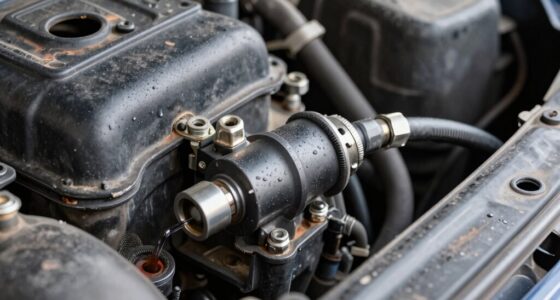
Breaking in a new generator is a crucial step to guarantee it runs smoothly and lasts longer. During this process, paying close attention to oil lubrication and engine operation is essential to ensure the generator’s components settle properly and function at their best. When you first start your generator, make sure to check the oil level and add fresh, manufacturer-recommended oil if necessary. Proper oil lubrication is critical because it reduces friction between moving parts, prevents overheating, and minimizes wear during the break-in period. Running the engine with the correct oil level and quality helps establish a good film of lubrication that will support the engine’s operation over its lifespan.
Proper oil level and quality are essential for a smooth generator break-in and longevity.
As you operate the generator, keep an eye on the oil pressure gauge or indicator light if your model has one. It’s normal for oil pressure to fluctuate slightly during the initial hours, but any persistent low pressure or oil leaks should be addressed immediately. Regularly inspecting the oil and topping up as needed helps maintain proper lubrication and prevents damage caused by insufficient oil circulation. During engine operation, avoid running the generator at full load for extended periods right away. Instead, start with a light load and gradually increase it, allowing the engine to warm up and components to settle into their working positions. This controlled approach helps the engine’s internal parts break in gradually and evenly.
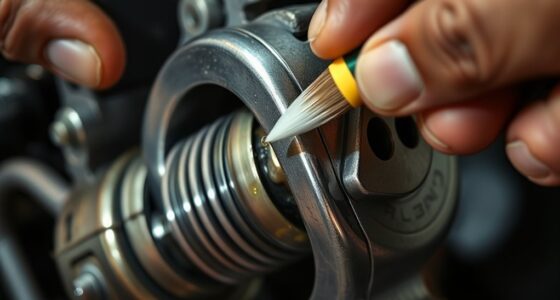
While running the generator, pay attention to unusual noises, vibrations, or excessive heat, which could indicate issues with lubrication or engine components. Never ignore these signs, as they can lead to long-term damage if left unchecked. During the break-in period, change the oil more frequently than usual; fresh oil helps remove any tiny metal particles or debris that may have been generated during initial operation. Proper engine operation during this time is about being cautious, attentive, and consistent with maintenance. Make sure to follow the manufacturer’s guidelines regarding break-in duration and recommended procedures, including any specific oil types or operational limits.
Additionally, maintaining proper engine operation throughout the break-in period is vital for the longevity and performance of your generator. Finally, once the break-in period is complete, perform a thorough inspection, change the oil again, and ensure all components are functioning correctly. This initial period sets the foundation for your generator’s reliable performance, so taking the time to do it right makes a significant difference. By focusing on proper oil lubrication and careful engine operation from the start, you’ll maximize your generator’s lifespan and ensure it provides dependable power whenever you need it.
As an affiliate, we earn on qualifying purchases.
Frequently Asked Questions
How Often Should Generator Break-In Procedures Be Reviewed?
You should review the generator break-in procedures regularly, ideally during your maintenance schedule. This guarantees you’re up-to-date with the latest safety standards and operational practices. Additionally, incorporate this review into your training requirements for new or existing staff. By doing so, you keep everyone informed, reduce risks, and maintain peak generator performance. Regular reviews help you stay compliant and confident in your safety procedures.
Can Break-In Procedures Vary Between Generator Models?
Absolutely, break-in procedures can vary wildly between generator models! You might think all generators follow the same rules, but model differences and manufacturer guidelines can turn this into a whole new game. Some require gentle RPM increases, others need specific oil types or cooldown periods. Always check the manufacturer’s instructions for your specific model to make certain you’re following the right procedures—one size definitely doesn’t fit all.
What Are Signs of Improper Generator Break-In?
You should watch for warning signs like unusual vibrations, excessive noise, or overheating, which indicate improper break-in. The importance of a proper break-in can’t be overstated, as it ensures your generator runs smoothly and lasts longer. If you notice any of these warning signs early, stop using the generator and consult the manual or a technician. Ignoring these signs can cause damage and reduce your generator’s lifespan.
Is Professional Supervision Necessary During Break-In?
Much like a captain needs a seasoned navigator, you need professional supervision during the break-in technique to guarantee safety and proper operation. Supervision isn’t just a formality; it’s essential to catch mistakes early and protect your equipment. Without it, you risk improper break-in, which can lead to damage or failure. So, yes, professional oversight is necessary to guarantee a smooth, effective break-in process and long-term generator reliability.
How Does Break-In Affect Generator Warranty Coverage?
Break-in procedures can impact your generator’s warranty coverage. If you don’t follow the manufacturer’s recommended maintenance requirements during break-in, it might void your warranty. Properly adhering to break-in guidelines guarantees warranty implications stay intact, as manufacturers often require specific protocols to be followed. Skipping or neglecting these steps could lead to denial of warranty claims, so always follow the prescribed procedures to protect your investment.
As an affiliate, we earn on qualifying purchases.
Conclusion
Think of your generator as a finely tuned engine that needs gentle breaking in to perform its best. By following these safety procedures, you’re laying a solid foundation for reliable operation and longevity. Remember, skipping steps is like rushing a seed to grow—it might sprout, but it won’t flourish. Stay vigilant, stick to the checklist, and watch your generator thrive, powering your world smoothly and safely, just like a well-choreographed symphony.
generator maintenance inspection tools
As an affiliate, we earn on qualifying purchases.
As an affiliate, we earn on qualifying purchases.
Fall Picks
fall essentials
As an affiliate, we earn on qualifying purchases.