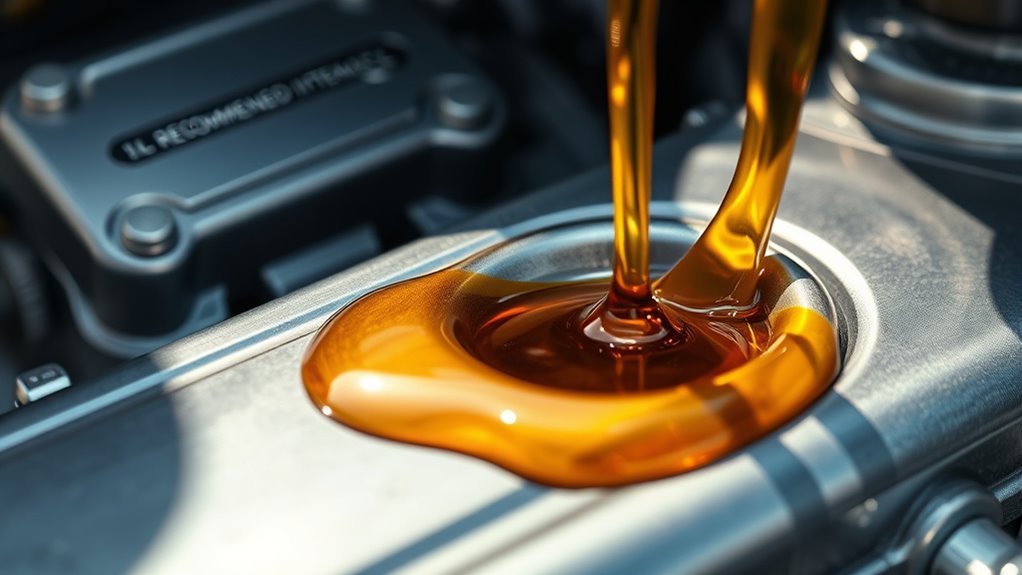

Choosing the right type of oil depends on your machine’s needs and operating conditions. Mineral oils are common for general use, while synthetic oils perform better in extreme temperatures and high-pressure situations. It’s important to follow manufacturer recommendations and inspect oil regularly for contamination or degradation. Change intervals vary—generally every few months or based on hours of operation—to guarantee ideal performance and prevent costly failures. Keep exploring to learn more about keeping your equipment running smoothly.
Key Takeaways
- Different oil types include mineral, synthetic, and specialty oils, each suited for specific operating conditions.
- Consult manufacturer guidelines to determine appropriate oil types for your machinery.
- Recommended oil change intervals vary based on oil type, usage, and operating environment; follow maintenance schedules.
- Regularly inspect oil condition and viscosity to decide when to replace or top up lubricants.
- Using the correct oil type and adhering to recommended intervals ensures optimal machinery performance and longevity.
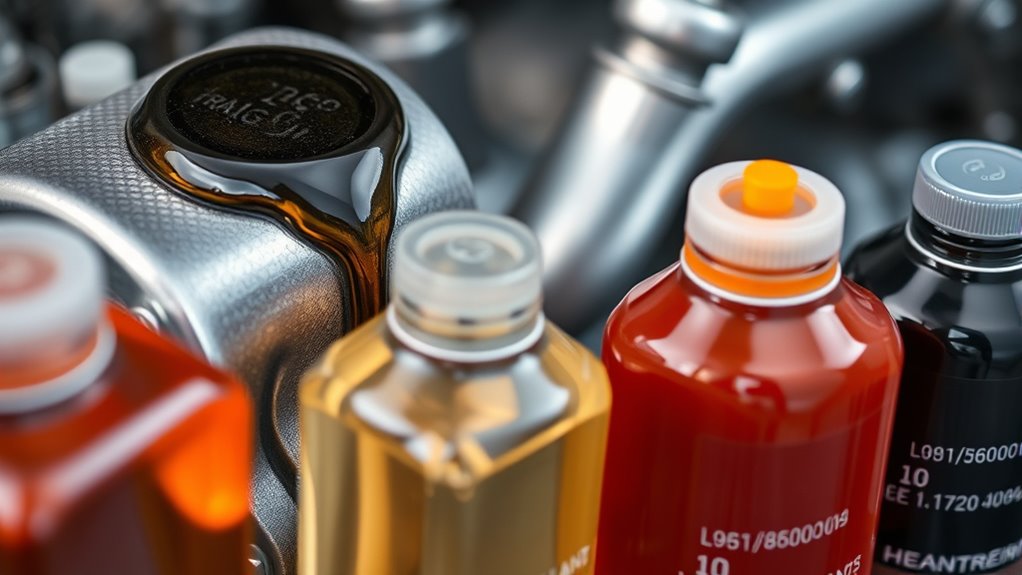
Have you ever wondered how machines keep running smoothly without grinding to a halt? The secret lies in proper lubrication, which reduces friction and prevents wear and tear. One of the most critical factors in effective lubrication is understanding oil viscosity. Oil viscosity measures how thick or thin the oil is, affecting how well it flows through machinery and coats moving parts. Choosing the right viscosity for your equipment is essential because too thick, and it might hinder movement; too thin, and it won’t provide sufficient protection. You’ll want to follow manufacturer recommendations and consider operating conditions—high temperatures, heavy loads, or rapid movements all influence the ideal oil viscosity. Regular lubrication maintenance ensures that the oil remains at its best viscosity level, preventing issues caused by oil degradation or contamination.
In addition, considering the types of oil available can help optimize your lubrication routine, ensuring better protection for your machinery.
In addition to selecting the proper oil viscosity, maintaining a consistent lubrication schedule is crucial. Over time, oil breaks down, becomes contaminated, or loses its effectiveness, which can lead to increased friction and eventual equipment failure. Implementing a routine lubrication maintenance schedule helps catch these problems early. This might include inspecting oil levels, checking for signs of contamination like dirt or water, and replacing oil at recommended intervals. When you adhere to these schedules, you keep machinery running efficiently and extend its lifespan. Ignoring maintenance, on the other hand, can cause the oil to become too thin or too thick, undermining its ability to protect moving parts.
Another aspect of lubrication maintenance involves choosing the right type of oil for your specific application. There are various options, including mineral oils, synthetic oils, and specialty lubricants designed for extreme temperatures or high-pressure environments. Each type has different properties, particularly in terms of viscosity stability and longevity. Using the correct oil for your machine’s operating conditions means better performance and fewer breakdowns. Additionally, monitoring the oil’s condition regularly helps you determine when it’s time for a change, avoiding the pitfalls of using degraded oil that no longer offers sufficient lubrication.
Ultimately, successful lubrication relies on understanding the importance of oil viscosity and sticking to a disciplined maintenance routine. By paying attention to these details, you ensure that your machines operate smoothly, efficiently, and reliably. It’s not just about filling a reservoir; it’s about actively managing and maintaining the right lubrication to keep everything running at peak performance. When you prioritize lubrication maintenance and select the appropriate oils, you’re investing in the longevity and dependability of your equipment, saving time and money in the long run.
motor oil synthetic vs mineral
As an affiliate, we earn on qualifying purchases.
As an affiliate, we earn on qualifying purchases.
Frequently Asked Questions
How Do I Choose the Right Oil for My Vehicle?
To select the right oil for your vehicle, check your owner’s manual for recommended specifications. Consider synthetic versus conventional oils; synthetic offers better performance and longer intervals, while conventional is more economical. Always choose the correct viscosity grade. Remember to maintain your oil filter and follow recommended oil change intervals to keep your engine running smoothly. This guarantees ideal lubrication, reduces wear, and extends your vehicle’s lifespan.
What Are the Signs of Oil Degradation?
Your engine screams for help when oil shows signs of degradation, like dark, gritty residue or a burnt smell. Oil contamination and additive depletion cause visible changes, such as increased engine noise or rough idling. You might notice oil thinning or becoming sludgy, indicating it’s lost its protective power. Don’t ignore these signs; they signal your oil’s losing its strength and need for a change before serious damage occurs.
Can I Mix Different Types of Motor Oils?
You shouldn’t mix different types of motor oils, as it can affect oil compatibility and performance. If you use synthetic blends, they generally mix well with conventional oils, but mixing fully synthetic with regular oil might reduce the benefits of synthetic formulas. Always check your vehicle’s manual for recommendations, and if you need to top off, stick to the same oil type or consult a professional to avoid potential issues.
How Does Oil Viscosity Affect Engine Performance?
Oil viscosity directly impacts your engine’s performance by determining how easily the oil flows at different temperatures. If the viscosity is too high, it may cause sluggish startup and increased fuel consumption; too low, and it won’t protect engine parts properly. Choosing the right oil viscosity ensures smooth operation, optimized fuel efficiency, and reduced engine wear. Always follow your manufacturer’s recommendations for the best engine performance.
What Environmental Factors Influence Oil Change Intervals?
Environmental factors like pollution levels and temperature fluctuations substantially influence your oil change intervals. High pollution can introduce contaminants that break down oil faster, while extreme temperatures cause the oil to degrade quicker or thicken. You should monitor these conditions and adjust your maintenance schedule accordingly. Regularly check your oil’s condition and consider more frequent changes if you notice increased pollution exposure or drastic temperature changes to keep your engine running smoothly.

Runleader Digital LCD Waterproof Hour Meter for Small Engine,Track Oil Change Intervals, Generator,Lawn Mower,Outboard,ATV,Snow blowers,Marine,Dirt Ski,Motorcycle(HM006A-BU)
DIGITAL HOUR METER —- It is a small and helpful device to keep track the total hours for…
As an affiliate, we earn on qualifying purchases.
As an affiliate, we earn on qualifying purchases.
Conclusion
Think of oil as the heartbeat of your machine, keeping everything flowing smoothly beneath the surface. Just as a steady rhythm guides a dancer, proper lubrication ensures longevity and performance. Choose the right type and stick to recommended intervals, like tending a garden with care. When you nurture your equipment with timely oil changes, you’re nurturing its spirit—preventing breakdowns and letting it perform at its best, day after day.
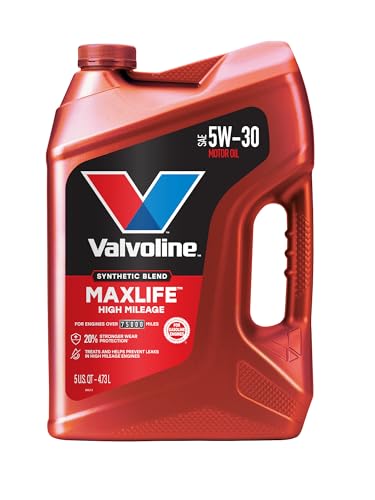
Valvoline MaxLife High Mileage 5W-30 Synthetic Blend Motor Oil 5 Quart
Formulated for engines with 75,000 miles or more, Valvoline MaxLife High Mileage synthetic blend is formulated with seal…
As an affiliate, we earn on qualifying purchases.
As an affiliate, we earn on qualifying purchases.

MOLUCKFU Engine Oil Comparator Tool and Transmission Oil Viscosity Tester Acrylic Stand for Accurate Car Maintenance and Quality Testing
Versatile functionality: not only compares engine oil but also tests the viscosity of transmission oil, providing comprehensive oil…
As an affiliate, we earn on qualifying purchases.
As an affiliate, we earn on qualifying purchases.