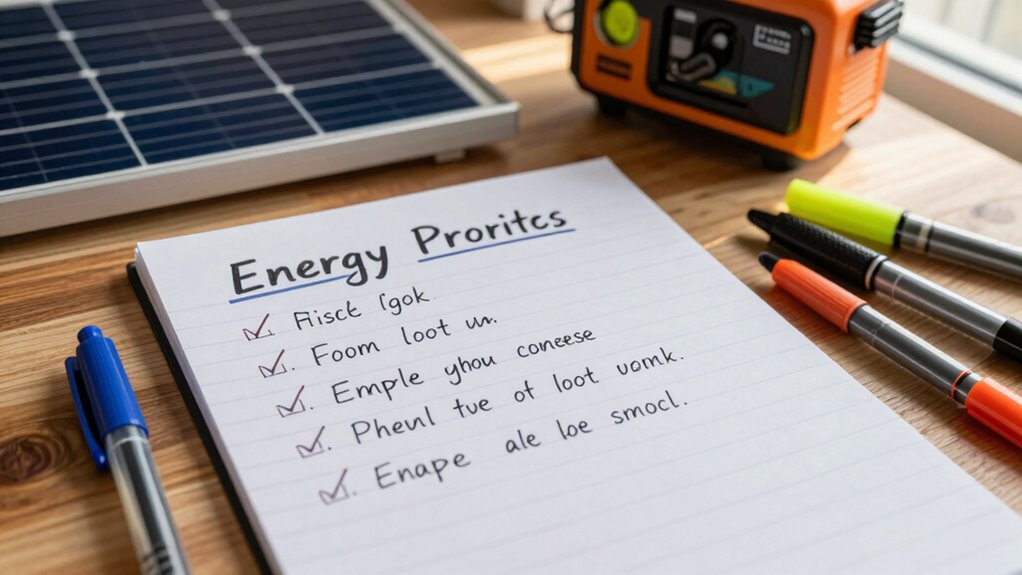
To build a simple home power priority list, start by identifying your essential appliances like refrigerators, medical devices, lighting, and communication tools. Rank these based on their importance and the impact if they fail. Next, assess your energy system capacity to know how many appliances can run simultaneously. Plan for backup options like portable generators or batteries for top-priority devices. If you want practical tips to create your list, keep exploring for more helpful guidance.
Key Takeaways
- Identify and list essential appliances critical for safety, health, and daily functioning.
- Rank devices based on importance and impact of failure during power outages.
- Determine the power requirements and capacity limits of your home’s electrical system.
- Assign priority levels to appliances to ensure vital devices operate first.
- Regularly review and adjust the list to accommodate changing needs and system updates.
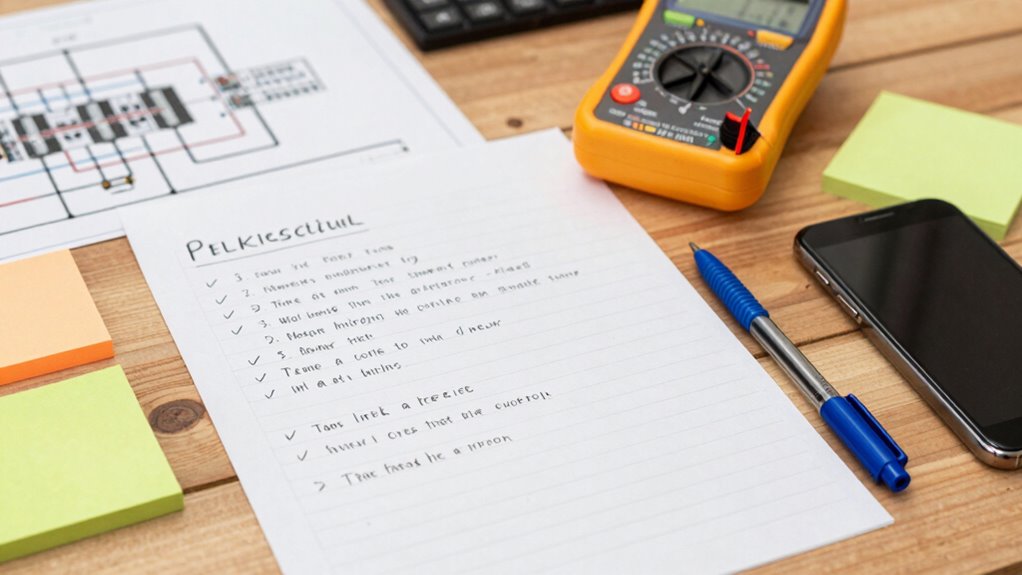
Creating a home power priority list is essential to guarantee that your most important appliances stay running during outages or limited power situations. When you plan ahead, you can manage your energy use more effectively, especially if you’re relying on backup power sources like generators or solar panels. Solar panel optimization plays a crucial role here, as it ensures you’re making the most of natural sunlight to generate power, reducing dependency on backup options and extending your system’s efficiency. By understanding which appliances are critical, you can better coordinate your backup power planning, making sure your home remains functional without wasting energy on less important devices.
Start by identifying the appliances and systems that are absolutely necessary for your daily life. These typically include refrigeration, heating or cooling, medical devices, lighting, and communication tools like phones or internet routers. Once you’ve listed these essentials, prioritize them based on their importance and the impact of their failure. For example, keeping your refrigerator running ensures food safety, while maintaining internet access might be essential for work or emergency communication. This will help you decide which devices to power first in a shortage or outage.
Identify essential appliances and prioritize their importance to maintain critical functions during outages.
Next, evaluate your current energy setup. If you’re using a solar panel system, check its capacity and how well it’s optimized. Proper solar panel optimization means your panels are angled correctly, clean, and functioning efficiently, so they produce maximum power during daylight hours. This reduces reliance on backup generators and extends your power availability. When planning backup power, consider how many devices you can run simultaneously and whether your system can handle peak loads. You might decide to use a portable generator or a battery backup to cover essential appliances during extended outages. This way, you’re effectively implementing backup power planning tailored to your specific needs. Additionally, understanding solar panel efficiency can help you make informed decisions about upgrading or maintaining your system to maximize energy production, especially when integrating performance parts into your setup.
Furthermore, incorporating high-quality projectors into your home setup can enhance your entertainment and work environments, making your space more versatile and enjoyable. Including electric bikes or other electric transportation options might also help reduce your overall energy consumption and reliance on traditional fuel sources, aligning with sustainable energy practices.
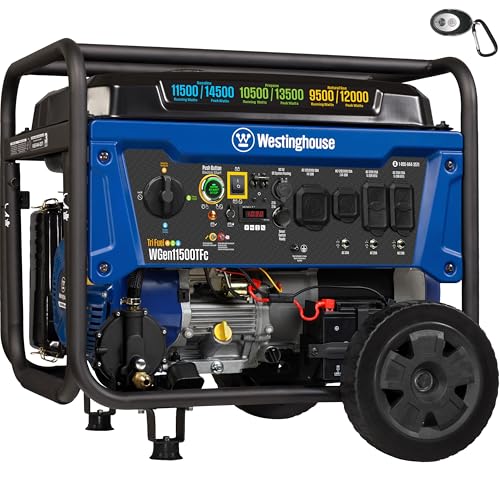
Westinghouse 14500 Peak Watt Tri-Fuel Home Backup Portable Generator, Remote Electric Start, Transfer Switch Ready, Gas, Propane, and Natural Gas Powered
Perfect as a backup power source for larger homes or a dependable source of portable power
As an affiliate, we earn on qualifying purchases.
As an affiliate, we earn on qualifying purchases.
Frequently Asked Questions
How Often Should I Update My Power Priority List?
You should update your power priority list whenever your energy conservation needs change or you add new backup power sources. Regular updates guarantee your list reflects current priorities, maximizing efficiency during outages or peak times. Check it at least once every few months, especially after major home upgrades or changes in your backup power system. Staying current helps you manage energy better and ensures critical devices get power when needed most.
Can I Include Future Appliances in My List?
Absolutely, you can include future appliances in your list. Think of it as your own version of “Back to the Future,” planning ahead for long-term energy strategy. By considering future appliance planning, you guarantee your power priorities adapt as your household evolves. This proactive approach helps you allocate energy efficiently, avoid surprises, and make smarter decisions now for a more sustainable, cost-effective home in the years to come.
What if My Power Needs Change Unexpectedly?
If your power needs change unexpectedly, stay prepared by updating your power priority list regularly. Incorporate emergency preparedness and power outage strategies, like having backup options or portable devices, to adapt quickly. You should monitor your household’s energy use and adjust priorities as needed, ensuring critical appliances stay powered during emergencies. Staying flexible and proactive helps you manage unforeseen changes and maintain essential functions during power outages.
How Do I Prioritize Essential vs. Non-Essential Devices?
Imagine your devices as soldiers in a battle—some need to stand guard (essential), while others are just there for show (non-essential). You’d categorize them accordingly, making a clear device categorization for your emergency planning. Prioritize essential devices like your fridge, medical equipment, and lights, and keep non-essentials like gaming consoles off the list. This way, you’re prepared for power shortages, not just a full-blown blackout.
Is There a Recommended Software for Managing My List?
You should try using simple spreadsheet software like Google Sheets or Excel, which makes managing your power priority list easy. These tools help you track energy conservation efforts and plan for renewable integration by organizing essential and non-essential devices. Plus, you can update the list regularly, ensuring efficient energy use and maximizing renewable resources, ultimately making your home more sustainable and reducing your energy costs effectively.

OUPES Guardian 6000 Dual Battery System: 9216Wh Power Station with 6000W Output, 120V/240V Dual Voltage, Expandable Home Backup with Transfer Switch Ready & App Control
DOUBLE THE POWER includes Guardian 6000 (4608Wh) plus one G5 Extra Battery (4608Wh) for massive 9216Wh capacity—twice the…
As an affiliate, we earn on qualifying purchases.
As an affiliate, we earn on qualifying purchases.
Conclusion
Now that you’ve crafted your home power priority list, you’re like a captain guiding your ship through calm and stormy seas alike. With clear priorities, you’re prepared to navigate any power situation, just as a seasoned sailor knows when to adjust the sails. Remember, this list isn’t just about saving energy—it’s your personal compass, leading you safely through everyday life, ensuring comfort and efficiency are always within reach. So, set your course and sail confidently ahead.

Tigo TS4-A-O Module Add-On Rapid Shutdown, Optimization, 1500V UL/1000TUV, 1.2M Cable, MC4 Genuine Connectors, Part No. 461-00252-32
NEC 2014, 2017, 2020 690.12 rapid shutdown compliant
As an affiliate, we earn on qualifying purchases.
As an affiliate, we earn on qualifying purchases.

to Do List Notepad with 60 Tear Off Sheets, 6.7 x 9.8" to Do List Notebook for Work Perforated Daily Planner with Task Checklist for Home School Office Personal Organizers, Green
【Double Side Printing Notepad】This to do list is non dated, which can help you plan daily planner or…
As an affiliate, we earn on qualifying purchases.
As an affiliate, we earn on qualifying purchases.