Continuous power on a generator means providing a steady and reliable flow of electricity over long periods without interruptions. You need to guarantee the generator maintains stable output, especially during critical operations like hospitals or data centers. It requires proper startup procedures, consistent monitoring, and ongoing maintenance to keep everything running smoothly. Understanding what continuous power entails helps you guarantee your equipment stays operational. Keep exploring to discover how to maximize your generator’s performance and reliability.

Get backup power and energy gear delivered free with Prime
- Fast, free delivery on millions of items
- Prime Video, Amazon Music and more included
- Member-only deals all year
Key Takeaways
- Continuous power refers to a generator’s ability to supply a steady, reliable flow of electricity over extended periods.
- It ensures vital equipment remains operational without interruptions or power fluctuations.
- Proper startup, monitoring, and maintenance are essential to sustain continuous power output.
- Fuel efficiency supports longer runtime and reduces the need for frequent refueling.
- Maintaining generator health prevents performance drops and guarantees consistent power delivery.
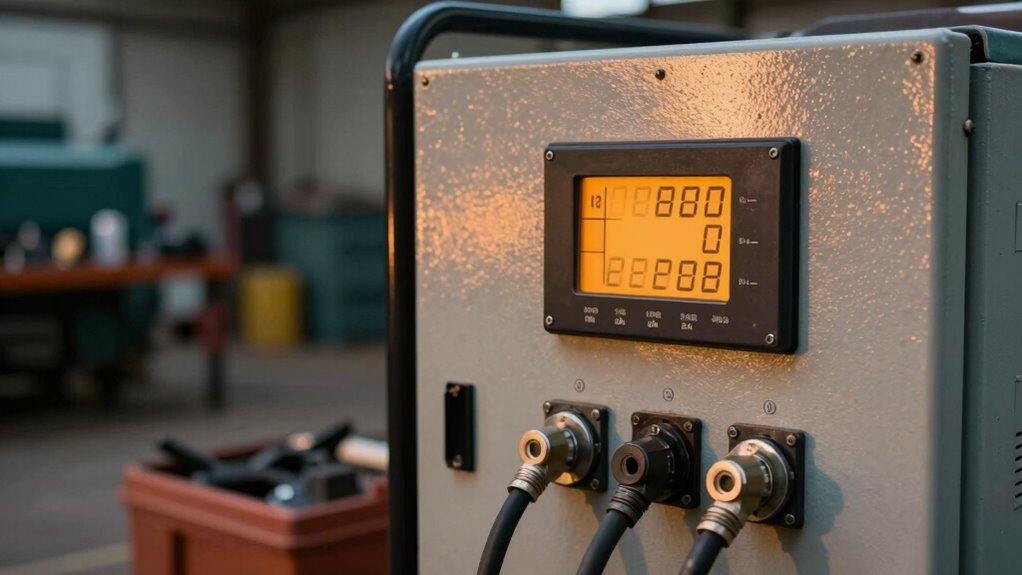
Have you ever wondered how generators provide uninterrupted power during outages or critical operations? The answer lies in understanding what continuous power really means on a generator. When a generator runs continuously, it’s delivering a steady, reliable flow of electricity without interruptions, which is essential for sensitive equipment, hospitals, data centers, or even large industrial sites. To guarantee this steady power, the generator must operate efficiently and reliably over long periods, which brings fuel efficiency into focus. Fuel efficiency refers to how well the generator converts fuel into electricity, and it plays a crucial role in maintaining continuous power without excessive costs or fuel consumption. When a generator is optimized for fuel efficiency, it can run longer on a single tank, reducing downtime for refueling and minimizing operational expenses. This is especially important when you depend on the generator to keep your operations running without interruption.
Getting a generator to provide continuous power isn’t just about turning it on; it involves proper startup procedures. These startup procedures are vital because they set the foundation for reliable, long-term operation. You should always check the oil levels, fuel supply, and coolant before starting the generator. This proactive approach helps prevent damage and guarantees the generator runs smoothly from the moment it’s turned on. During startup, you need to follow a sequence—such as turning on the fuel supply, engaging the choke if necessary, and gradually starting the engine—to avoid sudden jolts or stalls that could compromise continuous operation. Once running, it’s equally important to monitor the generator’s performance, checking for any irregularities like unusual noises, vibrations, or fluctuations in voltage. Proper startup procedures help establish a stable baseline, which is indispensable for maintaining continuous power over extended periods. Additionally, understanding the importance of filter sizing and flow can ensure that the generator’s components are protected and functioning optimally for ongoing reliable operation.
In addition to fuel efficiency and startup routines, maintaining the generator regularly is key. Scheduled inspections, oil changes, and component checks ensure the generator remains reliable and capable of delivering steady power whenever you need it. Continuous power isn’t just about having a generator that can run for hours; it’s about ensuring that every component works harmoniously so that the electricity remains consistent and dependable. When you understand these elements—fuel efficiency, proper startup procedures, and ongoing maintenance—you set yourself up for success in keeping the lights on, machines running, and operations uninterrupted. After all, continuous power means peace of mind, knowing that your generator is ready to serve whenever you need it most.
Products Worth Considering

eufy Baby Monitor E21 with 4K UHD Camera and 5-Inch 720p Screen

Philips Hue Bridge Pro Starter Kit with 4 A19 E26 Color Smart Bulbs

Roborock Q10 S5+ Robot Vacuum and Mop with 10,000 Pa Suction
As an affiliate, we earn on qualifying purchases.
Frequently Asked Questions
How Is Continuous Power Different From Surge Power?
Continuous power provides a steady, reliable energy supply, ensuring power stability during extended use, which is essential for load management. Surge power, on the other hand, delivers a brief, high-energy burst to start appliances with high initial demands. You’ll want a generator that can handle both, but understanding the difference helps you choose the right one for your needs, avoiding overloads and ensuring consistent operation.
Can Continuous Power Fluctuate During Operation?
Imagine your generator as a steady heartbeat—yes, continuous power can fluctuate slightly during operation. This fluctuation depends on factors like fuel efficiency and noise levels, which influence stability. While minor variations are normal, they shouldn’t jeopardize your power supply. Consistent output guarantees your devices run smoothly, giving you peace of mind, even as the generator adapts to changing conditions.
What Factors Affect a Generator’s Continuous Power Output?
Your generator’s continuous power output is affected by factors like fuel efficiency and maintenance schedules. If it runs efficiently, it maintains steady power without strain. Regular maintenance guarantees components stay in top shape, preventing fluctuations or drops in power. Overloading or using poor-quality fuel can also reduce performance. To keep your generator running reliably at its rated continuous power, stick to recommended maintenance and use quality fuel.
Is Continuous Power Rated at a Specific Temperature?
Continuous power ratings are typically based on a standard temperature, often 25°C, to guarantee consistency in power output. Temperature stability affects these ratings because higher temperatures can reduce a generator’s ability to deliver its rated power, while cooler conditions may enhance it. Always check the manufacturer’s specifications, as power ratings are usually rated at specific temperatures to provide an accurate measure of performance under standard conditions.
How Often Should I Run a Generator at Continuous Power?
You should run your generator at continuous power only as needed, typically during extended outages or heavy workloads, to optimize fuel efficiency and avoid unnecessary wear. Regularly follow your maintenance schedules to guarantee reliable performance and prevent issues. If running continuously for long periods, monitor fuel levels and temperature gauges closely, and schedule periodic rest breaks to help maintain the generator’s longevity and efficiency.
Conclusion
Understanding what continuous power truly means helps you choose a generator that won’t leave you in the dark. It’s like having a steady heartbeat for your devices, ensuring everything runs smoothly without unexpected pauses. When you recognize the subtle difference in power ratings, you’re better prepared for any situation. So, think of continuous power as the gentle rhythm that keeps your essentials alive, offering peace of mind whenever you need it most.