Understanding volts, amps, and watts is key to grasping electrical power. Voltage is the push behind electron flow, amps measure how much current flows, and watts tell you how much power is used, calculated by multiplying volts by amps. Knowing these basics helps you troubleshoot, optimize, and safely control electrical systems. If you want to learn how all these elements work together for efficiency and safety, there’s more to discover ahead.
Key Takeaways
- Voltage (volts) is the electrical potential difference that pushes electrons through a circuit.
- Amps measure the flow of electric charge or current in a system.
- Watts represent the total power used, calculated as Watts = Volts x Amps.
- Understanding two of these values allows you to determine the third in an electrical system.
- Proper regulation of voltage and power factor improves efficiency and prevents equipment damage.

Electrical power is the rate at which electrical energy is transferred or consumed in a system. Understanding this concept is key to managing and maximizing your electrical devices and systems. When you talk about electrical power, you’re fundamentally referring to how much energy is used over a period of time, measured in watts. But to truly grasp how this works, you need to understand the roles of volts, amps, and watts, and how they interact to deliver efficient power.
Electrical power measures energy transfer rate, involving volts, amps, and watts for efficient system management.
Voltage, measured in volts, is the electrical potential difference that pushes electrons through a circuit. Think of it like water pressure in a hose; higher voltage means more potential to move current through your system. Amperes, or amps, measure the flow of electric charge — the actual current moving through wires. Watts, on the other hand, combine voltage and current to tell you the total power being used. The basic relationship is simple: Watts = Volts x Amps. This means if you know two of these values, you can calculate the third, giving you a clearer picture of your electrical load.
Proper voltage regulation is crucial for maintaining consistent voltage levels in your electrical system. If voltage fluctuates too much, it can cause equipment to malfunction or degrade faster. Voltage regulation ensures that devices receive a stable voltage, preventing damage and ensuring maximum performance. When voltage drops below the required level, your appliances may underperform; when it’s too high, components could overheat or fail prematurely. Using voltage regulators or stabilizers can help keep voltage within safe, efficient limits.
Power factor correction is another key aspect. Your power factor measures how efficiently your electrical system uses power. If the power factor is low, it indicates that a significant portion of the energy isn’t doing useful work, leading to increased energy costs and potential strain on your electrical infrastructure. Power factor correction involves adding devices like capacitors to offset reactive power, improving overall efficiency. By correcting the power factor, you reduce energy waste, lower utility bills, and ease the load on your electrical system. Additionally, understanding the power delivery system can help optimize your electrical setup for better performance and safety.

SICWEDIM Voltage Stabilizer 220V Automatic Voltage Regulator Single Phase AC Stabilizer 6800W-20000W High Power Household Voltage Stabilizer for Refrigerators, Air Conditioner (20000W)
【Wall-Mounted Automatic Voltage Stabilizer】220V single-phase voltage stabilizer, household fully automatic voltage stabilizer, LCD digital display, 6 large protection…
As an affiliate, we earn on qualifying purchases.
As an affiliate, we earn on qualifying purchases.
Frequently Asked Questions
How Do I Calculate Power Consumption for Household Appliances?
To calculate power consumption for household appliances, start by finding the appliance wattage usually listed on the label. Then, use circuit load calculations to determine how much power each device uses over time. Multiply the wattage by the hours of use to get energy consumption in watt-hours. This helps you estimate electricity costs and verify your circuit can handle the total load safely.
What Safety Precautions Should I Take With High-Voltage Systems?
Oh, sure, who wouldn’t want to play hero with high-voltage systems? First, always wear personal protective equipment like insulated gloves and gear. Never forget an emergency shutdown switch nearby—you won’t want to be caught in a shocking situation. Keep your distance, stay alert, and if you’re unsure, consult a professional. Safety isn’t just a suggestion; it’s your best line of defense against electrical disasters.
How Do Voltage, Current, and Power Relate in Renewable Energy Setups?
In renewable energy setups, voltage, current, and power work together to optimize your system’s performance. Higher solar panel efficiency means better energy conversion, affecting your voltage and current levels. When calculating battery capacity, you consider the power needs and system voltage to make certain the storage is sufficient. Properly balancing these factors maximizes energy output, prevents overloads, and ensures your system runs smoothly, giving you reliable, sustainable power.
What Are the Differences Between AC and DC Electrical Systems?
Did you know AC systems deliver power over long distances more efficiently than DC? AC, or alternating current, changes direction periodically, making it ideal for household use. DC, or direct current, flows in a single direction, often found in batteries and electronics. While AC is common for power grids, DC powers many modern devices. Understanding these electrical flow types helps you grasp how electricity moves and powers your world.
How Can I Improve Energy Efficiency in My Electrical Devices?
To improve energy efficiency in your electrical devices, start with energy saving tips like unplugging devices when not in use and using power strips. Choose ENERGY STAR-certified appliances for better device efficiency, and regularly maintain equipment to keep it running effectively. Adjust settings to lower power consumption, such as dimming lights or reducing device workload. Small changes can notably cut energy use and save you money over time.
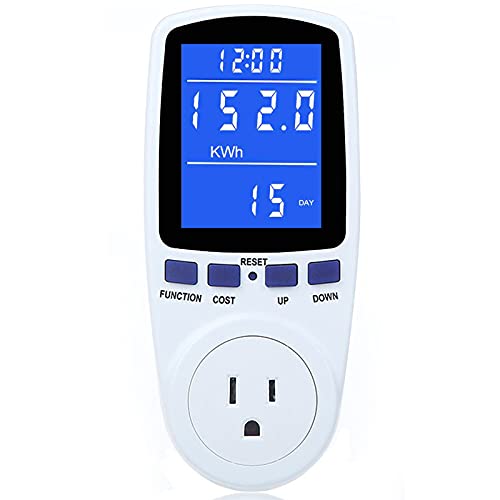
Upgraded Watt Power Meter Plug Home Electrical Usage Monitor Consumption, Energy Voltage Amps Kill Tester with Backlight, Overload Protection, 7 Modes Display
Various Monitoring Parameters: The power meter plug can monitor the power (W), energy (kWh), volts, amps, hertz, power…
As an affiliate, we earn on qualifying purchases.
As an affiliate, we earn on qualifying purchases.
Conclusion
Now that you’ve mastered the meaning of volts, amps, and watts, you’re better equipped to balance, build, and troubleshoot your electrical needs. Remember, understanding these basics brings brightness to your projects and boosts your confidence. By blending your newfound knowledge with curiosity, you’ll confidently conquer current challenges and create clever, connected circuits. So, stay savvy, stay safe, and keep shining bright in your electrical endeavors!

WEG Power Factor Correction Capacitor,27.50 KVAR,480VAC Voltage,11.8" Width,4.8" Depth,19.7" Height
As an affiliate, we earn on qualifying purchases.
As an affiliate, we earn on qualifying purchases.

AstroAI Digital Multimeter Tester 2000 Counts with DC AC Voltmeter and Ohm Volt Amp Meter; Measures Voltage, Current, Resistance, Continuity and Diode, Blue
Additional Tips – The following incorrect operations may cause the multimeter not to show results: Firstly, the plugs…
As an affiliate, we earn on qualifying purchases.
As an affiliate, we earn on qualifying purchases.