To quickly master fire extinguisher basics in just 15 minutes, focus on understanding fire classes like A, B, and C, and choose the right extinguisher, such as ABC for versatility. Learn the PASS technique—Pull, Aim, Squeeze, Sweep—to operate it effectively. Know when to fight a small fire or evacuate for safety. Continuing further will reveal essential tips to boost your confidence and emergency readiness.

Get backup power and energy gear delivered free — and shop member deals
- Fast, free delivery on millions of items
- Access to Prime Big Deal Days deals on October 6–7
- Prime Video, Amazon Music and more included
Key Takeaways
- Learn fire extinguisher types and their suitable fires, focusing on ABC multi-purpose models for versatility.
- Practice the PASS technique: Pull, Aim, Squeeze, Sweep for effective extinguishing.
- Recognize when to fight a fire and when to evacuate for safety.
- Understand fire classes to select the correct extinguisher quickly during emergencies.
- Regularly review safety protocols and stay informed on legal requirements to enhance preparedness.
As an affiliate, we earn on qualifying purchases.
Fire Extinguisher Essentials for Quick Response
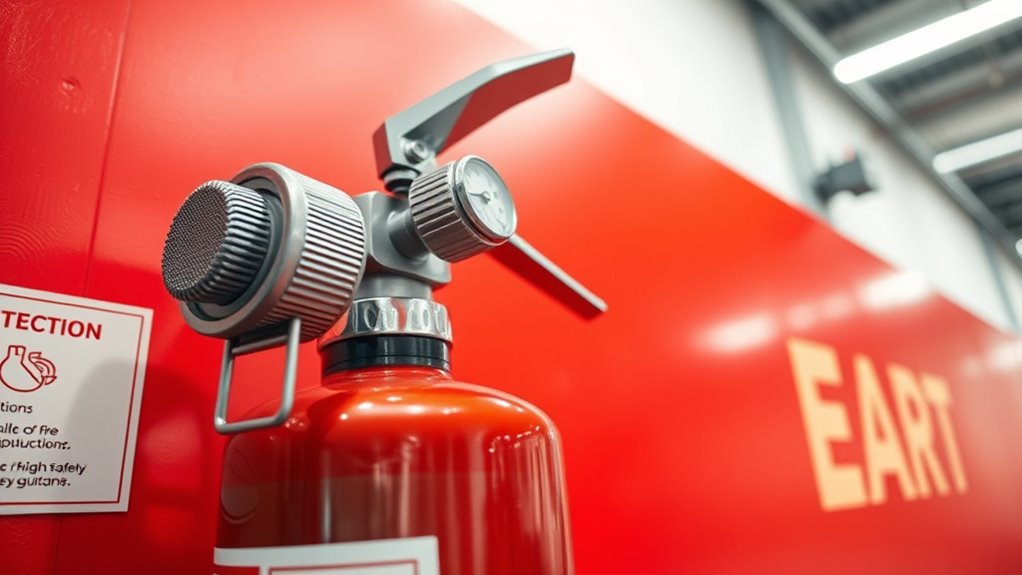
Ever wondered how quickly you can learn to handle a fire extinguisher? In just 15 minutes, you can grasp the basics of fire safety and emergency preparedness that could make a difference in a crisis. Fire safety isn’t just about having equipment in place; it’s about knowing how to use it effectively when it counts. Taking a few moments to familiarize yourself with a fire extinguisher boosts your confidence and prepares you to respond swiftly if a fire starts. That quick knowledge can prevent panic and help you contain small fires before they escalate into disasters.
The first step in mastering fire extinguisher basics is understanding the different types of fires and the appropriate extinguishers for each. Most common household fires fall into three categories: Class A (ordinary combustibles like paper and wood), Class B (flammable liquids like grease and gasoline), and Class C (electrical fires). Knowing which extinguisher to use is essential for fire safety. For instance, a multi-purpose ABC extinguisher is versatile and suitable for most situations, making it a smart choice for home or workplace safety. Familiarity with these distinctions guarantees you’re prepared and can act quickly without hesitation.
Next, you should learn how to operate the extinguisher correctly. Remember the acronym PASS: Pull, Aim, Squeeze, and Sweep. First, pull the pin at the top of the extinguisher to disengage the handle. Aim the nozzle or hose at the base of the fire—never at the flames themselves—because you want to target the fuel source. Squeeze the handle to release the extinguishing agent steadily. Finally, sweep the nozzle from side to side at the base of the fire until it’s extinguished. Practicing this simple technique transforms your response from a panic-driven attempt into a controlled, effective action. This knowledge is essential for emergency preparedness, giving you peace of mind knowing you’re ready to act quickly and correctly.
Another key aspect of fire safety is understanding when to attempt to extinguish a fire and when to evacuate. If a fire is spreading rapidly, smoke is thick, or you’re unsure about handling it, your safest move is to evacuate immediately and call emergency services. Fire extinguishers are designed for small, manageable fires—never try to fight large blazes alone. Knowing your limits and recognizing the signs that indicate you should leave rather than fight the fire is critical for your safety and the safety of others.
Being aware of potential regulatory compliance challenges and keeping updated on legal requirements can also help you stay prepared and avoid penalties or unsafe practices.
fire extinguisher with PASS technique
As an affiliate, we earn on qualifying purchases.
As an affiliate, we earn on qualifying purchases.
Frequently Asked Questions
How Often Should Fire Extinguishers Be Inspected or Serviced?
You should inspect your fire extinguishers monthly to guarantee they’re in working order. The inspection schedule also requires professional servicing annually, where experts check for pressure, damage, and accessibility. Keep in mind, servicing requirements may vary based on your local regulations or manufacturer guidelines. Regular inspections help you identify issues early, so your extinguisher is ready when you need it most, ensuring safety and compliance.
Can Fire Extinguishers Be Stored Outdoors Safely?
You can store fire extinguishers outdoors, but you need to consider weather impact. Outdoor storage is safe if you keep the extinguisher in a weather-resistant cabinet or protective enclosure. Avoid extreme temperatures, moisture, and direct sunlight, as these can damage the extinguisher or reduce its effectiveness. Regular inspections are vital to guarantee your fire extinguisher remains operational, especially when stored outside.
What Types of Fires Are Specific Extinguishers Effective Against?
You should use specific extinguisher types based on the fire classification. For example, Class A extinguishers tackle ordinary combustibles like wood and paper, while Class B ones are for flammable liquids and gases. For electrical fires, Class C extinguishers are safest. Understanding these classifications helps you select the right extinguisher for each fire type, ensuring effective and safe fire suppression.
How Do I Properly Dispose of Expired Fire Extinguishers?
When disposing of expired fire extinguishers, you should follow local disposal regulations and recycling procedures. First, verify the extinguisher is depressurized by releasing any remaining pressure safely. Then, take it to a certified recycling center or hazardous waste collection site. Never throw it in the trash, as it can be dangerous. Contact your local waste management authority for specific instructions to ensure safe and compliant disposal.
Are There Portable Fire Extinguishers Suitable for Vehicle Use?
Ever thought about how to keep your vehicle safe? Yes, portable fire extinguishers are perfect for vehicle use. You’ll find various extinguisher types, like ABC powder or CO2, designed specifically for cars, trucks, or RVs. These compact units fit easily in your glove box or trunk, ensuring quick access during emergencies. Choosing the right extinguisher enhances your vehicle safety and gives you peace of mind on the road.
As an affiliate, we earn on qualifying purchases.
Conclusion
Think of a fire extinguisher as your personal fire-fighting toolkit—ready to spring into action at a moment’s notice. With these basics under your belt, you’re like a skilled captain steering your ship through stormy waters. Remember, quick response is your best defense, so keep an extinguisher nearby, know how to use it, and stay calm under pressure. Being prepared turns a potential disaster into a manageable challenge.
As an affiliate, we earn on qualifying purchases.
Fall Picks
fall essentials
As an affiliate, we earn on qualifying purchases.