
Choosing the right RV ready plug types can save you from unexpected costs and safety issues. Compatibility problems may force you to buy adapters or replace outlets, leading to hidden expenses. Using mismatched or outdated plugs increases fire risks and damage to equipment. Skipping permits or safety standards can cause costly repairs later. To avoid these pitfalls, focus on proper installation, regular inspections, and understanding local codes—keep exploring for essential tips to protect your investment.
Key Takeaways
- Incompatible plug types can cause safety hazards, requiring costly adapters and risking electrical fires if not properly verified.
- Overlooking local permits and safety standards may lead to expensive rework and legal issues.
- Neglecting regular inspection and maintenance of RV plugs increases long-term repair costs and safety risks.
- High-end safety features and premium outlets may add unnecessary expenses without significant safety benefits.
- Failing to match outlets correctly can damage electronics and compromise safety, leading to hidden repair and replacement costs.
Compatibility Challenges and Unexpected Adapter Costs
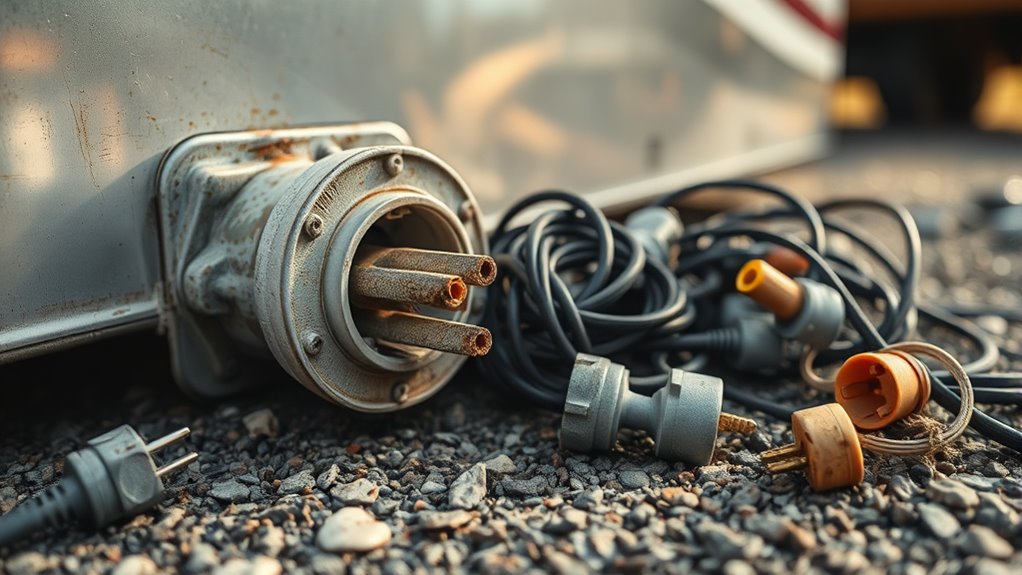
Even though RV ready plugs are designed for convenience, compatibility issues often catch owners off guard. Not all outlets match your RV’s plug type, leading to unexpected challenges. Plug compatibility becomes a concern when your RV’s plug doesn’t align with the available outlets at campsites or service stations. To bridge this gap, you might need adapters, which can add up quickly in costs. Some adapters are affordable, but others are pricey, especially if you require specialized or heavy-duty options. These hidden expenses can surprise you, especially if you’re unaware of the differences between plug types or the need for multiple adapters. Planning ahead and understanding your RV’s plug compatibility can help you avoid these unplanned adapter costs, saving you both time and money. Additionally, being familiar with common electrical terms can help you better understand the specifications and requirements for safe and effective use of adapters.
Hidden Expenses of Upgrading or Replacing Outdated Outlets

Upgrading or replacing outdated outlets can seem straightforward, but it often comes with unexpected costs that catch many RV owners off guard. One hidden expense is ensuring the new outlets have proper outdoor durability, which may require additional weatherproofing or specialized materials to withstand the elements. These upgrades can also impact aesthetic design; you might find yourself paying extra for outlets that blend seamlessly with your RV’s style or match existing fixtures. Additionally, installation might require professional help, increasing labor costs. Overlooking these factors can lead to ongoing expenses for repairs or replacements if the outlets aren’t durable or visually compatible. Furthermore, choosing the correct digital literacy features for your outlets can be crucial in maintaining safety and functionality. Being aware of these hidden costs upfront helps you budget accurately and avoid surprises, ensuring your upgrade enhances both safety and visual appeal.
Safety Risks From Using Incompatible Plug Types
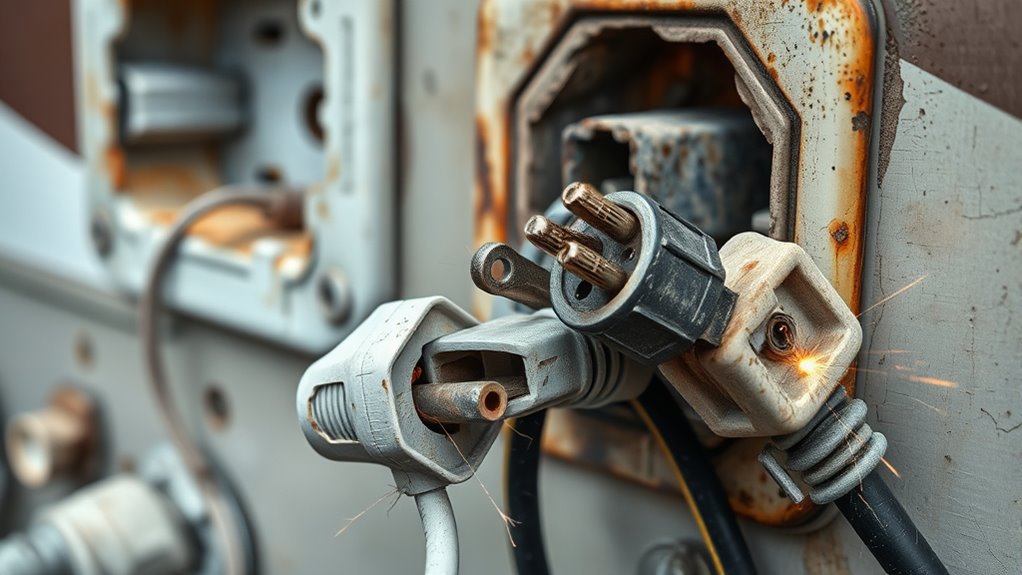
Using incompatible plug types can expose you to shock hazards if the connections aren’t secure. It also increases the fire risk due to electrical mismatches and poor contact. These issues can ultimately damage your equipment and compromise your safety. Regular inspections and understanding the power consumption of your devices can help prevent such hazards.
Shock Hazards From Mismatched Plugs
Mismatched RV plug types can pose serious shock hazards if you attempt to connect incompatible plugs to the power source. When plugs don’t match, you risk creating a ground fault, which can lead to dangerous electrical shocks. Additionally, using improper connections can cause plug corrosion over time, weakening the connection and increasing the risk of electrical leaks. If the ground wire isn’t properly connected or if corrosion develops, metal parts can become energized, putting you at risk whenever you touch the plug or appliance. Always verify your RV plug matches the outlet type and inspect connections regularly for corrosion or damage. Proper plug compatibility is essential to prevent these issues. Avoid shortcuts—using mismatched plugs isn’t just inconvenient; it’s a serious safety hazard that can lead to shock injuries.
Fire Risk From Electrical Incompatibility
When incompatible RV plug types are connected improperly, the risk of electrical fires increases considerably. Using mismatched plugs can cause overheating, sparks, and ultimately an electrical fire, posing serious safety hazards. These fires can spread quickly, endangering your RV and everyone inside. To prevent this, always verify that your plug type matches the receptacle and confirm proper connections. Avoid shortcuts that compromise safety, even if it seems convenient. The table below highlights common risks and safety tips:
| Risk | Safety Tip |
|---|---|
| Overheating from poor fit | Use compatible plugs and proper adapters |
| Sparks and arcing | Regularly inspect connections for signs of wear |
| Electrical fire | Never force incompatible connections |
| Safety hazards | Follow manufacturer instructions and local codes |
Additionally, understanding the importance of proper connection inspection can significantly reduce the chances of electrical failures.
Equipment Damage Due to Poor Connections
Connecting incompatible RV plug types can cause serious damage to your equipment. Poor connections lead to increased electrical interference, which can disrupt sensitive electronics and cause malfunction or permanent harm. Over time, mismatched plugs create loose or unstable contacts, resulting in arcing and heat buildup that can damage sockets and appliances. Additionally, improper connections make your system vulnerable to corrosion, accelerating deterioration and reducing lifespan. To prevent this, verify you use the correct plug type and maintain tight, secure connections. Regularly inspecting and cleaning connections helps with corrosion prevention. Avoiding incompatible plug types not only preserves your equipment’s integrity but also minimizes costly repairs and replacements, keeping your RV setup safe and reliable on the road. Furthermore, incorporating AI-powered diagnostic tools can help identify connection issues early and ensure optimal safety.
Installation Pitfalls That Can Lead to Costly Repairs
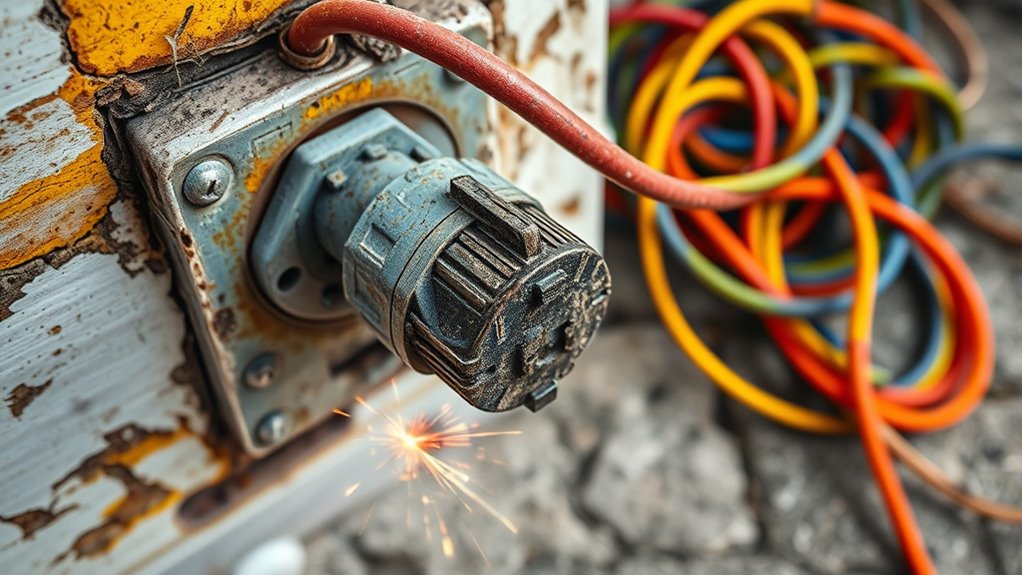
Installing RV ready plug types may seem straightforward, but overlooked details can lead to costly repairs down the line. One common mistake is ignoring plug compatibility; if your new plug doesn’t match your existing outlet, you might force an unsafe connection or damage the outlet. Upgrading outlets is essential when necessary, ensuring they meet the required amperage and safety standards. Failing to verify compatibility can cause overheating or electrical failures, leading to expensive repairs or replacements. Don’t assume any plug fits all outlets—double-check specifications before installation. Properly evaluating your electrical system and upgrading outlets as needed helps prevent future issues. Additionally, understanding best practices for electrical safety can significantly reduce the risk of hazards. Taking these precautions safeguards your investment and keeps your RV safe and functional, saving you money and hassle in the long run.
Overlooking Local Electrical Codes and Permits

Ignoring local electrical codes and permit requirements can lead to fines and costly rework. You need to understand the specific rules in your area before installing RV plug types. Failing to do so might result in unsafe wiring and legal issues down the line. Additionally, understanding Beginners Guides related to electrical safety can help prevent common mistakes during installation.
Local Code Requirements
Even if you’re enthusiastic to set up your RV plug quickly, overlooking local electrical codes and permit requirements can lead to serious issues. Your local jurisdiction likely has specific regulations that dictate how electrical installations must be performed, including RV plugs. Ignoring these codes might result in unsafe wiring, malfunctions, or even fines. It’s essential to check with local authorities before proceeding, as permit requirements vary widely. Failing to obtain necessary permits can cause problems if you sell your RV later or if inspections are required. Not adhering to local code requirements compromises safety and could void insurance claims. Always research your area’s regulations and follow them carefully to avoid costly corrections and ensure your setup is both compliant and safe. Additionally, understanding local electrical codes can prevent potential hazards and ensure your installation meets safety standards.
Permit Necessities
To guarantee your RV plug installation is safe and legal, you need to obtain the proper permits required by your local authorities. Electrical permits ensure your setup meets safety standards and code compliance, preventing fines or unsafe conditions. Skipping permit approval can lead to costly rework or legal issues if inspections reveal non-compliance. Check with your local building department before starting your project, as permit requirements vary by location. Securing the necessary electrical permits verifies your installation adheres to current electrical codes and safety regulations. This step not only protects you but also ensures your RV’s electrical system functions reliably and safely. Additionally, understanding creative problem-solving techniques can help navigate any unexpected challenges during installation. Always prioritize obtaining the right permits to avoid hidden costs and future hazards associated with unpermitted electrical work.
The Cost of Choosing Premium Safety Features Unnecessarily
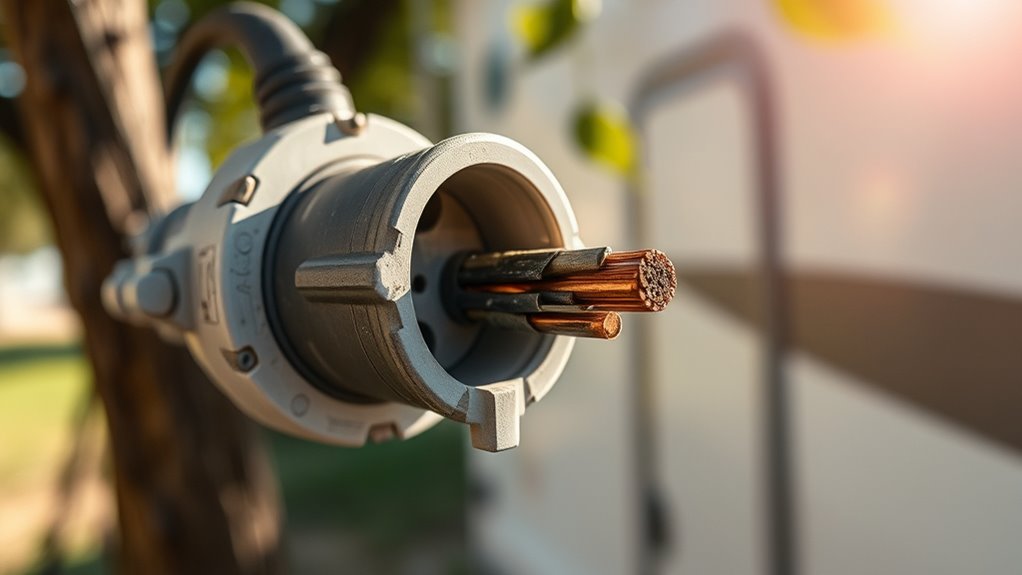
Opting for premium safety features on your RV might seem like a wise choice, but it can quickly become an unnecessary expense if those features exceed your actual needs. While added safety can provide peace of mind, choosing unnecessary upgrades often leads to higher costs without significant benefits. Premium safety options, such as advanced plug types or extra safety mechanisms, can inflate your budget and complicate maintenance. If you don’t regularly encounter challenging electrical conditions, investing in high-end safety features may be overkill. It’s essential to evaluate your typical use and weigh the real benefits against the extra expense. By avoiding unnecessary upgrades, you save money while still maintaining a safe, reliable RV setup tailored to your specific needs.
Maintaining and Inspecting Plugs to Prevent Long-Term Expenses

While choosing premium safety features can increase your upfront costs, neglecting proper maintenance and inspection routines of your RV plugs can lead to long-term expenses. Regular plug maintenance ensures connections stay secure and corrosion-free, preventing electrical failures. Start by inspecting your plugs periodically for signs of wear, corrosion, or loose connections. Keep the contacts clean and dry, and replace damaged parts promptly. Establish a routine inspection schedule—especially before long trips or seasonal storage—to catch issues early. Proper maintenance minimizes the risk of costly repairs, electrical fires, or equipment damage down the line. Remember, consistent inspection routines save you money by ensuring your RV’s electrical system remains safe, reliable, and efficient over time.
Frequently Asked Questions
How Can I Identify the Safest RV Plug Type for My Vehicle?
To identify the safest RV plug type, check its compatibility with your vehicle’s electrical system and ratings. Look for plugs that match your RV’s voltage and amperage requirements, ensuring they’re properly rated for safety. Always choose high-quality, UL-listed plugs to prevent electrical hazards. Confirm the plug’s compatibility with your RV’s outlet, and avoid mismatched connections to reduce risks of shorts or fires.
Are There Eco-Friendly Options for RV Plug Upgrades?
Yes, you can choose eco-friendly RV plug upgrades made from sustainable materials like recycled plastics or bio-based composites. Opting for renewable energy options, such as solar-powered adapters or chargers, reduces your environmental impact. These upgrades not only support eco-conscious living but also enhance your RV’s efficiency. By selecting eco-friendly materials and renewable energy solutions, you’ll make a greener choice that benefits both your travels and the planet.
What Are Common Signs My RV Plugs Need Immediate Replacement?
Did you know that nearly 60% of RV electrical problems stem from faulty plugs? If you notice plug corrosion, loose connections, or sparks when plugging in, it’s time to replace your RV plugs immediately. These signs indicate compromised safety and can lead to electrical fires or damage. Regularly inspect your plugs, and don’t ignore corrosion or looseness — prompt replacement keeps you safe on the road.
Can Improper Installation Void My Rv’s Warranty?
Yes, improper installation can void your RV’s warranty. If you ignore plug compatibility and don’t follow installation guidelines, manufacturers might see it as misuse or neglect. To avoid this, make certain you use the correct plug types for your RV and follow all installation instructions carefully. Proper installation not only keeps your RV safe but also protects your warranty coverage, giving you peace of mind on the road.
How Often Should RV Plugs Be Inspected for Safety Compliance?
You should inspect your RV plugs for safety compliance at least once a year, or more often if you notice any signs of damage or wear. Regular inspection guarantees they meet safety standards and helps prevent electrical hazards. Keep an eye out for corrosion, loose connections, or frayed wires. Staying proactive with inspection frequency protects your RV and keeps you safe on the road.
Conclusion
Being mindful of RV plug types and their hidden costs can save you from unexpected expenses down the road. By choosing compatible, up-to-date outlets and adhering to safety standards, you’ll enjoy peace of mind without the extra financial surprises. Don’t let overlooked details or tempting upgrades quietly drain your wallet. Stay informed, prioritize safety, and keep your RV adventures smooth and worry-free—after all, a little extra care now can keep costly repairs at bay later.