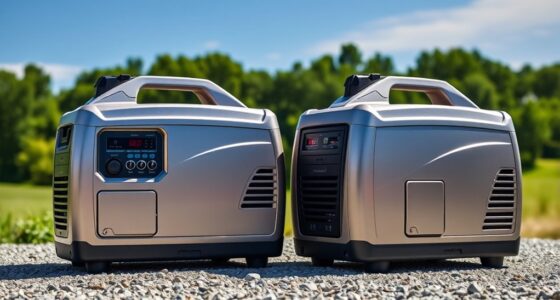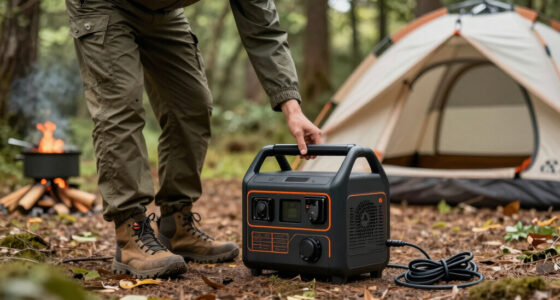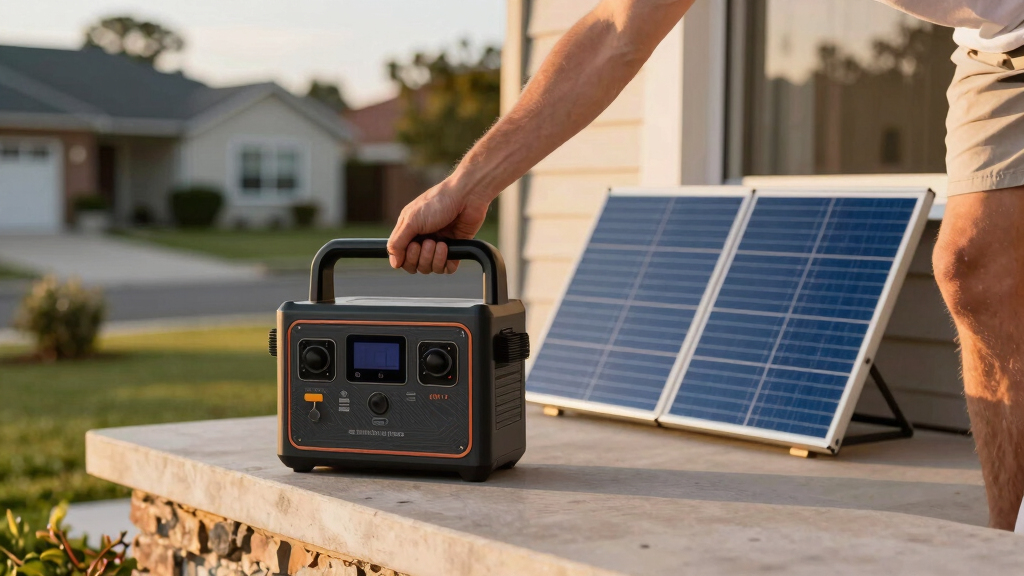

When power outages strike, a dependable home backup power station can keep essential devices running smoothly. The best options vary from compact portable units to large, stationary systems capable of powering an entire home. The best overall pick offers a balanced mix of capacity, portability, and speed, making it suitable for most households. Meanwhile, some models excel in sheer capacity or expandability, but they come with higher costs or installation complexity. The key tradeoffs often revolve around size, cost, and power output. Continue reading for a detailed comparison and help narrowing down which backup power station fits your needs.
Key Takeaways
- High-capacity stationary units provide more total power but are less portable and more expensive.
- LiFePO4 batteries deliver longer lifespan and safer operation compared to traditional lithium-ion options.
- Expandable systems are ideal for homeowners planning future upgrades or bigger loads, but they add complexity and cost.
- Fast charging and high surge capacity are critical for powering sensitive or high-demand appliances during outages.
- Ease of use and monitoring features matter more for beginners, while experienced users may prioritize raw power and expandability.


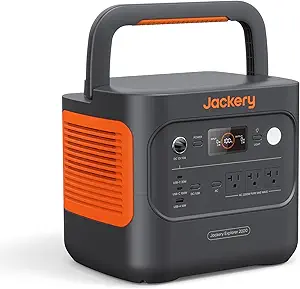

| home backup power station | Battery Type |
|---|---|
| AFERIY 2048Wh Portable Power S | LiFePO4 |
| OUPES Mega 1 Portable Power St | LiFePO4 |
| ECO-WORTHY 10,000W Home Power | — |
| Anker SOLIX C1000 Portable Pow | LiFePO4 |
| Anker SOLIX F3800 Portable Pow | LiFePO4 |
| Jackery HomePower 3600 Plus Po | — |
| Anker SOLIX C1000 Gen 2 Portab | LiFePO4 |
| Jackery HomePower 3000 Portabl | LiFePO4 |
| EF ECOFLOW Portable Power Stat | — |
| Jackery Explorer 1000 v2 Porta | LiFePO4 |
| Librids Portable Power Station | LiFePO4 |
| Jackery Explorer 2000 v2 Porta | LiFePO4 |
| EF ECOFLOW Portable Power Stat | LiFePO4 |
More Details on Our Top Picks
AFERIY 2048Wh Portable Power Station 2400W (Peak 4800W) with LiFePO4 Battery, AC Fast Charging, 12V/25A XT60 DC Output, UPS, Home Backup, Camping (Solar Panel Optional)
The AFERIY P210 stands out for its robust LiFePO4 battery offering over 3500 cycles, making it a dependable choice for long-term backup needs. Its pure sine wave inverter guarantees safe power for sensitive electronics, which is a key advantage over lesser models with modified sine wave outputs. While it delivers ample power with a 2400W continuous inverter and multiple ports, its weight of 48.5 lbs may challenge portability for some users. Compared to smaller units like the Jackery Explorer 1000, it offers a higher capacity and longer lifespan but sacrifices some ease of transport. This pick is ideal for those seeking a durable, high-capacity backup solution that can handle both home and outdoor use, provided portability is not a primary concern. The main tradeoff involves its weight and potentially higher price, which might deter budget-conscious buyers.
Pros:- Long-lasting LiFePO4 battery with over 3500 cycles ensures durability
- Pure sine wave inverter provides safe power for sensitive electronics
- Multiple ports and app control for versatile device management
Cons:- Relatively heavy at 48.5 lbs, limiting portability
- Price not specified, potentially expensive for some users
- Limited runtime at full load (~1 hour) may require frequent recharging
Best for: Homeowners and outdoor enthusiasts needing reliable, long-lasting backup power without frequent portability concerns
Not ideal for: Users looking for a lightweight, portable unit for quick, occasional emergencies or travel
- Battery Capacity:2048Wh
- Inverter Power:2400W (Peak 4800W)
- Battery Type:LiFePO4
- Cycle Life:3500+ cycles
- AC Output:6 outlets (2400W)
- USB Ports:2 USB, 4 Type-C (20W + 100W)
- Weight:48.5 lbs / 22 kg
- Warranty:7 years
Our verdict“This is best suited for users prioritizing durability and high capacity over portability and budget.”
OUPES Mega 1 Portable Power Station 2000W (Surge 4500W), 1024Wh LiFePO4 Battery Generator, Expandable to 5kWh, UPS, for Home Backup Power, Camping, Road Trips
The OUPES Mega 1 is designed for those who want a scalable power system, featuring a 1024Wh LiFePO4 battery that can be expanded up to 5kWh. Its fast charging capability—reaching 80% in just 36 minutes—outpaces many rivals like the Jackery Explorer 1000, making it suitable for quick recharges during outages or trips. Its 2000W continuous power supports most home essentials, and the modular expansion offers flexibility for future needs, albeit at the cost of increased complexity and size. The reliability of its UPS transfer time of under 20ms makes it a smart choice for critical devices. However, its larger size and weight, combined with the need for a Bluetooth app for full control, may be less appealing for those seeking simplicity or portability. This system is best for users who want a scalable, fast-charging backup that can grow over time.
Pros:- Fast charging with 0-80% in just 36 minutes sets it apart
- Expandable system allows up to 5kWh without complex wiring
- Reliable UPS transfer with <20ms response time
Cons:- Large and heavy, less portable for travel
- Requires Bluetooth app for full remote management
- Higher initial investment due to expandability features
Best for: Emergency preparedness and off-grid users who value expandability and rapid recharge times
Not ideal for: Those seeking a lightweight, portable unit for occasional use or minimal setup
- Wattage:1024 Wh
- Surge Power:4500W
- Battery Type:LiFePO4
- Expansion Capacity:Up to 5120Wh
- Charge Speed:0-80% in 36 mins
- UPS Transfer Time:<20ms
- Number of Outlets:4
- Weight:Heavy, specific weight not provided
Our verdict“Ideal for users needing scalable, fast-charging backup power with professional-grade expandability features.”
ECO-WORTHY 10,000W Home Power Station Backup System with 30,720Wh LiFePO4 Battery, Bluetooth & WiFi Monitoring, and Server Cabinet
The ECO-WORTHY 10,000W system is tailored for demanding home backup scenarios, equipped with an enormous 30,720Wh LiFePO4 battery and a 10,000W inverter capable of supporting high-power appliances. Its Bluetooth and WiFi connectivity enable real-time remote monitoring, appealing to those managing critical loads or seeking energy independence. Its modular design allows expansion with up to 6 inverters and 32 batteries, but this complexity means professional installation is often required. Compared to smaller systems like the Anker SOLIX F3800, this setup offers unmatched capacity and power, at the expense of size, weight, and initial cost. It’s best suited for large homes or off-grid applications where sustained, reliable power is essential, and the setup complexity is manageable.
Pros:- Massive 30,720Wh capacity supports extensive backup needs
- Supports high-power appliances with 10,000W inverter
- Remote management via Bluetooth and WiFi for real-time monitoring
Cons:- Complex setup and possibly professional installation required
- Very large and heavy, limiting mobility
- Higher initial cost due to advanced features and capacity
Best for: Large households or off-grid operators needing high-capacity, professional-grade backup power
Not ideal for: Individuals seeking portable or simple solutions for occasional outages
- Battery Capacity:30,720Wh
- Inverter Power:10,000W
- Supported Output:120V / 240V split-phase
- Connectivity:Bluetooth & WiFi
- Expansion:Up to 6 inverters & 32 batteries
- Safety Certifications:UL1973, UL1741
Our verdict“Best suited for large-scale, permanent backup solutions where capacity and power are priorities over portability.”
Anker SOLIX C1000 Portable Power Station, 1800W (Peak 2400W) Solar Generator
The Anker SOLIX C1000 strikes a balance between portability and power, with a 1056Wh LiFePO4 battery and a peak output of 2400W. Its UltraFast recharging in under an hour makes it stand out against many competitors, including the Jackery Explorer 1000, which takes longer to recharge. Its high surge capacity supports a broad range of appliances, making it versatile for camping, RV, or home backup. However, the lack of detailed size and weight data can be a concern for those prioritizing portability, and the price may be a barrier for budget-conscious buyers. The wireless app control adds convenience but might be less appealing to users who prefer physical controls. Overall, this unit is well-suited for outdoor enthusiasts who need quick recharges and reliable power in a portable package.
Pros:- Fast recharge in under an hour with UltraFast technology
- Long-lasting LiFePO4 battery with 3,000 cycles
- High surge capacity of 2400W suitable for various devices
Cons:- No weight or size details provided, affecting portability assessment
- Requires app for full feature access, which may not suit all users
- Price not specified, potential cost barrier
Best for: Outdoor adventurers and RV users seeking fast-charging portable power
Not ideal for: Users needing a lightweight, minimal setup for short-term emergency needs
- Wattage:1800W
- Peak Wattage:2400W
- Battery Capacity:1056Wh
- Battery Type:LiFePO4
- Recharging Time:58 minutes
- Solar Recharging Power:up to 600W
- Outlets:11
Our verdict“A strong choice for outdoor users who prioritize quick recharging and high power output in a portable design.”
Anker SOLIX F3800 Portable Power Station, 3840Wh, LiFePO4 Batteries, 6000W AC Output, Solar Generator for Home Backup, RVs, Emergencies, Camping
The Anker SOLIX F3800 offers substantial capacity with 3840Wh of LiFePO4 batteries and a 6000W AC output, making it suitable for powering large appliances or even multiple devices during extended outages. Compared to the ECO-WORTHY system, it provides a more portable yet still high-volume solution, with the advantage of smart app control and high durability. Its support for solar recharging and expandability makes it a flexible, long-term backup option, though the size and weight details are not specified, which may complicate planning for mobility. This unit is ideal for those who need a resilient, high-capacity system that can serve as a primary backup in emergencies or off-grid situations, accepting some setup complexity and cost.
Pros:- High capacity of 3840Wh supports extensive use
- Supports dual-voltage and EV charging options
- Durable LiFePO4 batteries with smart app control
Cons:- Weight and portability details are not specified
- Setup complexity may require professional assistance
- Price not provided, potentially high for some users
Best for: Large households or RV owners needing dependable, long-term backup with smart monitoring
Not ideal for: Individuals seeking a lightweight, plug-and-play portable unit for occasional use
- Capacity:3840Wh
- AC Output:6000W
- Battery Type:LiFePO4
- Max Power Expansion:12000W
- Charge Method:Battery, Solar
- Runtime:1 hour
Our verdict“Best for users needing a high-capacity, durable backup system with remote monitoring and expandability.”
Jackery HomePower 3600 Plus Portable Power Station, 3600W AC Output, 3584Wh LFP Solar Generator, Expandable up to 21kWh, Home Backup, RV
This model stands out for its enormous capacity and flexibility, making it a top choice for households seeking reliable backup power. Compared with the smaller Anker SOLIX C1000 Gen 2, the Jackery HomePower 3600 Plus offers a significantly larger expandable capacity—up to 21kWh—ideal for whole-home needs. Its high-temperature resistant battery cells promise durability, but this comes at a higher price point and added weight, which could make setup more challenging. The inclusion of multiple charging options and portability features like wheels enhance its utility during emergencies or outdoor use. However, the initial investment is steep, and full expansion requires some setup effort. This pick makes the most sense for those prioritizing large capacity and long-term home backup, and who don’t mind the higher cost and setup complexity.
Pros:- Enormous expandable capacity up to 21kWh for whole-house backup
- Multiple charging options including solar, AC, and hybrid setups
- Long lifespan with 6,000 cycle life and 10-year durability
- Portable design with wheels and telescoping handle
Cons:- High upfront cost makes it less accessible for casual users
- Heavy when fully expanded, requiring effort to move and set up
Best for: Homeowners seeking a scalable, high-capacity backup solution that can power large appliances for extended periods.
Not ideal for: Small apartment dwellers or those with limited space who need a portable, lightweight unit for occasional use.
- Power Output:3600W (7200W in parallel)
- Capacity:3584Wh, expandable to 21kWh
- Voltage:120V & 240V in parallel
- Cycle Life:6,000 cycles
- Lifespan:10 years
- Charging Time:AC in 2.5 hours, Solar in 4 hours, Hybrid in 2 hours
Our verdict“This is best suited for households that require a scalable, high-capacity backup system and can accommodate its size and cost.”
Anker SOLIX C1000 Gen 2 Portable Power Station, 2000W (Peak 3000W), 1024Wh LiFePO4 Battery, Solar Generator
The Anker SOLIX C1000 Gen 2 excels at rapid recharging and portability, making it ideal for users who need power on the go. Unlike the larger Jackery HomePower 3600 Plus, it features a compact design that is 14% smaller and 11% lighter, perfect for camping or quick emergency setups. Its 49-minute recharge time via AC and 1.8 hours via solar are particularly appealing for those who need quick turnaround, though its 1024Wh capacity limits longer-term home backup scenarios. The LiFePO4 chemistry ensures over 4,000 cycles, supporting long-term reliability. However, its limited port selection (only 10 device ports) may constrain larger setups, and it requires compatible solar panels for off-grid recharging, adding to initial costs. This makes it ideal for outdoor adventurers and minimalist users needing fast, reliable power.
Pros:- Fast recharging—49 minutes via AC and 1.8 hours via solar
- Lightweight and compact design for easy handling
- High power output suitable for multiple devices
- Long-lasting LiFePO4 battery with 4,000+ cycles
Cons:- Limited to 1024Wh capacity, less suitable for whole-home backup
- Requires compatible solar panels for solar charging, which are sold separately
Best for: Campers, outdoor enthusiasts, and emergency prepper who prioritize quick recharging and portability.
Not ideal for: Large households or those needing extended, high-capacity power for multiple appliances simultaneously.
- Power Output:2000W (3000W peak)
- Battery Capacity:1024Wh
- Recharge Time:49 mins (AC), 1.8 hrs (solar)
- Battery Type:LiFePO4
- Cycle Life:4,000 cycles
- Portability:Compact, lightweight
Our verdict“This is perfect for users who need quick, portable power with rapid recharge times and can manage lower capacity limits.”
Jackery HomePower 3000 Portable Power Station with 2x 200W Solar Panels
The Jackery HomePower 3000 offers a solid balance of capacity and portability, with 3072Wh and a 3600W (7200W surge) output, making it suitable for backup power during outages or outdoor adventures. Compared to smaller units like the Jackery Explorer 300, it provides a much higher capacity, although solar panels are sold separately, which could add to the overall cost and setup complexity. Its fast recharging via hybrid AC/DC and AC alone supports quick recovery of power after outages. The inclusion of versatile ports ensures compatibility with many devices, but the total weight and the separate shipping of panels may impact ease of setup and transport. This option targets users seeking reliable, high-capacity backup with flexible solar recharging options.
Pros:- High capacity of 3072Wh with long cycle life
- Fast recharging via hybrid AC/DC or AC alone
- Versatile ports for multiple devices and appliances
- Supports solar charging when panels are purchased separately
Cons:- Solar panels are shipped separately, adding to setup time
- Weight might be cumbersome for frequent mobility
Best for: Homeowners needing dependable backup power and outdoor enthusiasts with space for solar setup.
Not ideal for: Urban apartment residents or those with limited outdoor space who want an all-in-one portable solution.
- Capacity:3072Wh
- Output:3600W (7200W surge)
- Recharge Time:1.7 hours via hybrid AC/DC, 2.2 hours via AC
- Battery Type:LiFePO4
- Cycle Life:4,000 cycles
- Weight:Lightweight and compact
Our verdict“This is ideal for those who want a reliable, large-capacity backup with flexible solar recharging options.”
EF ECOFLOW Portable Power Station DELTA 2, 1024Wh LiFePO4 Battery, 1800W AC/100W USB-C, Solar Generator for Home, Camping & RVs
The EcoFlow DELTA 2 balances portability with power, offering 1024Wh capacity and 1800W continuous AC output, making it a versatile choice for both home backup and outdoor use. Compared to the Jackery Explorer 300, it provides more power for larger devices and supports expansion up to 3kWh with extra batteries. Its rapid charging — reaching 80% in just 50 minutes — is a standout feature for users needing quick turnaround times. However, the relatively modest base capacity limits long-term backup for extensive household needs without expansion. Its high-quality LiFePO4 batteries promise over 3,000 cycles, ensuring durability. This pick suits active users who value fast recharge and modular capacity, but those needing extensive backup capacity should consider additional batteries or larger models.
Pros:- Fast charging — 0 to 80% in 50 minutes
- Expandable capacity with additional batteries
- High power output suitable for most appliances
- Long-lasting LiFePO4 chemistry
Cons:- Limited base capacity for whole-home backup
- Requires extra batteries for maximum capacity, increasing cost
Best for: Active homeowners, campers, and RV travelers who prioritize fast charging and expandability.
Not ideal for: Users who need a high-capacity, all-in-one solution for large-scale home backup without additional batteries.
- Battery Capacity:1024Wh
- AC Output:1800W
- Input Power:Up to 500W solar input
- Expandable Capacity:1-3kWh
- Cycle Life:3000+ cycles
- Charging Time:0-80% in 50 mins
Our verdict“This is best for users who want quick, reliable charging and expandable capacity for moderate backup needs.”
Jackery Explorer 1000 v2 Portable Power Station, 1070Wh Lithium Iron Phosphate Battery, 1500W AC/100W USB-C, Fast 1-Hour Charging, Solar Generator for Camping, Emergency, RV, Off-Grid
The Jackery Explorer 1000 v2 stands out for its impressive balance of capacity, portability, and durability. Its 1070Wh LiFePO4 battery ensures a long lifespan exceeding 10 years, making it ideal for those seeking reliable, long-term backup power. Compared to the smaller Explorer 300, this model offers significantly more capacity and power, suitable for running larger appliances or multiple devices simultaneously. However, the need for Jackery’s specific solar panels for solar charging limits flexibility, and the device does not include a solar panel, adding to initial costs. Its fast charging in just one hour means less downtime, which is crucial during emergencies or outdoor adventures. This pick makes the most sense for users who want a dependable, portable power station that can handle a variety of situations without frequent replacements.Pros:- Lightweight and portable at 23.8 lbs with a foldable handle
- Fast charging in just one hour from 0% to 100%
- Long lifespan of over 10 years with 4000+ charge cycles
- Multiple output ports including USB-C, USB-A, DC, and AC
Cons:- Requires Jackery’s solar panels for solar recharging, limiting compatibility
- No included solar panel, increasing upfront costs
Best for: Families or individuals who want a reliable, long-lasting backup power source for camping, emergencies, or RV use with flexibility for solar recharging.
Not ideal for: Outdoor enthusiasts who prefer a fully self-contained solar kit without the need for additional purchases, since it requires specific Jackery panels for solar input.
- Capacity:1070Wh
- Battery Type:LiFePO4
- AC Output:1500W
- Surge Peak:3000W
- Weight:23.8 lbs
- Fast Charging:1 hour from 0% to 100%
Our verdict“Ideal for users needing a durable, long-term portable power station with fast charging and solar options, willing to invest in compatible panels.”
Librids Portable Power Station C600, 640Wh LiFePO4 Battery, 600W (Peak 1200W) Solar Generator
The Librids C600 offers a solid 640Wh capacity with a 600W continuous output, making it well-suited for essential device backup without bulk. Its compact size and 1.5-hour charging time make it a practical choice for quick, reliable power during short outages or outdoor trips. Compared with larger units like the Jackery Explorer 1000, it sacrifices capacity but gains in portability and ease of handling. Its multiple outlets, including four AC ports, support several devices simultaneously, and its pure sine wave inverter provides safe power for sensitive electronics. On the downside, it’s designed mainly for indoor use, as exposure to rain or moisture can be problematic, limiting outdoor outdoor versatility. It’s best for users who prioritize portability and basic backup power over high wattage or extended use.Pros:- Fast charging in just 1.5 hours, minimizing downtime
- Multiple outlets including 4 AC ports for versatile device support
- Reliable LiFePO4 battery with over 4000 cycles for long-term durability
- Pure sine wave inverter ensures safe power for sensitive electronics
Cons:- Limited to indoor use; not suitable for outdoor rain or moisture
- Designed primarily for essential devices, not high-power appliances
Best for: Individuals seeking a portable, easy-to-carry power station for indoor use, emergencies, or short outdoor trips with essential electronics.
Not ideal for: Outdoor adventurers or outdoor contractors who need a rugged, weatherproof unit capable of powering high-wattage tools or operating in wet conditions.
- Capacity:640Wh
- Power Output:600W
- Surge Power:1200W
- Charging Time:1.5 hours
- Battery Type:LiFePO4
- Outlets:8 (including 4 AC)
Our verdict“Best suited for users needing a compact, dependable indoor backup power source for essential electronics during outages.”
Jackery Explorer 2000 v2 Portable Power Station, 2042Wh LiFePO4 Battery, 2200W Solar Generator, USB-C PD 100W Fast Charging
The Jackery Explorer 2000 v2 provides a significant jump in capacity to 2042Wh, making it suitable for larger backup needs and outdoor projects. Its 2200W continuous power and multiple outlets make it capable of supporting multiple appliances simultaneously, comparable to larger stationary generators but with portability. Its relatively lightweight at 39.5 lbs and fast 102-minute AC charging offer a good balance of power and portability. However, its solar charging requires an optional panel, adding extra cost and setup complexity. Compared to the Explorer 1000, it’s better suited for long-term backup or outdoor use where more power is needed. Its limited number of outlets (3 AC) might restrict some larger or more diverse setups. Ideal for those who need substantial power on the go or for emergency backup in larger homes or outdoor scenarios.Pros:- High-capacity 2042Wh battery suitable for extensive backup and outdoor use
- Fast 102-minute AC charging for quick re-powering
- Lightweight and portable relative to capacity at 39.5 lbs
- Supports USB-C PD 100W for fast device charging
Cons:- Requires an optional solar panel for solar recharging, increasing overall cost
- Limited to 3 AC outlets, which may restrict larger setups
Best for: Preppers or outdoor enthusiasts requiring a high-capacity, portable power station for extended use and multiple devices in outdoor or emergency settings.
Not ideal for: Casual users or those with limited space, since the unit’s capacity and weight may be overkill for simple camping or occasional backup needs.
- Capacity:2042Wh
- Wattage:2200W
- Battery Type:LiFePO4
- Weight:39.5 lbs
- Charging Time:102 min (AC)
Our verdict“A strong choice for those who need substantial, portable power for outdoor adventures, emergencies, or larger backup systems, provided they are ready to invest in additional solar gear.”
EF ECOFLOW Portable Power Station DELTA 3 Classic, 1024Wh LiFePO4 Battery, 1800W AC/100W USB-C, Fast Charge, Solar Generator for Home Backup, Camping & RVs
The EcoFlow DELTA 3 Classic offers a 1024Wh LiFePO4 capacity with an 1800W continuous power output, making it suitable for home backup and sensitive electronics. Its fast recharge time of just 45 minutes to 80% adds convenience, especially during power outages. The built-in 10ms UPS feature ensures protection for critical devices, while its solar recharging capability (around 2.5 hours with 500W panels) makes it versatile for outdoor use. Compared with the Jackery Explorer 1000, this model provides a higher surge capacity and faster recharging, though at a slightly higher price point. Its limited compatibility with certain smart battery accessories may restrict future expandability. It’s best for users who prioritize quick recharge times and the safety of sensitive electronics during outages.Pros:- Fast recharging via AC in 45 minutes, ideal during outages
- Reliable UPS feature provides 10ms backup for sensitive devices
- Long lifespan with LiFePO4 battery technology
- Supports solar recharging for outdoor flexibility
Cons:- Limited to specific smart battery accessories; not compatible with DELTA 2 batteries
- Requires optional solar panel for solar recharging, adding to cost
Best for: Homeowners or campers who need rapid recharging, reliable backup power, and protection for sensitive electronics in emergencies or outdoor settings.
Not ideal for: Power users who require a higher capacity or plan to expand their system with additional batteries or accessories, as it’s less compatible with some smart battery options.
- Battery Capacity:1024Wh
- Battery Type:LiFePO4
- AC Output:1800W
- Surge Power:3600W
- Fast Charge Time:45 min to 80%
Our verdict“Perfect for users seeking rapid recharging, stable power, and protection for sensitive electronics during outages or outdoor activities.”
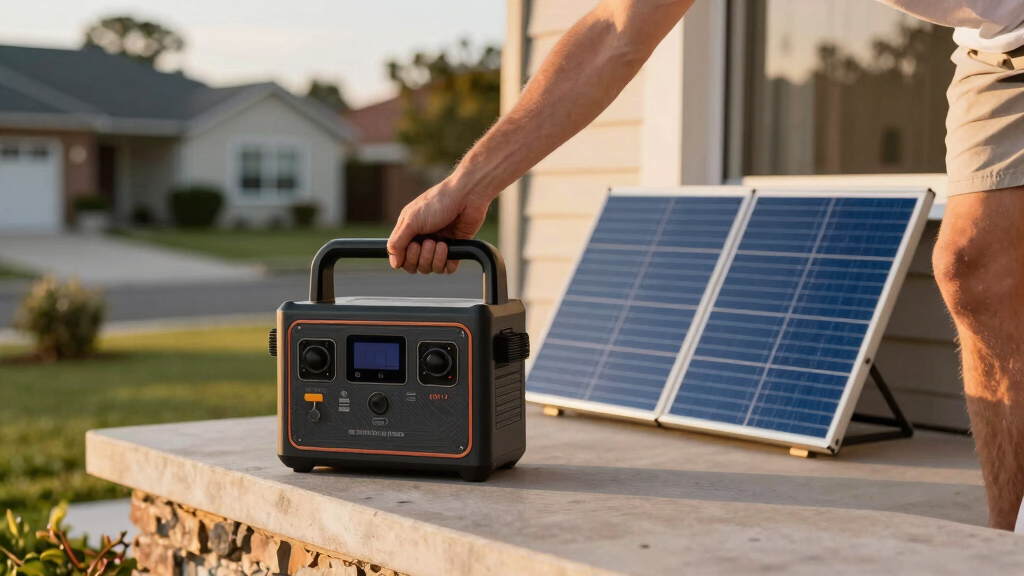
How We Picked
This lineup was assembled based on a combination of performance, build quality, usability, and value. Priority was given to battery chemistry—LiFePO4 batteries score higher for longevity and safety. Power output, surge capacity, and charging speed determined how well a unit could meet real household demands during outages. We also considered expandability options, portability, and user-friendly features such as monitoring apps or UPS functions. Products were ranked to balance these factors, favoring systems that deliver reliable, versatile backup power for diverse home needs without excessive complexity or cost.Factors to Consider When Choosing Home Backup Power Stations
Choosing the right home backup power station involves balancing capacity, size, and features according to your specific needs. It’s not just about raw power but also how the system integrates into your household, future plans, and budget. Understanding key factors can help prevent common pitfalls like underestimating power needs or overpaying for features you won’t use.Capacity and Power Output
Assess your essential power needs—think about appliances, medical devices, or electronics you must keep running during outages. Larger capacity units can power more devices for longer but tend to be bulkier and pricier. Peak surge capacity is equally important for starting high-demand appliances like refrigerators or pumps. Matching your power demands with a suitable system prevents underperformance or unnecessary expense.
Battery Chemistry and Longevity
LiFePO4 batteries dominate high-end backup systems because they last longer—often 10+ years—and are safer than traditional lithium-ion. They also support more charge cycles, making them a better long-term investment. Cheaper options with older chemistry might save money upfront but often degrade faster, leading to replacement costs. Consider your expected usage and willingness to invest upfront for greater durability.
Expandability and Integration
Some systems allow adding extra batteries or connecting to solar and home wiring, offering future-proofing. Expandable units suit homeowners who plan for larger loads or want the flexibility to upgrade. However, these options add complexity and upfront costs, and not all systems are compatible with existing home wiring. Evaluate your future needs carefully before committing to a highly expandable system.
Portability and Installation
If you need a backup system that can be moved around or for outdoor use, portability becomes a priority. Compact units are easier to handle but might lack capacity. Larger stationary models deliver more power but require professional installation and space. Think about where and how often you’ll need to use the system to find the right balance.
Ease of Use and Monitoring
User-friendly interfaces, mobile apps, and real-time monitoring can make managing backup power simpler, especially for beginners. Features like automatic transfer switches or UPS functions reduce manual intervention. Conversely, more advanced systems might require technical knowledge or setup. Choose a system that matches your comfort level with technology and maintenance.
Frequently Asked Questions
Can a home backup power station run my entire house?
Most portable backup stations are designed for essential circuits or specific appliances rather than an entire home. Larger stationary systems or integrated home backup solutions can handle whole-house loads but typically involve professional installation and higher costs. Evaluate your critical power needs first, then consider systems capable of scaling to meet those demands, bearing in mind that truly whole-house backup may require a dedicated, professionally installed system.
How long can a backup power station keep my home running during an outage?
The runtime depends on the capacity of the system and your power consumption. For example, a 2000Wh system might power a refrigerator or several lights for a full day, but this varies with load. Larger systems like stationary units with 10,000Wh or more can last multiple days if managed properly. To estimate your needs, list your essential devices and their wattage, then calculate the approximate runtime based on the power station’s capacity.
Are portable power stations safe to use indoors?
Yes, most portable power stations with LiFePO4 batteries are safe for indoor use, provided you follow manufacturer instructions. These systems are designed with safety features like thermal management and short-circuit protection. However, proper ventilation is recommended, especially if using solar or charging from external sources. Always keep units in a dry, cool place and avoid exposing them to extreme temperatures or moisture.
What is the typical lifespan of a home backup power station?
The lifespan varies based on battery chemistry and usage but generally ranges from 8 to 15 years for high-quality LiFePO4 units. Proper maintenance, such as avoiding deep discharges and keeping the system in suitable conditions, can extend this lifespan. When considering a long-term investment, check the warranty and expected cycle life of the batteries—this indicates how many full charge-discharge cycles the system can handle before performance diminishes.
Should I choose a portable or stationary backup power system?
This depends on your needs. Portable units are ideal for small-scale backup, outdoor use, or if you need flexibility to move the system around. Stationary systems are better suited for whole-house backup, offering higher capacity and often more seamless integration into your home’s electrical system. Consider your existing infrastructure, how much power you need, and whether you prefer mobility or permanence when making your choice.
Conclusion
For most homeowners seeking reliable backup power, the best overall pick combines capacity, portability, and ease of use, making it suitable for a range of scenarios. Those prioritizing long-term investment and maximum capacity should consider the best premium or stationary options. If you’re new to backup systems or want a straightforward setup, the best for beginners offers simplicity and safety. For larger households or those planning for future expansion, systems with high expandability provide flexibility. Ultimately, your choice depends on your budget, power needs, and whether you prefer portability or a permanent installation.