Reliable backup power begins with a plan, not a particular generator, battery, or solar panel. The right system depends on what you need to keep running, how long an outage might last, where the equipment can operate safely, and whether you want portable emergency coverage or a more integrated home-energy setup. This hub explains the main options, shows how they fit together, and points you toward detailed guides for choosing and maintaining portable generators.
Most households do not need to power every circuit during an outage. Refrigeration, lighting, communications, medical equipment, heating controls, sump pumps, and selected outlets often matter more than central air conditioning or electric cooking. Identifying those priorities first makes it easier to compare inverter generators, dual-fuel models, batteries, solar charging, and permanently installed systems without buying more capacity than you can safely use.
Start With an Essential-Loads Plan
Create a list of devices that must operate during a power failure. Record each device’s running wattage and, where applicable, its higher starting or surge requirement. Motors and compressors can briefly demand substantially more power when they start, so a system sized only around running watts may overload when a refrigerator, pump, or air conditioner cycles on.
Separate your loads into three groups:
- Critical loads, such as medical devices, refrigeration, sump pumps, and essential heating equipment.
- Useful loads, including internet equipment, lights, fans, device chargers, and selected kitchen appliances.
- Optional high-demand loads, such as electric water heaters, clothes dryers, ovens, and large air conditioners.
Next, consider which loads will run simultaneously. A generator does not need to cover the sum of every appliance you own if you can manage them in stages. For example, you might temporarily turn off a microwave or coffee maker while a pump is running. This load-management approach can reduce the required system size, fuel consumption, and equipment weight.

SIOKIUU 2500W Portable Generator Super Quiet Inverter Generator Ultra Lightweight for Home Backup Outdoor Camping, CO Sensor Protect, EPA, ECO Mode
- Extended Runtime: Up to 17 hours on a full tank
- High Power Output: 2500W peak, 1900W continuous
- Pure Sine Wave Power: Less than 3% THD for sensitive electronics
As an affiliate, we earn on qualifying purchases.
As an affiliate, we earn on qualifying purchases.
Choose the Right Backup-Power Category
Portable Inverter Generators
Inverter generators are popular for targeted household backup, camping, tailgating, and RV use. They regulate their output electronically and are commonly chosen for powering a modest collection of appliances and electronics. Their portability makes them flexible, but they still require outdoor operation, fuel management, safe cabling, and hands-on setup during an outage.
A unit near the middle of the portable range can be useful when the goal is refrigeration, lights, electronics, and a few carefully managed appliances. To compare models in this class, begin with the guide to the best 2500-watt inverter generators. If you prefer Honda-focused options in a smaller portable format, see the Honda inverter generator guide.
Conventional Portable Generators
Conventional generators can serve larger groups of loads and may offer outlet configurations suited to heavier backup tasks. Compared with compact inverter units, they are often larger and less convenient to move. The important comparison is not simply maximum wattage: examine continuous output, starting capacity, outlet types, fuel requirements, runtime conditions, noise considerations, and the connection method your home will use.
Homes or RVs with high-current requirements may call for a generator equipped for a 50-amp connection, provided the generator, cable, inlet, and electrical system are compatible. The roundup of Honda 50-amp generators offers a focused starting point for that category.
Dual-Fuel Generators
Dual-fuel generators can operate on two supported fuel types, commonly gasoline and propane. That flexibility can be valuable when one fuel is unavailable or difficult to store. However, output and runtime may differ by fuel, and every model has its own starting, switching, storage, and maintenance procedures. Compare the specifications for the fuel you actually expect to use rather than relying solely on the largest number displayed in a product description.
For an overview of current configurations, consult the guide to dual-fuel inverter generators. Think about local fuel availability, container storage rules, cold-weather starting, and how frequently you are willing to rotate stored gasoline.
Battery Power Stations and Solar
Battery power stations can run indoors because they do not produce engine exhaust during use. They are useful for electronics, communications, lights, medical equipment, and other loads within their output and battery limits. They also avoid fuel handling and require less routine engine maintenance. Their main constraint is finite stored energy: watt-hours determine how long a load can run, while inverter wattage determines what the system can power at one time.
Solar panels can recharge a compatible battery system when sunlight and panel placement permit, but solar is not automatically continuous backup. Weather, shade, season, panel orientation, charge-controller limits, and daily energy use all affect recovery. A practical solar backup plan sizes the battery for overnight and low-sun periods, then sizes the array around realistic daily charging conditions.
Hybrid Backup Systems
A hybrid approach combines the quiet, immediate operation of a battery with the longer-duration capability of a fuel-powered generator. The battery can handle low overnight loads or short interruptions, while the generator can support heavier loads and recharge compatible equipment when necessary. This arrangement can reduce unnecessary engine operation, but only when each component is connected according to its manufacturer’s instructions.

Portable Solar Generator 300W Portable Power Station with 60W Solar Panel
- Portable with 60W Solar Panel: Powerful 300W generator for outdoor use
- Multiple Charging Outlets: AC, DC, USB ports with SOS flashlight
- Versatile Charging Options: Recharge via AC, solar, or carport
As an affiliate, we earn on qualifying purchases.
As an affiliate, we earn on qualifying purchases.
Plan a Safe Home Connection
Never connect a portable generator to a household receptacle to energize home wiring. This unsafe practice can send power beyond the house and expose utility workers, neighbors, and occupants to serious electrical hazards. A home connection should use properly rated equipment such as a transfer switch or an approved interlock arrangement installed in compliance with local requirements by a qualified electrician.
A transfer setup lets you select the circuits that receive backup power while isolating the home from the utility supply. The generator’s voltage, output, neutral configuration, receptacles, cable, inlet, overcurrent protection, and transfer equipment must work together. If you are uncertain about any part of this system, obtain professional guidance before an outage rather than improvising under pressure.

Oxseryn Power Equipment 4400 Watts Inverter Generator Gas Powered, Portable Open Frame Generator, Low Noise with ECO Mode, RV Ready, Emergency Home Backup
- High Power Output: 4400 peak / 3400 running watts
- Multiple Output Ports: 2 AC, 1 DC, RV port
- Long Runtime: Up to 14 hours at 25% load
As an affiliate, we earn on qualifying purchases.
As an affiliate, we earn on qualifying purchases.
Generator Placement and Carbon Monoxide Safety
Fuel-burning generators produce carbon monoxide, an invisible and potentially deadly gas. Operate them outdoors, well away from doors, windows, vents, crawlspaces, garages, and other openings. A garage, basement, shed, porch, or partially enclosed area is not made safe merely by opening a door or window. Follow the generator manufacturer’s placement instructions and applicable public-safety guidance.
Use working carbon monoxide alarms in the home and maintain them according to their instructions. Position the generator on a stable surface where exhaust cannot drift toward occupied spaces. Protect it from unsuitable weather exposure without enclosing it or restricting required cooling and exhaust airflow. Never refuel a hot or running engine, and keep ignition sources away from stored fuel.
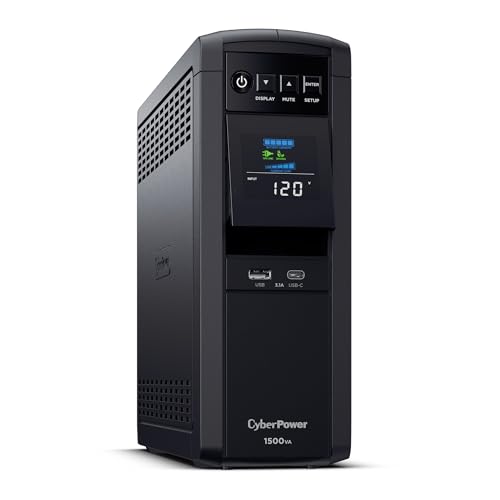
CyberPower CP1500PFCLCD PFC Sinewave UPS Battery Backup and Surge Protector, 1500VA/1000W, 12 Outlets, AVR, Mini Tower, UL Certified
- Power Capacity: 1500VA/1000W PFC Sine Wave UPS
- Outlets: 12 NEMA 5-15R outlets with surge protection
- USB Charging: 1 Type-A and 1 Type-C ports
As an affiliate, we earn on qualifying purchases.
As an affiliate, we earn on qualifying purchases.
Fuel, Oil, and Routine Maintenance
A generator that sits unused for most of the year still needs attention. Before relying on it, inspect the oil level, fuel system, air filter, spark plug, battery if fitted, cables, outlets, and visible fasteners. Follow the maintenance schedule and oil specification in the owner’s manual; oil choice can vary with engine design and ambient temperature.
Honda owners can explore the comparison of generator oils for Honda engines. RV owners have different operating patterns and storage concerns, so the guide to generator oils for RV use provides a more targeted reference. These roundups can help narrow the field, but the generator manual remains the controlling source for viscosity, oil category, capacity, and service intervals.
Gasoline degrades during storage and can contribute to difficult starting or fuel-system deposits. Buy manageable quantities, store them only in approved containers, observe local rules, and rotate supplies. If a stabilizer is appropriate for your fuel and equipment, measure and use it according to its label. RV owners can compare options in the guide to fuel stabilizers for RVs.
Protect Equipment Between Outages
Storage should keep a generator clean and dry while allowing it to cool fully before it is covered. A cover can reduce exposure to dust and debris, but it is not permission to operate the generator in an enclosed space or beneath a cover that blocks ventilation. Confirm whether a product is intended only for storage or specifically designed for use around operating equipment.
Champion owners can review the guide to Champion generator covers. Check model dimensions and control-panel access rather than assuming that a brand-compatible description guarantees a precise fit.
Build an Outage-Ready Kit
Keep all supporting equipment together so the system can be deployed safely in poor weather or darkness. A useful kit may include:
- Manufacturer manuals and a written startup and shutdown checklist.
- Properly rated extension cords or the correct generator-inlet cable.
- Fuel containers, funnels, gloves, and spill-cleanup supplies.
- The specified engine oil and routine maintenance parts.
- Flashlights, batteries, carbon monoxide alarms, and a fire extinguisher suitable for the setting.
- A load list showing which appliances can operate together.
Test the system periodically under controlled conditions. Confirm that the generator starts, the battery power station charges, cables remain in good condition, and essential devices operate without exceeding rated output. Do not wait for a severe outage to discover that fuel is stale, a connector does not fit, or an appliance has a larger starting demand than expected.
Match the System to Your Real Use Case
Short Residential Outages
For interruptions lasting a few hours, a battery system or small inverter generator may cover communications, refrigeration, lighting, and selected electronics. Prioritize quick deployment, low complexity, and enough energy for the expected duration.
Extended or Weather-Related Outages
Longer outages make fuel availability, refueling safety, maintenance, and redundancy more important. A dual-fuel generator or hybrid battery-generator setup may offer more flexibility. Households that depend on electrically powered medical equipment should create a separate emergency plan with healthcare and local emergency resources rather than relying on a single backup device.
RV and Mobile Power
RV use adds campground rules, storage vibration, limited cargo capacity, shore-power connections, and onboard appliance starting loads. Verify connector compatibility and understand the RV’s electrical limits. Never place a running portable generator inside an RV compartment unless the entire system was specifically engineered and approved for that installation.
Whole-Home Convenience
If your objective is automatic operation or support for many high-demand circuits, discuss a permanently installed generator, home battery, or integrated solar-and-storage system with qualified professionals. These projects involve electrical design, permitting, fuel supply, ventilation, utility rules, and equipment-location requirements that cannot be solved by wattage alone.
A Practical Decision Path
Begin with essential loads, calculate simultaneous running and starting demand, and decide how many hours or days of autonomy you need. Then choose between portable generation, battery storage, solar charging, or a hybrid design. Confirm safe placement and the electrical connection method before purchasing equipment. Finally, create a maintenance schedule, store fuel and accessories responsibly, and rehearse the setup.
The best backup-power system is one your household can operate safely and confidently. Capacity matters, but so do connection design, carbon monoxide protection, fuel logistics, battery runtime, maintenance, and realistic expectations. Treat those elements as one coordinated plan, and your equipment will be far more useful when normal power is unavailable.