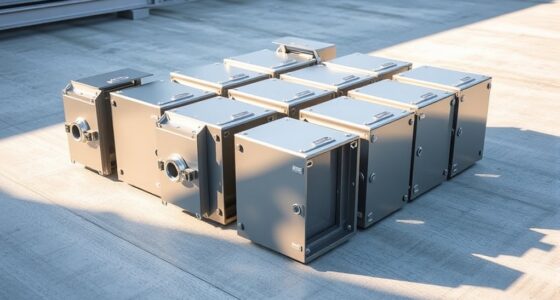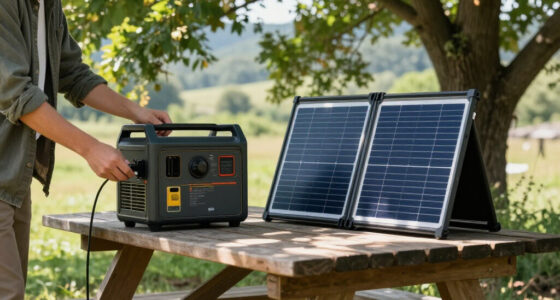

The best home battery systems depend on whether you need whole-home backup, a modular battery bank, or a portable unit for essential devices. I rank the Anker SOLIX E10 as the best overall for buyers seeking a dedicated whole-home backup system, while the EcoFlow DELTA Pro Ultra X stands out for its large listed capacity and integrated smart panel. For a more hands-on battery-bank setup, the ECO-WORTHY 10kW kit pairs a hybrid inverter with 10.24kWh of storage. The central tradeoff is between an integrated, simpler system and a more configurable setup that may demand careful compatibility checks. Read on for how each option fits different homes and backup plans.

Get backup power and energy gear delivered free with Prime
- Fast, free delivery on millions of items
- Prime Video, Amazon Music and more included
- Member-only deals all year
Key Takeaways
- Whole-home intent changes the shortlist: Anker SOLIX E10 and EcoFlow DELTA Pro Ultra X are presented as integrated backup choices, while rack batteries and inverter kits call for more system planning.
- Listed capacity alone does not settle the choice: The DELTA Pro Ultra X lists 12,288Wh, while the ECO-WORTHY kits list 10.24kWh; usable energy, output, and installation details still matter.
- Battery-only products leave more decisions to the buyer: The Cubix100, Powermega batteries, HumsiENK, and WT5100 need a compatible inverter and a suitable installation plan.
- Portable stations trade home integration for flexibility: Jackery HomePower and PowerMax options are easier to think of as movable backup, but their listed capacities and outputs differ from larger modular systems.
- The strongest fit depends on setup appetite: Bundled inverter kits reduce component matching, while battery-only units offer more freedom for buyers who already have or are planning a compatible system.
| ECO-WORTHY Cubix100 48V 100Ah LiFePO4 Server Rack Battery |  | Best for Modular Rack Systems | Nominal voltage: 48V (51.2V) | Capacity: 100Ah | Battery chemistry: LiFePO4 | VIEW LATEST PRICE | See Our Full Breakdown |
| ECO-WORTHY Powermega 48V 314Ah LiFePO4 Battery |  | Best Single-Battery Capacity | Model: L13L314AH-1 | Chemistry: LiFePO4 | Nominal voltage: 51.2V | VIEW LATEST PRICE | See Our Full Breakdown |
| HumsiENK 48V 628Ah LiFePO₄ Battery with Bluetooth, Active Balancing, and LCD |  | Best for High-Draw Backup | Chemistry: LiFePO₄ | Voltage: 48V | Capacity: 628Ah | VIEW LATEST PRICE | See Our Full Breakdown |
| Jackery HomePower 3600 Plus Portable Power Station, 3584Wh, 3600W AC Output |  | Best Portable, Expandable Backup | Capacity: 3,584Wh | AC output: 3,600W | Parallel output: 7,200W | VIEW LATEST PRICE | See Our Full Breakdown |
| Jackery HomePower 3000 Portable Power Station with Two 200W Solar Panels |  | Best Portable Solar Bundle | Capacity: 3,072Wh | AC output: 3,600W (7,200W surge) | UPS transfer time: ≤20ms | VIEW LATEST PRICE | See Our Full Breakdown |
| Anker SOLIX E10 Whole-Home Battery Backup System |  | Best for Outdoor Expansion | Battery capacity: 6 kWh, expandable to 90 kWh | Continuous output: 7.6 kW | Solar input: Up to 9 kW per unit | VIEW LATEST PRICE | See Our Full Breakdown |
| EcoFlow DELTA Pro Ultra X Power Station with Smart Home Panel 3, 12,288 Wh |  | Best for Whole-Home Circuit Backup | Battery capacity: 12,288 Wh | Expandable capacity: 12–180 kWh | Output power: 12 kW | VIEW LATEST PRICE | See Our Full Breakdown |
| WT5100 51.2V 100Ah LiFePO4 Server Rack Battery |  | Best Rack Battery for Custom Systems | Chemistry: LiFePO4 | Voltage: 51.2 V | Capacity: 100 Ah | VIEW LATEST PRICE | See Our Full Breakdown |
| PowerMax 6000 Portable Power Station, 3600Wh |  | Best Portable Backup for High-Power Loads | Battery capacity: 3,600 Wh | Battery type: LiFePO4 | Continuous AC output: 6,000 W | VIEW LATEST PRICE | See Our Full Breakdown |
| ECO-WORTHY 48V Home Backup Power Kit with 10kW Inverter and 10.24kWh Battery |  | Best Ready-to-Build Value Kit | Battery chemistry: LiFePO4 | Total battery capacity: 10,240 Wh | Battery configuration: Two 51.2 V 100 Ah batteries | VIEW LATEST PRICE | See Our Full Breakdown |
| ECO-WORTHY 48V Home Backup Power Kit with 10,240Wh LiFePO4 Batteries and 5,000W Inverter |  | Best Expandable Starter Kit | Battery chemistry: LiFePO4 | Battery configuration: Two 51.2V 100Ah batteries | Total capacity: 10,240Wh | VIEW LATEST PRICE | See Our Full Breakdown |
| ECO-WORTHY Powermega 48V 314Ah LiFePO4 Battery System with 10kW Hybrid Inverter (2 Batteries) |  | Best for Whole-Home and Off-Grid Capacity | Battery chemistry: LiFePO4 | Battery voltage: 48V | Battery configuration: Two 314Ah batteries | VIEW LATEST PRICE | See Our Full Breakdown |
More Details on Our Top Picks
ECO-WORTHY Cubix100 48V 100Ah LiFePO4 Server Rack Battery
The Cubix100 suits homeowners building storage in stages around a compatible 48V inverter and server rack. Its 5.12kWh capacity per battery is smaller than the ECO-WORTHY Powermega, so a single unit is better for a modest backup load than for long whole-home outages. The advantage is modularity: support for up to 32 units gives a system designer room to expand as needs grow, while CAN and RS485 can help the battery communicate with supported inverters. Bluetooth and Wi-Fi monitoring add convenient status checks. Its listed UL9540, UL1973, and CEC credentials are a notable distinction in this group. The tradeoff is that rack space and inverter compatibility are prerequisites, and the supplied terms require verified technical issues to qualify for return or replacement within 30 days.
Pros:- Listed UL9540, UL1973, and CEC credentials
- Supports CAN and RS485 inverter communication
- Bluetooth and Wi-Fi monitoring
- Can be expanded by paralleling up to 32 units
Cons:- Requires compatible rack space and inverter setup
- One 100Ah unit offers less storage than the ECO-WORTHY Powermega
- Verified technical issues must qualify for return or replacement within 30 days
Best for: Solar homeowners with a compatible inverter and rack who want to start with one battery and add capacity over time
Not ideal for: Buyers who need substantial backup capacity from a single battery or lack rack space and inverter compatibility
- Nominal voltage:48V (51.2V)
- Capacity:100Ah
- Battery chemistry:LiFePO4
- Certifications:UL9540, UL1973, CEC listed
- Communication:CAN, RS485
- Connectivity:Bluetooth, Wi-Fi
- Maximum parallel units:32
- Maximum parallel capacity:163.8kWh
- Warranty:10-year limited
Our verdict“Choose the Cubix100 if you have a compatible rack system and value gradual expansion over high capacity from one battery.”
ECO-WORTHY Powermega 48V 314Ah LiFePO4 Battery
With 16.07kWh in one battery, the Powermega gives a home storage setup more reserve before it needs a second unit. That makes it a more direct fit for larger backup loads than the Cubix100, whose smaller modules suit gradual system growth. A 200A battery management system, active cell balancing, integrated aerosol fire suppression, and a touchscreen give owners several ways to monitor and manage the system. It also supports expansion, although its maximum of 15 units is lower than the Cubix100’s stated 32-unit limit. The practical tradeoff is installation logistics: this is a large, heavy battery shipped on a pallet by truck, so the delivery site must handle freight. Buyers should also confirm inverter compatibility before choosing it.
Pros:- Provides 16.07kWh of storage in one battery
- 200A battery management system with active cell balancing
- Integrated aerosol fire-suppression modules
- Touchscreen, Wi-Fi, and Bluetooth monitoring
Cons:- Large and heavy, with palletized truck delivery
- Delivery requires a site that can accommodate freight
- Supports fewer parallel units than the Cubix100
Best for: Homeowners with substantial backup needs who can receive freight and want high storage capacity in one battery
Not ideal for: Buyers with limited installation space, no truck-accessible delivery address, or an inverter whose compatibility is unconfirmed
- Model:L13L314AH-1
- Chemistry:LiFePO4
- Nominal voltage:51.2V
- Capacity:314Ah
- Energy:16.07kWh
- Battery management system:200A with active cell balancing
- Expansion:Up to 15 units; 241kWh maximum
- Monitoring:7-inch HD touchscreen, Wi-Fi, and Bluetooth
- Warranty:10 years
Our verdict“Pick the Powermega if you want more storage from a single battery and can manage its freight delivery and installation requirements.”
HumsiENK 48V 628Ah LiFePO₄ Battery with Bluetooth, Active Balancing, and LCD
The HumsiENK pairs 32.15kWh of storage with 10.24kW of continuous output, a combination aimed at homes that need both a long reserve and the ability to run heavier loads. Its stated continuous power is the clearest differentiator from the ECO-WORTHY Powermega, which offers 16.07kWh per battery but does not list a continuous output figure in the supplied specifications. A 200A management system and 3A active balancing support battery monitoring and cell management; Bluetooth, an LCD, and RS485, CAN, and RS232 provide several monitoring and communication options. The tradeoff is a more demanding installation: this is a wall-mounted, high-capacity battery delivered by freight, and inverter compatibility matters. I would verify that pairing before treating its capacity as usable backup for a specific home.
Pros:- 32.15kWh capacity for extended backup
- 10.24kW continuous power
- 3A active balancing with a 200A battery management system
- Bluetooth, LCD, and multiple inverter communication protocols
Cons:- Freight delivery requires a suitable truck-accessible address
- Inverter compatibility must be confirmed
- High capacity and wall mounting call for a substantial installation plan
Best for: Homeowners with high continuous loads, space for wall mounting, and an inverter confirmed to work with the battery
Not ideal for: Small homes or simple backup setups that do not need this much capacity or cannot accommodate freight and wall installation
- Chemistry:LiFePO₄
- Voltage:48V
- Capacity:628Ah
- Energy:32.15kWh
- Continuous power:10.24kW
- Battery management system:200A
- Active balancing:3A
- Communication protocols:RS485, CAN, RS232
- Mounting:Wall mount
Our verdict“Choose the HumsiENK for high-demand backup when its inverter compatibility and wall-mount installation are confirmed.”
Jackery HomePower 3600 Plus Portable Power Station, 3584Wh, 3600W AC Output
The HomePower 3600 Plus is for buyers who want backup power they can move, recharge in different ways, and expand without starting with a fixed battery installation. Its wheels and telescopic handle make it easier to reposition than the wall-mounted HumsiENK, while hybrid AC and DC, solar, and generator charging give it options when grid power is unavailable. At 3,584Wh, its base capacity is much smaller than the HumsiENK’s 32.15kWh, so extended whole-home backup calls for expansion. The unit can reach 120V on its own; 240V requires parallel operation, a meaningful setup constraint for certain home circuits. Jackery states a 6,000-cycle life, but charging times vary with conditions. This is a flexible portable system, not a one-box equivalent to a large fixed battery bank.
Pros:- Wheeled design and telescopic handle ease repositioning
- Supports AC, solar, gas generator, and hybrid charging
- Expandable capacity up to 21kWh per unit
- Parallel operation can provide 240V output
Cons:- Base capacity is far below the HumsiENK’s 32.15kWh
- 240V output requires parallel operation
- Listed charging times depend on charging conditions
Best for: Households seeking movable backup for essential appliances with room to expand and multiple charging sources
Not ideal for: Buyers who need high-capacity, fixed whole-home storage or standalone 240V output
- Capacity:3,584Wh
- AC output:3,600W
- Parallel output:7,200W
- Output voltage:120V; 240V in parallel
- Expandable capacity:Up to 21kWh per unit or 43kWh with multiple units
- Charging options:Hybrid AC+DC, AC, solar, gas generator
- Recharge time:2 hours hybrid AC+DC; 2.5 hours AC or gas generator; 4 hours solar
- Battery cycle life:6,000 cycles
- Design:Wheels and telescopic handle
Our verdict“Choose the HomePower 3600 Plus if portability and charging flexibility matter more than large capacity in a single fixed system.”
Jackery HomePower 3000 Portable Power Station with Two 200W Solar Panels
This HomePower 3000 bundle pairs a portable power station with two 200W solar panels, making it a straightforward choice for buyers who want a solar recharging option included. Its 3,072Wh capacity and 3,600W AC output can cover a range of essential devices, while the listed UPS transfer time of 20ms or less helps keep connected equipment running through a brief outage. Compared with the HomePower 3600 Plus, this model has slightly less capacity and a lower stated cycle life, but it adds the panels in the bundle and includes a TT-30 RV port. The compromise is solar replenishment speed: the included panels are listed at nine hours to reach 80%, and the station and panels ship separately. It suits portable essentials backup better than long-duration home storage.
Pros:- Includes two 200W solar panels
- UPS transfer time of 20ms or less
- 3,600W AC output with 7,200W surge
- Includes a TT-30 RV port and multiple device ports
Cons:- Solar charging to 80% takes 9 hours with included panels
- Power station and panels ship separately
- Lower listed cycle life than the HomePower 3600 Plus
Best for: Campers or homeowners who want a portable essentials backup unit with included solar panels and an RV connection
Not ideal for: Buyers seeking rapid solar recharge, large fixed home storage, or a single coordinated shipment
- Capacity:3,072Wh
- AC output:3,600W (7,200W surge)
- UPS transfer time:≤20ms
- Included solar panels:2 × 200W
- Battery chemistry:LiFePO4
- Battery cycle life:4,000 cycles to 70% capacity
- Charging time:1.7 hours via hybrid AC/DC; 2.2 hours via AC
- Ports:AC, USB-C, USB-A, DC, TT-30 RV
Our verdict“Pick this bundle for portable backup with included solar panels and RV connectivity, provided its solar recharge pace fits your needs.”
Anker SOLIX E10 Whole-Home Battery Backup System
The Anker SOLIX E10 suits homeowners who want an outdoor-ready system they can grow over time. Its NEMA 4 protection and LFP chemistry support installation in a wider range of locations, while up to 9 kW of solar input per unit can make it a fit for substantial solar arrays. Capacity starts at just 6 kWh, though, so backup duration may feel limited until more modules are added. Compared with the EcoFlow DELTA Pro Ultra X, the E10 has lower continuous output and a smaller starting battery, but its expandable capacity reaches 90 kWh and it weighs 60.6 pounds per listed unit. I’d choose it for modular outdoor growth, not for buyers who need high capacity straight out of the box.
Pros:- Expandable capacity up to 90 kWh supports phased system growth
- NEMA 4 protection makes it suitable for outdoor use
- Up to 9 kW of solar input per unit supports substantial solar charging
- LFP battery chemistry and smart generator compatibility add flexibility
Cons:- The 6 kWh starting capacity may not cover extended outages
- At 60.6 pounds, the listed unit is not especially easy to move
Best for: Homeowners planning an outdoor installation who want to add battery capacity as their backup needs grow
Not ideal for: Households that need long-duration backup immediately, since the included system starts at 6 kWh
- Battery capacity:6 kWh, expandable to 90 kWh
- Continuous output:7.6 kW
- Solar input:Up to 9 kW per unit
- Battery type:LFP
- Operating temperature:-4°F to 131°F
- Outdoor protection:NEMA 4
- Weight:60.6 pounds
- Warranty:5 years
Our verdict“Choose the E10 if outdoor placement and expandable storage matter more than getting a large battery at the start.”
EcoFlow DELTA Pro Ultra X Power Station with Smart Home Panel 3, 12,288 Wh
The EcoFlow DELTA Pro Ultra X is the strongest fit here for buyers who want an integrated approach to household backup. Its 12 kW output, 240 V capability, and Smart Home Panel 3 support managed household circuits, while a transfer time under 20 milliseconds helps connected loads switch quickly during an outage. Capacity can grow from 12 kWh to 180 kWh, giving it more stated expansion headroom than the Anker SOLIX E10. That scale comes with a practical catch: the inverter, battery, and panel ship separately, and the system needs room for a substantial installation. I’d rank it ahead of portable stations for whole-home planning, but buyers seeking a simple, single-box backup should look elsewhere.
Pros:- 12 kW output and 240 V support suit whole-home circuit backup
- Capacity expands from 12 kWh up to 180 kWh
- Under-20-millisecond transfer time supports fast outage response
- Smart Home Panel 3 manages circuits and automatic switchover
Cons:- Inverter, battery, and Smart Home Panel 3 ship separately
- The large expandable system requires dedicated installation space
Best for: Homeowners seeking managed backup for household circuits, with room to expand storage and use solar or off-peak grid power
Not ideal for: Renters or households that need a compact, ready-to-use power station without a substantial installation
- Battery capacity:12,288 Wh
- Expandable capacity:12–180 kWh
- Output power:12 kW
- Voltage:240 V
- Transfer time:Under 20 ms
- Power sources:Solar, battery, and off-peak grid power
- Dimensions:26.6 × 18.7 × 9.06 inches
- Included components:Inverter, battery, and Smart Home Panel 3; shipped separately
Our verdict“Pick the DELTA Pro Ultra X if you want high-output circuit-managed backup and can accommodate its installation and separately shipped components.”
WT5100 51.2V 100Ah LiFePO4 Server Rack Battery
The WT5100 is a battery module for builders who already have a compatible inverter and want to assemble storage around it. Its 5.12 kWh capacity, 100A smart BMS, LCD, and CAN/RS485 communication offer useful monitoring and system integration details; parallel connections can scale the bank as needs change. That flexibility sets it apart from the ready-to-configure ECO-WORTHY 48V Home Backup Power Kit, which includes batteries and a 10 kW inverter. The tradeoff is that the WT5100 is not a complete backup system, and inverter compatibility needs checking before purchase. Its listed certifications and 10-year limited warranty are useful selection factors, but buyers must still plan the inverter, wiring, and installation themselves.
Pros:- 5.12 kWh LiFePO4 module with 100A smart BMS
- LCD and CAN/RS485 communication support system monitoring
- Parallel expansion supports up to 63 batteries
- UL1973 certification, UL9540A testing, and a 10-year limited warranty are listed
Cons:- Requires a compatible inverter and additional system components
- Compatibility can vary across inverter models
Best for: Solar and backup system builders who need a rack-mountable 48 V battery compatible with their chosen inverter
Not ideal for: Homeowners seeking a complete battery-and-inverter backup kit or those unable to confirm inverter compatibility
- Chemistry:LiFePO4
- Voltage:51.2 V
- Capacity:100 Ah
- Energy:5.12 kWh
- Maximum output power:5.12 kW
- Battery management:100A smart BMS
- Communication:CAN/RS485
- Expansion:Up to 63 batteries in parallel
- Warranty:10-year limited warranty
Our verdict“Choose the WT5100 if you are building a rack-based system and have verified that your inverter can communicate with it.”
PowerMax 6000 Portable Power Station, 3600Wh
The PowerMax 6000 brings a high 6,000 W continuous output to a portable format, making it useful for running demanding appliances or several loads without installing a fixed home battery. Its 3.6 kWh LiFePO4 battery is much smaller than the 10.24 kWh bank in the ECO-WORTHY 48V Home Backup Power Kit, so sustained household backup is a different proposition; the PowerMax’s advantage is portability and AC, solar, and vehicle charging options. The stated UPS transfer time under 0.01 seconds may suit sensitive equipment, though that claim is product-provided. Solar panels are sold separately, and the listing notes that its heavy weight may mean separate shipments. I’d favor it for flexible appliance backup, not as a substitute for a larger fixed system.
Pros:- 6,000 W continuous and 9,000 W peak output handle substantial loads
- LiFePO4 battery is rated for over 3,500 cycles
- AC, compatible solar, and vehicle charging provide multiple recharge paths
- App control and a stated sub-0.01-second UPS transfer time add monitoring and backup flexibility
Cons:- 3,600 Wh capacity is limited for extended household backup
- Solar panels are sold separately
- The product notes its heavy weight may result in separate shipments
Best for: Homeowners who want a portable backup source for high-wattage appliances, workshop equipment, or selected household loads
Not ideal for: Households seeking long-duration whole-home backup from a large, permanently installed battery bank
- Battery capacity:3,600 Wh
- Battery type:LiFePO4
- Continuous AC output:6,000 W
- Peak output:9,000 W
- Charging methods:AC, compatible solar panels, and vehicle power outlet
- Full AC charge time:1.96 hours
- UPS transfer time:Under 0.01 seconds
- USB-C output:Up to 100 W
- Warranty:5 years
Our verdict“Choose the PowerMax for portable, high-output backup when flexibility matters more than the long runtime of a fixed home battery bank.”
ECO-WORTHY 48V Home Backup Power Kit with 10kW Inverter and 10.24kWh Battery
The ECO-WORTHY 48V Home Backup Power Kit brings two LiFePO4 batteries and a 10 kW inverter together, giving buyers a defined starting system for fixed home backup. Its 10.24 kWh storage and 120/240 V split-phase output make it better suited to household circuits than the standalone WT5100, which requires a separately chosen inverter. Dual MPPT controllers and a 200A charger give the kit multiple charging capabilities, while parallel support leaves room for expansion. The tradeoffs are the separate shipments and the need to buy compatible inverters or batteries for growth. The stated dimensions describe the listed product, but installation space and wiring still need planning. I’d choose it for a bundled inverter-and-battery foundation, rather than a ready-installed appliance.
Pros:- Includes two 51.2 V 100 Ah LiFePO4 batteries and a 10 kW inverter
- 120/240 V split-phase output supports a range of household circuits
- Dual independent MPPT controllers and a 200A battery charger support system charging
- Expansion supports up to six inverters and 32 batteries in parallel
Cons:- Batteries and other items ship separately
- Expansion requires additional compatible inverters or batteries
- A fixed system requires installation planning for wiring and space
Best for: Homeowners planning a fixed 48 V backup system who want batteries and a split-phase inverter in one kit
Not ideal for: Buyers who need a portable plug-and-play power station or want all components delivered together
- Battery chemistry:LiFePO4
- Total battery capacity:10,240 Wh
- Battery configuration:Two 51.2 V 100 Ah batteries
- Inverter output:10,000 W
- Peak power:20,000 W
- Output voltage:120 V or 240 V split-phase; 120 V single-phase
- Charge controllers:Two independent MPPT controllers
- Maximum battery charger current:200 A
- Expansion:Up to 6 inverters and 32 batteries in parallel
Our verdict“Choose this kit if you want a substantial fixed backup foundation with batteries and a 10 kW split-phase inverter included.”
ECO-WORTHY 48V Home Backup Power Kit with 10,240Wh LiFePO4 Batteries and 5,000W Inverter
A paired battery and inverter makes this kit a more complete starting point than the ECO-WORTHY Cubix100, which is a standalone battery and needs compatible equipment added. Its 10,240Wh of LiFePO4 storage and 5,000W rated inverter output suit essential circuits and moderate off-grid loads, while the built-in MPPT controller and charger reduce the number of separate components to assemble. Bluetooth and Wi-Fi app monitoring add visibility into system operation, and parallel expansion leaves room to grow. The tradeoff is that one inverter supplies 120V output, so buyers needing split-phase 240V should look at the Powermega 48V 314Ah system instead. The kit also ships in separate items, which can complicate delivery and setup. It fits buyers comfortable planning a 48V installation, rather than anyone seeking a plug-and-play portable power station.
Pros:- Includes two LiFePO4 batteries and an inverter with built-in MPPT controller and charger.
- 10,240Wh capacity supports more sustained backup than compact portable stations such as the Jackery HomePower 3600 Plus.
- Bluetooth, Wi-Fi, app monitoring, and CAN/RS485 communication provide multiple ways to check system status.
- Parallel support allows expansion to multiple inverters and batteries.
Cons:- A single inverter provides 120V output, limiting compatibility with 240V household loads.
- Batteries and inverter ship separately, making delivery coordination less straightforward.
- A fixed 5,000W rated output may not suit buyers with large simultaneous loads.
Best for: DIY homeowners building a 48V backup system for essential 120V loads who want batteries and inverter included and may expand later.
Not ideal for: Households that need split-phase 240V from one system or buyers seeking a portable, ready-to-use power station.
- Battery chemistry:LiFePO4
- Battery configuration:Two 51.2V 100Ah batteries
- Total capacity:10,240Wh
- Inverter peak power:10,000W
- Inverter type:Pure sine wave
- MPPT controller:100A
- PV input voltage range:120–500V DC
Our verdict“Choose this kit for expandable 120V backup with substantial battery storage, and skip it if your home requires split-phase 240V.”
ECO-WORTHY Powermega 48V 314Ah LiFePO4 Battery System with 10kW Hybrid Inverter (2 Batteries)
For buyers who need long runtimes and higher output, this bundled system sits above the ECO-WORTHY 48V Home Backup Power Kit in both scale and electrical flexibility. Its 30kWh+ usable energy and 10kW hybrid inverter can support a broader set of backup or off-grid loads, while split-phase 240V and 120V output suit more household equipment than the smaller kit’s single-inverter 120V output. The batteries add active balancing, several communication options, and built-in protection features, including aerosol fire suppression. That capacity comes with practical costs: the batteries are heavy and arrive by palletized truck, and the inverter version may vary in appearance. This system makes sense when a substantial fixed installation is the goal; buyers with modest backup needs may find the smaller ECO-WORTHY kit easier to accommodate.
Pros:- More than 30kWh of usable energy provides substantially longer backup potential than the 10,240Wh ECO-WORTHY kit.
- 10kW inverter supports larger loads, with both split-phase 240V and single-phase 120V output.
- Active-balancing BMS and multiple listed safety features add battery management and protection.
- Bluetooth, Wi-Fi, RS485, CAN, and RS232 support monitoring and system communication.
Cons:- Large, heavy batteries require palletized truck delivery and a suitable installation location.
- The inverter version is selected randomly, so its exterior appearance may vary.
- Its capacity and output can be excessive for buyers who only need backup for a few essential circuits.
Best for: Homeowners or off-grid property owners planning a substantial fixed 48V system with 240V loads and extended backup needs.
Not ideal for: Apartment dwellers, buyers with modest essential-load needs, or anyone unable to receive and install heavy pallet-delivered batteries.
- Battery chemistry:LiFePO4
- Battery voltage:48V
- Battery configuration:Two 314Ah batteries
- Usable energy:30kWh+
- Inverter power:10kW
- Output:Split-phase 240V and single-phase 120V
- Battery cycle life:9000+ cycles at 80% DoD
- MPPT tracking efficiency:99.9%
- Communication:RS485, CAN, RS232, Bluetooth, and Wi-Fi
Our verdict“Pick the Powermega system for high-capacity backup with 240V support, provided you have space and logistics for a large fixed installation.”

How We Picked
I compared these systems by the job they appear designed to do: whole-home backup, modular storage, or portable power. I gave weight to listed energy capacity and output, whether an inverter or smart panel is included, and how much compatibility work the product leaves to the buyer. I also considered the practical value of included solar panels, battery expandability, and system integration, while treating manufacturer-listed specifications as claims to verify for the exact configuration.
The order favors products that make a clear, useful home-backup proposition with fewer missing components, then separates flexible kits and battery-only options by the planning they require. The Anker SOLIX E10 leads for its whole-home focus; EcoFlow follows with a high listed capacity and smart panel. Bundled ECO-WORTHY inverter systems rank ahead of standalone rack batteries for buyers seeking a ready-to-configure path, while portable stations suit narrower or mobile backup needs. I would confirm usable capacity, continuous and surge output, transfer behavior, installation requirements, warranty, and compatibility before choosing any system.
Factors to Consider When Choosing Best Home Battery Systems
Before choosing a model, I would start with the loads you need to keep running and how you expect to connect the battery to your home. Those choices affect the system size, installation, and whether a portable station or fixed setup makes sense.
Size for Essential Loads and Runtime
List the appliances and circuits you want to support, then estimate how long each must run during an outage. A refrigerator, lights, communications gear, and a few outlets create a different demand from electric cooking, heating, or central air conditioning. Battery capacity describes stored energy, while inverter output limits how much power the system can supply at once. A large capacity figure cannot compensate for an inverter that cannot start a motor or run several loads together. Ask for usable capacity and expected output under your planned setup, not just the headline battery rating. Leave room for seasonal changes and battery reserve so your plan does not depend on draining the system completely.
Choose Between Portable and Fixed Backup
A portable power station can move between rooms or go on a trip, which helps when you only need to power selected devices. A fixed system connected through a suitable panel can make backup circuits more convenient, but it brings installation and electrical planning into the decision. Buyers sometimes assume a portable unit can feed household wiring directly; connection methods and transfer equipment must be appropriate for the home and local rules. Think about whether you want to carry extension cords, switch loads manually, or have selected circuits backed up through an installed system. A fixed system can be more convenient during repeated outages, while portability is useful when the battery has to serve more than one setting. Match the format to how you will actually use backup power.
Check the Full System, Not Just the Battery
A battery-only product is one component of a storage system, so identify the inverter, battery management, wiring, disconnects, monitoring, and transfer equipment it requires. Confirm that the inverter supports the battery voltage and chemistry, and that the communications protocols match if the products rely on them. A bundled kit can reduce component-matching work, though it still needs careful review of what is included and what installation parts are separate. One common mistake is comparing a bare battery’s capacity with a complete power station as if both provide the same ready-to-use capability. Request a complete bill of materials and a clear single-line diagram from the installer or seller. This makes gaps visible before the equipment arrives.
Plan Solar Charging and Recharging
Solar panels can replenish stored energy, but their real contribution depends on sunlight, panel placement, weather, and the system’s charging limits. Check whether panels are included, whether they are compatible with the battery or station, and how much input power the system accepts. A panel bundle may be convenient for portable use, but it may not supply enough daily energy to support a high-demand household. Consider other charging routes, such as grid power or a generator, if outages may last through cloudy periods. Buyers can overestimate solar recovery by multiplying panel wattage by a full day of sunlight. Use realistic local production estimates and decide which loads get priority while charging.
Verify Expandability and Installation Constraints
Expandable systems can let you add storage as needs change, but expansion limits may apply to battery count, inverter capacity, firmware, and cable layout. Check whether new batteries must be the same model and age, and whether the manufacturer supports mixing units. Also confirm where the equipment can be installed, including temperature, ventilation, clearances, floor loading, and access for service. Rack batteries may need a rack or cabinet and an installer familiar with low-voltage battery banks. A compact portable station sidesteps some fixed-installation planning, but its expansion options may be different or restricted. Building around a documented future configuration avoids buying capacity that cannot connect cleanly later.
Compare Ownership Support and Warranty Terms
Warranty length is only one part of ownership; coverage conditions, cycle limits, support availability, and replacement procedures shape the experience if a fault occurs. Ask who handles service when a battery is paired with a third-party inverter, since responsibility can be less clear across brands. Check whether the system provides useful monitoring and alerts, and whether those functions depend on an internet connection or an account. Maintenance expectations also vary: some systems are designed for routine monitoring, while installed equipment may need periodic inspection by a qualified professional. Keep records of model numbers, firmware, installation documents, and settings. Clear support arrangements matter especially when the battery is expected to run critical home circuits.
Frequently Asked Questions
Can a 10kWh battery run my whole house during an outage?
It may support selected household loads, but the capacity figure alone cannot answer that. Runtime depends on how much energy your appliances use, while the inverter’s continuous and surge output determines which combinations can run at once. Heating, cooling, cooking, and water heating can consume energy quickly or exceed output limits. Ask an installer to model your essential circuits and expected outage duration using usable capacity. If you want whole-home coverage, confirm how the system handles high-demand appliances and automatic load management.
Should I buy a battery-only system or a kit with an inverter?
A battery-only unit can make sense if you already own a compatible inverter or want to choose components yourself. A kit with an inverter reduces some matching decisions, but you still need to check included wiring, transfer equipment, monitoring, and installation requirements. Confirm voltage, chemistry support, communications, and the system’s approved battery configurations before purchasing. If you are new to home storage, a complete design from a qualified installer can reduce the chance of an incompatible combination. Compare the finished system scope rather than the battery line item alone.
Can I connect a portable power station to my home’s electrical panel?
Some portable stations can support selected home circuits when paired with approved transfer equipment and installed correctly. Do not connect a station to household wiring through an improvised cable or outlet, since that can create dangerous backfeed conditions. Check the exact model’s supported connection method, power limits, and transfer behavior with the manufacturer and a qualified electrician. You may also find that extension cords are sufficient for a few devices, avoiding panel work altogether. The right choice depends on whether you want occasional device backup or a more integrated circuit-level setup.
How much solar do I need to recharge a home battery during an outage?
There is no single panel count that works for every home because local sun, roof direction, shade, weather, and daily energy use all affect production. Start by estimating how much energy your priority loads consume each day, then compare that with realistic solar production for your location. Check the battery system’s maximum solar input and compatible voltage range as well. A small array may extend runtime without fully recharging a large battery, especially in poor weather. A generator or grid charging option can provide a backup plan when solar output falls short.
What should I verify before expanding a battery system later?
Ask for the manufacturer’s supported expansion limits, including battery count, inverter capacity, and any rules about matching model, age, or firmware. Confirm that the current inverter can handle the additional storage and that the wiring and protection equipment are sized for the future configuration. A system may allow more battery capacity without allowing more simultaneous output, so separate those two goals. Get the intended expansion path documented before buying the first unit. This helps avoid adding batteries that cannot communicate with the original system or deliver the performance you expect.
Conclusion
For a clear whole-home backup focus, I would start with the Anker SOLIX E10 as my best overall pick, then compare the EcoFlow DELTA Pro Ultra X if its listed capacity and smart panel fit your needs. The ECO-WORTHY 10kW kit is my best value direction for buyers who want a battery and inverter together and are comfortable planning a fixed installation. Beginners should look first at an integrated system or a portable station such as the Jackery HomePower 3600 Plus, after confirming the intended connection method and output. For modular battery-bank projects, the ECO-WORTHY Powermega or HumsiENK 628Ah are better suited to buyers ready to check inverter compatibility and system design. If portability matters most, compare the Jackery and PowerMax stations against your device loads; if you need broad home coverage, prioritize a properly designed fixed system.