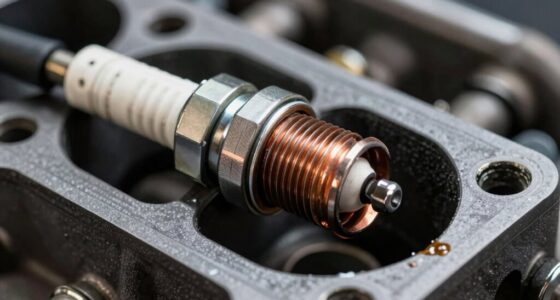

To keep your engine running smoothly, replace your spark plugs every 30,000 to 100,000 miles, depending on your vehicle’s manual. Signs like rough idling, sluggish acceleration, or increased fuel use mean it’s time for a change. To do it yourself, verify the engine is cool, disconnect the wires, remove the old plugs, check the gap on new ones, and install them carefully. If you want detailed steps, keep going and you’ll get all the tips you need.
Key Takeaways
- Check your vehicle manual for the recommended spark plug replacement interval, typically every 30,000 to 100,000 miles.
- Look for signs like rough idling, sluggish acceleration, or increased fuel consumption to determine if replacement is needed.
- Ensure the engine is cool, then disconnect spark plug wires and remove the old plugs using a spark plug socket and ratchet.
- Install new spark plugs by hand, check and set the correct gap, then tighten without overtightening; use a torque wrench if available.
- Reconnect wires, start the engine, and listen for smooth operation to confirm proper installation.
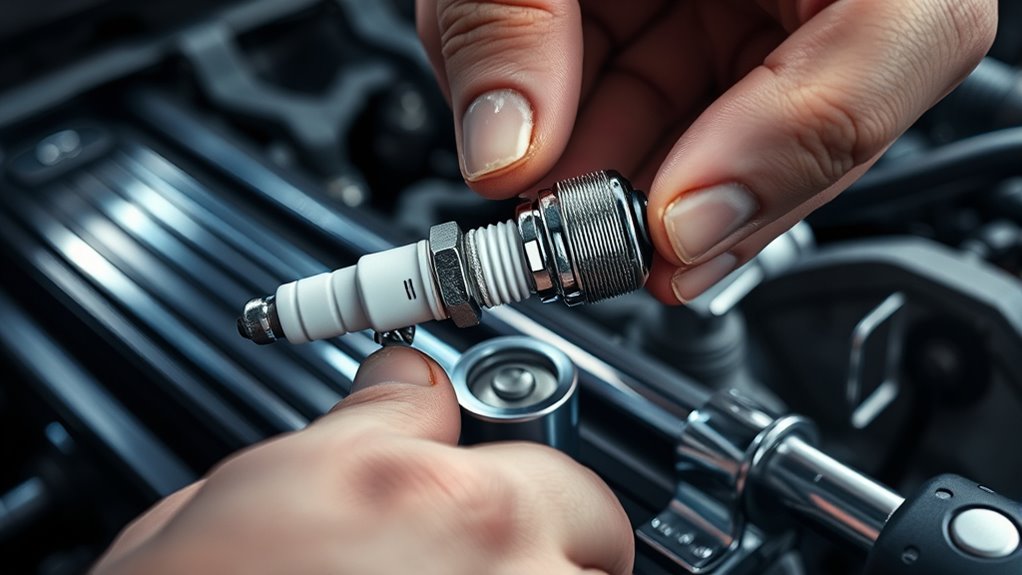
Replacing spark plugs is a straightforward maintenance task that can improve your vehicle’s performance and fuel efficiency. Spark plugs are vital components of your ignition system, responsible for igniting the air-fuel mixture in your engine cylinders. When they wear out, your engine struggles to run smoothly, leading to decreased fuel efficiency and possible misfires. Knowing when and how to replace them guarantees your vehicle remains reliable and economical to operate.
Replacing spark plugs boosts engine performance and fuel efficiency, preventing misfires and ensuring reliable operation.
Typically, spark plugs should be replaced every 30,000 to 100,000 miles, depending on your vehicle’s make and model. Check your owner’s manual for specific recommendations. Signs that your spark plugs are due for a change include rough idling, sluggish acceleration, increased fuel consumption, or difficulty starting your vehicle. If you notice these symptoms, it’s time to inspect your spark plugs and consider replacing them to restore ideal ignition system performance.
Before you start, make sure your engine is cool to avoid burns and make handling easier. You’ll need basic tools like a spark plug socket, ratchet wrench, and possibly a torque wrench for proper installation. Begin by locating the spark plugs; they’re usually along the top or side of the engine. Carefully disconnect the spark plug wires or ignition coils, noting their positions for proper reassembly. Use the spark plug socket attached to your ratchet wrench to turn counterclockwise and remove each plug.
When installing new spark plugs, ensure they match the specifications in your vehicle manual, particularly the heat range and gap size. Use a feeler gauge to check and set the correct gap if necessary. Gapping is essential because incorrect gaps can cause misfires or poor fuel efficiency. Carefully thread the new spark plug into the cylinder head by hand to avoid cross-threading, then tighten it with the socket wrench, being cautious not to overtighten. Using a torque wrench can help guarantee the spark plug is seated correctly without damaging the threads.
Once all new spark plugs are installed, reconnect the ignition wires or coils, making sure each is securely attached. Starting your engine afterward, listen for smooth operation and look out for any misfires or rough idling. Properly maintaining your spark plugs not only boosts your engine’s ignition system performance but also helps maintain or improve your vehicle’s fuel efficiency. This simple maintenance step can save you money on fuel in the long run and extend the life of your engine, making it a smart and beneficial task to perform regularly.
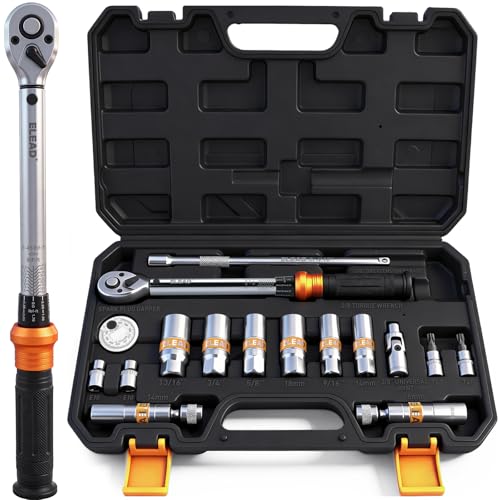
ELEAD 16-Piece Spark Plug Socket Set, 3/8" Drive Swivel Magnetic Spark Plug Removal Tool Kit with Torque Wrench (5–45 lb-ft), E-Torx & Torx Bit Sockets, Extensions & Universal Joint
- Complete Spark Plug Set: Includes sockets, bits, extensions, and tools
- Durable Chrome Vanadium Steel: High-strength, corrosion-resistant construction
- Precision Torque Control: 3/8" torque wrench with 5–45 lb-ft range
As an affiliate, we earn on qualifying purchases.
As an affiliate, we earn on qualifying purchases.
Frequently Asked Questions
Can I Replace Spark Plugs Myself or Should I Hire a Mechanic?
You can replace spark plugs yourself if you have basic DIY skills and follow safety precautions. However, if you’re unsure or unfamiliar with your vehicle’s engine, it’s wise to hire a mechanic for professional inspection and proper installation. Doing it yourself saves money, but remember to prioritize DIY safety by disconnecting the battery and working in a clean, well-lit area. When in doubt, consulting a professional guarantees your engine runs smoothly.
How Do I Know if My Spark Plugs Need Replacing Early?
You might notice your ignition system acting up—hard starts, rough idling, or misfires. These signs hint your spark plugs are failing early, hurting your fuel efficiency. If you feel a dip in performance or see engine warning lights, don’t ignore them. Catching the problem early means replacing spark plugs before they cause more damage. Stay alert, and you’ll keep your engine running smoothly and efficiently.
What Tools Are Needed for Replacing Spark Plugs?
You’ll need a spark plug socket, which usually has a rubber insert to safeguard the ceramic insulator, and a torque wrench to guarantee proper tightening. Other helpful tools include a ratchet, extension bar, and possibly a spark plug gap gauge. Make sure to wear gloves for safety and have a spark plug socket that fits your specific vehicle’s plugs. These tools make the replacement process easier and safer.
How Long Does It Typically Take to Replace Spark Plugs?
You can typically replace your spark plugs in about 30 minutes to an hour, depending on your car’s make and model. While some might worry it’s time-consuming, remember that spark plug lifespan and replacement frequency vary, so regular checks prevent unexpected issues. With the right tools and a little patience, you’ll efficiently complete the job, ensuring your engine runs smoothly and efficiently for miles to come.
Are There Different Types of Spark Plugs for My Vehicle?
Yes, there are different types of spark plugs for your vehicle, mainly made from various spark plug materials like copper, platinum, and iridium. You should choose a spark plug that matches your vehicle compatibility to guarantee peak performance and longevity. Check your owner’s manual or consult a mechanic to find the right spark plug type for your engine, as using the correct one helps your vehicle run smoothly and efficiently.

CTA Tools 3235 Spark Plug Gapper: Coin-Style Spark Plug Gap Tool, 0.020"–0.100" Measurement Range, Plated Steel, Quick-Check Reference Tool
- Wide range of professional automotive specialy tools
- Professional grade
- Heavy duty design
As an affiliate, we earn on qualifying purchases.
As an affiliate, we earn on qualifying purchases.
Conclusion
So, next time your engine sputters or struggles to start, remember it might just be time to replace those spark plugs. It’s funny how a simple tune-up can restore your car’s smoothness, almost like it’s waking up from a nap. When you catch that telltale sign, don’t wait—your engine will thank you. After all, a quick spark plug change can turn a rough ride into a seamless journey, just when you need it most.

ALAIAL Spark Plug Socket Set with Torque Wrench 3/8 Drive, 5-45 ft.lb
- Complete Spark Plug Tool Set: Includes sockets, wrench, and extension
- 6/12-Point Socket Design: Snug fit for spark plug nuts, anti-slip
- Magnetic and Swivel Sockets: Easy access in tight spaces
As an affiliate, we earn on qualifying purchases.
As an affiliate, we earn on qualifying purchases.
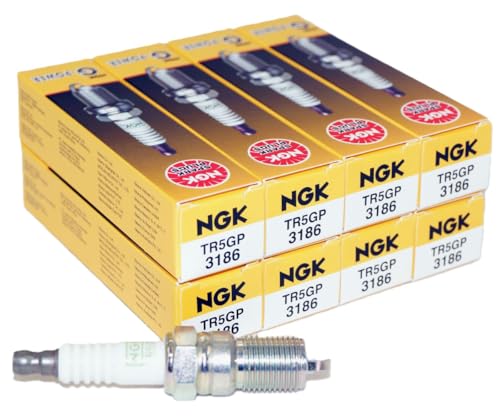
NGK # 3186 G-Power Platinum Spark Plugs TR5GP – 8 PCSNEW
- Brand: NGK G-Power Platinum
- Heat Range: Operates over a wider heat range
- Carbon Buildup Resistance: Resists carbon buildup and pre-ignition
As an affiliate, we earn on qualifying purchases.
As an affiliate, we earn on qualifying purchases.