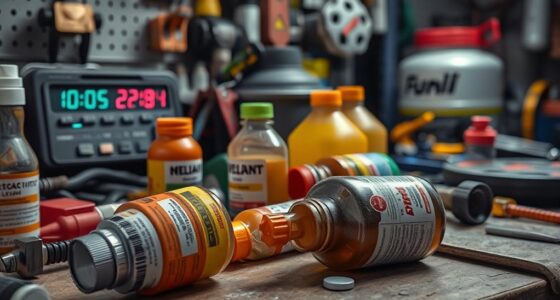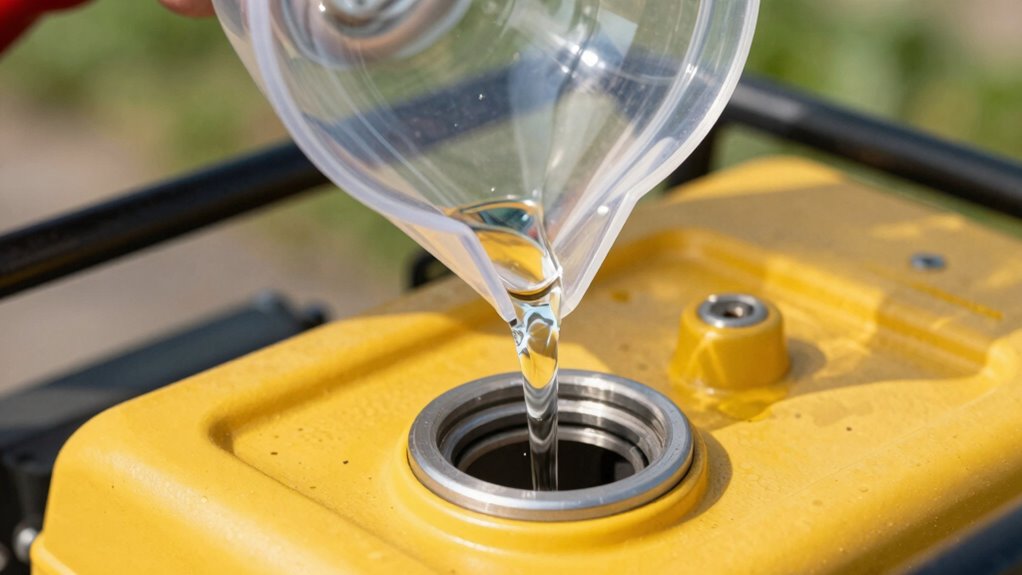

To safely stretch your generator’s fuel, start by using fuel stabilizers to prevent degradation and keep fuel fresh. Maintain regular maintenance, like changing oil and filters, to keep your generator running smoothly. Avoid overloading it and run at a lower, consistent load to reduce fuel use. Store fuel properly in cool, sheltered areas, and consider additives that improve combustion. Keep these tips in mind, and you’ll learn more ways to maximize your generator’s efficiency and longevity.

Get backup power and energy gear delivered free — and shop member deals
- Fast, free delivery on millions of items
- Access to Prime Big Deal Days deals on October 6–7
- Prime Video, Amazon Music and more included
Key Takeaways
- Use fuel stabilizers to maintain fuel quality and prevent degradation over extended storage periods.
- Operate the generator at a lower, consistent load to maximize fuel efficiency and reduce strain.
- Perform regular maintenance, including air filter and oil changes, to keep the engine running smoothly.
- Store fuel in a cool, sheltered environment with proper containers to prevent evaporation and contamination.
- Limit non-essential appliance use to reduce fuel consumption and avoid overloading the generator.
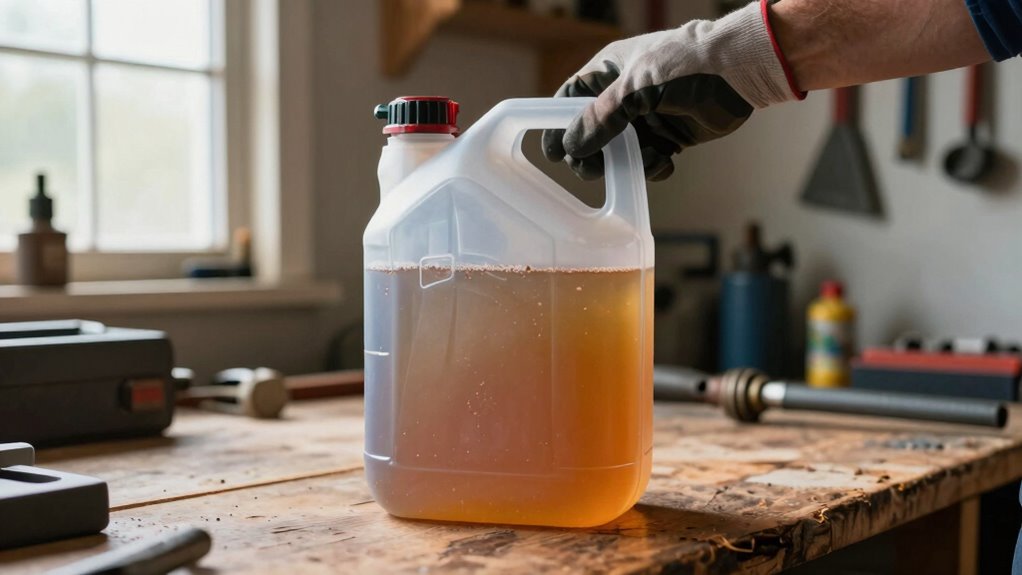
During times of fuel shortages or emergencies, you might want to extend your generator’s run time without risking damage. One effective way to do this is by using fuel additives. These products can improve fuel quality, prevent the formation of deposits, and help your engine run more smoothly. When you add fuel additives designed for generators, you’re not only stretching your fuel supply but also supporting engine efficiency. Better fuel combustion means your generator uses less fuel while delivering the same power, which is essential when fuel is scarce.
Using fuel additives can boost efficiency and extend generator runtime during fuel shortages or emergencies.
In addition to fuel additives, paying attention to your generator’s maintenance can make a big difference. Regularly checking and changing the air filters and oil ensures your engine runs at peak efficiency. A clean engine breathes better and consumes less fuel, making every gallon go further. When your engine operates efficiently, it’s less prone to overheating or stalling, which can happen if fuel quality drops or deposits build up inside the system. Maintaining proper engine efficiency is vital for maximizing fuel usage in emergency situations. Ensuring your generator’s components are clean and functioning optimally can also prevent costly repairs and extend its lifespan.
You might also consider optimizing your generator’s load. Running it at a lower, consistent load helps improve engine efficiency and reduces fuel consumption. Avoid overloading or running it at maximum capacity for extended periods, as this puts stress on the engine and wastes fuel. Instead, prioritize using only the necessary power and turn off non-essential appliances to keep the load manageable. This approach not only conserves fuel but also prolongs the life of your generator. Proper load management is a key part of fuel economy in emergency power setups.
Another tip involves controlling your generator’s environment. Keep it in a sheltered, cool spot to prevent heat buildup, which can reduce efficiency. Excess heat can cause fuel to evaporate faster or degrade, especially if it’s stored for a long time. Proper storage conditions help maintain fuel quality, so additives work more effectively and your generator runs smoothly for longer periods. Additionally, using fuel stabilizers can help prevent fuel degradation over time, ensuring reliable operation when needed. Properly managing your generator’s environment and understanding fuel stability are crucial for long-term preparedness.
As an affiliate, we earn on qualifying purchases.
Frequently Asked Questions
Can Fuel Additives Harm My Generator’s Engine?
Fuel additives can harm your generator’s engine if they cause fuel contamination or have negative additive effects. Some additives may leave residues or clog filters, leading to engine damage or reduced performance. Always choose high-quality additives compatible with your generator’s specifications. Read labels carefully, and use them sparingly. Proper maintenance and using approved additives help prevent risks, ensuring your generator runs smoothly without damaging its engine.
How Long Can Fuel Be Safely Stored?
Fuel can be safely stored for about 3 to 6 months before it starts losing its power—think of it as a ticking time bomb for your engine! To maximize fuel stability, always use airtight containers, keep fuel in a cool, dry place, and add stabilizers if storing longer. Follow these storage tips, and you’ll prevent fuel degradation, ensuring your generator runs smoothly whenever you need it most.
Are There Specific Fuel Types Better for Stretching?
Yes, certain fuel types, like stabilized gasoline or diesel with additives, are better for stretching because they maintain high fuel quality longer. To maximize their effectiveness, use proper storage techniques—store in airtight containers, keep them in cool, dark places, and avoid frequent refueling. These practices help prevent degradation, ensuring your fuel stays reliable and safe for longer periods, giving you more flexibility when managing your generator’s fuel needs.
What Signs Indicate Fuel Is Degraded?
Fuel degradation whispers its warning signs before causing damage. You’ll notice fuel contamination, like cloudiness, sediment, or a strange smell, signaling it’s time to act. Poor storage conditions hasten fuel deterioration, so always keep your fuel in sealed, cool, and dry containers. If your engine runs rough, stalls, or emits unusual smoke, these are clear signs your fuel has degraded and needs replacement. Stay vigilant to protect your generator’s health.
Is It Safe to Use Old Fuel in Emergencies?
Using old fuel in emergencies can be safe if you consider fuel stability and follow proper storage tips. Check for signs of degradation, like strange odors or cloudiness, before use. If the fuel has been stored in a sealed, airtight container in a cool, dry place, it’s more likely to be stable. Always test small amounts first, and avoid using fuel that shows obvious signs of deterioration to prevent damage to your generator.
As an affiliate, we earn on qualifying purchases.
Conclusion
By following these tips, you can wisely stretch your fuel and keep your generator running smoothly, even in tough times. Remember, it’s all about balancing efficiency with safety—no need to be a hero like Robin Hood, risking your equipment. Keep an eye on fuel levels, use proper techniques, and stay prepared. With a bit of know-how, you’ll be ready for whatever comes your way, just like the trusty sidekick of yore, always ready to lend a hand.
As an affiliate, we earn on qualifying purchases.
As an affiliate, we earn on qualifying purchases.
Fall Picks
fall essentials
As an affiliate, we earn on qualifying purchases.