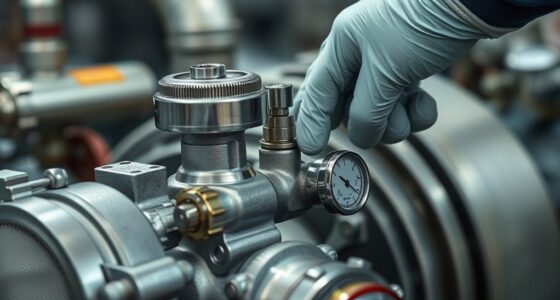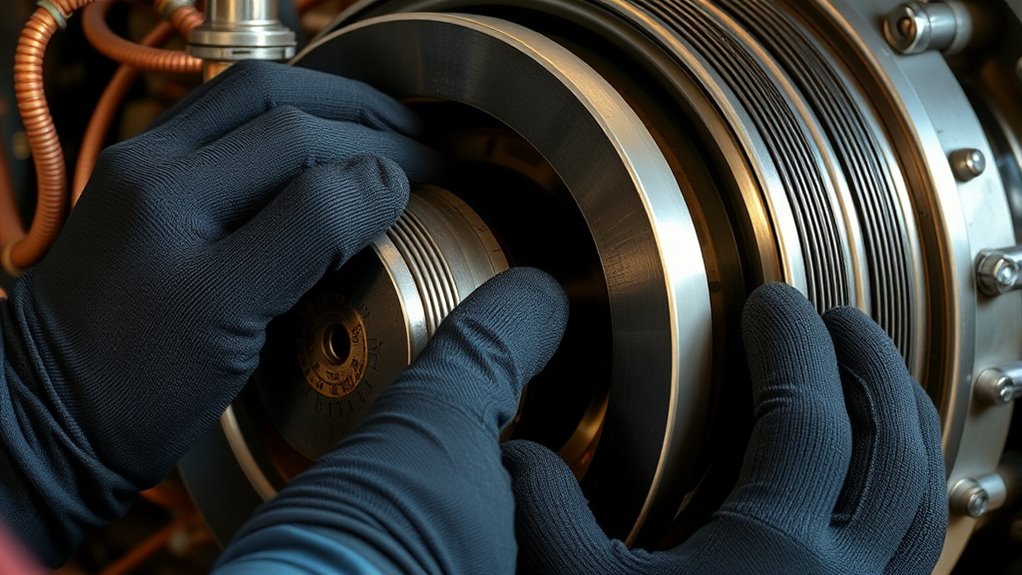

To verify carbon brushes and slip rings on a brush-type generator, start by visually inspecting for wear, damage, or debris dust buildup. Measure the brush length and compare it to the minimum specifications, replacing if worn out. Examine slip rings for scoring, grooves, or cracks, and make sure their surfaces are smooth and clean. Proper brush pressure and tension should be maintained for good contact. Continuing will reveal more tips for maintaining ideal generator performance.

Get backup power and energy gear delivered free with Prime
- Fast, free delivery on millions of items
- Prime Video, Amazon Music and more included
- Member-only deals all year
Key Takeaways
- Visually inspect brushes and slip rings for signs of wear, scoring, cracks, or debris buildup.
- Measure brush length regularly and compare with manufacturer’s minimum specifications.
- Check slip ring surfaces for scoring, grooves, or unevenness; use magnification if needed.
- Ensure proper brush pressure and tension for consistent contact and minimal sparking.
- Clean components thoroughly to remove dust and debris, and perform electrical tests for abnormal resistance.
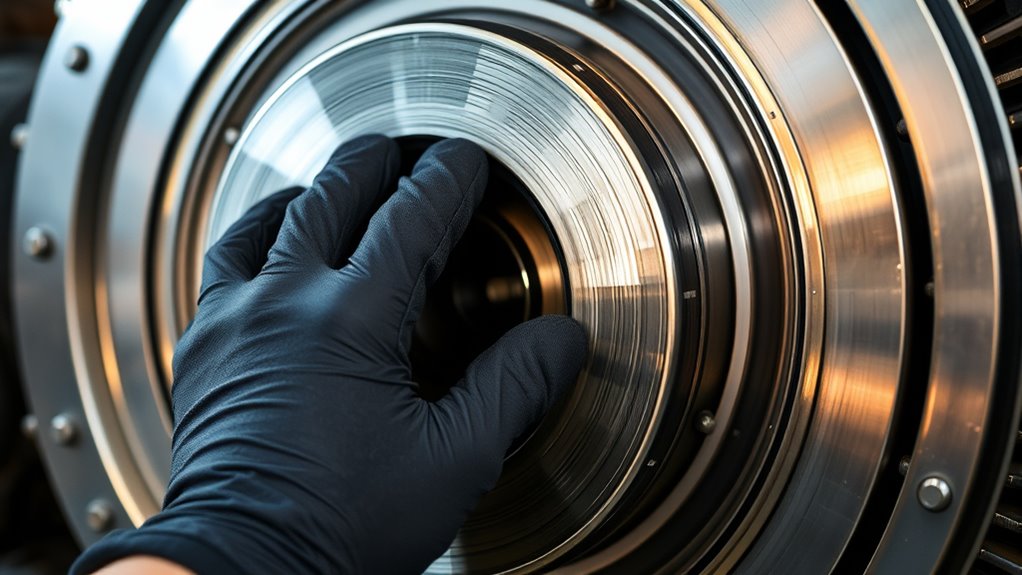
Regularly inspecting the carbon brushes and slip rings on brush-type generators is essential to guarantee peak performance and prevent equipment failure. These components are critical for the generator’s operation, ensuring efficient electrical contact and smooth energy transfer. When you neglect regular checks, brush wear can accelerate or slip ring damage can develop unnoticed, leading to costly repairs and downtime. Staying vigilant helps you catch issues early, maintaining the reliability of your generator.
Regular inspections of brushes and slip rings prevent failures and ensure reliable generator performance.
Brush wear is a common concern during inspections. Over time, the brushes gradually erode due to constant contact with the slip rings. If you notice uneven brush wear, it indicates that the brushes aren’t making proper contact, which can cause sparking, increased electrical resistance, and ultimately, poor generator performance. You should measure the length of the brushes regularly—if they’re worn down to the minimum specified length, it’s time for replacement. Also, check for debris or dust build-up around the brushes; these can interfere with contact quality. Proper brush maintenance, including cleaning and timely replacement, ensures consistent contact and prevents irregular wear patterns that could damage the slip rings.
Slip ring damage is another issue you need to watch for closely. During your inspection, look for signs of scoring, grooves, or cracks on the slip rings’ surface. Damage here can result from excessive brush wear, dirt, or improper contact. If the slip rings are rough or have uneven surfaces, your generator might experience arcing or increased electrical resistance, which can lead to overheating or even failure. When inspecting, use a magnifying glass if needed to identify tiny cracks or pitting. If you detect substantial slip ring damage, you might need to polish the surface carefully or replace the rings altogether. Maintaining the cleanliness of slip rings and ensuring proper brush pressure can considerably reduce the risk of damage.
In addition to visual inspection, you should also perform electrical tests to check for abnormal resistance or voltage fluctuations, which can signal underlying issues with brushes or slip rings. Regular maintenance routines, including lubrication and proper tension adjustments, help extend the lifespan of these components. Remember, a proactive approach to inspecting for brush wear and slip ring damage not only improves your generator’s efficiency but also saves you money by preventing major repairs. Consistent, thorough inspections are your best defense against unexpected failures, ensuring your brush-type generator continues to run reliably when you need it most. Incorporating preventive maintenance practices enhances the longevity and performance of your equipment.
As an affiliate, we earn on qualifying purchases.
Frequently Asked Questions
How Often Should Carbon Brushes Be Replaced?
You should replace carbon brushes based on maintenance schedules and replacement intervals, typically every 1,000 to 2,000 hours of operation or when they wear down to about 1/4 inch thick. Regular inspections are essential; if you notice excessive wear, chipping, or loss of contact, replace them sooner. Staying proactive helps prevent damage to slip rings and ensures your generator runs smoothly and efficiently.
What Are Signs of Worn Slip Rings?
Imagine a smooth dance floor turning rough and uneven—that’s what worn slip rings feel like. You’ll notice signs like inconsistent electrical contact, visible corrosion, or discoloration, indicating slip ring corrosion. Excessive brush wear can cause arcing or rough operation. When these signs appear, it’s time to inspect and clean the slip rings, ensuring your generator keeps spinning smoothly without disruptions.
Can Improper Brush Alignment Cause Generator Failure?
Yes, improper brush alignment can cause generator failure. When brushes aren’t correctly aligned, it leads to uneven contact with the slip rings, causing increased wear and potential sparking. This impacts generator performance and can damage the slip rings over time. Regular generator maintenance includes checking brush alignment to guarantee proper contact, which helps prevent failures and prolongs the life of your brush-type generator.
Are There Specific Cleaning Methods for Slip Rings?
Yes, there are specific cleaning methods for slip rings. You should use a soft cloth or a non-abrasive brush to remove dirt and grime, making sure you don’t damage the surface. For better electrical conductivity, lightly apply a specialized slip ring lubricant or cleaning compound, following proper lubrication techniques. Always ensure the slip rings are clean and dry before reassembling, as this helps maintain ideal performance and prevents electrical issues.
How Do Environmental Factors Affect Brush and Slip Ring Wear?
Environmental factors like corrosion effects and moisture impact markedly influence brush and slip ring wear. Corrosion accelerates material degradation, leading to poor electrical contact, while excess moisture causes oxidation and rust, increasing friction and wear. You should regularly monitor for signs of corrosion and moisture buildup, guarantee proper sealing, and maintain a dry environment. These steps help extend component life and ensure smooth generator operation.
As an affiliate, we earn on qualifying purchases.
Conclusion
Regularly checking your carbon brushes and slip rings is essential for maximum generator performance. Did you know that worn brushes can reduce efficiency by up to 15%? By inspecting these components every few months, you prevent unexpected breakdowns and extend your generator’s lifespan. Staying proactive keeps your equipment running smoothly and saves you money in the long run. Don’t wait until issues arise—keep your brushes and slip rings in top condition for reliable power whenever you need it.
As an affiliate, we earn on qualifying purchases.
brush type generator maintenance tools
As an affiliate, we earn on qualifying purchases.
As an affiliate, we earn on qualifying purchases.
Fall Picks
fall essentials
As an affiliate, we earn on qualifying purchases.