If your oil sensor is faulty, replacing it with the correct model is the safest option to guarantee your safety shutdowns work properly. Bypassing the sensor might seem quick, but it risks engine damage and voids safety features. Instead, perform regular maintenance, check wiring, and calibrate new sensors correctly. Proper replacement and upkeep prevent false alarms and costly repairs. Keep these tips in mind to maintain engine health—your next steps can make a big difference.

Get backup power and energy gear delivered free — and shop member deals
- Fast, free delivery on millions of items
- Access to Prime Big Deal Days deals on October 6–7
- Prime Video, Amazon Music and more included
Key Takeaways
- Properly diagnose sensor faults using calibration checks and visual inspections before considering bypass or replacement.
- Bypassing oil sensors is risky and disables essential safety features, potentially causing engine damage.
- Replace faulty sensors with correct models, ensuring proper installation and re-calibration for continued accurate operation.
- Regular maintenance, including wiring inspection and environmental controls, prolongs sensor lifespan and prevents false shutdowns.
- Consult manufacturer guidelines and safety protocols when performing sensor replacements or addressing faults.
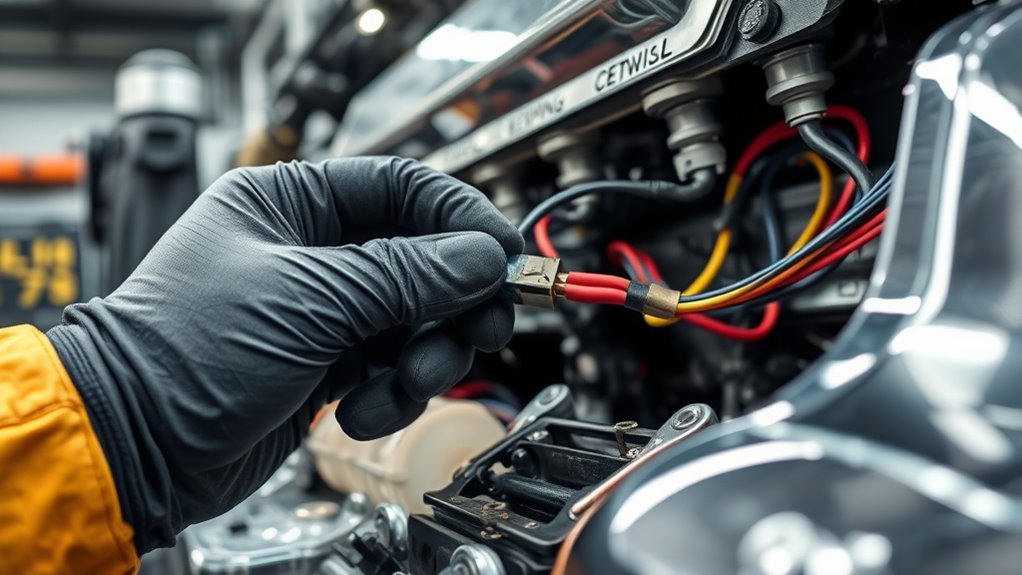
Oil sensor shutdowns are essential safety features designed to protect engines and machinery from damage caused by low oil levels or pressure. When these sensors detect an abnormal condition, they trigger shutdowns to prevent costly repairs or catastrophic failure. If you notice your equipment shutting down unexpectedly, it’s vital to understand how sensor calibration and fault diagnosis play a role in maintaining proper sensor function. Faulty sensors can give false readings, leading to unnecessary shutdowns, or worse, fail to alert you to actual issues. Diagnosing sensor faults involves checking calibration accuracy, inspecting wiring, and testing sensor outputs systematically. Proper sensor calibration ensures that the oil sensor accurately measures oil pressure or level, providing reliable signals to the engine control system. Over time, sensors can drift from their calibrated settings, causing incorrect readings. To address this, you need to perform regular calibration checks, which may involve comparing sensor readings with manual measurements or using specialized calibration tools. Fault diagnosis begins with a visual inspection—look for loose connections, corrosion, or damaged wiring that could interfere with sensor signals. If the wiring appears intact, you can use diagnostic tools to read sensor outputs and verify their accuracy against known standards. If the sensor consistently reports incorrect data, it’s likely faulty and needs replacement. Bypassing a faulty oil sensor might seem like a quick fix, especially if the sensor repeatedly triggers shutdowns, but it’s risky and not recommended. Bypassing eliminates the safety feature that protects your engine, increasing the chance of damage if oil pressure drops unnoticed. Instead, focus on replacing or repairing the sensor to restore proper fault detection. Sometimes, sensor issues stem from external factors like oil contamination, extreme temperatures, or vibrations that affect sensor performance. Addressing these underlying causes can prolong sensor life and improve reliability. Additionally, understanding the importance of high-quality sensors can help prevent frequent faults and ensure more accurate readings. If you decide to replace the sensor, ensure you select the correct model and follow proper installation procedures, including re-calibrating the new sensor to match the engine’s specifications. Remember, a well-calibrated and functioning oil sensor is vital for early fault detection and avoiding costly downtime or repairs. Regular maintenance, including sensor calibration and fault diagnosis, keeps your machinery running smoothly. Ignoring sensor issues can lead to false alarms or, worse, failure to detect actual oil pressure drops, risking severe engine damage. By paying close attention to sensor health, performing routine diagnostics, and replacing faulty components promptly, you safeguard your equipment and guarantee peak performance. In the end, understanding how to manage oil sensor shutdowns effectively empowers you to keep your machinery safe and reliable, avoiding unnecessary interruptions and costly repairs.
oil pressure sensor replacement kit
As an affiliate, we earn on qualifying purchases.
As an affiliate, we earn on qualifying purchases.
Frequently Asked Questions
How Can I Prevent Oil Sensor Failures in the First Place?
To prevent oil sensor failures, you should regularly check and calibrate the sensors to guarantee accurate readings. Conduct routine maintenance on your equipment, inspecting for dirt, corrosion, or damage that could affect sensor performance. Keep the sensor environment clean and protected from harsh conditions. Proper calibration and consistent maintenance help catch issues early, reducing the risk of sensor failure and avoiding unnecessary shutdowns or costly repairs.
Are There Any DIY Methods to Test Oil Sensors?
Think of testing your oil sensor like tuning a musical instrument; it needs to be just right. You can use simple diagnostic tools or multimeters to check sensor calibration. First, disconnect the sensor, then measure its voltage or resistance against manufacturer specs. If readings are off, it indicates a faulty sensor. While DIY tests work for basic checks, professional diagnostic tools provide more accurate results and guarantee your sensor functions correctly.
What Are the Risks of Bypassing a Faulty Oil Sensor?
Bypassing a faulty oil sensor risks incorrect readings, which can lead to engine damage or failure. You might think it’s a quick fix, but it skips essential sensor calibration and diagnostic checks that ensure proper operation. Without proper calibration, the system won’t detect real issues. Using diagnostic tools to identify sensor faults is safer and more reliable than circumventing, helping you maintain engine health and avoid costly repairs.
Can Aftermarket Sensors Be Used as Replacements?
Did you know that about 30% of vehicle owners consider aftermarket options for repairs? You can use aftermarket sensors as replacements, but you need to verify sensor compatibility. Not all aftermarket sensors fit seamlessly; some may cause inaccurate readings or trigger warning lights. Before swapping, check that the aftermarket sensor matches your vehicle’s specifications to avoid potential issues and maintain proper oil system monitoring.
How Long Does It Typically Take to Replace an Oil Sensor?
Replacing an oil sensor typically takes about 30 minutes to an hour, depending on your vehicle’s make and model. You’ll need basic replacement tools like a socket wrench and possibly a sensor calibration tool. First, disconnect the battery, then remove the faulty sensor carefully. Install the new sensor, calibrate it if necessary, and reconnect the battery. Double-check all connections before starting your engine.
engine oil sensor calibration tools
As an affiliate, we earn on qualifying purchases.
As an affiliate, we earn on qualifying purchases.
Conclusion
Don’t let a faulty oil sensor be the silent assassin of your engine’s health. Bypass or replace it promptly, and you’ll keep your engine running smoothly — a small step that prevents a costly breakdown. Remember, your vehicle’s sensor is like a guardian angel; ignoring its warning signs can lead to disaster. Stay vigilant, act swiftly, and guarantee your engine’s safety before misfortune strikes. After all, prevention is the best cure.
faulty oil sensor diagnostic tools
As an affiliate, we earn on qualifying purchases.
As an affiliate, we earn on qualifying purchases.
As an affiliate, we earn on qualifying purchases.
Fall Picks
fall essentials
As an affiliate, we earn on qualifying purchases.