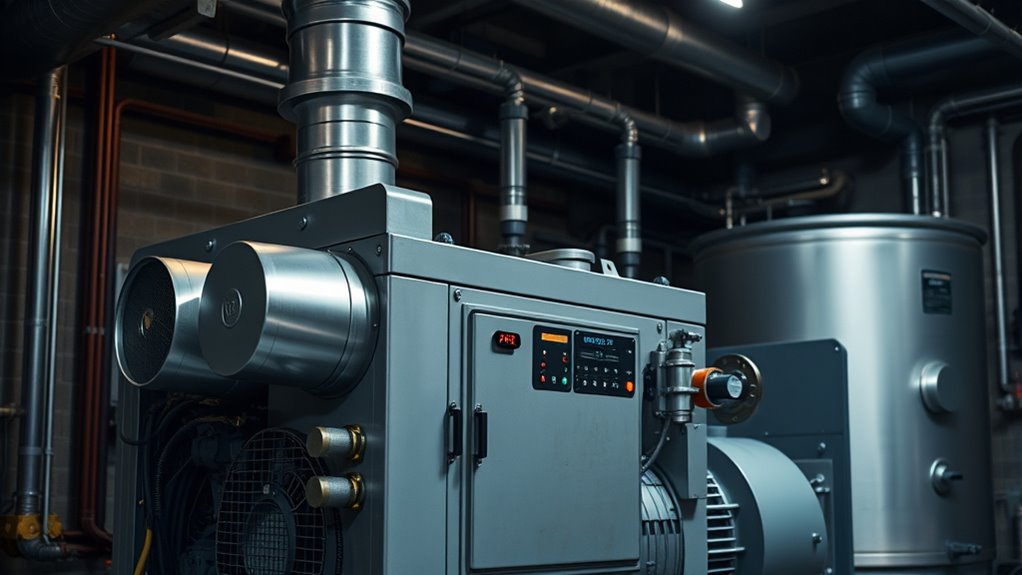
A generator is essential for keeping your furnace or boiler running during power outages, ensuring your home stays warm and safe. You should choose a generator with enough capacity to handle your heating system’s wattage needs and consider fuels like propane or diesel for longer-lasting backup. Proper installation and regular maintenance are key to reliable performance. Keep your system prepared so you can stay warm during storms—continue to uncover how to select and maintain the best generator for your needs.
Key Takeaways
- Select a generator with sufficient capacity to handle your furnace or boiler’s wattage requirements.
- Consider using generators with automatic transfer switches for seamless power switching during outages.
- Choose fuel types like propane or diesel for longer shelf life and reliable backup during extended outages.
- Ensure proper installation and regular maintenance to guarantee reliable operation when needed.
- Match the generator’s specifications with your heating system to prevent overloads and ensure safe, efficient backup power.

During power outages or in remote locations, generators for heating systems become indispensable to keep your home warm and comfortable. When the grid goes down, your furnace or boiler relies on a steady power supply to operate efficiently. A reliable generator provides that backup power, guaranteeing your heating system continues to run without interruption. This isn’t just about comfort; it’s about safety and peace of mind during harsh winter storms or emergencies. By investing in a generator, you gain energy independence, reducing your reliance on the utility grid and creating a more resilient home environment. This independence allows you to maintain warmth even when the power lines are down and prevents the chaos and discomfort that come with being without heat for extended periods.
When selecting a generator for your heating system, it’s essential to consider its capacity. You need enough power to start and run your furnace or boiler without overload. Many modern generators are designed with automatic transfer switches that activate immediately when the power goes out, seamlessly switching to backup power. This feature is crucial because it prevents your heating system from shutting down unexpectedly, which could lead to frozen pipes or other damage. The right generator will match your heating system’s wattage requirements, ensuring reliable operation and avoiding short circuits or overloads.
Fuel type is another important factor. You can choose from gasoline, propane, or diesel generators, each with its advantages. Propane generators, for example, tend to have longer shelf lives and are cleaner-burning, making them suitable for long-term backup power. Gasoline generators are generally more affordable upfront but require more frequent refueling. Diesel generators are known for their durability and high power output, ideal for larger heating systems or prolonged outages. Whichever fuel type you select, ensure you have an adequate supply stored safely for emergencies.
Proper installation and maintenance are key to guaranteeing your generator functions when needed. Regular testing, fueling, and servicing keep it ready to supply backup power whenever an outage occurs. Making sure your generator is compatible with your heating system’s specifications is crucial to avoid operational issues. With a well-maintained generator, you can enjoy the comfort of uninterrupted warmth, even amid severe weather conditions. Ultimately, investing in a generator for your heating system enhances your energy independence and provides a reliable safety net, giving you confidence and security during any power disruption.

DuroStar DS13000MX 13,000-Watt 500cc Dual Fuel Portable Generator – Gas and Propane, Remote Electric Start, Whole Home Power Backup, Transfer Switch Ready, RV & Emergency Ready
- Power Output: 13,000 Watts for backup power
- Fuel Options: Dual fuel: Gasoline or Propane
- Safety Feature: CO Alert for safety
As an affiliate, we earn on qualifying purchases.
As an affiliate, we earn on qualifying purchases.
Frequently Asked Questions
What Are the Best Generator Brands for Heating Systems?
You should consider brands like Honda, Generac, and Briggs & Stratton for heating system generators. They offer excellent brand reliability and guarantee generator compatibility with your furnace or boiler. These brands are known for durability, easy maintenance, and reliable power output, making them ideal choices for heating needs. Trusting these reputable brands helps you avoid unexpected breakdowns and keeps your heating system running efficiently during outages.
How Do I Calculate the Power Needs for My Furnace or Boiler?
To calculate your furnace or boiler’s power needs, start by determining its heat load, which is the amount of energy required to heat your space. Check the energy consumption ratings on your system’s label or manual. Add any additional devices that will run simultaneously. This total gives you the necessary wattage. confirm your generator can handle this load to keep your heating system running efficiently during outages.
Can Portable Generators Reliably Power Whole-House Heating Systems?
A stitch in time saves nine, so don’t assume a portable generator can reliably power your whole-house heating system. Portable generators have limitations, especially with high energy demands, and may not be compatible with your heating system’s requirements. For consistent heat during outages, consider a whole-house generator or consult an expert to guarantee your system’s compatibility and safe operation, rather than relying solely on a portable unit.
What Safety Precautions Should I Follow When Using a Generator?
When using a generator, you should always prioritize safety. Keep fuel safety in mind by storing fuel in proper containers away from heat sources and never refuel while the generator runs. Protect yourself from electrical hazards by using grounded outlets, avoiding overloads, and keeping the generator dry. Always operate the generator outdoors in a well-ventilated area to prevent carbon monoxide buildup.
How Often Should I Perform Maintenance on My Generator for Heating?
Did you know that regular maintenance can boost your generator’s fuel efficiency by up to 20%? You should perform maintenance every 6 to 12 months, depending on usage. Follow installation tips like ensuring proper ventilation and secure connections, and check oil levels, filters, and spark plugs regularly. Keeping up with these steps helps your heating generator run smoothly, saves energy, and extends its lifespan.
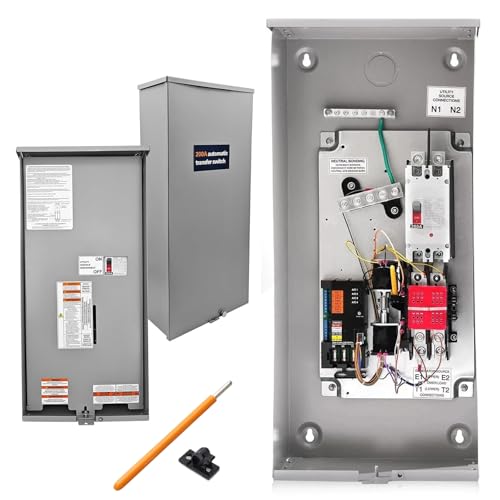
RXSW200A3 200 Amp Automatic Transfer Switch w/Power Management Replacement for Generac, Service Entrance Rated, NEMA 3R Aluminum Enclosure
- Seamless Power Transfer: Switches between utility and generator power
- Digital Load Management: Manages four HVAC loads digitally
- Generac Compatibility: Fits Generac RXSW200A3 models
As an affiliate, we earn on qualifying purchases.
As an affiliate, we earn on qualifying purchases.
Conclusion
Think of your generator as the steady heartbeat of your home’s warmth, a silent guardian that keeps the flames alive when the power fades. It’s the unwavering lighthouse guiding your comfort through stormy nights, symbolizing resilience and security. When the grid goes dark, your generator stands tall like a steadfast tree, roots deep in reliability, ensuring your furnace and boiler continue to provide the cozy haven you cherish. Stay prepared, stay warm.
DuroStar DS13000MX 13,000-Watt 500cc Dual Fuel Portable Generator – Gas and Propane, Remote Electric Start, Whole Home Power Backup, Transfer Switch Ready, RV & Emergency Ready
- Power Output: 13,000 Watts for backup power
- Fuel Options: Dual fuel: Gasoline or Propane
- Safety Feature: CO Alert for safety
As an affiliate, we earn on qualifying purchases.
As an affiliate, we earn on qualifying purchases.
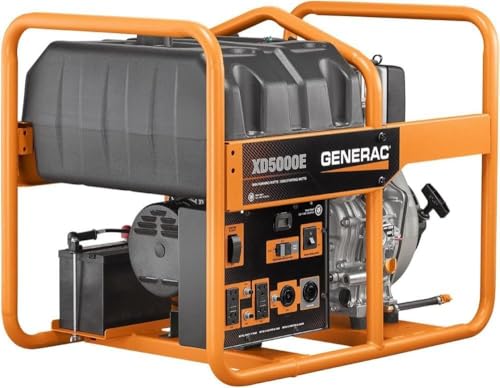
Generac 6864 XD5000E 5000-Watt Diesel-Powered Portable Generator – Ideal for Emergency Backup Power and Job Sites – Reliable Power for Demanding Applications – CARB Compliant
- Sturdy and Portable Design: Steel frame with lifting eye for transport
- Smooth Power Output: 6% total harmonic distortion for sensitive electronics
- Long Runtime: 12-gallon tank offers 32.4 hours at 50% load
As an affiliate, we earn on qualifying purchases.
As an affiliate, we earn on qualifying purchases.