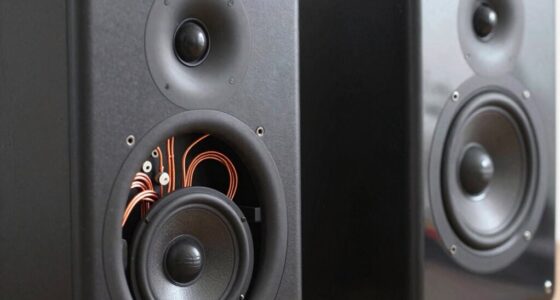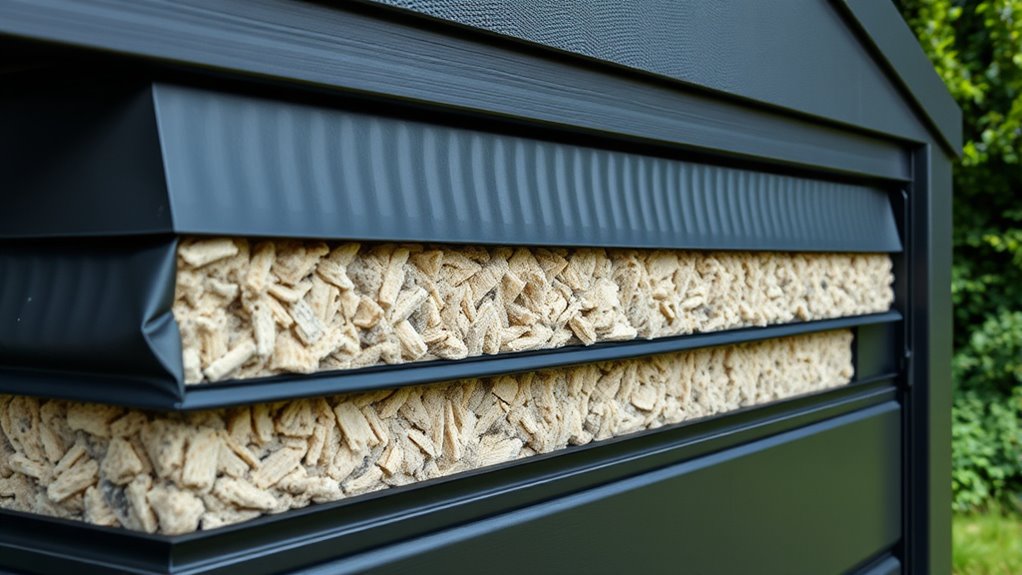

To soundproof your generator shed or box, use vibration damping materials like rubber mats, damping pads, or resilient mounts at contact points to block vibrations. Combine these with acoustic insulation such as mineral wool, fiberglass batts, or dense foam panels along walls to absorb airborne noise. Sealing gaps and employing resilient mounts enhance effectiveness. Implementing these solutions together creates a quieter environment and helps meet noise regulations—more tips below to optimize your setup.

Get backup power and energy gear delivered free — and shop member deals
- Fast, free delivery on millions of items
- Access to Prime Big Deal Days deals on October 6–7
- Prime Video, Amazon Music and more included
Key Takeaways
- Use vibration damping materials like rubber mats or resilient mounts at generator contact points to reduce structure-borne noise.
- Line interior shed walls with acoustic insulation such as mineral wool or foam panels to absorb airborne sound.
- Seal gaps and install resilient mounts to prevent sound leaks and minimize vibration transmission.
- Combine vibration damping with sound-absorbing insulation for comprehensive noise reduction.
- Ensure proper installation and sealing to maximize the effectiveness of soundproofing materials.
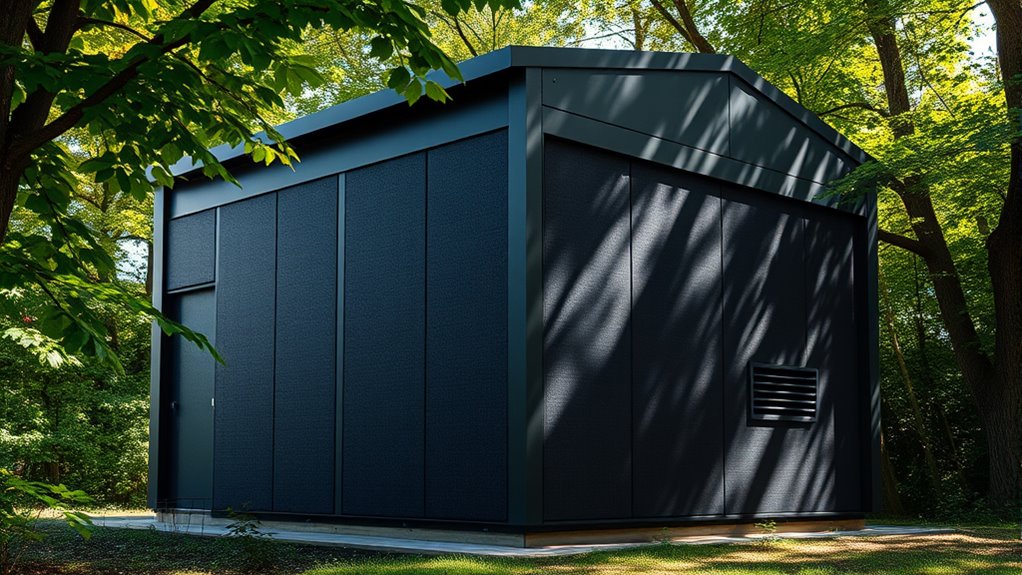
Soundproofing materials are vital for reducing noise and creating a quieter environment. When you’re working with generator sheds or boxes, controlling the noise isn’t just about comfort; it’s often a necessity to meet local noise regulations and prevent disturbance to neighbors. To achieve effective soundproofing, understanding the roles of vibration damping and acoustic insulation is essential. These two elements work together to minimize sound transmission and vibrations that would otherwise escape through walls, ceilings, or floors.
Vibration damping is key when it comes to reducing the transfer of mechanical vibrations from your generator to the surrounding structure. When your generator runs, it produces vibrations that can resonate through the shed walls, amplifying noise outside. Using vibration damping materials, like rubber mats, specialized damping pads, or resilient mounts, absorbs and disperses these vibrations. This prevents them from traveling through the structure and becoming audible. Think of vibration damping as the buffer that stops mechanical energy from turning into sound waves. It’s especially effective when installed at contact points where vibrations are most intense, such as mounting brackets or the base of the generator. By dampening these vibrations early, you markedly cut down on the noise that would otherwise radiate outward. Additionally, selecting appropriate materials that are designed for vibration control enhances overall effectiveness.
Vibration damping absorbs generator vibrations, preventing structure-borne noise from amplifying outside.
Acoustic insulation complements vibration damping by targeting airborne sound waves. It involves materials that absorb or block sound, preventing it from passing through walls, doors, and ceilings. Materials like mineral wool, fiberglass batts, or dense foam panels are excellent choices for acoustic insulation because they trap sound energy within the shed, reducing the amount that escapes. When you install these materials within walls or lining the interior surfaces, they create a barrier that muffles the noise produced by your generator. Acoustic insulation doesn’t just stop sound from leaving; it also dampens echoes and reduces reverberation inside the shed, making the space calmer and more comfortable. Combining acoustic insulation with vibration damping creates a thorough soundproofing solution that tackles both airborne and structure-borne noise.
In practice, you should prioritize placing vibration damping materials at the source—around the generator or on mounting surfaces—and lining the interior walls with acoustic insulation to absorb sound waves. Sealing gaps and installing resilient mounts further enhances the effectiveness of your soundproofing. By integrating these materials thoughtfully, you’ll notice a markedly reduced noise escaping your shed, creating a much quieter environment for you and those around you. Ultimately, focusing on vibration damping and acoustic insulation provides a dependable, long-lasting way to keep generator noise contained, ensuring peace of mind and compliance with noise regulations.
generator shed soundproofing materials
As an affiliate, we earn on qualifying purchases.
As an affiliate, we earn on qualifying purchases.
Frequently Asked Questions
How Do I Choose the Best Soundproofing Material for My Generator Shed?
To choose the best soundproofing material, consider how much you want to reduce generator sound levels and ease of material installation. Look for dense, acoustic panels or insulation that absorbs noise effectively. Make sure the material is easy to install in your shed’s structure, and check reviews for durability and soundproofing performance. Balancing cost, noise reduction, and installation ease will help you select the ideal solution.
Are There Eco-Friendly Soundproofing Options Available?
Absolutely, eco-friendly options exist! You can choose recycled insulation and natural fibers that naturally neutralize noise while nurturing nature. These sustainable solutions are safe, sound-absorbing, and superb for your shed. By opting for recycled materials and natural fibers, you markedly reduce environmental impact, creating a cleaner, greener, and quieter space. Sustainable soundproofing not only protects your generator but also preserves the planet for future generations.
How Long Does Soundproofing Material Typically Last?
The lifespan of insulation varies depending on material durability, but generally, it lasts between 10 to 25 years. You can expect most soundproofing materials to preserve their effectiveness for this period if properly installed and maintained. Factors like exposure to moisture, pests, and temperature fluctuations can shorten their lifespan. Regular inspections help ensure your soundproofing remains effective, allowing you to replace or upgrade when necessary.
Can Soundproofing Materials Be Recycled or Reused?
Think of your soundproofing materials as a garden of possibilities. Yes, many are recyclable options, and you can often reuse their core components, giving them a second life. Materials like mineral wool or foam panels sometimes have reuse potential if they’re in good condition. By choosing eco-friendly options, you help reduce waste and extend their usefulness, turning what was once discarded into a resource for future projects.
What Maintenance Is Required for Soundproofed Generator Sheds?
You need to regularly check your soundproofed generator shed by inspecting the ventilation system and guaranteeing proper airflow. Keep vents clean and free of debris, and perform ventilation maintenance as needed. Additionally, examine the sealant around doors and panels for any cracks or wear, reapplying sealant when necessary. This routine upkeep helps maintain soundproofing effectiveness, prevents moisture buildup, and ensures your generator operates efficiently and quietly.
vibration damping pads for generator
As an affiliate, we earn on qualifying purchases.
As an affiliate, we earn on qualifying purchases.
Conclusion
To tame the tumult and truly quiet your generator, choose the right soundproofing materials. From dense insulation to durable dampening barriers, your dedication makes a difference. Don’t delay—decide on the dependable, effective options, and design a haven of hush. With the right resources and a little effort, you’ll enjoy a quieter, calmer space, free from the fierce and frantic noise. Silence your sound, secure your space, and savor the serenity you’ve sought!
acoustic insulation panels for shed
As an affiliate, we earn on qualifying purchases.
As an affiliate, we earn on qualifying purchases.
As an affiliate, we earn on qualifying purchases.
Fall Picks
fall essentials
As an affiliate, we earn on qualifying purchases.