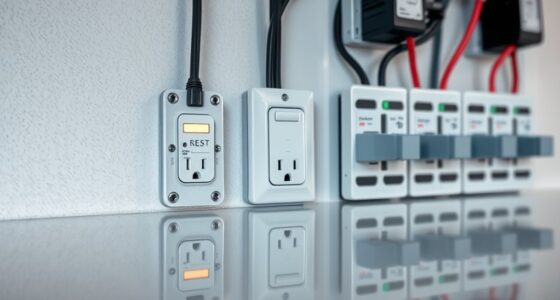
Ignoring the hidden costs of GFCI tripping can lead to frequent repairs, increased expenses, and safety risks like electrical fires or shocks. Common causes include ground faults, wiring issues, or moisture, which often go unnoticed. Over time, replacing GFCIs repeatedly adds up, and underlying issues can cause serious damage or hazards. To avoid these pitfalls, regular inspection and professional help are key. Keep going to discover how you can prevent costly future problems.
Key Takeaways
- Frequent GFCI trips can lead to costly electrical repairs and increased insurance premiums.
- Ignoring underlying issues may cause wiring faults, fires, or electrical shocks over time.
- Repeated replacements and repairs raise labor costs and strain maintenance budgets.
- Moisture or improper installation can mask problems, escalating long-term expenses.
- Regular inspections and professional help prevent hidden damage and save money in the long run.

Klein Tools RT250 GFCI Outlet Tester with LCD Display, Electric Voltage Tester for Standard 3-Wire 120V Electrical Receptacles
- LCD Display: Large backlit LCD for easy readings
- Trip Time Indicator: Displays GFCI trip time for troubleshooting
- Wiring Fault Detection: Identifies common wiring issues
As an affiliate, we earn on qualifying purchases.
As an affiliate, we earn on qualifying purchases.
Common Causes Behind GFCI Trips
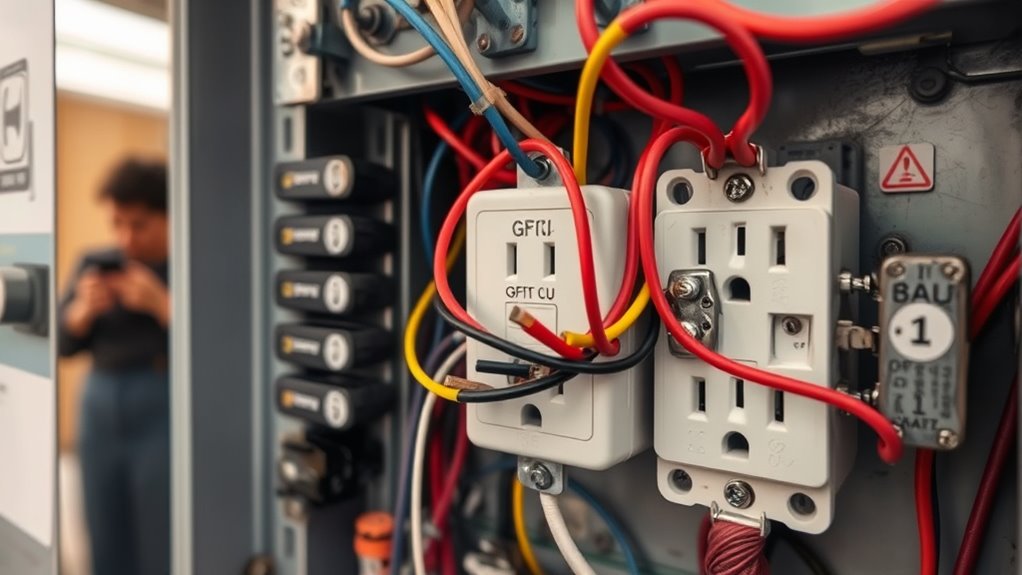
GFCI outlets are designed to protect you from electrical shocks, but they can trip unexpectedly due to various common causes. One primary reason is a ground fault, which occurs when electricity finds an unintended path to the ground, causing the GFCI to trip as a safety measure. Wiring anomalies are another frequent cause; loose connections, damaged wiring, or improper installations can lead to false trips. These issues create imbalances in the electrical system that the GFCI detects as potential hazards. Additionally, moisture or water exposure can cause ground faults or wiring issues, triggering trips. Regular inspections and understanding electrical safety practices can help prevent these issues from recurring. Identifying and addressing these common causes helps prevent frequent tripping and reduces unnecessary disruptions, ensuring your GFCI functions correctly and keeps you safe.

OAONAN GFCI Replacement Plug Assembly Auto Reset 15 Amp 3 Prongs, 5 Years Warranty, Ground Fault Circuit Interrupter Safety Plug for Pressure Washer, Hot Tub, Air Conditioner, Hair Dryer
- Surge and Lightning Protection: Withstands up to 6kV for safety
- Easy Installation: Connect wires and tighten screws quickly
- Fast Shock Prevention: Disconnects power within 0.03 seconds
As an affiliate, we earn on qualifying purchases.
As an affiliate, we earn on qualifying purchases.
Financial Impact of Frequent Replacements and Repairs

Frequent tripping and the need for repeated replacements can quickly add up financially. You might find yourself submitting insurance claims or paying out-of-pocket for repairs more often than expected. Constant replacements of GFCI outlets or associated components can lead to significant warranty costs, especially if you’re covered by a home warranty that limits coverage or requires frequent claims. These ongoing expenses not only strain your budget but may also increase your insurance premiums over time. Additionally, the cost of labor for repairs can escalate if issues persist, creating a cycle of unnecessary spending. Addressing the root cause of GFCI trips early on can save you a substantial amount by reducing these recurring costs and preventing the financial drain caused by continuous replacements and repairs. Understanding the GFCI technology behind these issues can help you identify and fix problems more effectively.
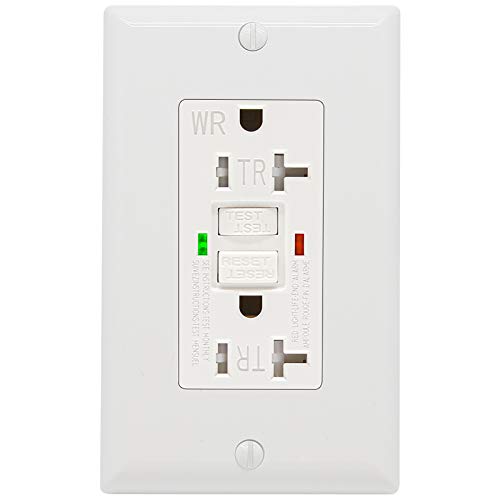
ANKO GFCI Outlet 20 Amp, UL Listed, LED Indicator, Tamper-Resistant, Weather Resistant Receptacle Indoor or Outdoor Use with Decor Wall Plates and Screws
- High-impact resistant thermoplastic: Durable construction for longevity
- Supports standard duplex receptacle: Single gang GFCI box design
- Test and Reset buttons with LED: Easy operation and status indication
As an affiliate, we earn on qualifying purchases.
As an affiliate, we earn on qualifying purchases.
Hidden Costs of Ignoring Underlying Electrical Issues
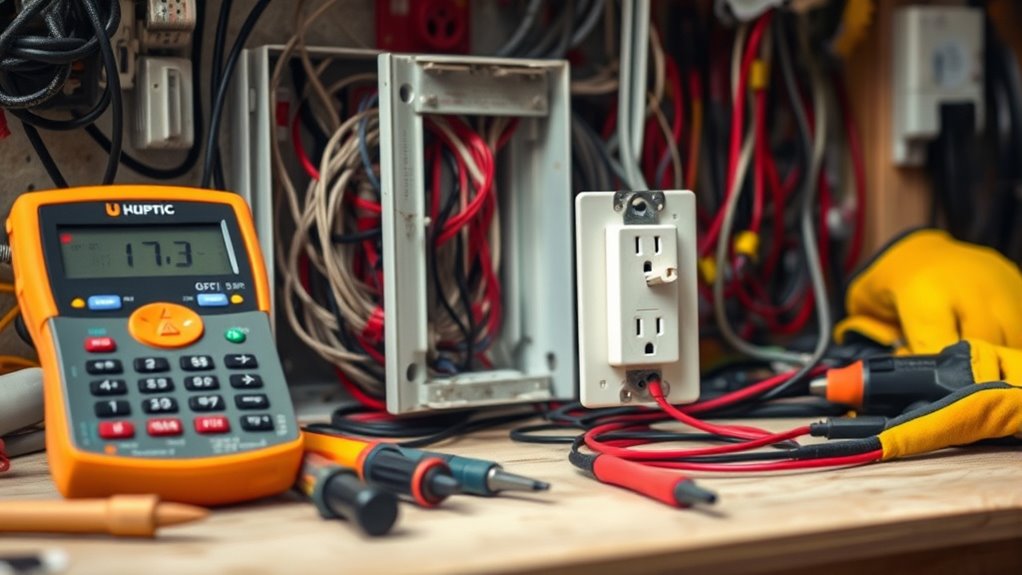
Ignoring underlying electrical issues can lead to more than just frequent replacements; it often results in hidden costs that silently drain your resources. Costly electrical hazards, such as wiring faults or overloaded circuits, can escalate into serious problems if left unaddressed. These hazards increase the risk of fires, electrical shocks, and equipment damage, threatening safety compliance and your safety. Overlooking minor issues may seem convenient at first, but the long-term expenses—emergency repairs, legal penalties, and insurance claims—can be far greater. Without proper maintenance, you’re also risking non-compliance with safety standards, which can lead to costly fines or shutdowns. Addressing electrical problems early helps prevent hidden costs and ensures your system remains safe, reliable, and compliant over time. Incorporating preventive maintenance into your routine is essential for maintaining high-quality standards and avoiding these costly consequences.

Klein Tools ET310KIT AC Circuit Breaker Finder Kit, Electric Tester, GFCI Tester, Leads, Adapters and Case
- Accurate Breaker Identification: Quickly locate the correct breaker
- Clear Visual and Audible Cues: Easy to identify the correct breaker
- Built-in GFCI Tester: Test GFCI outlets and wiring
As an affiliate, we earn on qualifying purchases.
As an affiliate, we earn on qualifying purchases.
Preventive Measures to Minimize Tripping Incidents

Proactively implementing preventive measures can substantially reduce the likelihood of GFCI tripping incidents. Start by ensuring proper installation, as installation errors often trigger unnecessary trips. Double-check wiring connections for accuracy, secure all contacts, and follow manufacturer guidelines carefully. Address sensor issues by regularly inspecting GFCI outlets for dirt, moisture, or corrosion, which can cause false trips. Use high-quality components and avoid overloading circuits to prevent stress on the GFCI. Additionally, avoid running multiple devices on a single GFCI outlet, which can cause nuisance trips. Educate yourself about common issues like sensor malfunctions and ensure proper maintenance. Incorporating diverse designs and materials can also help prevent environmental factors from affecting device performance. These steps help minimize false trips, reduce inconvenience, and extend the lifespan of your GFCI protection system.
When to Seek Professional Help to Save Money
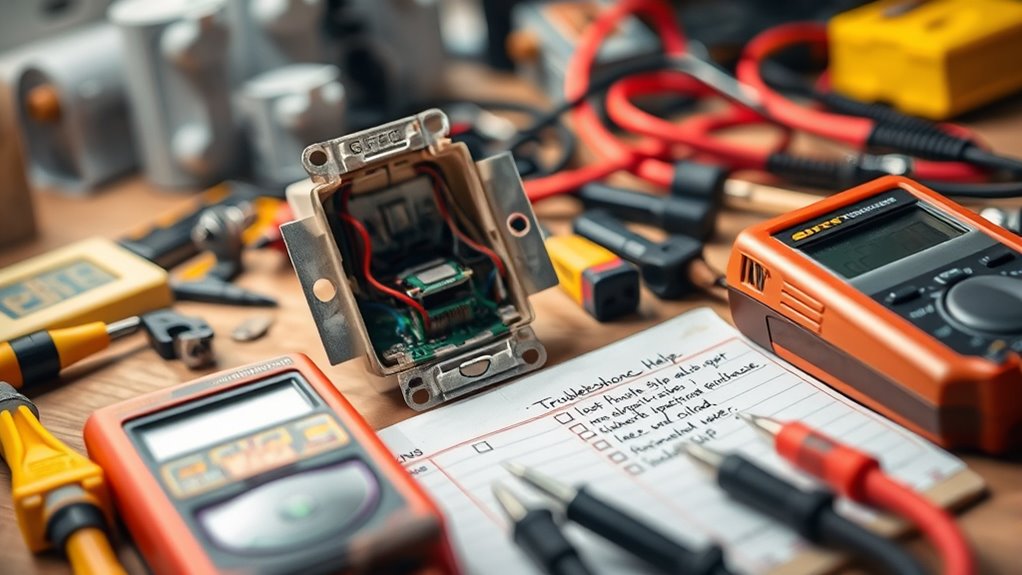
While proper maintenance and preventive measures can reduce unnecessary GFCI trips, there are times when trying to fix issues yourself can lead to costly damage or safety risks. If you notice persistent trips despite regular maintenance scheduling, it’s best to seek professional help. Professionals can evaluate whether the problem stems from faulty wiring, device malfunction, or moisture intrusion, ensuring safety and compliance with emergency protocols. Consider calling a licensed electrician if:
- The GFCI trips repeatedly without an obvious cause.
- You detect signs of damage, corrosion, or water intrusion.
- You’re unsure about electrical codes or protocols for your home or business.
- Vetted product reviews indicate common issues with specific GFCI devices or installations.
Knowing when to involve a professional can prevent costly repairs later and keep your electrical system safe, saving you money in the long run.
Frequently Asked Questions
Can GFCI Tripping Cause Long-Term Electrical System Damage?
GFCI tripping typically doesn’t cause long-term electrical system damage, but frequent ground faults or electrical surges can stress components over time. When a GFCI trips, it’s responding to a ground fault or imbalance, which may be linked to underlying issues like damaged wiring or electrical surges. Ignoring repeated trips can lead to more significant problems, so addressing the root cause helps prevent long-term damage and keeps your system safe.
Are There Specific Appliances More Likely to Trigger GFCI Trips?
Certain appliances are more likely to trigger GFCI trips due to their sensitivity to electrical fluctuations, like hairdryers, coffee makers, and power tools. These devices often have high appliance sensitivity and can cause circuit overloads, especially if used together or on the same circuit. To prevent frequent trips, make sure your GFCI is properly rated for these appliances and avoid overloading circuits, which can lead to nuisance tripping.
How Often Should GFCI Outlets Be Inspected for Safety?
You should inspect your GFCI outlets at least every three to six months to guarantee safety. Regular inspections help identify any signs of wear, damage, or corrosion that could cause tripping issues. Follow a consistent inspection schedule and adhere to safety protocols, such as turning off the power before testing. This proactive approach minimizes hidden costs and maintains your electrical system’s safety and reliability over time.
What Are the Signs of a Faulty GFCI Outlet?
You might notice a faulty GFCI outlet if it constantly trips or won’t reset, especially when exposed to moisture buildup or faulty wiring. Flickering lights, a burning smell, or a gentle shock are also signs. These issues indicate internal damage or corrosion. Don’t ignore these clues—promptly test and replace the GFCI. Regular inspection helps you catch problems early, preventing electrical hazards and costly repairs later.
Is It Safe to Reset a GFCI Without Troubleshooting First?
It’s not safe to reset a GFCI without troubleshooting first. Reset precautions are essential because the outlet might be tripping due to a fault, which could pose a shock risk or cause damage. Always follow troubleshooting steps like checking for signs of damage, testing with a GFCI tester, and inspecting connected devices. This guarantees you identify the root issue before resetting, keeping you safe and preventing future trips.
Conclusion
By staying vigilant and addressing GFCI issues early, you can avoid costly repairs and safety risks. Think of your electrical system as a delicate dance—every trip is a misstep that could lead to a fall. Don’t let hidden costs catch you off guard; instead, take proactive steps and seek professional help when needed. Keep your home safe and your wallet happy—because prevention is the best defense against unexpected surprises.