
If your engine misfires and backfires, it could be caused by worn spark plugs, failing ignition coils, or faulty ignition wires that disrupt proper combustion. Exhaust leaks from cracks or loose fittings can also cause unburned fuel to ignite in the exhaust, leading to backfires. Addressing these issues by inspecting and replacing worn components or sealing leaks can restore engine performance. To get a clearer picture of what’s causing your problem, keep exploring for detailed solutions.

Get backup power and energy gear delivered free with Prime
- Fast, free delivery on millions of items
- Prime Video, Amazon Music and more included
- Member-only deals all year
Key Takeaways
- Worn ignition components like spark plugs, coils, or wires can cause misfires and backfires.
- Exhaust leaks from cracked pipes or gaskets disrupt engine air-fuel mixture, leading to backfire.
- Ignition timing issues or faulty sensors can result in inconsistent sparks and engine misfire.
- Inspect and repair exhaust system leaks and replace damaged parts to prevent unburned fuel ignition.
- Addressing these problems promptly helps avoid engine damage, emissions increase, and reduced fuel efficiency.

An engine misfire and backfiring can be startling signs that something’s wrong with your vehicle’s ignition or fuel system. When your engine isn’t firing properly, it disrupts the combustion process, leading to uneven engine performance and potentially damaging components if left unaddressed. One common culprit is issues within the ignition system. If your ignition coils, spark plugs, or wires are worn or malfunctioning, they can cause the spark necessary for combustion to be weak or inconsistent. This misfire can produce rough idling, hesitation during acceleration, or a noticeable loss of power. You might also hear a popping or banging noise from the exhaust, which is a typical sign of backfiring. Backfires happen when unburned fuel ignites in the exhaust system, often due to faulty ignition timing or incomplete combustion caused by ignition system problems.
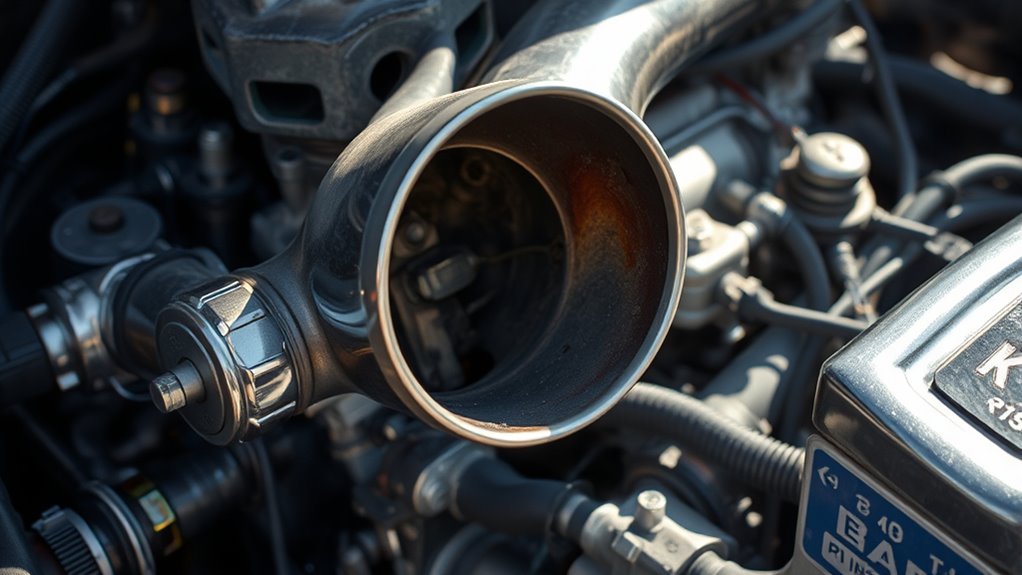
Exhaust leaks also play a significant role in these issues. When there’s a leak in your exhaust system—whether from a cracked pipe, a loose connection, or a damaged gasket—exhaust gases escape before reaching the muffler. This not only affects the sound but can also influence the engine’s air-fuel mixture. In some cases, exhaust leaks can cause the engine to run rich or lean, leading to misfires and increased emissions. The escaping gases can interfere with the sensors that monitor your engine’s performance, throwing off timing and causing backfiring or rough running. Noticing a hissing or popping sound near the engine or exhaust pipe could indicate an exhaust leak, which might be contributing to your engine’s misfire and backfire symptoms.
Addressing these issues often involves inspecting and repairing the ignition system first. Replacing worn spark plugs, faulty ignition coils, or damaged wires can restore proper spark and eliminate misfires. For exhaust leaks, you’ll need to carefully examine your exhaust system for cracks, loose fittings, or damaged gaskets. Repairing or replacing the faulty sections will help prevent gases from escaping prematurely, reducing backfire occurrences and improving overall engine performance. In some cases, adjusting the ignition timing or updating engine control modules can also help sync the ignition system and reduce backfiring.
Frequently Asked Questions
Can Engine Misfire Cause Permanent Engine Damage?
A misfire can cause permanent engine damage if ignored, affecting your engine’s longevity. When misfires happen repeatedly, they put extra stress on engine components, potentially leading to costly repairs. To prevent this, you should perform regular preventive maintenance, like checking spark plugs and fuel systems. Addressing issues early helps keep your engine running smoothly and extends its lifespan, saving you money and preventing long-term damage.
How Long Can I Drive With a Misfiring Engine?
You shouldn’t push your luck driving with a misfiring engine, as it’s like playing with fire. Usually, you can only go a few miles before risking further damage. Poor fuel quality or a faulty ignition system often cause misfires, which can quickly harm your engine if ignored. It’s best to get it checked ASAP, so you don’t end up stranded or facing costly repairs later on.
Are Backfires Dangerous to Exhaust Components?
Backfires can be dangerous to your exhaust components because the sudden burst of flames and pressure may cause damage over time. This affects exhaust component durability, leading to cracks or leaks. To prevent backfires, you should use backfire prevention techniques like ensuring proper fuel mixture and checking ignition timing. Regular maintenance also helps catch issues early, protecting your exhaust system from costly damage and keeping your vehicle running smoothly.
What Is the Cost to Repair a Misfire?
You’ll typically spend between $100 and $300 to repair a misfire, depending on the cause. Curiously, diagnostic tools help identify issues quickly, saving you both time and money. If your vehicle needs parts replaced, repair costs can rise to $1,000 or more. To avoid surprises, get a professional diagnosis early. Proper repairs restore engine performance, preventing further damage and ensuring your car runs smoothly.
Can Using the Wrong Fuel Cause Backfiring?
Yes, using the wrong fuel can cause backfiring. Poor fuel quality or incorrect octane levels disrupt combustion, leading to unburned fuel igniting in the exhaust. Additionally, incorrect ignition timing exacerbates this issue, causing incomplete combustion and backfire sounds. Always verify you use the recommended fuel grade and maintain proper ignition timing to prevent backfiring and keep your engine running smoothly.
Conclusion
Think of your engine as the heartbeat of your car—when it misfires or backfires, it’s like a warning drumbeat echoing through your journey. Ignoring these signs is like silencing the drum, risking further damage. Addressing the issue restores harmony, keeping your engine’s rhythm steady and true. When you fix the misfire, you’re tuning the symphony of your ride, ensuring every beat moves smoothly forward on the road ahead.
Fall Picks
fall essentials
As an affiliate, we earn on qualifying purchases.