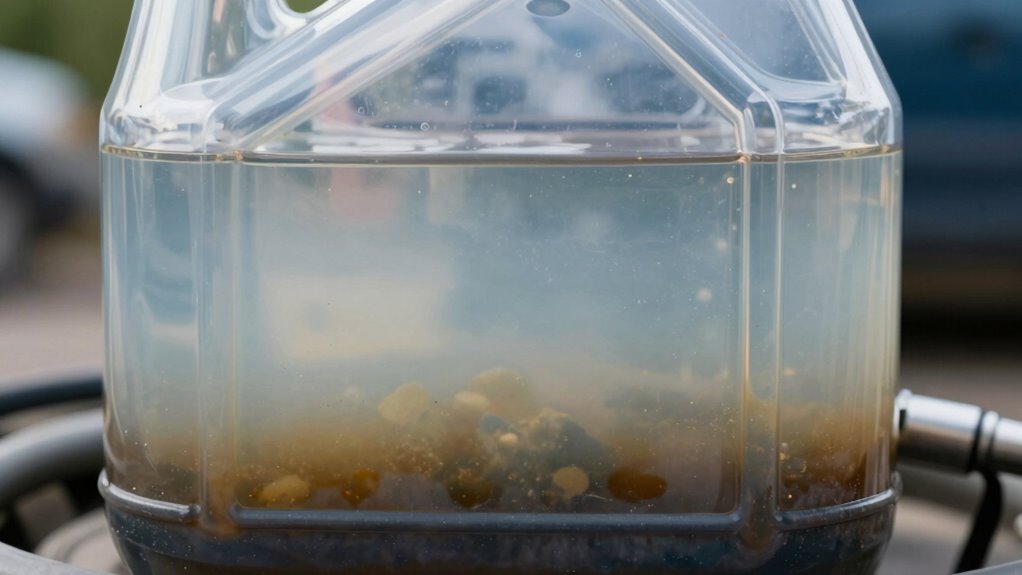

High-quality fuel improves your vehicle’s starting reliability by ensuring better vaporization and easier ignition, especially in cold weather. It contains fewer impurities and often includes stabilizers and additives that prevent deposits and keep the fuel system clean. This means your engine cranks smoother and starts faster, reducing misfires and extended cranking. If you want to understand how maintaining fuel quality makes a difference in cold starts, there’s more to uncover just ahead.
Key Takeaways
- High-quality fuel enhances vaporization, making cold starts easier and more reliable.
- Impurities in low-grade fuel cause misfires and longer cranking times during engine startup.
- Fuel additives prevent deposit buildup, maintaining cleaner injectors and valves for smoother starts.
- Stable, premium fuel improves ignition performance, especially in cold or stored conditions.
- Consistent use of quality fuel reduces starting issues and prolongs engine lifespan.
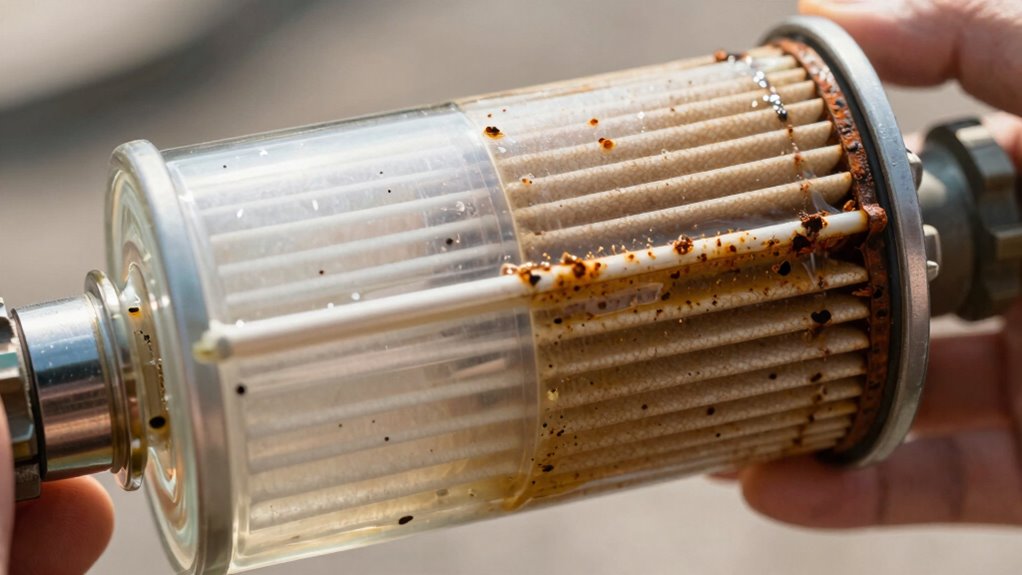
Have you ever struggled to start your vehicle on a cold morning? If so, you’ve probably noticed how the quality of your fuel can make a big difference. Low-quality fuel often leads to harder starts, especially in colder weather, because it doesn’t combust as efficiently. When fuel isn’t up to standard, your engine has to work harder to get the necessary power, which can cause delays or even prevent your car from starting altogether. That’s where fuel additives come into play—they’re designed to improve fuel quality, helping your engine perform better and making cold starts smoother.
Fuel additives are special chemicals you add to your gas tank to enhance fuel properties. They can prevent the formation of deposits that clog injectors and valves, which directly impacts engine performance. When deposits build up, the engine’s ability to ignite fuel efficiently diminishes, leading to sluggish starts and rough idling. By using quality fuel additives regularly, you help keep your fuel system clean, maintain ideal combustion, and ensure your engine runs smoothly. This not only improves starting reliability but also boosts overall engine performance over time.
Fuel additives prevent deposits, keep your engine clean, and enhance starting reliability over time.
Fuel quality directly influences how easily your vehicle starts, especially in chilly conditions. If your fuel contains impurities or low-grade components, it might not vaporize properly or ignite consistently. Such issues can cause misfires or extended cranking times. Conversely, high-quality fuel with the right additives ensures better vaporization, making it easier for your engine to catch and run smoothly from the first turn of the key. When your fuel burns more efficiently, your engine performs better, producing more power with less effort and reducing wear and tear. Fuel quality also plays a role in reducing emissions and protecting your engine components, further emphasizing its importance.
You might notice that using premium fuels or those with added stabilizers keeps your vehicle starting more reliably, even during cold mornings. These fuels often contain advanced additives that improve ignition qualities and prevent the formation of harmful deposits. Over time, consistent use of high-quality fuel can lead to fewer starting problems, better engine responsiveness, and improved fuel efficiency. This means fewer visits to the mechanic and a longer lifespan for your vehicle’s components. Additionally, understanding fuel additives and their role in maintaining fuel stability can help you make informed choices for your vehicle’s longevity. Recognizing the impact of fuel quality on engine performance can guide you in selecting fuels that optimize your vehicle’s start-up and operation. Moreover, fuel stability is essential for ensuring your vehicle’s reliability in various weather conditions and storage periods.
fuel additive for cold weather starts
As an affiliate, we earn on qualifying purchases.
As an affiliate, we earn on qualifying purchases.
Frequently Asked Questions
How Does Fuel Quality Affect Long-Term Engine Durability?
Poor fuel quality can considerably impact your engine’s long-term durability. Fuel contamination introduces debris and impurities, which can clog filters and harm components. Additionally, low-quality fuel often contains additives that lead to engine corrosion over time. This corrosion weakens engine parts, reducing lifespan and reliability. To protect your engine’s durability, always use high-quality fuel, regularly check for contamination, and maintain proper fuel system care.
Can Poor Fuel Quality Cause Immediate Starting Issues?
Poor fuel quality can cause immediate starting issues because fuel contamination and moisture accumulation can clog fuel filters and injectors. When contaminants or water enter your fuel system, it becomes harder for the engine to ignite properly, resulting in difficulty starting or rough starts. Ensuring high-quality fuel and addressing contamination promptly helps maintain reliable engine starts and prevents further damage caused by poor fuel conditions.
What Are Signs of Degraded Fuel Impacting Starting Reliability?
If your car’s stubbornly refusing to start, look out for signs of degraded fuel. Fuel contamination and moisture accumulation can cause rough starts or engine stalls. You might notice sputtering, difficulty turning over, or inconsistent idle. These issues scream that your fuel’s lost its mojo, turning your reliable ride into a temperamental beast. Don’t ignore these signs; your engine’s cry for fresh, clean fuel is loud and clear.
How Often Should Fuel Be Tested for Quality?
You should test your fuel regularly, ideally every 3 to 6 months, especially if stored for long periods. Proper fuel storage and adherence to quality standards help maintain fuel integrity. Testing guarantees contaminants or degradation aren’t affecting performance, preventing starting issues. If you notice any signs of poor fuel, testing sooner is wise. Consistent monitoring keeps your fuel fresh, reliable, and your vehicle running smoothly.
Does Fuel Additive Use Improve Starting Reliability?
Fuel additive use does improve starting reliability by enhancing fuel economy and ensuring cleaner combustion. You might think additives are unnecessary, but they actually boost additive effectiveness, reducing deposits that can hinder engine starts. Regularly using quality additives keeps fuel system components clean, leading to smoother starts and consistent performance. So, incorporating fuel additives into your routine can make a noticeable difference, especially in colder weather or when fuel quality varies.
As an affiliate, we earn on qualifying purchases.
Conclusion
In the end, good fuel quality truly makes a difference in your vehicle’s starting reliability. When you use cleaner, higher-grade fuel, you minimize the risk of starting issues and keep your engine running smoothly—like having a trusty steed in a modern-day chariot race. Don’t let subpar fuel turn your mornings into a scene from a bygone era. Prioritize quality, stay ahead of potential problems, and enjoy a dependable ride every time you turn the key.
As an affiliate, we earn on qualifying purchases.
As an affiliate, we earn on qualifying purchases.