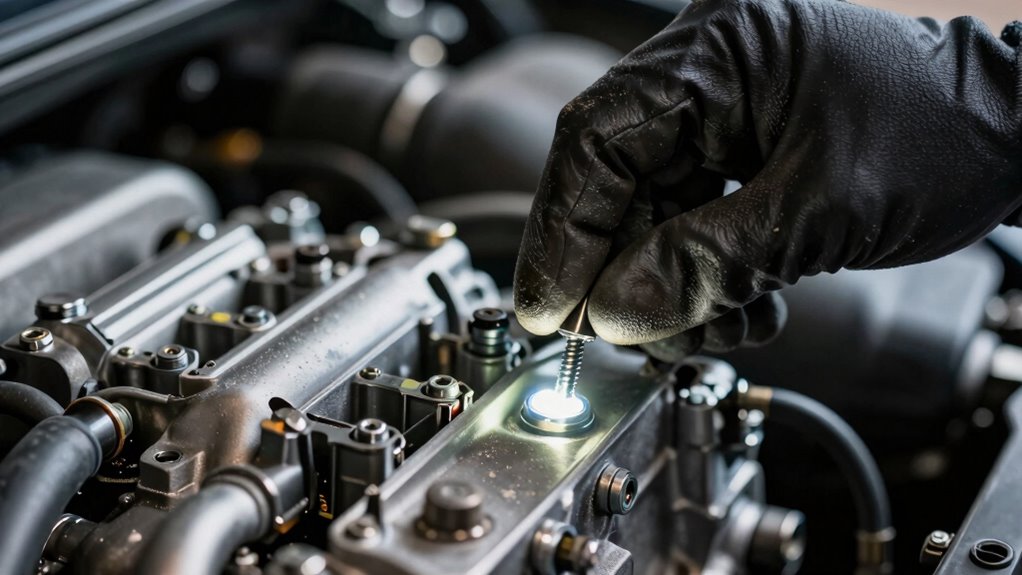
Start by inspecting your fuel system, checking the filter, injectors, and fuel pump for proper pressure and flow. Next, examine the ignition components like spark plugs, wires, and the coil pack for damage or wear. Use an OBD-II scanner to retrieve codes and identify faulty sensors or misfires. Focus on these core systems first, as issues here are the most common causes of rough idling. Keep going to discover more tips to troubleshoot effectively.
Play games included with Prime
Start a Prime free trial and play with Amazon Luna on your devices.
As an affiliate, we earn on qualifying purchases.
Key Takeaways
- Use an OBD-II scanner to retrieve trouble codes related to misfires or sensors.
- Inspect and clean or replace fuel filters and injectors to ensure proper fuel flow.
- Check spark plugs, ignition wires, and coil packs for damage or wear.
- Verify fuel pressure with a gauge and listen for fuel pump whine for proper operation.
- Systematically test core systems, focusing on fuel and ignition components, for quick diagnosis.
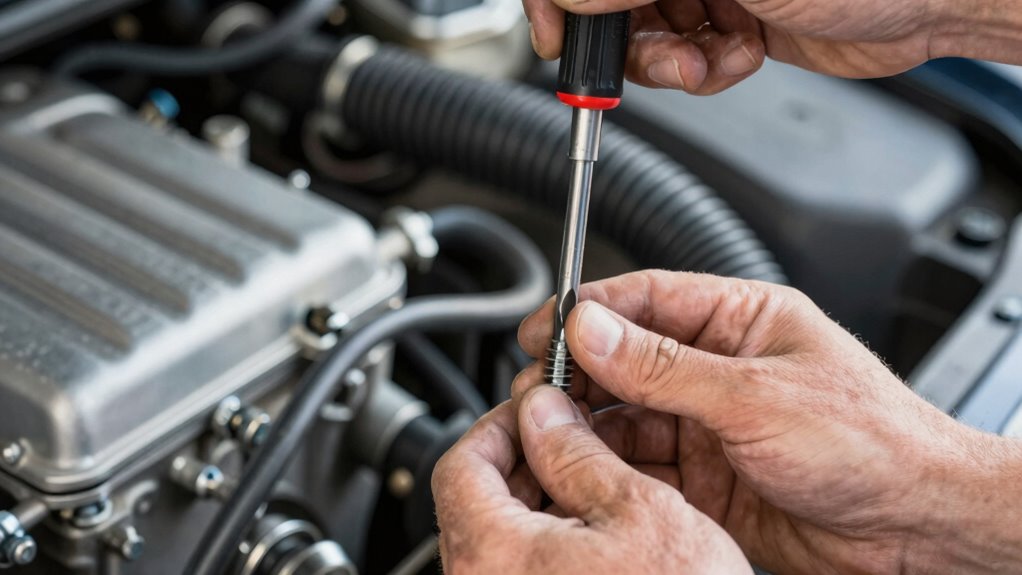
A rough idle can be frustrating, especially when you need your vehicle to run smoothly quickly. When your engine stumbles or shakes at idle, it’s often a sign something isn’t quite right. To narrow down the cause fast, you need to focus on the core systems that keep your engine running smoothly—primarily the fuel system and ignition components. These areas are usually at the root of idle issues, and checking them first can save you lots of time and guesswork.
Start by inspecting the fuel system. A dirty or clogged fuel filter can restrict fuel flow, leading to inconsistent engine idle. If the filter hasn’t been replaced recently, it’s worth swapping out. Also, consider the condition of your fuel injectors. Over time, injectors can get clogged or dirty, causing uneven fuel delivery. You might need to run a fuel injector cleaner through your tank or, if problems persist, have them professionally cleaned or replaced. A properly functioning fuel pump is essential too—if it’s failing, it won’t maintain the right fuel pressure, which can cause rough idling. Listen for whining noises from the pump or check fuel pressure with a gauge to confirm it’s working correctly. Understanding fuel system components and how they interact can help you diagnose issues more effectively. Additionally, ensuring the fuel system maintains proper pressure and flow is critical for smooth engine operation.
Check and replace your fuel filter, inspect fuel injectors, and ensure the fuel pump maintains proper pressure for smooth engine idle.
Next, turn your attention to ignition components. Worn or faulty spark plugs are a common culprit for rough idle. If your spark plugs haven’t been changed in a while, replacing them is a quick fix that could restore smoothness. Also, inspect the ignition wires or coil packs for damage or corrosion. Faulty ignition parts can cause weak or inconsistent sparks, leading to misfires and rough idling. If you notice any arcing or damage, replacing these parts might be necessary. Additionally, check the ignition timing—if it’s off, it can cause rough running. Some vehicles allow you to adjust timing straightforwardly, but others require a professional tune-up. Regularly inspecting your ignition system and related components can help prevent idle issues before they start.
To get a clearer picture, use an OBD-II scanner to pull any stored trouble codes. Codes related to misfires, fuel mixture, or sensors like the mass airflow sensor can point you toward specific issues. If codes point to particular sensors, cleaning or replacing those parts might resolve the problem. Remember, while these steps can help you identify common causes, some issues might require professional diagnostics. Still, a systematic check of your fuel system and ignition components is your best first move to narrow down a rough idle quickly. By focusing on these critical areas, you’ll often find the culprit and get your engine running smoothly again—fast.
OBD-II scanner for car diagnostics
As an affiliate, we earn on qualifying purchases.
As an affiliate, we earn on qualifying purchases.
Frequently Asked Questions
Can a Dirty Air Filter Cause Rough Idling?
Yes, a dirty air filter can cause rough idling because it restricts airflow to your engine, affecting its performance. Regular air filter maintenance ensures smooth airflow, preventing rough idling issues. If cleaning or replacing the filter doesn’t help, try idle adjustment techniques to fine-tune engine speed. Keeping your air filter clean and adjusting the idle properly can markedly improve your vehicle’s idle quality, making it run smoother and more efficiently.
How Does Spark Plug Wear Affect Idle Quality?
When spark plug wear occurs, like electrode erosion, it can cause rough idling by misfiring or inconsistent sparks. For example, if your spark plug gaps become too wide due to wear, the spark might weaken, leading to rough idle. Regularly checking and adjusting spark plug gaps helps maintain smooth engine performance. Worn spark plugs with eroded electrodes reduce spark efficiency, directly impacting your engine’s idle quality.
Is Fuel Injector Cleaning Necessary for Rough Idle?
Yes, fuel injector cleaning can be necessary for a rough idle. Over time, fuel injectors can get clogged, affecting the fuel system’s efficiency and causing rough idling. Regular injector maintenance helps guarantee proper fuel spray and combustion, improving engine smoothness. If your vehicle idles unevenly, cleaning the fuel injectors might restore proper fuel flow, leading to a smoother idle and better overall engine performance.
Can Computer Sensor Issues Lead to Rough Idling?
Sensor malfunction can definitely cause rough idling, as faulty sensors send incorrect data to your car’s computer. This can disrupt the air-fuel mixture, leading to inconsistent engine performance. Using diagnostic tools helps you identify sensor issues quickly, pinpointing the faulty component. Once you replace or repair the malfunctioning sensor, your engine should idle smoothly again. Regular diagnostics ensure your sensors work correctly, preventing rough idling caused by sensor problems.
How Often Should I Check My Idle Control Valve?
You should check your idle control valve every 30,000 miles or during regular maintenance. Perform an idle adjustment if your engine idles rough or stalls. During valve inspection, look for carbon buildup, dirt, or damage. Cleaning or replacing the valve can improve idle stability. Regular checks guarantee your engine runs smoothly, preventing rough idling issues and maintaining peak performance. Stay proactive with these maintenance steps for better engine health.
As an affiliate, we earn on qualifying purchases.
Conclusion
Now that you’ve taken these quick steps, you’re well on your way to conquering that rough idle. Think of it as untangling a knot—each step loosens the grip, revealing the smooth flow beneath. Remember, patience is your trusty tool, and with a little troubleshooting, you’ll have your engine purring like a kitten in no time. So don’t let that rough idle hold you hostage—tackle it head-on and enjoy the sweet sound of a job well done!
As an affiliate, we earn on qualifying purchases.
As an affiliate, we earn on qualifying purchases.
Fall yard work Picks
leaf blowers
As an affiliate, we earn on qualifying purchases.