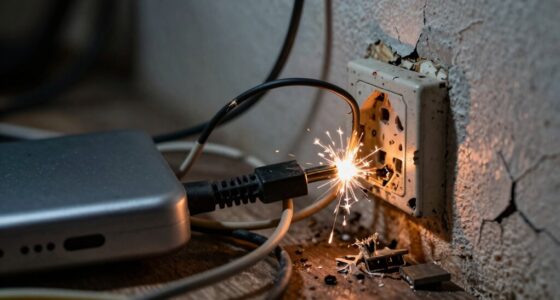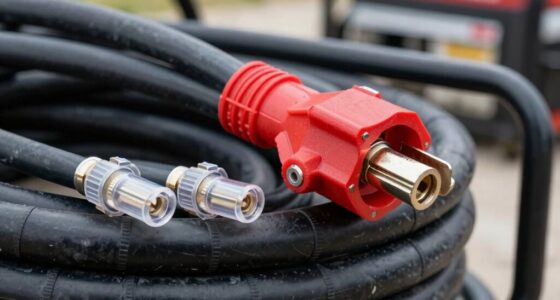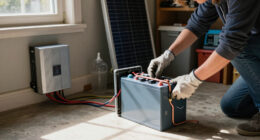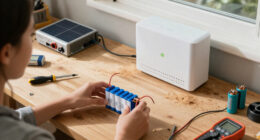
Backfeeding happens when generator power flows back into your home’s main electrical system, creating serious safety risks like electrocution, fires, and damage to wiring or appliances. It often occurs due to improper connections or faulty equipment. Utility workers and homeowners are both at risk if backfeeding isn’t properly managed. Using transfer switches and professional inspections can prevent these hazards. To guarantee your safety, understanding the causes and safeguards is essential—continue exploring to stay protected.

Get backup power and energy gear delivered free — and shop member deals
- Fast, free delivery on millions of items
- Access to Prime Big Deal Days deals on October 6–7
- Prime Video, Amazon Music and more included
Key Takeaways
- Backfeeding allows generator power to flow into the main grid, risking electrocution for homeowners and utility workers.
- Improper wiring, incorrect transfer switch use, and faulty connections increase backfeeding dangers.
- Backfeeding can energize de-energized circuits, causing fires, equipment damage, and severe injuries.
- Using proper transfer switches and turning off generators before connecting prevent backfeeding incidents.
- Regular inspections, safety awareness, and professional electrical work are essential for safe generator operation.
As an affiliate, we earn on qualifying purchases.
What Is Backfeeding and How Does It Work?

Have you ever wondered how electricity can flow in unexpected directions? Backfeeding occurs when power from a generator or an alternative source flows back into the main electrical system, creating a potential hazard. It can happen if you connect a generator improperly or fail to follow generator safety guidelines. This reverse flow can energize circuits that should be de-energized, posing serious electrical hazards to anyone working on the system or nearby. Understanding how backfeeding works is essential to avoid dangerous situations. Properly installed transfer switches prevent this reverse current, ensuring electricity flows safely. Never ignore the risks of backfeeding, as it can lead to severe shocks, fires, or damage to your electrical system. Being aware of home safety measures can help prevent such issues and keep everyone protected. Staying informed protects you and everyone around you from these hidden dangers.
As an affiliate, we earn on qualifying purchases.
Common Causes of Backfeeding Incidents

You’re more likely to encounter backfeeding issues when generator connections aren’t made correctly or wiring systems are faulty. Improper connections can send power where it shouldn’t go, creating dangerous situations. Faulty wiring further increases this risk, making it vital to verify that everything is set up properly. Using appropriate safety measures can significantly reduce the chance of backfeeding incidents occurring during power transfer.
Improper Generator Connections
One of the most common causes of backfeeding incidents is improper generator connections, which often result from incorrect wiring or using incompatible transfer switches. When you connect your generator incorrectly, you risk creating electrical hazards that can endanger you and others. Poor connections can lead to backfeeding power into the utility lines, posing serious safety risks for utility workers and emergency responders. To guarantee generator safety, always follow manufacturer instructions and use the correct transfer switch designed for your system. Avoid bypassing safety features or attempting makeshift wiring solutions, as these increase the chances of electrical hazards. Properly installed and maintained connections help prevent backfeeding, protecting both your property and the lives of those working on power lines. Additionally, understanding the benefits of proper setup can significantly reduce the likelihood of accidents and ensure a safe power transfer process.
Faulty Wiring Systems
Faulty wiring systems are a leading cause of backfeeding incidents because improper connections or damaged conductors can send electricity where it shouldn’t go. Grounding issues and circuit miswiring often contribute to these hazards. Poor grounding can cause unintended current flow, increasing the risk of shock or fire. Circuit miswiring, such as incorrect connections between power sources and appliances, can create dangerous backfeed conditions.
| Issue | Potential Consequence |
|---|---|
| Grounding issues | Electric shock, fire hazard |
| Circuit miswiring | Unintended power flow, equipment damage |
Always verify wiring is correctly installed and inspected regularly to prevent these dangers. Proper wiring safeguards your home and prevents backfeeding accidents.
generator transfer switch installation kit
As an affiliate, we earn on qualifying purchases.
As an affiliate, we earn on qualifying purchases.
Why Backfeeding Is a Major Safety Concern

Backfeeding poses serious safety risks that you need to understand. It can lead to electrocution, damage your equipment, and even violate electrical codes. Recognizing these dangers helps you prevent accidents and stay compliant. Understanding AI vulnerabilities is also crucial for ensuring safety when integrating advanced technologies.
Risk of Electrocution
Because backfeeding bypasses standard electrical safety measures, it considerably increases the risk of electrocution. When you backfeed power into your home’s electrical system, you expose yourself to potential electric shock if safety protocols aren’t followed. Without proper isolation or disconnecting the main power source, live wires can energize circuits unexpectedly, leading to severe injury or death. Even small mistakes, like reconnecting a generator incorrectly, can turn into life-threatening hazards. It’s essential to understand that safety protocols are in place to protect you from these dangers. By adhering to proper procedures, you minimize your risk of accidental contact with energized parts. Proper fraud detection tools and safety measures are crucial in preventing accidents during electrical backfeeding. Always prioritize safety, and never underestimate the danger of electric shock caused by improper backfeeding.
Damage to Equipment
When you backfeed power into your home’s electrical system, you risk damaging your appliances and equipment. Electrical faults caused by backfeeding can lead to overheating, short circuits, and permanent damage. This not only shortens the lifespan of your devices but also creates costly repairs. Proper safety practices are essential to prevent such issues and ensure safe operation.
Code Violations
Attempting to backfeed power into your home’s electrical system without proper authorization often results in code violations that can compromise safety and legality. Electrical standards are set to prevent hazards like fires and electric shocks, but backfeeding bypasses these safeguards. When you ignore these codes, you risk violating local electrical regulations, which can lead to fines or denied insurance claims. Code violations also make it difficult to pass inspections, potentially causing costly delays or unsafe conditions. Properly licensed electricians follow electrical standards to ensure your system is safe and compliant. Backfeeding without proper procedures disregards these standards, creating dangerous situations for you and utility workers. Always consult a professional and follow electrical codes to safeguard your home and ensure legal compliance. Additionally, understanding entertainment and parks operating hours can help you plan safe and efficient visits to your favorite attractions.
electrical safety inspection tools
As an affiliate, we earn on qualifying purchases.
As an affiliate, we earn on qualifying purchases.
Recognizing the Signs of Backfeeding in Your Electrical System

Backfeeding can create serious safety hazards, and recognizing its signs early can prevent accidents. Being aware of the warning signs helps you maintain generator safety and improve electrical awareness. Look out for unusual electrical behavior, like unexpected power flow or appliances turning on without a switch.
Signs of backfeeding include:
- Power running through outlets when the main breaker is off
- Appliances or lights flickering or behaving erratically
- Unusual odors or buzzing sounds near your electrical panel
- Sometimes, family photoshoot fails can be caused by unexpected electrical issues affecting equipment or lighting.
If you notice any of these signs, stop using your generator immediately and consult a licensed electrician. Staying vigilant helps prevent dangerous backfeed situations, protecting both your home and utility workers. Proper awareness ensures safe operation and reduces the risk of electrical accidents.
The Risks of Backfeeding to Homeowners and Utility Workers

Backfeeding can put you and utility workers at serious risk of electrocution, especially if proper precautions aren’t taken. Utility workers face dangers when they might not know your system is backfeeding, increasing the chance of accidents on the job. Plus, backfeeding can lead to legal troubles and insurance issues if safety protocols aren’t followed. Being aware of dog names can help owners communicate more effectively with utility personnel, ensuring safety measures are understood.
Electrocution Hazards for Homeowners
Have you ever considered the serious risk of electrocution when improper backfeeding occurs? If you don’t follow proper generator safety and maintain electrical isolation, you risk deadly shocks. Backfeeding can energize power lines unexpectedly, putting you and utility workers in danger. To stay safe:
- Ensure your generator is properly grounded and connected correctly
- Never bypass electrical isolation devices or switch off safety features
- Use transfer switches designed for safe backfeeding to prevent backflow into the grid
Understanding electrical safety protocols is crucial to prevent accidents and injuries during backup power situations.
These precautions reduce the chance of accidental electrocution. Remember, even a small mistake can lead to severe injury or death. Always prioritize safety, follow manufacturer instructions, and consult a professional if you’re unsure about your setup. Proper precautions keep everyone safe from electrocution hazards.
Utility Worker Safety Risks
When improper backfeeding occurs, it doesn’t just put homeowners at risk—it also endangers utility workers. Utility workers rely on correct electrical grounding and proper generator safety to avoid electric shocks or injuries. If a home backfeeds power into the grid, utility workers may unknowingly work on energized lines, risking electrocution. To prevent this, clear protocols and safe practices are vital, especially during maintenance or repairs.
| Risk | Explanation |
|---|---|
| Lack of Electrical Grounding | Increases shock risk for workers |
| Improper Generator Safety | Can unexpectedly energize lines |
| Unintended Power Flow | Creates dangerous working conditions |
Legal and Insurance Issues
Because improper backfeeding occurs unexpectedly, homeowners and utility workers face significant legal and insurance risks. If an accident happens due to backfeeding, you could be held legally liable for damages or injuries, leading to costly legal liabilities. Insurance claims may also be denied if insurance companies determine that unsafe practices caused the incident.
- You might face legal action if safety procedures aren’t followed, risking fines or lawsuits
- Your insurance could refuse coverage if backfeeding is deemed negligent or reckless
- Utility companies may hold you responsible for damages to their equipment or infrastructure
Understanding these risks underscores the importance of proper safety measures and adherence to electrical codes to protect yourself from legal and financial consequences.
Preventative Measures to Avoid Backfeeding Hazards

To prevent backfeeding hazards, you need to implement specific safety measures that isolate power sources and prevent unintended current flow. Focus on generator safety and electrical awareness to stay safe. Always turn off your generator before connecting or disconnecting it from your home. Use proper grounding techniques and check connections regularly. Here’s a quick guide:
| Safety Step | Why It Matters |
|---|---|
| Use dedicated outlets | Prevents accidental backfeed |
| Install transfer switches | Ensures power flows safely, not back into lines |
| Regularly inspect equipment | Detects faults early, avoiding hazards |
Proper Use of Transfer Switches and Backfeed Protection Devices

Proper use of transfer switches and backfeed protection devices is essential in guaranteeing your home stays safe during power outages. These devices prevent dangerous backfeeding and protect your electrical system from power surges. To make certain safe operation, regularly perform generator maintenance, checking for loose connections and proper grounding. Always switch off the main breaker before connecting a generator to avoid backfeed hazards. Use transfer switches designed for your generator’s wattage to manage power flow effectively. This helps prevent overloads and damage to your appliances. Remember, improper use can lead to serious safety risks, so follow manufacturer instructions carefully. Key tips include:
- Confirm the transfer switch is correctly installed and rated for your generator
- Regularly test backfeed protection devices to ensure functionality
- Never bypass safety features during generator operation
How to Safely Disconnect and Repair Backfeeding Problems

When you notice backfeeding issues, it’s crucial to disconnect the generator safely before attempting any repairs. Make sure you turn off the generator and unplug all connections to prevent electrical shock. Prioritize generator safety by wearing insulated gloves and using proper tools. Before inspecting wiring, shut off the main breaker to avoid live circuits. Perform a thorough wiring inspection to identify damaged or improperly connected wires that could cause backfeeding. If you’re unsure about handling electrical components, consult a professional. Avoid working on energized circuits or making quick fixes; improper repairs can be dangerous. Once repairs are complete, double-check all wiring connections, reset your breaker, and test the system carefully. Taking these steps minimizes risks and ensures your system is safely restored.
The Importance of Professional Electrical Inspections

After safely disconnecting and repairing backfeeding issues, scheduling a professional electrical inspection becomes a crucial step. A licensed electrician can evaluate your system to guarantee generator safety and proper circuit maintenance. Regular inspections help identify potential hazards before they cause damage or injury. They also verify that your generator connections are secure and compliant with safety standards. Additionally, a professional assessment can prevent future backfeeding problems by catching wiring or circuit issues early. Remember, even small overlooked faults can lead to dangerous backfeed scenarios. Investing in routine inspections safeguards your household, equipment, and loved ones. Ultimately, professional electrical inspections provide peace of mind, ensuring your electrical system operates safely and efficiently. Don’t skip this vital step for ongoing safety and reliable power management.
Tips for Educating Your Family and Household Members

Educating your family and household members about backfeeding dangers is essential for maintaining a safe environment. Start by explaining how improper backfeeding can cause fires or electrical shocks. Emphasize the importance of fire safety and how to recognize potential hazards. Make sure everyone knows the emergency preparedness steps to take if they suspect backfeeding issues, such as unplugging devices and contacting a professional. Use simple demonstrations or visual aids to show correct power management practices. Encourage open discussions about electrical safety, so family members feel comfortable asking questions. Regularly review safety tips and update everyone on new precautions. By fostering awareness and preparedness, you help prevent accidents and ensure your household stays secure from electrical dangers.
Frequently Asked Questions
Can Backfeeding Occur With Solar or Generator Systems?
Yes, backfeeding can occur with solar or generator systems if safety protocols aren’t followed. When you connect a generator or solar power improperly, it can send electricity back into the utility lines, risking shock or fire hazards. To guarantee solar safety and avoid generator hazards, always use proper transfer switches and consult professionals. This way, you prevent dangerous backfeeding and protect yourself and utility workers.
What Are the Legal Requirements for Backfeed Protection Devices?
You must guarantee your backfeed protection devices meet legal compliance and device standards set by local electrical codes. These standards require installing proper interlock switches or automatic shutoff systems to prevent backfeeding into the grid. Always verify that your devices are UL-listed or approved by relevant authorities. By following these legal and safety requirements, you protect yourself, utility workers, and your property from potential backfeeding hazards.
How Often Should Electrical Systems Be Inspected for Backfeeding Risks?
You should inspect your electrical system at least once a year for backfeeding risks, as regular inspection frequency helps catch potential hazards early. Proper maintenance scheduling ensures safety and prevents dangerous backfeed situations. Remarkably, studies show that nearly 30% of electrical accidents could be avoided with routine inspections. By staying proactive and adhering to a yearly inspection schedule, you markedly reduce the chances of backfeeding dangers, keeping your system safe and reliable.
Are There Specific Signs Indicating Backfeeding During a Power Outage?
During a power outage, you should watch for power outage indicators like unexpected electrical activity in appliances or outlets. Backfeed warning signs include flickering lights, strange buzzing sounds, or outlets emitting sparks or heat. If you notice these signs, turn off affected circuits immediately and avoid using appliances until a professional inspects your system. Recognizing these signs helps prevent dangerous backfeeding situations that could harm you or utility workers.
What Training Is Recommended for Homeowners to Prevent Backfeeding?
Think of electrical awareness as your shield against danger. You should take a safety course focused on home electrical systems, emphasizing proper generator use and backfeeding prevention. Many utilities and safety organizations offer free or affordable training that covers critical homeowner safety topics. By completing this training, you’ll understand how to safely operate generators and prevent backfeeding, ensuring your home and loved ones stay protected during power outages.
Conclusion
Understanding backfeeding is vital to keeping your home and utility workers safe. Remember, ignoring these risks is like playing with fire—you might get burned. By staying vigilant, using proper equipment, and seeking professional help, you protect everyone. Safety isn’t just a choice; it’s a responsibility you hold. Don’t let a simple mistake turn into a disaster. Keep safety at the forefront, because in the end, prevention is the key to a secure home and peace of mind.
Fall Picks
fall essentials
As an affiliate, we earn on qualifying purchases.