
In windy conditions, you need locking connectors that stay secure under turbulence. Look for ones with locking mechanisms like latches, clips, or twist-lock features that fully engage and resist vibrations. Make sure they’re made from weather-resistant, durable materials and regularly inspect them for wear or looseness. Proper installation and maintenance are key to preventing disconnections and equipment damage. For more tips on ensuring connector safety during storms, keep exploring these important considerations.
Key Takeaways
- Choose locking connectors with reinforced mechanisms like latches or twist-lock features for enhanced wind resistance.
- Ensure connectors are properly engaged and visually confirm full locking during installation.
- Use weather-resistant, durable materials to prevent corrosion and maintain secure connections in harsh conditions.
- Regularly inspect and maintain connectors to detect wear, looseness, or damage early.
- Incorporate high-wind tested locking features and additional securing measures for maximum safety during gusts.
When wind speeds pick up, securing connectors becomes essential to prevent accidental disconnections or equipment failure. In windy conditions, connector safety isn’t just about making sure everything stays attached; it’s about maintaining the integrity of your entire setup. Strong wind can exert force on connectors, which increases the risk of them loosening or disconnecting unexpectedly. That’s why understanding how to enhance wind resistance with locking connectors is crucial. You want connectors that can withstand gusts and turbulent airflow without compromising performance or safety.
To improve wind resistance, you should choose locking connectors specifically designed for harsh conditions. These connectors feature mechanisms—such as latches, clips, or twist-lock features—that secure the connection firmly. When you properly engage these locking features, they create a barrier against vibrations and wind-induced movement. This additional layer of security helps prevent accidental disconnections, which could lead to equipment damage or operational downtime. You’ll find that locking connectors with reliable locking mechanisms not only increase connector safety but also give you peace of mind during storms or high-wind situations. Proper installation is key. Even the best locking connector won’t perform well if it’s not correctly engaged. Always double-check that the lock is fully engaged and that there’s no slack or looseness in the connection. If your connectors are designed with visual indicators, use them to verify that the lock is properly engaged. Additionally, consider using connectors with reinforced locking features or those made from durable, weather-resistant materials, especially if you’re working outdoors or in exposed environments. These materials help maintain connector safety over time, even when subjected to constant wind, rain, or other harsh conditions. Incorporating locking mechanisms that are tested for high-wind environments can further enhance stability. Using connectors with additional securing features can also provide extra assurance against disconnection in turbulent conditions. Furthermore, selecting connectors with corrosion-resistant materials can significantly extend their lifespan in outdoor settings. Regular inspection is essential, as even the most robust connectors can suffer from wear and tear due to exposure. Windy environments can cause wear and tear that slowly diminishes connector security. Routine checks help ensure they remain tightly engaged and free from damage. A thorough understanding of connector durability and proper handling can make a significant difference in maintaining security. If you notice any signs of wear or looseness, replace or repair the connectors immediately. This proactive approach, supported by proper maintenance, ensures that your setup continues to resist wind effectively, reducing the risk of failure during critical moments. Remember, the goal is to keep your connections solid and resilient, regardless of how forceful the wind gets.
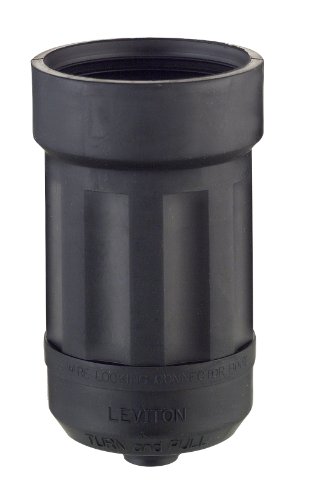
Leviton Boot for Straight / Locking Connector, 20 Amp and 30 Amp, 4, 5-Wire, Weather Resistant, 6034, Black
- Compatibility: For 20A and 30A connectors
- Weather Resistance: Weather resistant design
- Wire Configuration: 4 or 5-wire setup
As an affiliate, we earn on qualifying purchases.
As an affiliate, we earn on qualifying purchases.
Frequently Asked Questions
How Do Locking Connectors Perform in Extreme Wind Speeds?
Locking connectors perform well in extreme wind speeds due to their enhanced connector durability and wind resistance features. You’ll find that they stay securely in place, preventing disconnections even during gusts. Their robust design ensures they resist loosening or damage caused by high winds. By choosing locking connectors, you guarantee reliable performance in harsh conditions, maintaining safety and efficiency without worrying about accidental disconnections or wear over time.
Are Locking Connectors Compatible With All Types of Wind Turbine Cables?
Locking connectors are generally compatible with many cable types used in wind turbines, but it’s crucial to check connector compatibility beforehand. You should verify that the connector fits your specific cable type, whether it’s single-core, multi-core, or specialized cables. Not all locking connectors work with every cable type, so always consult the manufacturer’s specifications to guarantee proper fit and secure connection in windy conditions.
What Maintenance Is Required for Locking Connectors After Storm Events?
After storm events, you should inspect your locking connectors regularly, ideally every few months, to guarantee they’re secure and free from damage. Focus on corrosion prevention by checking for rust or corrosion signs, especially in humid or salty environments. Keep connectors clean and dry, and apply protective coatings if needed. Regular inspections help maintain their integrity, prevent failures, and ensure reliable wind turbine operation in windy conditions.
Can Locking Connectors Be Used in Offshore Wind Farms?
You can absolutely use locking connectors in offshore wind farms; they’re built tough like armor against the elements. Marine corrosion is a real threat, but high-quality connectors with excellent durability withstand salty, harsh conditions. These connectors are designed to resist corrosion and maintain secure connections over time, ensuring reliable operation. Proper maintenance is essential, especially after storms, to keep them functioning smoothly and extend their lifespan in challenging marine environments.
How Do Locking Connectors Impact Overall Wind Turbine Safety?
Locking connectors crucially enhance wind turbine safety by improving connector durability and ensuring secure connections, especially in harsh conditions. They reduce the risk of disconnections caused by wind-induced vibrations or weather. Proper installation procedures are essential to maximize their effectiveness, preventing faults that could lead to safety issues. By maintaining stable electrical and mechanical connections, locking connectors help protect turbines and personnel from potential hazards, ensuring reliable operation in windy environments.

AOHUA 5-Pack K15 IP68 Waterproof 2-Pin Connector – Quick Docking 300V/10A Male/Female Electric Plug Socket for 5.5-10mm Cables, Industrial/Aviation Grade (AH-K15-1002MMZ/FFZ01222)
- Set of 5 Waterproof Connectors: Self-locking 2-pin outdoor connectors
- Compatible Cable Sizes: Fits 5.5-10mm cables with grommets
- Electrical Specifications: Rated 300V/10A, -40°C to 105°C
As an affiliate, we earn on qualifying purchases.
As an affiliate, we earn on qualifying purchases.
Conclusion
Think of locking connectors in windy conditions as the sturdy anchor of a sailboat, keeping you steady against the gusts. Just as an anchor secures the vessel, your connectors guarantee safety and reliability when the wind howls. Don’t let the storm catch you unprepared—double-check those locks, stay grounded, and sail smoothly even in rough weather. With the right precautions, you’ll navigate windy days with confidence, knowing your connection is as firm as the anchor holding fast in a tempest.

CNLINKO Male Female Plug Socket 9 Pin Connector, Industrial Waterproof Power Connector, M16 5A Connectors for LED Strip Factory Electrical Plug Quick Connect Wire Cable Connector Socket (9Pin)
- Waterproof IP68 Rating: Dust and water resistant connection
- Cable Compatibility: Fits 0.34-0.5mm² cables
- Durable Design: Over 500 connection cycles
As an affiliate, we earn on qualifying purchases.
As an affiliate, we earn on qualifying purchases.

Qjaiune 12Pcs 3/16 Inch 304 Stainless Steel D Quick Link Locking Connector
- Package Includes: 12 stainless steel D-shaped connectors
- Connector Size: 1.93 inches long, 5mm thick
- High Load Capacity: Supports up to 294kg (648lbs)
As an affiliate, we earn on qualifying purchases.
As an affiliate, we earn on qualifying purchases.