If you’re comfortable handling basic tasks like oil changes, filter replacements, and spark plug cleaning, doing it yourself can save money. However, for complex repairs or internal inspections, hiring a professional is safer and guarantees everything’s done correctly. Consider your technical skills and safety awareness before proceeding. Regular professional servicing can prevent costly breakdowns and extend your generator’s lifespan. Keep going to find out how to decide the best approach for your situation.
Key Takeaways
- Routine tasks like oil changes and filter replacements are suitable for DIY, while complex repairs require professional expertise.
- Safety-sensitive procedures, such as handling fuel or electrical components, should be performed by trained professionals.
- Regular professional servicing helps detect hidden issues early, preventing costly breakdowns and extending generator lifespan.
- If you’re unfamiliar with small engine mechanics or lack proper tools, hiring a pro ensures safe and effective maintenance.
- Consider the complexity, safety risks, and your skill level when choosing between DIY maintenance and professional servicing.

When it comes to keeping your generator in top shape, deciding between DIY maintenance and professional servicing can be a tough choice. You want your generator to operate reliably, especially during power outages, but understanding when to handle it yourself versus calling in a pro is key. One of the biggest considerations is generator safety. If you’re comfortable working with small engines, know how to disconnect the power properly, and follow safety protocols, DIY maintenance can be a practical option. However, if you’re unsure about handling fuel systems, electrical connections, or internal components, professional servicing is the safer route. Proper maintenance minimizes risks such as electrical shocks, fires, or damage that could compromise your generator’s safety and performance.
Proper maintenance reduces risks and ensures your generator operates safely and reliably.
Cost comparison is another important factor. Doing basic maintenance yourself, like changing oil, replacing filters, or cleaning spark plugs, can save you money since you avoid labor charges. These small tasks are straightforward and often well-documented in the generator’s manual. On the other hand, professional servicing might seem more expensive initially, but it often includes thorough inspections, diagnostics, and repairs that you might overlook. This extensive approach can prevent costly breakdowns down the line, ultimately saving you money. Plus, professionals are trained to spot issues before they escalate, ensuring your generator remains dependable when you need it most.
While DIY maintenance can be cost-effective, it does require some technical know-how and the right tools. If you’re comfortable with basic mechanical tasks and adhere strictly to safety guidelines, you can handle routine upkeep. But remember, even minor mistakes can lead to bigger problems, like poor fuel combustion or electrical faults. For complex repairs or if your generator hasn’t been serviced in a while, professional servicing is usually a better investment. Experts can perform detailed inspections, troubleshoot issues accurately, and ensure all parts meet safety standards, giving you peace of mind that your generator will operate safely and efficiently.
Additionally, understanding the importance of regular maintenance and proper servicing routines can significantly extend your generator’s lifespan and reliability. Ultimately, your decision hinges on your comfort level, knowledge, and the specific needs of your generator. Routine tasks are often suitable for DIY, but when it comes to generator safety and ensuring ideal performance, professional servicing offers a level of expertise that’s hard to match. Weighing the cost comparison, safety risks, and the complexity of maintenance tasks can help you decide when to roll up your sleeves and when to call in a professional. Keep in mind, timely professional servicing can extend your generator’s lifespan, improve safety, and give you confidence during emergencies.

Generac 5W-20 Maintenance Kit for 20Kw-26Kw 999cc Generators (Replaces A0002074712)
Generac SAE 5W-20 Full Synthetic Engine Oil (2 Quarts)
As an affiliate, we earn on qualifying purchases.
As an affiliate, we earn on qualifying purchases.
Frequently Asked Questions
How Often Should I Schedule Professional Generator Inspections?
You should schedule professional generator inspections at least once a year, but maintenance scheduling depends on usage and environmental conditions. If you run your generator frequently or in harsh conditions, consider more frequent inspections, like every six months. Regular inspection frequency helps catch issues early, ensuring reliable performance when you need it most. Don’t wait until problems arise—routine professional checkups keep your generator in prime shape year-round.
What Are Common Signs My Generator Needs Expert Servicing?
Your generator’s like a restless engine—notice if it’s making strange noises, emitting unusual smells, or failing to start smoothly. These are signs it needs expert servicing. Check your maintenance checklist regularly, and use troubleshooting tips to identify issues early. If you notice persistent problems, such as decreased power or frequent outages, it’s time to call a professional to guarantee your generator runs reliably and safely when you need it most.
Can I Perform Complex Repairs Without Voiding the Warranty?
You can perform some repairs yourself, but complex repairs might void your warranty due to warranty implications. If a repair involves intricate parts or specialized tools, it’s best to avoid DIY. Attempting complicated fixes without proper knowledge can lead to damage or future issues. To protect your warranty and ensure safety, consider consulting a professional for complex repairs, especially if the repair complexity increases beyond basic troubleshooting.
What Safety Precautions Are Essential During Professional Generator Servicing?
Think of generator servicing as steering through a minefield—you need sharp eyes and the right armor. Always wear safety gear like gloves, eye protection, and earplugs, and stay alert to hazard awareness. Keep your workspace clean, disconnect power before starting, and follow manufacturer’s instructions meticulously. These precautions help prevent accidents, ensuring both your safety and the generator’s integrity during professional servicing. Safety isn’t optional; it’s your best defense.
How Do Professional Maintenance Costs Compare to DIY Expenses?
Professional maintenance costs are generally higher than DIY expenses, but they include expert labor, specialized tools, and thorough inspections, which can prevent costly breakdowns later. Conducting a cost comparison, you’ll find that the expense analysis often favors professional service for complex issues, saving you money in the long run. While DIY might be cheaper upfront, hiring a pro guarantees safety, efficiency, and long-term reliability of your generator.

Arpisziv GP5500 GP6500 Air Filter Fit For Ge-nerac Generator GP6500E GP7500 GP8000E H5500 H7500 RS5500 RS7000E Reps 17211-899-000
Package include:2 Air Filters
As an affiliate, we earn on qualifying purchases.
As an affiliate, we earn on qualifying purchases.
Conclusion
Ultimately, maintaining your generator is like tending a living engine—trust your instinct to know when it needs your careful touch or a seasoned professional’s expertise. When sparks fly and parts hum smoothly, you’re in control. But if the engine stutters or shadows of doubt cloud your confidence, it’s time to call in the pros. Think of them as skilled artisans, restoring power and confidence, ensuring your generator’s heartbeat stays steady through every storm.
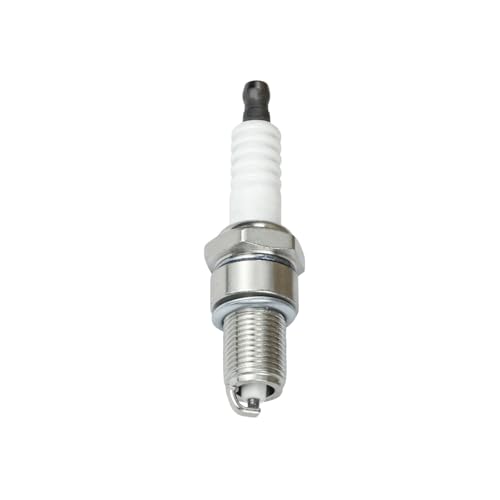
KELKONG 0J00620106 Spark Plug Compatible with Generac Models Replacement for Generac 006000-0 (LP3250) Portable Generator
Replace part number: 0J00620106
As an affiliate, we earn on qualifying purchases.
As an affiliate, we earn on qualifying purchases.
Generac 5W-20 Maintenance Kit for 20Kw-26Kw 999cc Generators (Replaces A0002074712)
Generac SAE 5W-20 Full Synthetic Engine Oil (2 Quarts)
As an affiliate, we earn on qualifying purchases.
As an affiliate, we earn on qualifying purchases.