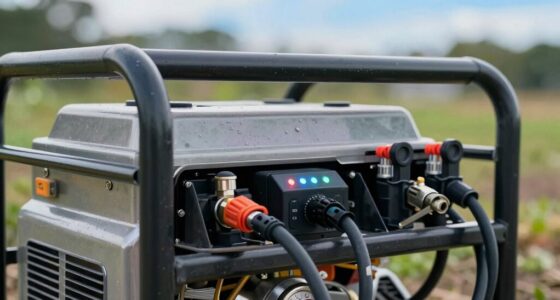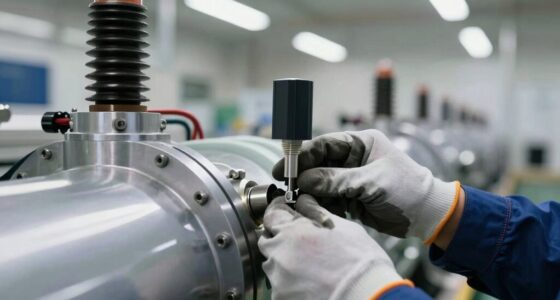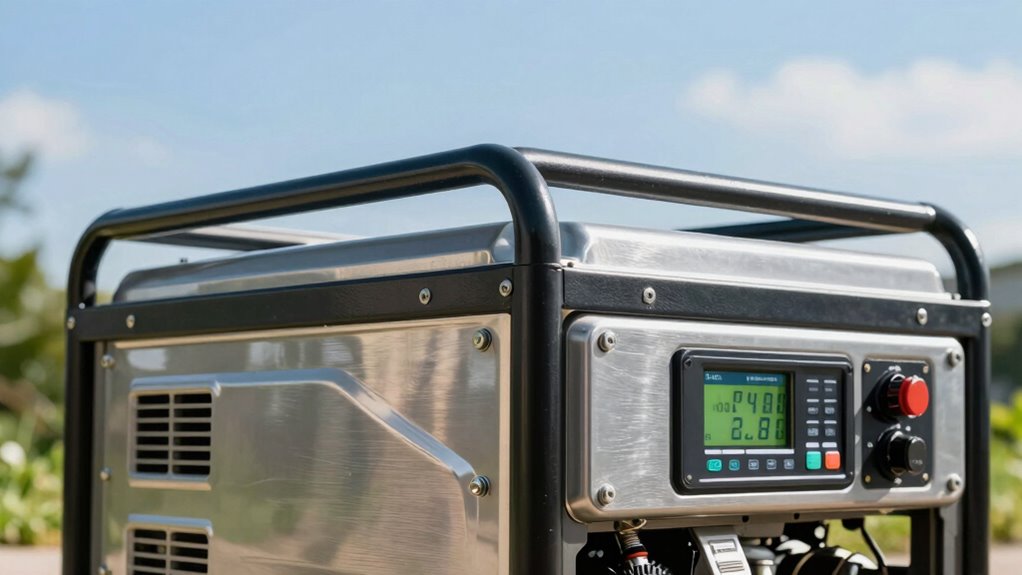

You should exercise your backup generator about once a month for roughly 30 minutes. This keeps it lubricated, checks fuel levels, and guarantees all components work properly. Regular use helps identify problems early and prevents parts from seizing or degrading. Follow safety protocols during testing and monitor for unusual sounds or overheating. Consistent exercise is key to reliable performance in emergencies. If you want to learn more about maintaining your generator, keep exploring these tips.

Get backup power and energy gear delivered free — and shop member deals
- Fast, free delivery on millions of items
- Access to Prime Big Deal Days deals on October 6–7
- Prime Video, Amazon Music and more included
Key Takeaways
- Exercise the generator at least once a month for about 30 minutes to ensure proper functioning.
- Follow manufacturer recommendations for frequency, typically monthly testing.
- Conduct load testing regularly to verify performance and detect issues early.
- During each exercise, check fluid levels, listen for abnormal sounds, and inspect for leaks.
- Incorporate routine exercises into maintenance to prevent seizing and maintain emergency readiness.
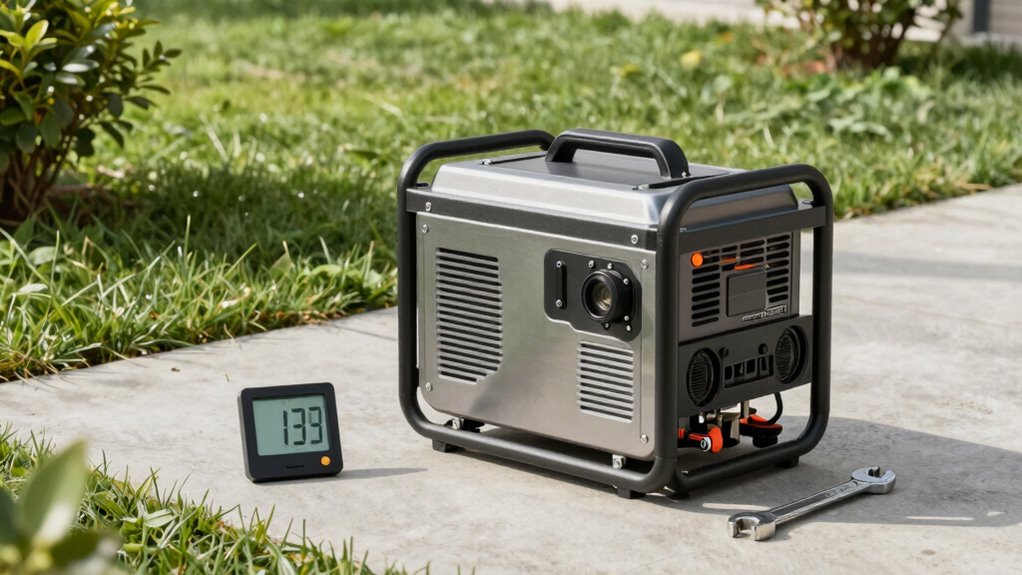
Regularly exercising your backup generator is vital to guarantee it operates smoothly when you need it most. One of the key aspects of this maintenance routine involves understanding how often to perform fuel maintenance and load testing. Proper fuel maintenance ensures that the fuel remains fresh and free of contaminants, which can cause engine issues or prevent the generator from starting altogether. If you let fuel sit in your generator for too long, it can degrade and clog the fuel system, leading to costly repairs. To avoid this, you should check your fuel levels regularly and consider using fuel stabilizers if you anticipate long periods of inactivity. Additionally, it’s wise to drain old fuel periodically and refill with fresh supplies, especially before seasonal storms or power outages. Incorporating Free Floating landscaping elements around your generator can also help improve airflow and accessibility for maintenance. Routine exercises can also help detect potential electrical faults early, preventing more serious failures during an outage. Performing these routine checks and exercises also helps to prevent unexpected failures and ensures your generator remains reliable in critical moments. Regularly exercising your generator also promotes the long-term health of its internal components, reducing the likelihood of unexpected breakdowns. Load testing is another critical component of exercising your backup generator. This process involves running the generator under a simulated load to verify its performance and capacity. Typically, load testing should be done at least once a month, depending on your manufacturer’s recommendations. When you perform load testing, you’re fundamentally simulating real-world conditions, ensuring the generator can handle the power demands during an outage. It also helps identify potential issues, such as electrical faults or engine problems, before they become emergencies. When conducting load tests, always follow safety protocols and monitor the generator closely for unusual noises, overheating, or fluctuations in output. Regular testing also supports generator reliability by confirming that all systems are functioning optimally.
Frequency matters when it comes to exercising your backup generator. Most experts recommend running it for about 30 minutes each month to keep its components lubricated and functioning properly. During these sessions, it’s a good idea to check all fluid levels, inspect for leaks, and listen for abnormal sounds. The exercise process helps keep the internal components active and prevents issues caused by sitting idle, such as seized parts or degraded seals. Besides, regular exercise allows you to verify that your emergency power system is ready to go when needed, giving you peace of mind.
backup generator exercise test kit
As an affiliate, we earn on qualifying purchases.
As an affiliate, we earn on qualifying purchases.
Frequently Asked Questions
What Are Signs My Generator Needs Maintenance Beyond Exercise?
You’ll notice your generator needs maintenance if it runs louder than usual, which indicates increased noise levels, or if fuel efficiency drops, meaning it’s consuming more fuel than normal. Other signs include difficulty starting, unusual vibrations, or a decline in power output. Regular inspections help catch issues early, ensuring your generator operates smoothly when you need it most. Addressing these signs promptly prevents costly repairs and keeps your backup system reliable.
Can Over-Exercising Damage My Backup Generator?
Over-exercising your backup generator can harm its longevity. For instance, running it weekly for a year without proper maintenance might cause wear on parts. This premature strain disrupts maintenance scheduling, increasing the risk of breakdowns. To avoid damage, follow manufacturer guidelines on exercise frequency and guarantee regular maintenance. Properly balancing exercise and maintenance helps keep your generator reliable, extending its lifespan and ensuring readiness when you need it most.
How Does Climate Affect Backup Generator Exercise Frequency?
Climate impact greatly influences your backup generator’s exercise frequency. In extreme cold or hot weather, you should exercise your generator more often to guarantee it functions reliably when needed. Regular testing helps identify issues caused by climate conditions. Incorporate climate considerations into your maintenance scheduling, adjusting exercise routines seasonally. This proactive approach ensures your generator stays in prime condition, ready to operate during power outages caused by harsh weather.
Is Professional Inspection Necessary During Exercise Routines?
Yes, a professional inspection during exercise routines is necessary. It helps guarantee your generator’s lifespan stays long and prevents costly repairs by catching issues early. Regular inspections also reduce maintenance costs and keep your system dependable. During these visits, professionals check for fuel leaks, corrosion, and proper operation, giving you peace of mind that your backup power will perform when needed. Don’t skip professional assessments—they’re essential for peak generator health.
What Safety Precautions Should I Take During Generator Testing?
During generator testing, you should prioritize safety by confirming fuel stability and checking battery health first. Keep the area well-ventilated, and avoid open flames or sparks to prevent fire hazards. Wear safety gear like gloves and eye protection. Regularly inspect fuel lines for leaks and verify the battery is in good condition. Ultimately, stay alert and keep a fire extinguisher nearby in case of emergencies.
As an affiliate, we earn on qualifying purchases.
Conclusion
Just like a knight keeps their sword sharp for battle, you should exercise your backup generator regularly to guarantee it’s always ready to serve when needed. Think of it as a secret weapon in your arsenal, quietly waiting for its moment. By testing your generator monthly, you maintain its strength and reliability—so when the power fails, you’re prepared to stand firm, much like a hero in your own story. Stay vigilant, stay prepared.
As an affiliate, we earn on qualifying purchases.
As an affiliate, we earn on qualifying purchases.
Fall Picks
fall essentials
As an affiliate, we earn on qualifying purchases.