
To get the most from your new generator, follow a proper break-in procedure by using the manufacturer-recommended light viscosity oil and varying engine speeds. Avoid high loads and extended idling, and monitor noise and temperature closely. Change the oil after initial use to remove debris and guarantee smooth operation. Patience during this process helps shape good wear patterns and prolongs your engine’s life. Keep going—more tips to optimize your generator’s performance await you.
Key Takeaways
- Use manufacturer-recommended, light viscosity oil and change it after initial run to remove debris.
- Vary engine RPMs during operation to help piston rings seat properly.
- Avoid high loads and prolonged idling, gradually increasing runtime and workload.
- Monitor noise, vibration, and temperature to detect early issues and ensure proper seating.
- Follow specified break-in hours and procedures, prioritizing patience for optimal engine longevity.

Breaking in a new generator is a essential step to guarantee it runs smoothly and lasts for years to come. Properly breaking in your engine helps establish good wear patterns and ensures ideal performance down the line. One of the first things you should focus on is oil selection. Using the right type of oil is critical during this initial phase. Check your manufacturer’s recommendations carefully—usually, a high-quality, light viscosity oil is preferred for break-in. This type of oil flows more easily, providing better lubrication to all moving parts and reducing initial wear. Avoid cheap or overly thick oils, as they can hinder proper engine operation and potentially cause damage. During the break-in period, you want to keep the engine running smoothly at varied speeds, which means avoiding prolonged idling or running at constant RPMs. This variation helps seat the piston rings and wear the internal components evenly. As you operate the generator, pay close attention to noise levels. One of your goals during break-in is noise reduction, which indicates that parts are fitting well and the engine is settling into a stable state. If you notice excessive noise or knocking, it might be a sign that something isn’t right, and you should stop and check for issues. Proper oil selection also plays a role here; using the correct oil type can reduce engine noise by minimizing friction and vibration. Keep the oil clean and change it at the intervals recommended by the manufacturer—usually after the first few hours of operation. This helps remove any metal shavings or debris generated during the initial wear process. Additionally, monitor your generator’s temperature and avoid running it at high loads during break-in. Overloading can cause excessive heat and stress, which counteracts the goal of a smooth, well-seated engine. During this period, you should also follow the recommended break-in hours or run time, gradually increasing load and operating time. This gradual approach prevents unnecessary strain and helps the engine settle into a reliable, efficient state. Remember, patience is key; rushing the process or neglecting proper oil choices and noise reduction can lead to premature wear or engine failure. Incorporating AI-powered data analytics during this process can help monitor engine performance and identify issues early. By taking these steps seriously, you’ll maximize your generator’s lifespan and guarantee it delivers dependable power for years to come. Keep an eye on all indicators, listen carefully for unusual sounds, and stick to the manufacturer’s guidelines to get the most out of your new engine. Proper break-in isn’t just a formality—it’s an investment in your generator’s future performance and durability.
As an affiliate, we earn on qualifying purchases.
Frequently Asked Questions
How Often Should I Perform Maintenance After Break-In?
After break-in, you should perform maintenance every 50 to 100 hours of operation or as recommended in your generator’s manual. This includes an oil change to keep the engine running smoothly and an engine inspection to identify any early issues. Regular maintenance guarantees peak performance, prolongs engine life, and prevents costly repairs. Stick to the schedule and follow the manufacturer’s guidelines for the best results.
Can I Operate the Generator at Full Load Immediately?
You shouldn’t operate the generator at full load immediately; it’s like releasing a wild stallion without training. During initial startup, you need to gradually increase load testing to allow the engine to settle in. Doing so helps prevent damage and guarantees maximum performance. Start with light loads, monitor engine responses, and slowly build up to full capacity. Patience now saves you from costly repairs later.
What Type of Oil Is Best During Break-In?
During break-in, you should use a moderate oil viscosity, like 10W-30, to guarantee proper lubrication. Synthetic oils are better because they provide superior protection and flow more easily at startup, which is essential during this period. Conventional oils work too but may not offer the same level of performance. Avoid heavy or thick oils initially, as they can hinder proper engine seating and cause unnecessary wear.
How Long Should the Break-In Period Last?
The break-in period should last around 20 to 30 hours of operation. During this time, you’ll want to monitor engine temperature closely and guarantee oil viscosity remains ideal. Don’t rush this phase—your new engine is fragile and needs gentle handling, not a rollercoaster ride. Properly following this period helps the engine settle in, reducing wear and boosting longevity for the incredible power it can deliver.
Are Special Tools Needed for the Break-In Process?
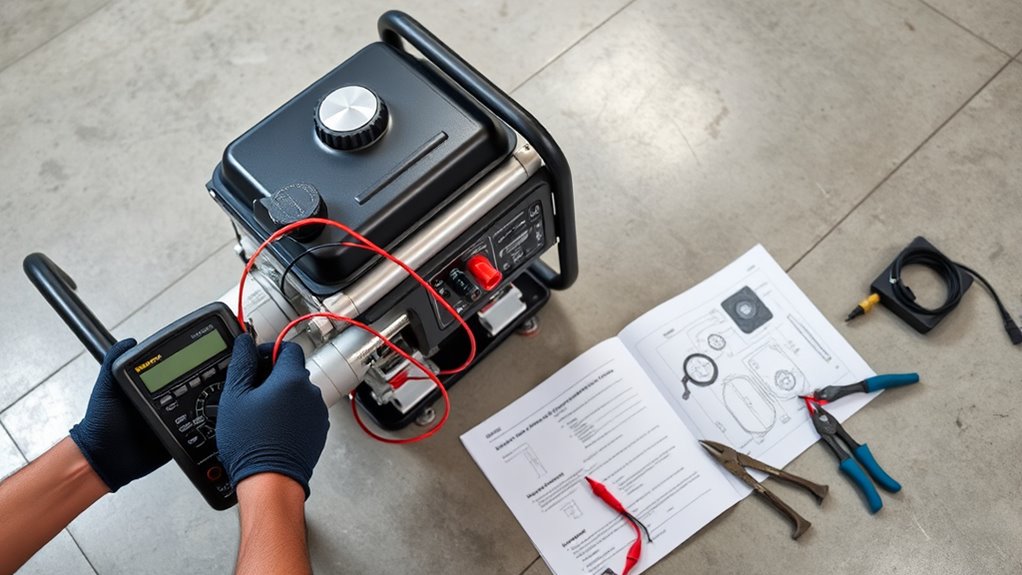
You don’t typically need special tools for the break-in process, but having basic break in tools like a torque wrench and spark plug socket helps. During engine inspection, these tools ensure proper tightening and check for any issues. Properly inspecting the engine after initial operation prevents problems later. Using the right tools makes the process smoother, ensuring you get the most from your new engine and maintain its longevity.
light viscosity engine oil for generators
As an affiliate, we earn on qualifying purchases.
As an affiliate, we earn on qualifying purchases.
Conclusion
By following this break-in procedure, you’ll extend your generator’s lifespan and guarantee reliable performance. Did you know that properly breaking in a new engine can increase its efficiency by up to 20%? Taking the time to follow these steps now means you’ll enjoy trouble-free operation and maximum power when you need it most. So, invest a little effort upfront—your generator will thank you with years of dependable service.
generator oil filter replacement
As an affiliate, we earn on qualifying purchases.
As an affiliate, we earn on qualifying purchases.
digital generator performance monitor
As an affiliate, we earn on qualifying purchases.
As an affiliate, we earn on qualifying purchases.