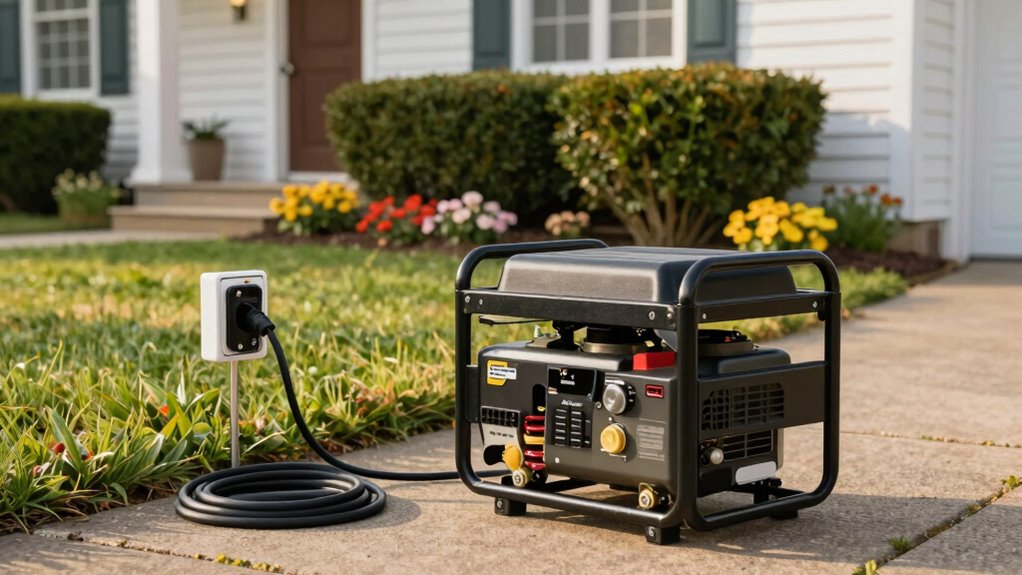

To create a neighbor-friendly generator setup, position your generator on stable, absorbent surfaces like rubber mats, away from neighbors’ houses, windows, and outdoor spaces. Use natural barriers like trees or fences to block noise and consider installing soundproof enclosures or sheds for extra quiet operation. Maintain your generator regularly to prevent loud and loose parts, and operate it at moderate loads. If you keep these tips in mind, you’ll discover more ways to minimize noise and keep community harmony.

Get backup power and energy gear delivered free — and shop member deals
- Fast, free delivery on millions of items
- Access to Prime Big Deal Days deals on October 6–7
- Prime Video, Amazon Music and more included
Key Takeaways
- Place the generator on stable, absorbent surfaces and away from neighbor’s homes to minimize noise transmission.
- Use soundproof enclosures or sheds to significantly reduce operational noise levels.
- Position the generator behind natural barriers like trees or fences for added noise protection.
- Operate the generator at moderate loads and perform regular maintenance to keep noise levels low.
- Incorporate soundproofing techniques and choose models with quiet operation features for community harmony.
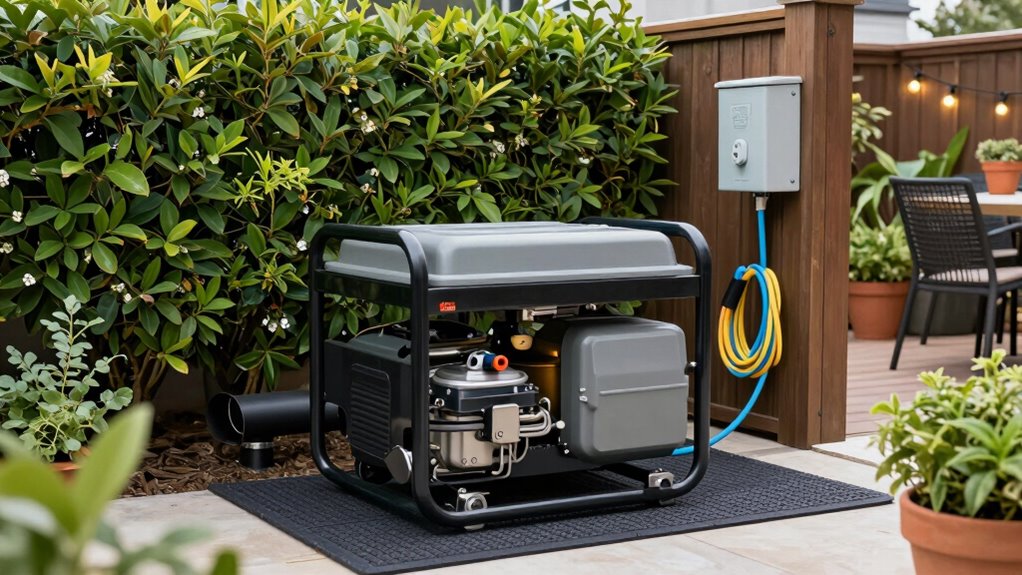
When you’re setting up a generator, thinking about your neighbors can make a big difference in maintaining good relationships. A considerate setup shows you respect their peace and helps avoid conflicts, especially during power outages or storms. One of the most effective ways to be neighbor-friendly is to prioritize noise reduction. Generators can be loud, and excessive noise can disturb others’ routines or rest. To minimize this, consider placing your generator on a stable, absorbent surface like rubber mats or foam pads that help dampen vibrations and sound waves. Position the generator as far away from neighbor’s houses, windows, and outdoor living spaces as possible. If you have a privacy fence or natural barriers like trees, use them to block noise pathways. You might also invest in a soundproof enclosure or a specially designed generator shed, which can considerably cut down noise levels. When operating your generator, keep it at a moderate load; overloading it can cause it to run louder and less efficiently. Regular maintenance, like tightening loose parts and replacing worn-out components, also helps keep noise to a minimum. Additionally, soundproofing techniques can further reduce noise transmission, making your setup even more neighbor-friendly. Properly managing generator noise levels not only benefits your neighbors but also ensures your generator operates smoothly and efficiently. Being mindful of noise mitigation techniques can further enhance your efforts in maintaining good neighborly relations. Moreover, choosing a generator with a quiet operation feature can significantly reduce disturbance, especially if you live in a densely populated area.
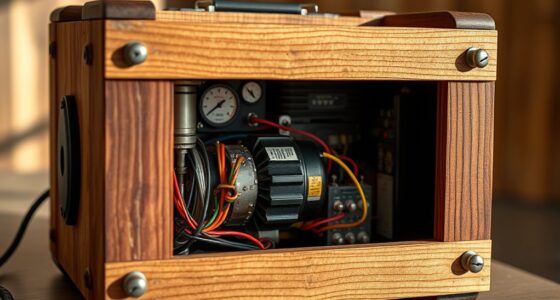
quiet generator soundproof enclosure
As an affiliate, we earn on qualifying purchases.
As an affiliate, we earn on qualifying purchases.
Frequently Asked Questions
How Loud Should My Generator Be to Avoid Disturbing Neighbors?
Your generator noise should stay below 60 decibels to avoid disturbing neighbors. Consider placing it farther from their homes and using sound barriers or enclosures to reduce noise impact. Being mindful of neighbor considerations helps maintain good relationships, especially during power outages or emergencies. Always check local noise ordinances, and if you’re unsure, communicate with neighbors beforehand to keep everyone comfortable and avoid complaints.
What Are the Best Locations to Position a Generator for Neighbor Safety?
You should position your generator at least 20 feet away from your neighbor’s property to guarantee safety and reduce noise disturbance. Use strategic generator placement to maximize noise mitigation, such as placing it behind a shed or barrier. Keep it on a flat, stable surface to prevent vibrations. Remember, a well-placed generator minimizes noise and safety risks, making it more neighbor-friendly and maintaining good relations.
How Can I Prevent Carbon Monoxide Buildup Near Neighbors’ Properties?
To prevent carbon monoxide buildup near neighbors’ properties, you should focus on proper generator placement and carbon monoxide safety. Keep your generator outdoors, at least 20 feet away from windows, doors, and vents, directing exhaust away from homes. Regularly check your generator for leaks and make sure your carbon monoxide detectors are working. By following these steps, you’ll protect both your neighbors and your own family from dangerous fumes.
Are There Legal Restrictions on Generator Noise Levels in Residential Areas?
Yes, there are legal restrictions on generator noise levels in residential areas. You should check local ordinances, which often specify maximum noise limits, typically around 60-70 decibels. To stay compliant, focus on noise mitigation strategies like installing sound barriers or mufflers. Also, consider generator emissions, as some jurisdictions regulate both noise and air quality, ensuring your setup remains neighbor-friendly and within legal bounds.
How Often Should I Run and Maintain My Generator to Ensure Safety?
You should run your generator regularly—at least once a month—to guarantee it stays in good working condition, especially before storm seasons. Perform routine generator maintenance, like checking oil and filters, and test safety precautions such as grounding and proper ventilation. This proactive approach helps prevent breakdowns and ensures safe operation, giving you peace of mind knowing your generator is reliable and safe during power outages.
generator rubber mat vibration dampening
As an affiliate, we earn on qualifying purchases.
As an affiliate, we earn on qualifying purchases.
Conclusion
By taking these simple steps, you can create a generator setup that’s considerate to your neighbors and keeps your community peaceful. Some might worry about the hassle or cost, but investing in soundproofing or proper placement is worth the effort. Remember, a neighbor-friendly setup not only prevents disputes but also fosters good relationships. So, don’t let concerns hold you back—your thoughtful approach will benefit everyone and make power backup more harmonious.
neighbor-friendly portable generator
As an affiliate, we earn on qualifying purchases.
As an affiliate, we earn on qualifying purchases.
As an affiliate, we earn on qualifying purchases.
Fall Picks
fall essentials
As an affiliate, we earn on qualifying purchases.