You might be surprised to learn that many appliances need more start-up power because of factors like motor inertia and electrical inrush currents. When devices turn on, they draw a surge of energy that’s often several times higher than during normal operation. Older or less efficient models tend to demand even more, increasing the risk of trips or damage. Understanding these factors can help you better manage your system’s capacity—keep going to learn more about controlling these surges effectively.

Get backup power and energy gear delivered free — and shop member deals
- Fast, free delivery on millions of items
- Access to Prime Big Deal Days deals on October 6–7
- Prime Video, Amazon Music and more included
Key Takeaways
- Inrush current is significantly higher than normal operating current, causing initial power surges.
- Motor-based appliances require extra power to overcome inertia and start moving heavy components.
- Older or less efficient appliances draw more startup power due to higher internal resistance.
- Poor wiring or voltage drops during startup increase current demands, requiring more initial power.
- Mechanical factors and design specifics of appliances influence the amount of surge energy needed.
Have you ever plugged in a household appliance only to find it struggles to start or causes your circuit breaker to trip? If so, you’re not alone. Many appliances demand more start-up power than you’d expect, and understanding why can save you from frustrating moments and potential electrical issues. When you switch on an appliance, it doesn’t just draw a steady flow of electricity; instead, it requires a surge of power known as the starting or inrush current. This initial burst can be greatly higher than the appliance’s regular operating current, which is why some devices are more prone to causing circuit overloads.
Appliances often need a surge of power to start, which can overload circuits and cause trips.
This start-up power draw is closely tied to the appliance’s energy consumption and efficiency. Older or less efficient appliances often have higher inrush currents because their motors or components aren’t optimized for minimal energy use. These appliances may consume more power during startup, straining your electrical system more than newer, energy-efficient models. When you use devices with low appliance efficiency, they tend to draw larger surges, requiring more start-up power and increasing the likelihood of tripping circuit breakers or causing power fluctuations. Properly managing electrical load capacity can help prevent these issues.
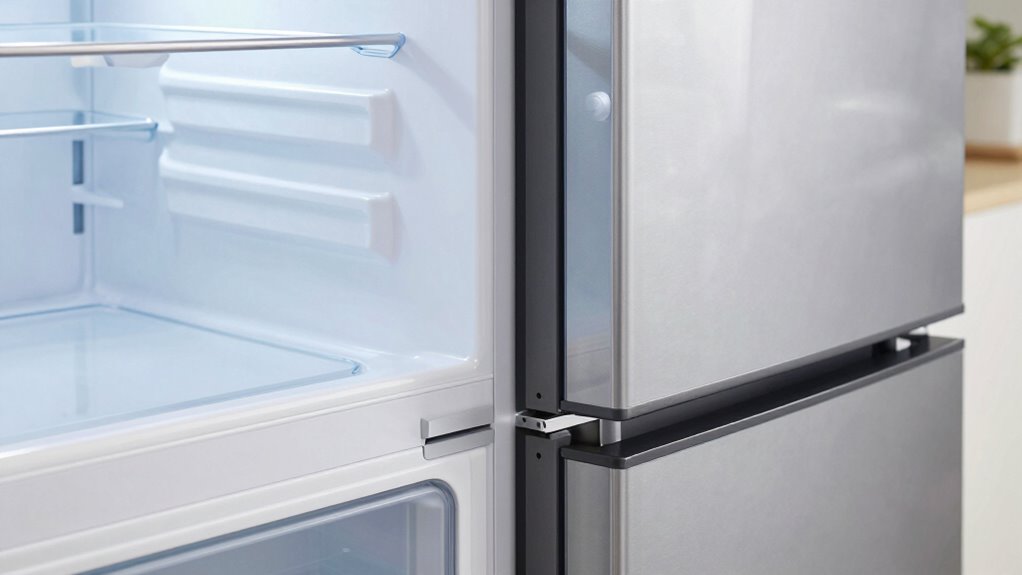
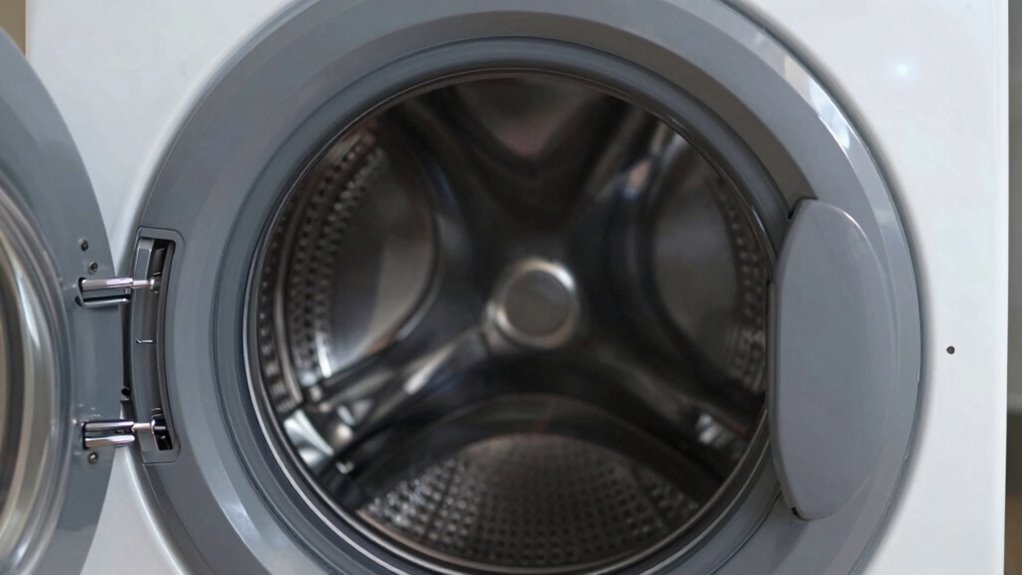
It’s also essential to recognize that certain appliances, especially those with motors like refrigerators, air conditioners, or washing machines, inherently need more start-up power. The reason lies in the mechanics: starting a motor involves overcoming inertia and initiating the rotation of heavy components. This process demands a surge of energy that’s often several times the appliance’s normal running wattage. If your home’s electrical system isn’t designed to handle these surges, it can lead to repeated trips or even damage over time. Additionally, understanding the inrush current of your appliances can help you better plan your electrical system to prevent overloads.
Another factor to take into account is how the electrical wiring in your house influences start-up power demands. Poor wiring or outdated circuits can cause voltage drops, making appliances work harder to start. When voltage dips, appliances may draw even more current to compensate, further increasing energy consumption during startup. Upgrading your wiring or installing dedicated circuits for high-power appliances can help reduce these issues and improve overall appliance efficiency. Recognizing power surge phenomena and their impact can be key to maintaining a safe and reliable electrical setup in your home.
surge protector for high startup current appliances
As an affiliate, we earn on qualifying purchases.
As an affiliate, we earn on qualifying purchases.
Frequently Asked Questions
How Is Start-Up Power Different From Running Power?
Start-up power is the initial surge needed when you turn on an appliance, while running power is the steady energy it consumes during operation. This difference causes power fluctuations, especially with appliances like refrigerators or air conditioners. Knowing this helps you understand appliance efficiency and prevents overloads. When appliances demand more start-up power, your electrical system needs to handle these surges, ensuring safety and best performance.
Do All Appliances Require High Start-Up Power?
Not all appliances require high start-up power. Appliance efficiency and power consumption patterns influence this need; some devices, like LED lights or modern electronics, have low start-up demands, while others, like refrigerators or air conditioners, need more initial power. Understanding these differences helps you manage energy use better, ensuring your electrical system can handle peak demands without overloading. So, assess each appliance’s power needs to optimize your energy efficiency.
Can Using a Surge Protector Help With Start-Up Power Issues?
Think of a surge protector as a vigilant gatekeeper, shielding your appliances from sudden power surges like unruly crowds. While it helps with power fluctuation mitigation, it doesn’t directly assist with start-up power issues. Surge protector considerations are important to prevent damage, but for appliances with high start-up power needs, make sure your circuit can handle the surge. Using the right setup keeps your appliances safe and functioning smoothly.
What Are Common Signs an Appliance Needs More Start-Up Power?
You’ll notice your appliance struggles to start or runs intermittently, which signals it might need more start-up power. Power fluctuations can cause it to turn off unexpectedly or operate less efficiently, affecting energy efficiency. If you see these signs, it’s a good idea to check your electrical setup. Upgrading your wiring or using a dedicated circuit can help guarantee your appliance gets the power it needs for smooth operation.
How Can I Estimate My Appliance’s Start-Up Power Needs?
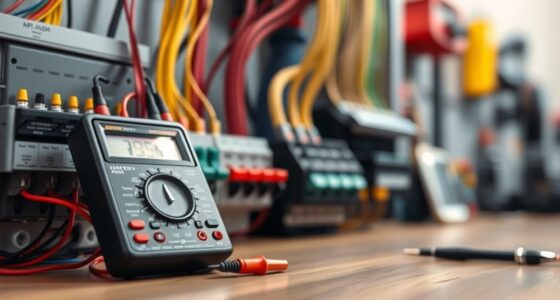
To estimate your appliance’s start-up power needs, start by checking its power consumption label, often found on the back or inside the manual. Use a clamp meter or a power meter to measure real-time energy efficiency during startup. This gives you a clear picture of the initial surge. Remember, understanding these power needs helps optimize energy use, ensuring your appliances run smoothly without overloading your circuits.
circuit breaker for motor appliances
As an affiliate, we earn on qualifying purchases.
As an affiliate, we earn on qualifying purchases.
Conclusion
Understanding why certain appliances demand more start-up power can save you from unexpected electrical mishaps. When you ignore these power surges, you risk overloading your circuits or damaging your devices—like releasing a wild beast in your home. So, next time you plug in a fridge or a washer, remember that these appliances need a power boost akin to a rocket launch. Respect their energy needs, and your home will run smoother than a well-oiled machine.
energy-efficient refrigerator with low inrush current
As an affiliate, we earn on qualifying purchases.
As an affiliate, we earn on qualifying purchases.
home electrical load management devices
As an affiliate, we earn on qualifying purchases.
As an affiliate, we earn on qualifying purchases.
Fall Picks
fall essentials
As an affiliate, we earn on qualifying purchases.