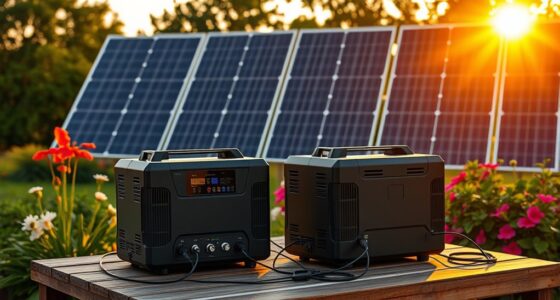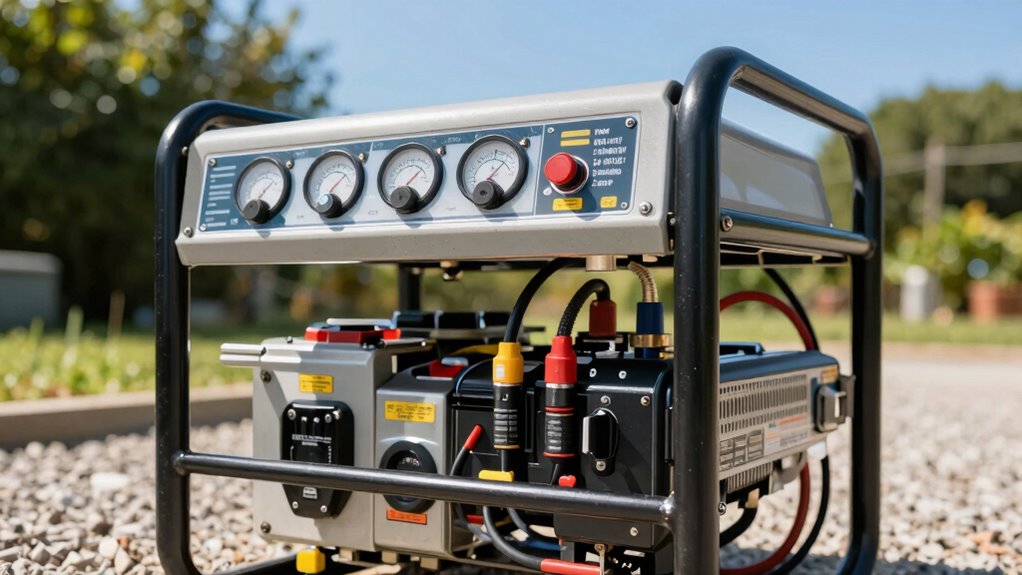

To calculate a safe generator buffer, first list all appliances and devices you’ll run during outages and note their wattages. Add 20-25% to this total to account for power surges and startup peaks, especially from motor-driven equipment. Make certain your generator can handle these surge demands without overloading. Considering digital tools can help monitor fluctuations and optimize performance. If you want to guarantee you cover all aspects for reliable power, keep exploring for more detailed guidance.
Key Takeaways
- Determine total peak power demand by listing all appliances and their wattages, including essential electronics.
- Add a safety margin of 20-25% to accommodate startup surges and unexpected power spikes.
- Account for motor-driven devices’ startup surges to ensure generator can handle peak loads safely.
- Use digital monitoring tools to track real-time power fluctuations and optimize generator performance.
- Calculate fuel needs based on runtime estimates, balancing buffer size with fuel efficiency to ensure continuous operation.
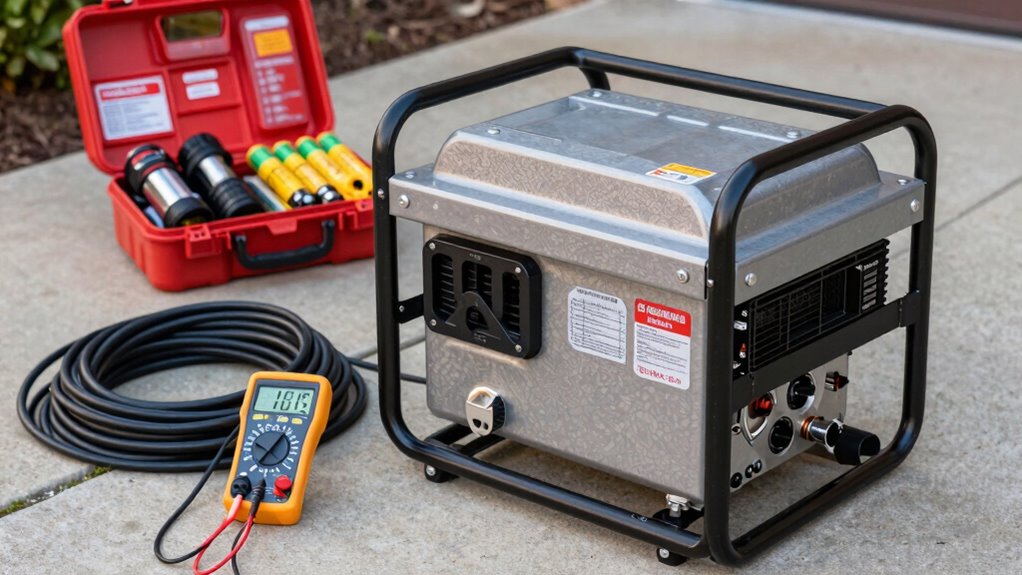
During emergencies, having a reliable generator buffer can make all the difference in keeping essential appliances and systems running smoothly. You need to guarantee your generator can handle your power needs without overloading, which is why calculating a safe buffer is vital. One of the first considerations is understanding your total power consumption. Make a list of all the appliances, devices, and systems you want to operate during an outage, noting their wattage ratings. Add up these wattages to determine your total power requirement. From there, you’ll want to add a safety margin—around 20-25%—to account for unexpected power surges or sudden increases in demand. Power surges can occur when appliances turn on, especially those with motors like refrigerators or air conditioners, and your generator needs to be capable of handling these spikes without shutting down or causing damage. Additionally, considering digital concepts can help optimize your generator’s performance and safety margins. Fuel efficiency plays a significant role in calculating your generator buffer as well. A generator that consumes fuel efficiently can run longer on a smaller fuel supply, which is essential during extended outages. When selecting a generator, look for models with good fuel efficiency ratings, and factor in how much fuel you’ll need to keep it running for the duration you anticipate. Remember, a larger buffer means you’ll need more fuel, so balancing fuel efficiency with your power needs helps you avoid unnecessary fuel consumption and guarantees your generator runs smoothly throughout the outage.

2000W Portable Inverter Generator for Home Use, Quiet Small Generator for Camping Outdoor, EPA Power Station with Fuel Shut Off and CO Minder, ECO Mode
- Powerful and Clean Energy: 2000W starting, 1800W running, low THD
- Lightweight and Compact: Only 39.6 pounds with sturdy handle
- Quiet and Fuel Efficient: 62 dBA noise, up to 6.5 hours runtime
As an affiliate, we earn on qualifying purchases.
As an affiliate, we earn on qualifying purchases.
Frequently Asked Questions
What Are the Best Tools to Measure Household Power Consumption?
To measure your household power consumption, you should use energy monitoring tools like smart plugs or dedicated energy meters. These devices track your energy usage, helping you understand power efficiency and identify high-consumption appliances. By regularly monitoring, you can optimize your energy habits, reduce waste, and guarantee your generator buffer is sufficient during emergencies. Choose user-friendly tools that provide clear data for better home energy management.
How Do Generator Fuel Types Affect Buffer Calculations?
Generator fuel types considerably impact buffer calculations because fuel compatibility determines what your generator can safely use, while fuel storage influences how much fuel you need on hand. You should consider the generator’s fuel requirements, ensuring you have enough stored fuel for the estimated runtime during emergencies. Different fuels, like gasoline or propane, have varying storage needs and shelf lives, which directly affect how you plan your buffer for reliable power.
Can Solar Power Influence Generator Buffer Needs?
Solar power integration can reduce your generator buffer needs because it provides a renewable energy source during outages, decreasing reliance on stored fuel. This renewable impact means you can optimize your buffer size, saving fuel and ensuring longer backup operation. However, you should still size your generator buffer carefully, accounting for periods when solar isn’t available, like at night or cloudy days, to maintain reliable emergency power.
How Often Should Generator Buffer Calculations Be Reviewed?
You should review your generator buffer calculations regularly—at least once a year or after significant changes in your power needs or equipment. Keep a close eye on your maintenance schedules and battery backup performance, as these factors impact your buffer’s reliability. Don’t let your plans go to the dogs; staying proactive guarantees your emergency power system remains ready when you need it most.
What Safety Precautions Are Essential When Installing a Generator?
When installing a generator, prioritize generator safety by following strict installation guidelines. Always guarantee proper grounding and secure placement to prevent accidents. Use appropriate protective gear, and verify that all electrical connections comply with local codes. Never operate the generator indoors or near open windows to avoid carbon monoxide poisoning. Regularly inspect and maintain the unit, and consider consulting a professional to ensure the installation meets safety standards.
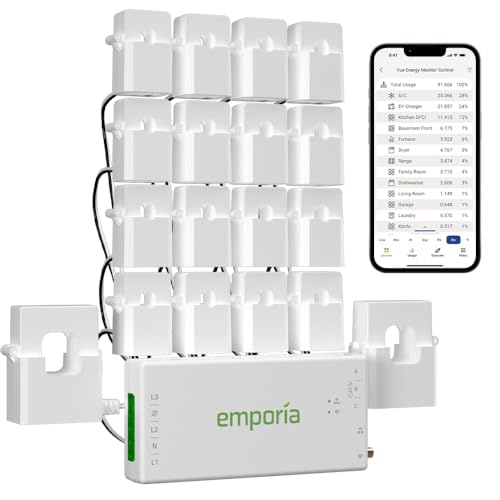
Emporia Vue 3 Home Energy Monitor – Smart Home Automation Module and Real Time Electricity Usage Monitor, Power Consumption Meter, Solar and Net Metering for UL Certified Safe Energy Monitoring
- UL Certified Safe Energy Monitoring: Certified for safety and reliability
- Easy Installation in Circuit Panel: Supports various home electrical systems
- Real-Time Energy Monitoring: 24/7 management and control of energy
As an affiliate, we earn on qualifying purchases.
As an affiliate, we earn on qualifying purchases.
Conclusion
By properly calculating your generator buffer, you guarantee your essentials stay powered during emergencies. Did you know that during outages, 85% of households wish they’d prepared better? Keeping a safe buffer not only offers peace of mind but also keeps your family safe and comfortable. Remember, it’s better to have a little extra power than to run out when you need it most. Stay prepared, stay safe, and power on confidently when it matters most.
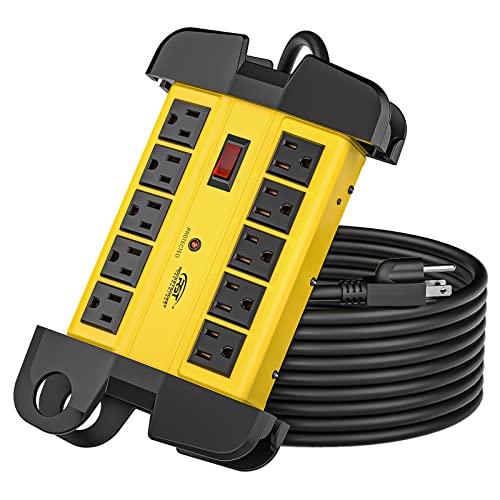
CRST 10-Outlet Heavy Duty Power Strip Metal Surge Protector, 15A, 15FT Cord
- Housing Material: Sturdy extruded aluminum housing
- Surge Protection: 2800 Joules surge protection
- Electrical Rating: 15A, 125V, 60Hz, 1875W
As an affiliate, we earn on qualifying purchases.
As an affiliate, we earn on qualifying purchases.

Westinghouse 12500 Watt Dual Fuel Home Backup Portable Generator, Remote Electric Start, Transfer Switch Ready, Gas and Propane Powered
- Power Output: 9500W running, 12500W peak (Gas)
- Fuel Options: Gasoline and propane powered
- Starting Mechanism: Remote, electric, and recoil start
As an affiliate, we earn on qualifying purchases.
As an affiliate, we earn on qualifying purchases.