
Understanding whether your neutral is bonded or floating is key to electrical safety. A bonded neutral is connected to the grounding system, offering a stable reference and reducing shock risks. A floating neutral isn’t properly grounded, causing unpredictable voltages and potential hazards. Proper setup ensures circuit protection works correctly and minimizes danger. To stay safe and keep your system reliable, it’s important to know the differences—and there’s more to uncover if you continue exploring.
Key Takeaways
- Bonded neutrals are connected to ground at the main panel, ensuring a low-resistance path and system stability.
- Floating neutrals are not properly bonded or grounded, causing voltage fluctuations and safety hazards.
- Proper bonding prevents electrical shocks, maintains voltage stability, and ensures circuit protection functions correctly.
- Detect floating neutrals using multimeters; elevated or inconsistent voltage indicates a safety concern.
- Regular inspections and proper wiring practices are essential for safe neutrals and overall electrical system safety.
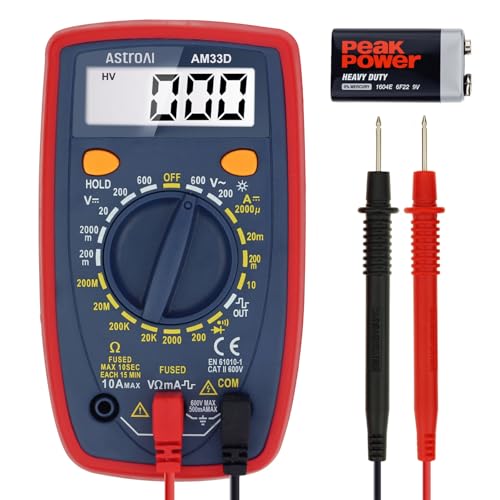
AstroAI Digital Multimeter Tester 2000 Counts with DC AC Voltmeter and Ohm Volt Amp Meter; Measures Voltage, Current, Resistance, Continuity and Diode, Blue
- Measurement Capabilities: Voltage, Current, Resistance, Diode, Continuity
- Versatile Use: Ideal for household and automotive testing
- Display Features: Backlit LCD with 3½ digits, 1999 count
As an affiliate, we earn on qualifying purchases.
As an affiliate, we earn on qualifying purchases.
Understanding Neutral Conductors in Electrical Systems
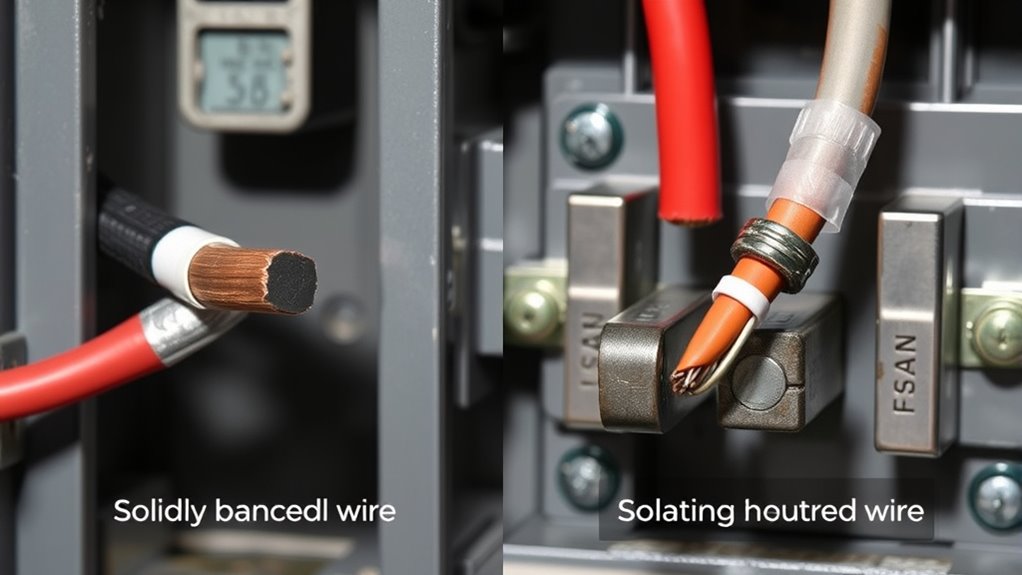
Understanding neutral conductors in electrical systems is essential because they provide a safe pathway for current to return to the source. Neutral conductors are crucial components of grounding systems, ensuring electrical safety by helping prevent shocks and equipment damage. They work alongside circuit protection devices, such as circuit breakers and fuses, which automatically disconnect power in case of faults. Properly functioning neutral conductors balance the system and maintain voltage stability. If the neutral isn’t correctly connected or grounded, it can cause dangerous voltage fluctuations, putting you at risk. Recognizing the role of neutral conductors helps you understand how grounding systems and circuit protection work together to keep your electrical system safe and reliable. Always make sure neutral conductors are properly installed and maintained. Data analysis by AI can help identify trends and potential issues in electrical systems, enhancing safety measures.

Mike Holt's Illustrated Guide to Understanding NEC Requirements for Bonding and Grounding Textbook, 2026 NEC
As an affiliate, we earn on qualifying purchases.
As an affiliate, we earn on qualifying purchases.
What Does Bonded Neutral Mean?

A bonded neutral means the neutral conductor is connected directly to the grounding system, creating a common reference point. This setup helps guarantee safety by preventing dangerous voltage buildup. Understanding its purpose and safety implications is key for proper electrical system design. Proper insulation of electrical components is essential to prevent accidental contact and ensure system integrity.
Purpose of Bonded Neutral
The purpose of a bonded neutral is to create a reliable reference point for electrical current to return safely to the source. By bonding the neutral to grounding systems, it guarantees a low-resistance path, helping to stabilize voltage levels throughout your electrical system. This connection allows for effective circuit protection by enabling circuit breakers and fuses to quickly trip if a fault occurs, preventing potential shocks or fires. A properly bonded neutral helps maintain consistent current flow and reduces the risk of electrical disturbances. Additionally, grounding systems play a crucial role in directing fault currents safely into the earth, further enhancing system safety. Fundamentally, it creates a safe, predictable path for fault currents, which is vital for the overall safety and proper functioning of your electrical system. Without a bonded neutral, circuit protection devices may not operate correctly, increasing safety risks.
Safety Implications
When a neutral is bonded to grounding systems, it creates a direct, low-resistance path for electrical faults to safely reach the earth. This grounding practice helps prevent dangerous voltage buildup, reducing shock risks and potential fires. It guarantees that fault currents are quickly cleared, protecting both people and equipment. However, improper bonding can lead to unintended current paths, causing electrical shocks or equipment damage. Following the electrical code is crucial, as it prescribes proper bonding procedures to ensure safety. Bonded neutrals are standard in many systems because they provide reliable fault protection. Still, understanding the safety implications helps you recognize why correct grounding practices are essential for maintaining a safe electrical environment. Proper bonding minimizes hazards and ensures compliance with safety standards.

Klein Tools ET310KIT AC Circuit Breaker Finder Kit, Electric Tester, GFCI Tester, Leads, Adapters and Case
- Accurate Breaker Identification: Quickly locate the correct breaker
- Clear Visual and Audible Cues: Easy to identify the correct breaker
- Built-in GFCI Tester: Test GFCI outlets and wiring
As an affiliate, we earn on qualifying purchases.
As an affiliate, we earn on qualifying purchases.
The Concept of Floating Neutral Explained
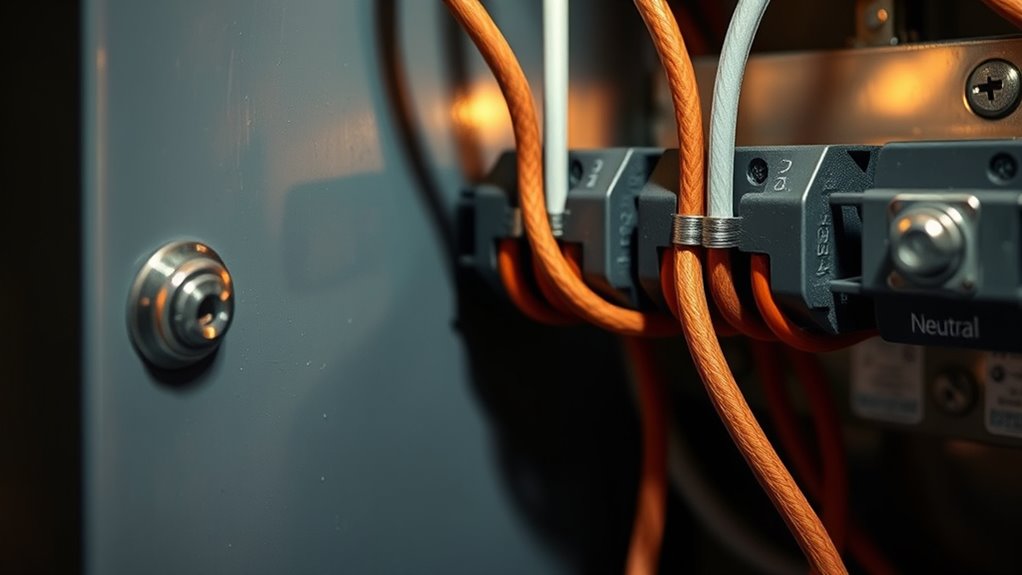
A floating neutral occurs when the neutral wire isn’t properly connected to the ground or bonding point, causing it to become unstable. This behavior can lead to unpredictable voltage levels and potential electrical shocks. Understanding the risks helps you recognize why maintaining a proper neutral connection is vital for safety. Additionally, filter replacement and regular maintenance are essential to ensure the electrical system remains safe and reliable.
Neutral Wire Behavior
Understanding what a floating neutral is requires recognizing how the neutral wire can lose its connection to ground, causing it to “float.” In this state, the neutral isn’t at a stable reference point, leading to inconsistent voltage levels and increased grounding issues. When the neutral floats, voltage can rise unexpectedly, creating electrical noise that affects sensitive devices. This unpredictable behavior can cause flickering lights, malfunctioning appliances, and potential safety hazards. Without a solid ground connection, the neutral may drift, making it difficult to predict how your electrical system will respond during normal operation. Recognizing this behavior helps you understand the importance of proper grounding and bonding to maintain a stable, safe electrical environment. Additionally, integrating AI-powered monitoring tools can help detect and prevent floating neutral conditions before they cause damage.
Risks of Floating Neutral
Floating neutral conditions pose significant safety risks because they leave your electrical system without a stable reference point. When the neutral isn’t properly bonded or grounded, grounding faults can occur, causing unpredictable voltage levels throughout your system. This instability increases the risk of electric shock, as appliances and metal parts may carry unintended current. Additionally, floating neutrals can lead to circuit disruptions, causing devices to malfunction or become damaged. Without a proper path to ground, electrical faults may go unnoticed, creating dangerous conditions. You might experience flickering lights, inconsistent power, or unexpected shocks. To avoid these hazards, verify your neutral is correctly bonded and grounded, maintaining a stable reference point and preventing dangerous voltage fluctuations and circuit disruptions.

Klein Tools ET310 AC Circuit Breaker Finder, Electric and Voltage Tester with Integrated GFCI Outlet Tester
- Accurate Breaker Identification: Quickly locate the correct breaker
- Two-Part System: Transmitter and receiver for easy use
- Clear Visual and Audible Cues: Indicates when the correct breaker is found
As an affiliate, we earn on qualifying purchases.
As an affiliate, we earn on qualifying purchases.
How Bonded and Floating Neutrals Affect Electrical Safety

Ever wondered how the way neutrals are wired impacts your electrical safety? If neutrals are bonded properly, it helps establish a clear grounding path, reducing the risk of shock and ensuring effective circuit protection. Bonded neutrals provide a stable reference to earth ground, which helps prevent voltage fluctuations and electrical faults from becoming dangerous. Conversely, floating neutrals can disrupt grounding techniques, causing unexpected voltage surges and increasing shock hazards. Without proper bonding, circuit protection devices like breakers may not trip correctly during faults, risking damage or injury. Understanding how bonding or floating neutrals influence safety highlights the importance of correct wiring practices. Proper grounding is essential for minimizing electrical hazards and maintaining a safe environment in your home or workplace. Additionally, contrast ratio in projectors affects how well images are rendered in dark scenes, impacting overall viewing quality.
Common Applications and Installations for Each Setup
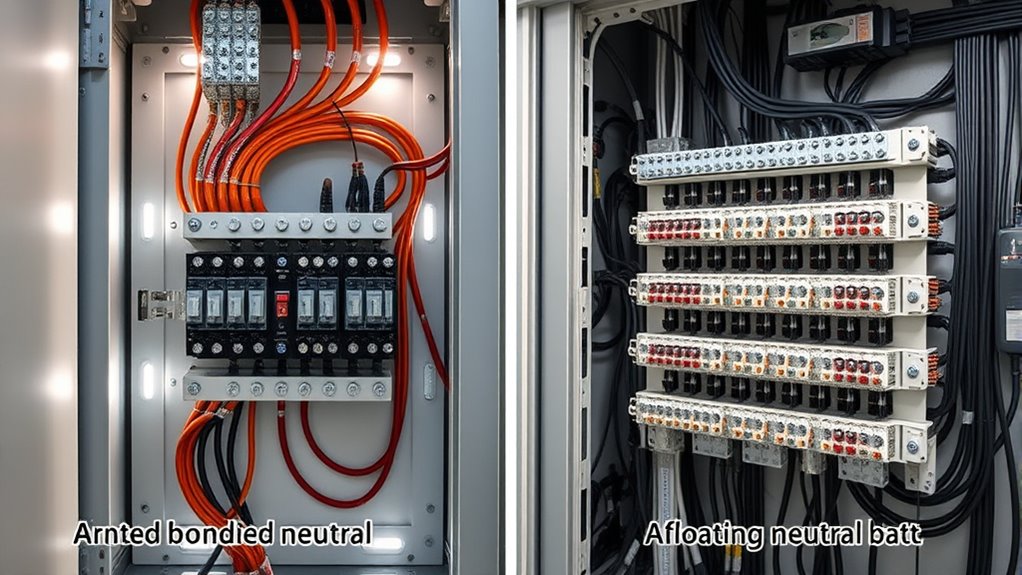
Bonded neutrals are commonly used in residential and commercial electrical systems where a reliable grounding path is essential for safety and proper operation. They align with wiring standards that require the neutral to be bonded to ground at the main service panel. You’ll find bonded neutrals in setups like:
Bonded neutrals provide a reliable grounding path for safety and proper electrical operation.
- Main service panels, ensuring proper grounding methods for safe electrical flow
- Commercial buildings, where codes demand a grounded neutral for reliable circuit protection
- New residential homes, following electrical codes that specify bonding at the main panel
- Regularly checking the battery level of connected devices to prevent power interruptions and ensure continuous operation.
This setup helps maintain consistent voltage levels and minimizes shock risks. However, it’s vital to follow wiring standards to avoid safety issues. Bonded neutrals are ideal when a stable, grounded circuit is needed for both safety and equipment performance.
Risks Associated With Bonded and Floating Neutrals
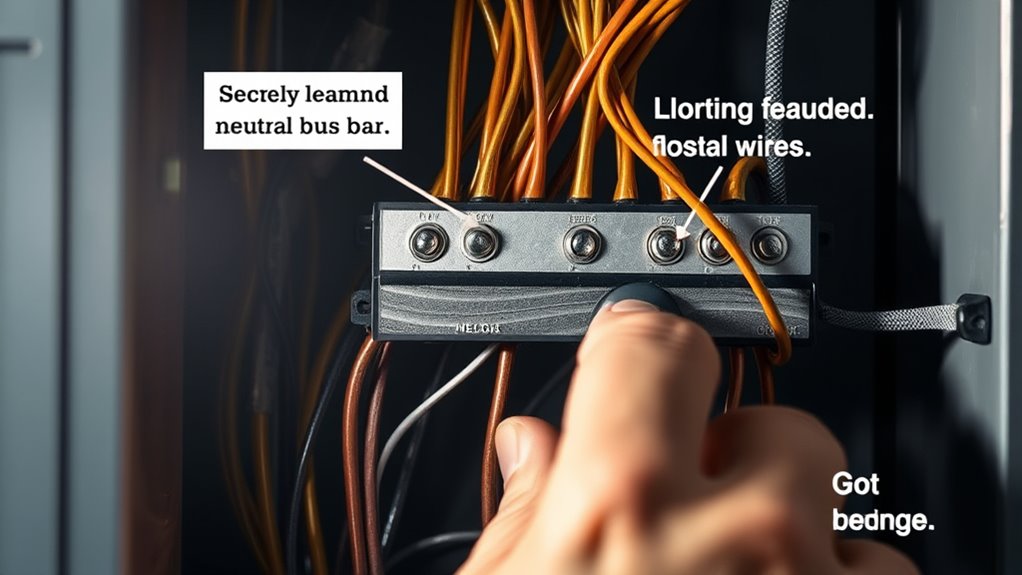
While bonded neutrals are essential for safety and proper circuit operation, they can pose significant risks if not installed correctly. Poor grounding procedures may lead to energized metal parts, increasing shock hazards. If the neutral bond isn’t properly established or maintained, it can cause unwanted current flows, potentially damaging equipment or creating fire hazards. Non-compliance with electrical codes can result in unsafe setups, weakening the entire system’s safety features. Floating neutrals, on the other hand, risk causing voltage fluctuations and erratic operation of appliances, especially if the neutral becomes disconnected or loose. Both configurations demand strict adherence to grounding procedures and electrical code compliance to prevent electrical shock, fire, or equipment damage. Proper installation and regular inspections are crucial to mitigate these risks. Incorporating yoga practices such as mindful breathing and relaxation techniques can help reduce stress and improve focus during electrical work, enhancing safety awareness.
Identifying and Troubleshooting Neutral Configurations
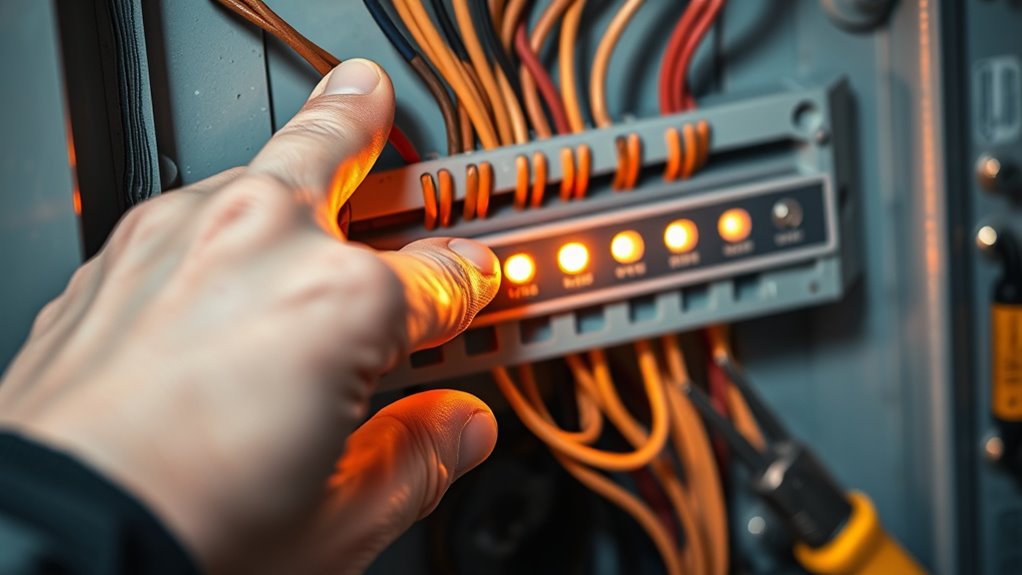
To effectively troubleshoot neutral configurations, you need to accurately identify whether the system has a bonded or floating neutral. Start by inspecting grounding systems, as a bonded neutral connects to ground at a single point, while a floating neutral does not. Use a multimeter to check for voltage differences between the neutral and ground; significant voltage indicates a floating neutral. Additionally, look for signs of improper circuit protection, such as frequent tripping or unusual shocks. Here’s what to check:
- Confirm if the neutral is bonded to ground at the main panel or elsewhere
- Test for voltage between neutral and ground points
- Observe for any irregularities in grounding connections
- Be aware that AI security concerns highlight the importance of proper electrical safety practices to prevent hazards related to misconfigurations.
Understanding these clues helps you diagnose issues and make certain of safe, proper neutral configuration.
Best Practices for Ensuring Safe Neutral Connections
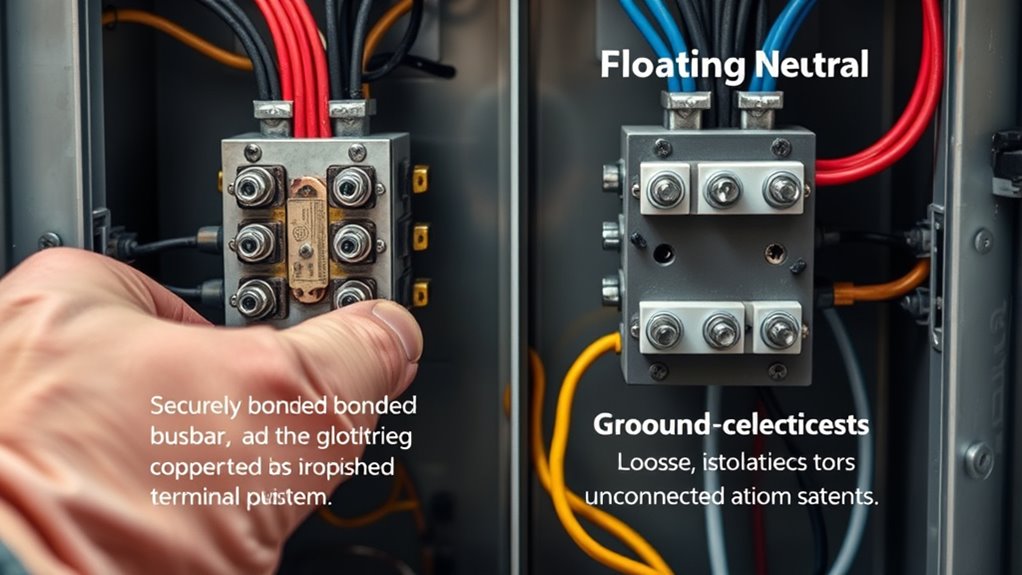
Ensuring safe neutral connections starts with proper installation and adherence to electrical codes. Always follow grounding systems guidelines to prevent potential shock hazards and guarantee system stability. Use wiring color codes correctly; for example, white or gray wires typically indicate neutrals, helping you identify connections accurately. Verify that all neutral connections are secure and properly bonded or floating, depending on your system’s design. Avoid mixing wiring types or ignoring manufacturer instructions, which can lead to dangerous faults. Regularly inspect connections for corrosion, looseness, or damage, and correct issues promptly. Proper grounding and consistent wiring color codes are essential for safe, reliable operation. Additionally, understanding paint sprayer compatibility with coatings can help prevent issues during installation or maintenance. Following these best practices minimizes risks, protects users, and guarantees your electrical system remains compliant and safe over time.
Frequently Asked Questions
Can a Neutral Be Both Bonded and Floating Simultaneously?
No, a neutral can’t be both bonded and floating simultaneously because grounding principles require a clear, consistent connection for electrical safety. Bonding creates a direct connection to the grounding system, ensuring proper fault current flow, while floating means the neutral isn’t connected to ground. Mixing these can cause electrical hazards, compromising safety and making troubleshooting difficult. Always follow proper wiring practices to maintain safe, effective electrical systems.
How Do I Test if My Neutral Is Properly Bonded or Floating?
Think of your neutral as a safety anchor in a boat; if it’s not grounded properly, your electrical system could drift dangerously. To test if your neutral is bonded or floating, turn off the power, disconnect the neutral, and use a multimeter for electrical testing between the neutral and grounding system. If the meter reads close to zero volts, your neutral is properly bonded, ensuring grounding safety.
Are There Specific Codes Regulating Bonded Vs Floating Neutral Installations?
Yes, specific codes regulate bonded versus floating neutral installations. You should follow grounding standards and wiring regulations set by authorities like the NEC (National Electrical Code). These standards specify how neutrals must be bonded to ground at the main panel and ensure safety. Always check local amendments, as regulations can vary by region. Adhering to these codes helps prevent electrical hazards and guarantees your installation complies with safety requirements.
What Are the Signs of Neutral Wiring Issues in a Building?
If you notice flickering lights, frequent tripped breakers, or appliances that run irregularly, you might have neutral wiring issues. Grounding issues and wiring anomalies often cause these problems, leading to unstable voltages. Check for loose connections, damaged wires, or corrosion around the neutral terminal. Addressing these signs promptly helps prevent electrical hazards and makes sure your building’s wiring system remains safe and reliable.
Does a Floating Neutral Cause Appliances to Malfunction or Get Damaged?
A floating neutral can cause appliances to malfunction or get damaged because it leads to inconsistent voltage levels. When the neutral isn’t properly bonded, you might notice flickering lights, unusual appliance behavior, or even complete failure. This neutral malfunction disrupts the normal flow of electricity, risking damage to sensitive appliances. To prevent this, verify your neutral wiring is correctly bonded and functioning properly.
Conclusion
Understanding the difference between bonded and floating neutrals is like steering through a complex maze—you need clarity to avoid danger. By grasping their roles and risks, you can ensure your electrical system remains safe and reliable. Remember, a well-connected neutral isn’t just a technical detail; it’s the heartbeat of your safety. So, stay vigilant, follow best practices, and let knowledge be your guiding light through the wiring maze.