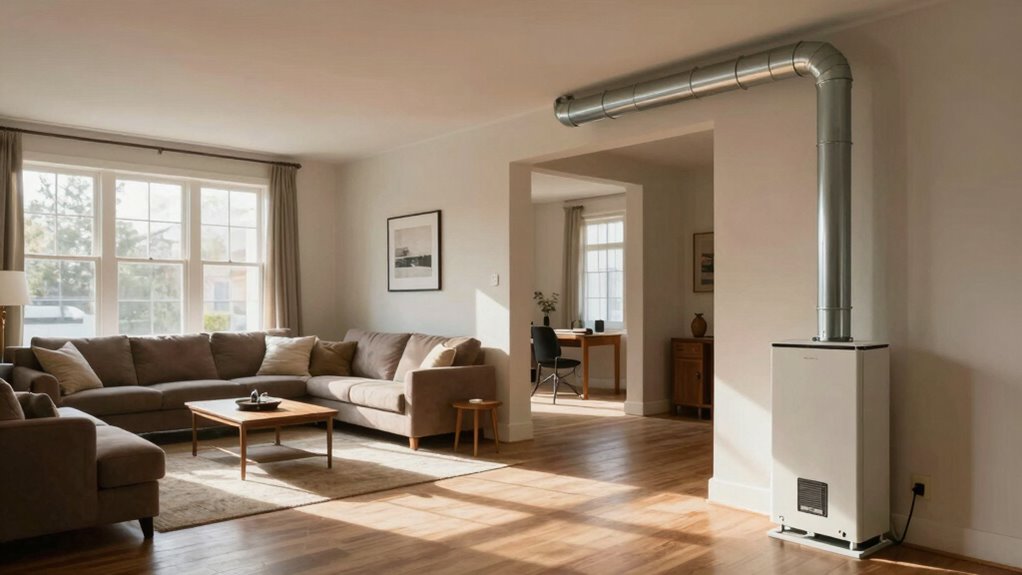
Your home’s layout affects how gases like carbon monoxide are vented or trapped. Poor design or blocked vents can prevent proper airflow, causing dangerous gases to build up in rooms. Placement of appliances in confined or poorly ventilated areas increases risk, especially near bedrooms or living spaces. Ensuring good airflow and correct appliance positioning can reduce danger. To understand how specific layout factors influence gas safety, keep exploring these essential design considerations.

Get backup power and energy gear delivered free — and shop member deals
- Fast, free delivery on millions of items
- Access to Prime Big Deal Days deals on October 6–7
- Prime Video, Amazon Music and more included
Key Takeaways
- Poorly designed layouts can trap combustion gases, increasing the risk of carbon monoxide buildup.
- Inadequate ventilation patterns hinder the dispersion and dilution of harmful gases.
- Appliance placement near enclosed or poorly ventilated areas raises the likelihood of leaks entering living spaces.
- Blocked or limited airflow in certain home areas causes dangerous gas accumulation.
- Proper home design and ventilation strategies help reduce carbon monoxide risks by promoting better air circulation.
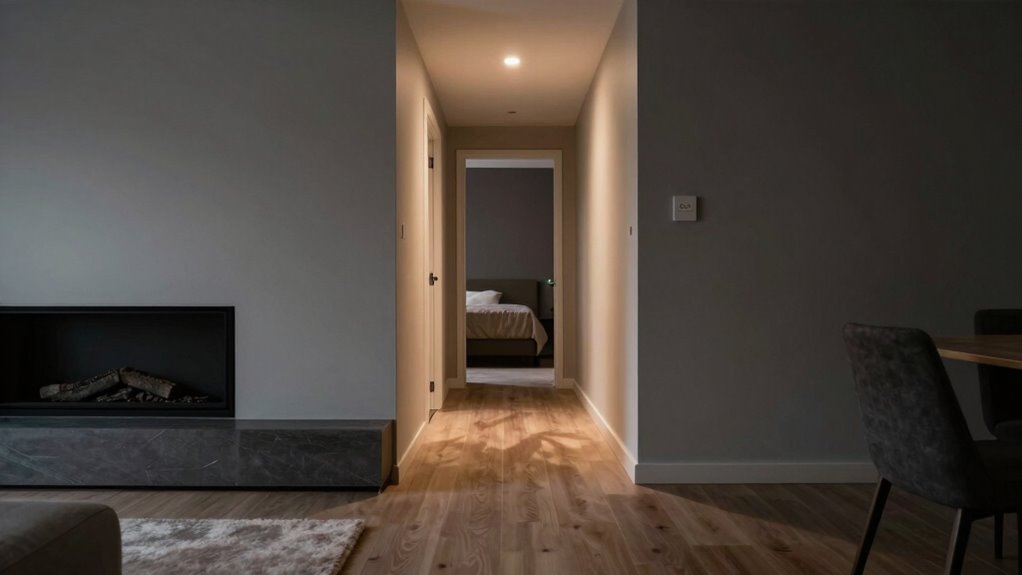
Have you ever wondered how your home’s layout might influence your risk of carbon monoxide buildup? The way your house is designed plays a significant role in how effectively dangerous gases like carbon monoxide are vented out or kept contained. Two essential factors that impact this are ventilation patterns and appliance placement. When these elements aren’t properly considered, you might unknowingly increase the risk of carbon monoxide accumulation, which can be deadly.
Your home’s ventilation patterns determine how air flows throughout the space. If your house isn’t well-ventilated or if airflow is restricted in certain areas, any carbon monoxide produced by appliances can linger longer than it should. Poor ventilation can trap the gas inside rooms, especially in corners or enclosed spaces where air exchange is limited. Proper airflow helps dilute and carry away combustion byproducts, reducing the chance of dangerous concentrations building up. Yet, many homes have design flaws, such as blocked vents or inadequate exhaust systems, that hinder this natural process. Understanding your ventilation patterns, hence, becomes essential in identifying potential risk zones and improving safety measures. Additionally, ventilation efficiency plays a crucial role in preventing gas buildup and should be evaluated during home inspections. Incorporating adequate airflow strategies during the design process can further enhance safety and reduce risks associated with carbon monoxide. Ensuring that ventilation systems are correctly balanced and functioning optimally can prevent the stagnation of harmful gases.
Good ventilation prevents carbon monoxide buildup by ensuring proper airflow and gas dispersion throughout your home.
Appliance placement is another critical aspect. If fuel-burning appliances—like furnaces, water heaters, or stoves—are installed in poorly ventilated areas or too close to bedrooms and living spaces, it increases the likelihood of carbon monoxide entering those areas. For example, placing a furnace in a confined attic or basement without proper exhaust systems can cause the gas to seep into living spaces. Additionally, when appliances are positioned near windows or vents that don’t allow for proper exhaust, the gas may leak into your home instead of escaping outside. Ensuring appliances are installed following safety guidelines and in well-ventilated locations is imperative to minimizing risk. Proper placement, combined with effective ventilation, creates a safer environment by preventing the buildup of harmful gases. Regular maintenance of these appliances is also key to reducing potential leaks and ensuring they operate safely. Remember, a thoughtful layout tailored to proper ventilation and appliance placement is your best defense against this silent threat. Additionally, incorporating proper ventilation design into home renovations can significantly improve overall safety. Properly designed layouts can also facilitate better air circulation, further reducing the risk of dangerous gas accumulation.
carbon monoxide detector with digital display
As an affiliate, we earn on qualifying purchases.
As an affiliate, we earn on qualifying purchases.
Frequently Asked Questions
How Can I Detect Carbon Monoxide Leaks Early?
You can detect carbon monoxide leaks early by installing detectors in key areas, especially near sleeping spaces and potential sources like your furnace or stove. make certain to regularly test and maintain these detectors, and consider ventilation improvements to reduce CO buildup. Proper detector placement ensures quick alerts, helping you respond promptly. Staying vigilant with these measures keeps you safer and minimizes the risk of dangerous CO exposure in your home.
Are Certain Home Layouts More Prone to CO Buildup?
Yes, some home layouts are more prone to CO buildup. Homes with poor ventilation can trap carbon monoxide, especially if vents are blocked or insufficient. Chimney placement also matters; if chimneys are poorly positioned or blocked, CO can accumulate inside. To reduce risk, guarantee proper home ventilation and check chimney placement regularly. Good airflow and correct chimney positioning help disperse CO, keeping your home safer.
What Are the Symptoms of Carbon Monoxide Poisoning?
You might feel dizzy, headache, or nausea—like a fog settling in—if you’re experiencing carbon monoxide poisoning. Poor indoor ventilation and faulty fuel-burning appliances trap CO indoors, making symptoms worse. You could also notice weakness, confusion, or even chest pain. If these signs appear, get fresh air immediately and seek medical help. Remember, carbon monoxide is silent but deadly, so stay vigilant about your home’s ventilation and appliance maintenance.
How Often Should I Test My CO Detectors?
You should test your CO detectors at least once a month to make certain they’re working properly, which is key for home safety. Regular testing helps catch any malfunctions early. Also, check the detector placement—install detectors near sleeping areas and on each level of your home for maximum protection. Replace batteries annually if they’re not hardwired, and follow the manufacturer’s guidelines for replacing the entire unit, usually every 5-7 years.
Can Renovations Affect My Home’s CO Risk?
Renovations can definitely affect your home’s CO risk. When you add new walls or change the layout, you might block ventilation openings or create confined spaces where CO can accumulate. Structural modifications, like installing new fireplaces or appliances, also influence risk levels. Improving ventilation during renovations helps disperse CO, reducing danger. Always evaluate how these changes impact airflow and consider installing or updating detectors to keep your home safe.
As an affiliate, we earn on qualifying purchases.
Conclusion
By understanding how your home’s layout influences carbon monoxide risk, you can take better precautions. Imagine a cozy living room with a faulty heater—silent danger lurking behind the walls—versus an open kitchen with proper ventilation where fresh air flows freely. Just as a well-placed window lets in sunlight, thoughtful design can reduce CO buildup. Your home’s structure isn’t just about comfort; it’s about safety. Stay aware, stay protected, and breathe easier.
As an affiliate, we earn on qualifying purchases.
wall-mounted carbon monoxide alarm
As an affiliate, we earn on qualifying purchases.
As an affiliate, we earn on qualifying purchases.
Fall Picks
fall essentials
As an affiliate, we earn on qualifying purchases.