Before storing fuel for storm season, add stabilizers to prevent degradation and check your containers for cracks or damage. Use approved materials, keep caps tight, and label each container with the fill date. Store fuel away from heat, flames, and out of reach of children. Regularly inspect your storage area for leaks or deterioration and follow safety guidelines. Proper preparation is key, and if you continue, you’ll discover more tips to guarantee safe, effective fuel storage.

Get backup power and energy gear delivered free with Prime
- Fast, free delivery on millions of items
- Prime Video, Amazon Music and more included
- Member-only deals all year
Key Takeaways
- Add fuel stabilizers to prevent degradation during extended storage.
- Inspect and ensure storage containers are intact, clean, and properly sealed.
- Store fuel in a cool, well-ventilated area away from heat and ignition sources.
- Label containers with fill date and fuel type for tracking freshness.
- Follow local safety regulations and keep emergency supplies nearby.
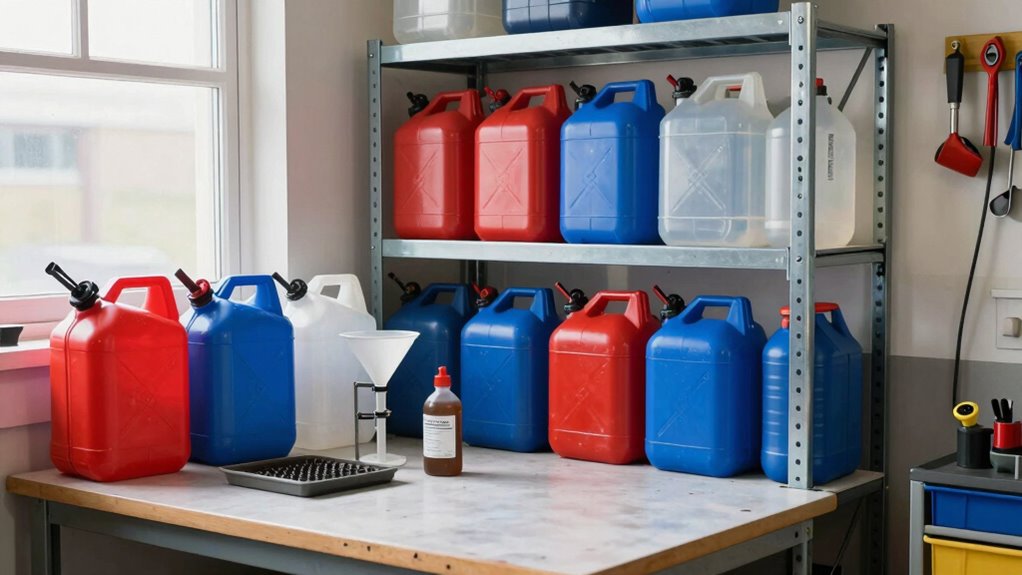
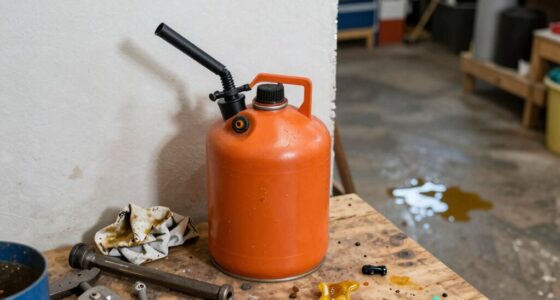
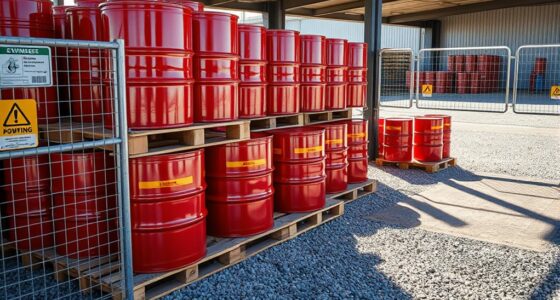
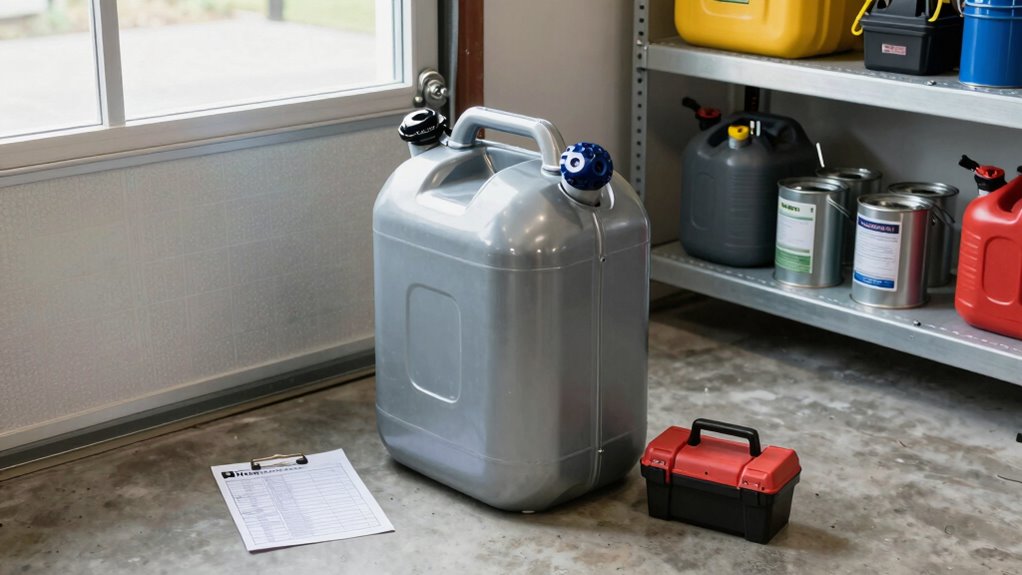
As storm season approaches, it’s essential to prepare your fuel storage properly to guarantee safety and fuel quality. One of the most important steps is ensuring your fuel is stabilized. Fuel stabilization involves adding the right additives to prevent the fuel from degrading over time, which can cause engine problems down the line. Stabilizers help keep the fuel fresh, especially if you plan to store it for extended periods. This process is especially important if you plan to store fuel for long durations, as it helps maintain the chemical properties of the fuel. Stale fuel can lead to clogged filters, poor engine performance, and even damage to your equipment or vehicle. Before filling your containers, you should also check that your storage containers are in good condition. Container safety isn’t just about preventing spills; it’s about avoiding leaks, corrosion, and the risk of fire. Make sure your containers are made of approved materials, like approved plastic or metal, and that they have tight-fitting caps. Any cracks or signs of wear should prompt you to replace the container altogether. Proper container safety also involves storing your fuel containers in a well-ventilated, cool, and dry area, away from direct sunlight and sources of heat or flame. This reduces the risk of ignition and preserves the integrity of the containers. When you’re ready to fill the containers, do so carefully to avoid overfilling, which can cause spills and leaks. Use a funnel if necessary to keep the process clean and to prevent fuel from spilling onto surfaces or into the environment. It’s best to label each container clearly with the date of fill and type of fuel, so you know exactly what you’re storing and when it was added. This helps you keep track of fuel freshness and prevents using stale or expired fuel later. Remember, storing fuel safely isn’t just about filling containers; it’s about maintaining their safety and fuel quality throughout the storage period. Regularly inspect your containers for any signs of deterioration or leaks, and always keep them out of reach of children and pets. If you’re storing large quantities, consider securing the containers to prevent accidental tipping or movement during a storm. Additionally, always follow local regulations regarding fuel storage, as improper storage could violate safety codes or fire regulations. Proper fuel stability is essential for keeping stored fuel from degrading and causing issues. To further ensure safety, it’s advisable to familiarize yourself with fuel storage regulations in your area. Understanding chemical properties of fuels can help you better manage storage and prevent hazards. Being aware of fire hazards associated with fuel storage can also help you take additional precautions to protect your home and surroundings. It’s also helpful to know emergency procedures in case of a spill or fire related to fuel storage, to respond quickly and effectively. By taking these precautions—stabilizing your fuel, ensuring container safety, and storing everything properly—you’ll be ready for storm season with a safe, reliable supply of fuel on hand. Proper preparation now will save you headaches later, ensuring your equipment runs smoothly when you need it most.
As an affiliate, we earn on qualifying purchases.
Frequently Asked Questions
How Long Can Fuel Be Safely Stored Before It Degrades?
You can typically store fuel safely for about 3 to 6 months if you add fuel stabilizers, which help prevent degradation. After this period, the fuel might lose its effectiveness and could cause engine problems. Always follow storage regulations to guarantee safety, and consider using approved containers. Regularly check stored fuel for signs of deterioration, and replace it if it turns cloudy or develops an off smell.
Are There Specific Containers Recommended for Fuel Storage?
Did you know that using the right container can extend fuel shelf life by months? For safe storage, you should choose containers made of durable, approved materials like high-density polyethylene or metal specifically designed for fuel. These containers resist corrosion and leaks. Always consider adding fuel stabilizers or additives to prolong freshness. Avoid cheap, flimsy containers, as they can degrade and pose safety risks, compromising your stored fuel’s quality.
Can Stored Fuel Be Used for Emergency Generators?
Stored fuel can be used for emergency generators, but you need to guarantee fuel stability and storage safety first. Over time, fuel can degrade, reducing its effectiveness, so regular rotation helps. Use proper containers designed for fuel storage to prevent leaks or accidents. Always check for signs of deterioration, such as varnish or sediment, before using. Maintaining safe storage practices guarantees your fuel remains reliable when you need it most.
What Are the Best Practices for Labeling Stored Fuel?
Did you know that improperly labeled fuel can cause safety hazards and mismanagement? To guarantee storage safety, you should use clear, durable labels indicating fuel type, date of storage, and any stabilization treatments. Always apply fuel stabilization before storage, and regularly check labels for legibility. Proper labeling helps prevent accidents, ensures proper usage, and makes it easier to track fuel rotation, keeping your storm-season supplies safe and ready.
How Often Should Stored Fuel Be Rotated or Replaced?
You should rotate or replace stored fuel every 6 to 12 months to maintain freshness and guarantee safety. Before doing so, add fuel additives to prevent oxidation and degradation, which supports storage safety. Regularly checking for leaks, discoloration, or foul smell helps identify when fuel is no longer good. Properly dispose of old fuel and clean containers before refilling, keeping your storage environment safe and ready for storm season.
As an affiliate, we earn on qualifying purchases.
Conclusion
Before storing fuel for storm season, make sure you’re prepared, aware, and cautious. Check your containers, fill them safely, and store them properly. Stay informed about weather updates, keep emergency supplies ready, and review safety procedures. Remember, preparedness isn’t just about storing fuel; it’s about protecting yourself, your loved ones, and your property. Stay vigilant, stay cautious, and stay safe—because being ready means being resilient, because being resilient means weathering the storm.
As an affiliate, we earn on qualifying purchases.
As an affiliate, we earn on qualifying purchases.
Fall Picks
fall essentials
As an affiliate, we earn on qualifying purchases.