
If you’re experiencing fuel flow issues, start by inspecting your petcock and fuel valve for clogs or debris. Check for dirt, rust, or sediment buildup inside the petcock and clean or replace parts if needed. Confirm your fuel lines are free of kinks, cracks, or blockages, and verify that the tank vent isn’t clogged to prevent vacuum problems. Addressing these common causes can restore proper fuel flow. Keep exploring to learn more about diagnosing and fixing these issues effectively.
Key Takeaways
- Inspect and clean the petcock filter screen to remove debris and sediment buildup that block fuel flow.
- Check for kinks, cracks, or leaks in the fuel line that may restrict or interrupt fuel delivery.
- Ensure the fuel tank vent is clear to prevent vacuum formation that hampers fuel flow.
- Disassemble and examine the petcock for internal corrosion or damage, replacing parts if necessary.
- Regularly maintain and replace worn seals and components to prevent flow issues and ensure proper operation.
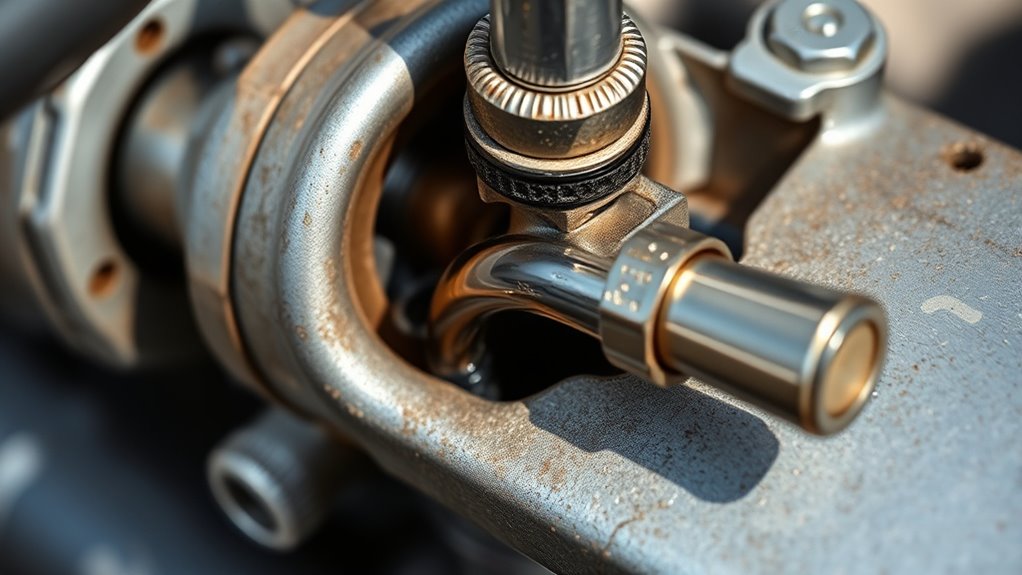
Fuel valve and petcock problems are common issues that can leave you stranded if not diagnosed and fixed promptly. When your motorcycle or dirt bike isn’t running smoothly, one of the first culprits to check is the fuel flow. A blocked fuel line or a clogged petcock can cause fuel flow blockage, leading to engine stalling or failure to start altogether. Recognizing the signs early can save you time and prevent more costly repairs later.
Start by inspecting the petcock itself. Many petcocks have a simple on/off/reserve switch, but over time, debris and sediment can accumulate inside, obstructing fuel flow. Dirt and rust can settle in the petcock’s filter or inside the valve, causing partial or complete blockages. If you notice inconsistent fuel flow or your engine sputters intermittently, it’s time to think about petcock repair. Disassembling the petcock lets you clean or replace internal components like the filter screen, which often becomes clogged and impairs fuel delivery. Regular maintenance, including cleaning the petcock and replacing worn seals, can prevent future fuel flow issues.
Inspect and clean the petcock regularly to prevent fuel flow blockages and ensure smooth engine operation.
When diagnosing fuel flow blockage, always check the fuel tank vent. A blocked vent creates a vacuum that prevents fuel from flowing freely out of the tank. If your bike stalls after a while or refuses to start, open the tank cap to see if the vacuum releases and allows fuel to flow. If that’s the issue, cleaning or unclogging the vent can restore normal operation. Proper ventilation is essential for maintaining consistent fuel flow and preventing airlock in the system.
Next, examine the fuel line for kinks, cracks, or clogs. A kinked fuel line restricts flow, and cracks can leak fuel or let dirt enter the system, causing additional blockages. Removing and inspecting the line, then replacing it if damaged, is often necessary. When replacing or reinstalling fuel lines, ensure they are routed properly and secured tightly to prevent future issues.
If you suspect the petcock is faulty, think about performing a petcock repair or replacement. Many models are straightforward to disassemble, clean, and reassemble, but some may require a complete replacement if internal parts are too corroded or damaged. Using genuine parts and following manufacturer instructions ensures a reliable fix. Keep in mind that regular inspection and maintenance of the fuel system are key to avoiding unexpected breakdowns and keeping your machine running smoothly.

Outlaw Racing OR2471 Fuel Petcock Valve Shut Off Repair Rebuild Kit – Comptabile with KVF400 YZ85
✅ Includes all necessary o-rings and diaphragms (except plastic diaphragm spacer block) to rebuild 1 petcock
As an affiliate, we earn on qualifying purchases.
As an affiliate, we earn on qualifying purchases.
Frequently Asked Questions
Can a Clogged Petcock Cause Engine Overheating?
Yes, a clogged petcock can cause engine overheating. When your fuel system is blocked, it restricts fuel flow to the engine, leading to poor combustion and increased heat. This can impair engine cooling, as the engine runs hotter without proper fuel delivery. Regularly check and clean your petcock to guarantee consistent fuel flow, which helps maintain peak engine temperature and prevents overheating issues.
How Often Should I Replace My Fuel Valve?
You should replace your fuel valve according to the maintenance schedule, typically every 2 to 3 years or when it shows signs of failure. Ironically, many neglect this simple task until they face frustrating issues like fuel leaks or flow problems. Following the replacement guidelines helps prevent unexpected breakdowns, ensuring your bike runs smoothly. Regular checks and timely replacements save you headaches and keep your ride reliable.
Is It Safe to Run My Bike Without a Petcock?
Running your bike without a petcock isn’t safe because it disrupts fuel system maintenance and can cause fuel flow issues. The petcock controls fuel delivery, and skipping it risks fuel starvation or leaks. Typically, petcock replacement intervals depend on usage and condition, but it’s best to replace it if it shows signs of failure. Always keep your fuel system in top shape to ensure safe and reliable riding.
What Are Signs of a Failing Fuel Flow in My Motorcycle?
A failing fuel flow can be a nightmare, like your bike’s starving for air! You’ll notice fuel flow indicators flickering or sluggish, and petcock warning signs include difficulty starting, sputtering, or unexpected stalls. If your engine hesitates or dies suddenly, it’s a clear sign your fuel isn’t moving properly. Stay alert to these symptoms; ignoring them could leave you stranded in the middle of nowhere!
Can a Petcock Leak Fuel Even When Turned Off?
Yes, your petcock can leak fuel even when turned off, which indicates a potential fuel leak or petcock failure. This often happens if the internal valve or seal isn’t sealing properly, allowing fuel to seep through. If you notice a leak, it’s vital to inspect the petcock for cracks or damage and replace it if necessary to prevent safety hazards and guarantee proper fuel control.
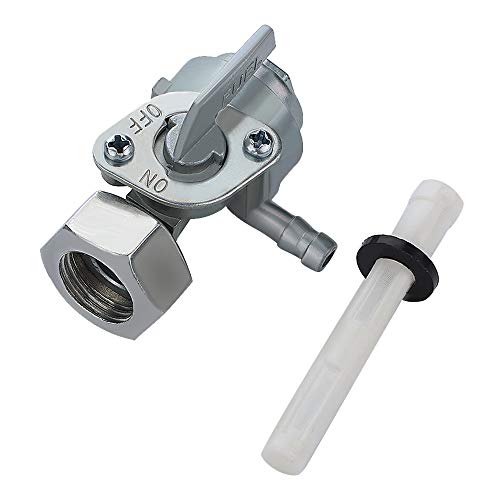
Savior Generator Petcock Fuel Gas Tank Switch Shut Off Valve for Predator Champion Generac Etq Homelite Husky Powermax Replace 0j0974 (16mm x 1.5mm)
Petcock Fuel Shutoff Valve Nut threading 16mm x 1.5mm; 22mm hex nut ( Please compare with your original…
As an affiliate, we earn on qualifying purchases.
As an affiliate, we earn on qualifying purchases.
Conclusion
Remember, your fuel valve or petcock is like the heart of your bike, guiding life’s flow smoothly. When it falters, your ride stalls, like a body without a heartbeat. By understanding and diagnosing these issues, you’re giving your motorcycle its pulse back. Keep an eye on these tiny valves—they hold the key to a steady, reliable journey. Clear flow means a confident ride—trust your instincts to keep the engine beating strong.

Dorman 801-600 Fuel Line Repair Tech Tray
Cost-effective replacement – saves time and money by replacing only the damaged section. No more difficult manipulation of…
As an affiliate, we earn on qualifying purchases.
As an affiliate, we earn on qualifying purchases.

Red Line 60102 Complete Powersports Fuel System Cleaner – 4 Ounces (2 Pack)
REDUCES OCTANE DEMAND – regain lost power and improve fuel economy
As an affiliate, we earn on qualifying purchases.
As an affiliate, we earn on qualifying purchases.