Among these automatic standby generators, I’d put the Generac 24 kW model with a 200-amp transfer switch first for its strong balance of capacity, included switching, and cellular connectivity. The 28 kW models suit homes with heavier loads, while the 10 kW options offer a more limited backup approach for buyers who can prioritize essential circuits. Across this lineup, the central tradeoff is higher output versus installation scope and the cost of supporting a larger system. Transfer-switch inclusion also matters: models without one may require a separate compatible switch and added planning. Read on for the full breakdown of how these closely related Generac models differ and which fits your home.

Get backup power and energy gear delivered free with Prime
- Fast, free delivery on millions of items
- Prime Video, Amazon Music and more included
- Member-only deals all year
Complete the kit


Key Takeaways
- The 24 kW model with a 200-amp transfer switch ranks first because it pairs substantial stated output with the switching hardware named in its listing and cellular connectivity.
- Both 28 kW versions lead on listed capacity, but the version that includes a transfer switch is the more complete choice; the cellular-connectivity-only listing leaves switch compatibility and sourcing to resolve.
- Transfer-switch inclusion is a meaningful divider: several similarly rated models are listed without a switch, so compare the full system and installation requirements, not just generator output.
- The 10 kW models are the lineup’s lower-output choices; they make more sense for a deliberately limited backup plan than for assuming unrestricted whole-home coverage.
- Cellular monitoring appears throughout the range, so the decision hinges more on capacity and included transfer equipment than on monitoring being unique to a particular output class.

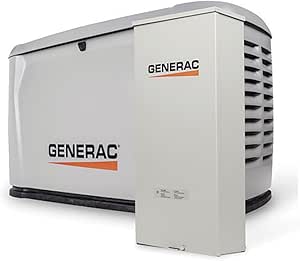


| automatic standby generator | Fuel | Voltage | Weight | Dimensions |
|---|---|---|---|---|
| Generac 24 kW Whole-Home Stand | Propane or natural gas | 240 volts | 461 pounds | 46.4 × 26.3 × 30.7 inches |
| Generac 28 kW Whole-Home Stand | LP or natural gas | 240 volts | 524 pounds | 46.4 × 26.3 × 30.7 inches |
| Generac 22 kW Whole-Home Stand | Natural gas or liquefied petroleum gas | 240 volts | 451 pounds | 46.4 × 26.3 × 30.7 inches |
| Generac 28 kW Whole-Home Stand | Natural gas or LP | 240 volts | 524 pounds | 46.4 × 26.3 × 30.7 inches |
| Generac 14 kW Whole-Home Stand | Natural gas or liquid propane | 240 volts | 391 pounds | 46.4 × 26.3 × 30.7 inches |
| Generac 26kW Whole-Home Standb | Propane or natural gas | 240 volts | 524 pounds | 46.4 × 26.3 × 30.7 inches |
| Generac 10kW Whole-Home Standb | Natural gas or liquefied petroleum gas | 120 volts | 384 pounds | 47.3 × 25.6 × 30.7 inches |
| Generac 22 kW Whole-Home Stand | Natural gas or LP (propane) | 240 volts | 451 pounds | 46.4 × 26.3 × 30.7 inches |
| Generac 18 kW Whole-Home Stand | Natural gas or LP | 240 volts | 426 pounds | 46.4 × 26.3 × 30.7 inches |
| Generac 26kW Whole-Home Standb | Natural gas or propane | 240 volts | 524 pounds | 46.4 × 26.3 × 30.7 inches |
| Generac 10 kW Whole-Home Stand | Natural gas or propane | 120 volts | 344 pounds | 46.3 × 24.6 × 30.7 inches |
| Generac 18 kW Whole-Home Stand | Natural gas or propane | 240 volts | 426 pounds | 46.4 × 26.3 × 30.7 inches |
More Details on Our Top Picks
Generac 24 kW Whole-Home Standby Generator with 200 Amp Transfer Switch and Cellular Connectivity
The 24 kW output puts this model between the 22 kW and 28 kW Generac options, making it a strong middle ground for households that want substantial automatic backup without moving to the lineup’s largest capacity. Its included 200-amp automatic transfer switch handles the changeover when utility power fails, while natural gas or propane compatibility lets homeowners use an existing fuel supply. Built-in cellular monitoring, oil-level alerts, and cold-start support add useful readiness features, though the Mobile Link app’s described remote services require a premium subscription. At 461 pounds, it still calls for a properly planned outdoor installation; the 22 kW model is slightly lighter, while the 28 kW units offer more capacity at greater weight. I’d choose this for balanced capacity, not the lightest installation or maximum output.
Pros:- 24 kW output sits between the 22 kW and 28 kW options.
- Includes a 200-amp automatic transfer switch for outage changeover.
- Runs on propane or natural gas and starts automatically when utility power fails.
- Cellular monitoring, oil-level monitoring, and cold-start support help with readiness.
Cons:- Remote monitoring and control through Mobile Link require a premium subscription.
- The 461-pound unit requires a suitable site and professional installation planning.
- Its capacity is lower than the two 28 kW models in this roundup.
Best for: Homeowners seeking a substantial whole-home standby system with a 200-amp automatic transfer switch and a choice of natural gas or propane.
Not ideal for: Buyers who need the highest capacity in this group, want remote app services without a subscription, or cannot accommodate a heavy outdoor unit.
- Power output:24 kW
- Fuel:Propane or natural gas
- Voltage:240 volts
- Transfer switch:Automatic 200 amp
- Connectivity:Built-in cellular; Mobile Link premium subscription required for described app services
- Weight:461 pounds
- Dimensions:46.4 × 26.3 × 30.7 inches
- Warranty:5-year limited
Our verdict“Choose this 24 kW model for a balanced combination of backup capacity, an included 200-amp transfer switch, and cellular readiness features.”
Generac 28 kW Whole-Home Standby Generator with Transfer Switch and Cellular Connectivity
For buyers whose priority is the greatest stated output in this group, this 28 kW Generac offers more capacity than the 24 kW and 22 kW models, which can give a home more headroom for simultaneous electrical loads. It automatically detects an outage, uses an existing LP or natural gas supply, and includes a transfer switch, so it is designed as a standby system rather than a portable backup source. Cellular monitoring, electronic fuel and ignition control, oil-level monitoring, and cold-start improvements add operational support. The tradeoff is physical: at 524 pounds, it is heavier than the 24 kW option and needs careful installation planning. Remote Mobile Link services also require a premium subscription. I’d favor this over the 14 kW model for higher demand, but households with modest backup needs may be better served by less capacity.
Pros:- At 28 kW, it has more stated output than the 22 kW and 24 kW models.
- Transfer switch is included for automatic outage changeover.
- Compatible with LP or natural gas.
- Cellular connectivity, oil-level monitoring, and cold-start improvements support remote oversight and readiness.
Cons:- At 524 pounds, it is the heaviest of the five products reviewed here.
- Mobile Link premium subscription is required for the described remote monitoring service.
- The extra capacity may be unnecessary for homes with limited backup loads.
Best for: Households with high electrical demand that want the largest stated output among these five options and have an existing natural gas or LP supply.
Not ideal for: Homes with modest backup requirements, buyers seeking a lighter installation, or anyone unwilling to pay for the described Mobile Link subscription services.
- Power output:28 kW
- Fuel:LP or natural gas
- Voltage:240 volts
- Frequency:60 hertz
- Transfer switch:Included
- Connectivity:Built-in cellular; Mobile Link premium subscription required for described services
- Weight:524 pounds
- Dimensions:46.4 × 26.3 × 30.7 inches
- Warranty:5-year limited
Our verdict“Pick this 28 kW model when higher household demand justifies its added capacity and heavier installation requirements.”
Generac 22 kW Whole-Home Standby Generator with 200-Amp Transfer Switch and Cellular Connectivity
This 22 kW model is the lower-output alternative to the 24 kW and 28 kW Generac units, while retaining an automatic 200-amp transfer switch and cellular connectivity. That makes it a sensible fit for buyers who want an integrated standby setup but do not have a clear need for the lineup’s higher stated capacities. It runs on natural gas or liquefied petroleum gas and includes oil-level monitoring and cold-start support, features that help keep attention on readiness rather than manual outage response. The compromise is capacity: the 24 kW model provides more output, and the 28 kW options offer a larger step up for heavier demand. Remote app features also require a premium subscription, and the unit still weighs 451 pounds. I’d choose this when the 200-amp switch matters more than maximizing output.
Pros:- 22 kW output offers a lower-capacity alternative to the 24 kW and 28 kW models.
- Includes an automatic 200-amp transfer switch.
- Runs on natural gas or liquefied petroleum gas.
- Cellular connectivity, oil-level monitoring, and cold-start support aid standby readiness.
Cons:- Provides less output than the 24 kW and 28 kW options.
- Mobile Link remote features require a premium subscription.
- The 451-pound weight calls for careful site and installation planning.
Best for: Homeowners who want a 200-amp automatic transfer switch and cellular monitoring but expect their backup needs to fit a 22 kW system.
Not ideal for: Households with high simultaneous loads or buyers who want the greatest output available in this group.
- Power output:22 kW
- Starting wattage:22,000 watts
- Fuel:Natural gas or liquefied petroleum gas
- Voltage:240 volts
- Frequency:60 hertz
- Transfer switch:Automatic 200 amp
- Weight:451 pounds
- Dimensions:46.4 × 26.3 × 30.7 inches
- Warranty:5-year limited
Our verdict“Choose this model if 22 kW suits your household and you want an included 200-amp transfer switch without stepping up to a larger unit.”
Generac 28 kW Whole-Home Standby Generator with Cellular Connectivity
This version pairs the lineup’s 28 kW stated output with natural gas or LP compatibility and built-in cellular connectivity, matching the higher capacity of the other 28 kW Generac in this batch. The distinction is that the supplied details do not specify an included transfer switch, unlike the 28 kW model B0FZDYKL6P and the 24 kW and 22 kW models. Buyers should verify transfer-switch requirements and compatibility before choosing it, since automatic outage operation depends on a suitable system installation. Oil-level monitoring and cold-start support are useful readiness features, but they do not offset its 524-pound weight or the subscription requirement for described Mobile Link services. I’d shortlist this for a high-demand home with an installer-led transfer-switch plan; buyers wanting a clearly included switch should favor the other 28 kW option.
Pros:- 28 kW output matches the highest capacity listed in this group.
- Supports natural gas or LP fuel.
- Built-in cellular connectivity supports remote monitoring and control.
- Oil-level monitoring and cold-start support address standby readiness.
Cons:- The product details do not specify an included transfer switch, so buyers should confirm system requirements.
- At 524 pounds, installation and handling need careful planning.
- Described Mobile Link remote services require a premium subscription.
Best for: Homeowners seeking 28 kW output who are coordinating a compatible transfer-switch setup separately or have confirmed their existing system arrangement with an installer.
Not ideal for: Buyers who want a clearly specified included transfer switch or a lighter unit; the other 28 kW model lists a switch as included.
- Power output:28 kW
- Fuel:Natural gas or LP
- Voltage:240 volts
- Frequency:60 Hz
- Transfer switch:Not specified in product details
- Connectivity:Built-in cellular; Mobile Link premium subscription required for described services
- Weight:524 pounds
- Dimensions:46.4 × 26.3 × 30.7 inches
- Warranty:5-year limited
Our verdict“Choose this 28 kW unit only after confirming the transfer-switch plan, especially if you want high capacity without relying on the other 28 kW model’s included switch.”
Generac 14 kW Whole-Home Standby Generator with 200-Amp Transfer Switch and Cellular Connectivity
At 14 kW, this is the lower-capacity choice among the five products, a meaningful step down from the 22 kW, 24 kW, and 28 kW models. That can make sense for households prioritizing selected backup loads rather than the higher demand those larger units are intended to serve. It still includes a 200-amp automatic transfer switch, accepts natural gas or liquid propane, and automatically responds to an outage. Cellular monitoring, oil-level sensors, and cold-start features add useful readiness support, though remote updates and maintenance alerts require a premium Mobile Link subscription. Its 391-pound weight is lighter than the larger options here, but it remains a substantial fixed installation—not a portable generator. I’d favor it over the 22 kW model only when a load assessment supports the lower output and a smaller-capacity system is the priority.
Pros:- 14 kW output suits buyers whose planned backup loads do not require the higher capacity of the other models.
- Includes a 200-amp automatic transfer switch.
- Runs on natural gas or liquid propane.
- At 391 pounds, it weighs less than the 22 kW, 24 kW, and 28 kW models reviewed here.
Cons:- Its 14 kW output is substantially lower than the 22 kW, 24 kW, and 28 kW alternatives.
- Remote updates and maintenance alerts require a Mobile Link premium subscription.
- At 391 pounds, it still requires a suitable permanent installation site.
Best for: Homeowners with a defined set of essential backup loads who want an automatic system, a 200-amp transfer switch, and natural gas or propane compatibility.
Not ideal for: Households expecting to run many large electrical loads at once or buyers who want maximum whole-home capacity.
- Power output:14 kW
- Running wattage:14,000 watts
- Fuel:Natural gas or liquid propane
- Voltage:240 volts
- Frequency:60 hertz
- Transfer switch:Automatic 200 amp
- Weight:391 pounds
- Dimensions:46.4 × 26.3 × 30.7 inches
- Connectivity:Cellular; Mobile Link premium subscription required for remote updates and maintenance alerts
Our verdict“Pick this 14 kW model when a load assessment supports lower backup capacity and you want an automatic system with an included 200-amp transfer switch.”
Generac 26kW Whole-Home Standby Generator with 200-Amp Transfer Switch and Cellular Connectivity
Among these options, I’d put this 26 kW model with a 200-amp transfer switch on the shortlist for homes with substantial electrical demands. Its capacity exceeds the 22 kW Generac, which can provide more headroom when several major loads need backup at once. Automatic operation and compatibility with natural gas or propane make it suited to a fixed residential installation rather than temporary power needs. Built-in cellular connectivity, oil-level monitoring, and cold-start support add ways to track readiness, though Mobile Link remote features require a premium subscription. The tradeoff is physical: at 524 pounds, it is a large unit that calls for careful professional installation. Choose it over smaller models when load needs justify the extra capacity; otherwise, the 18 kW or 22 kW options may be easier to match to the home.
Pros:- 26 kW output offers more backup capacity than the 22 kW and 18 kW options in this batch.
- Includes a 200-amp transfer switch for automatic residential backup.
- Runs on propane or natural gas.
- Cellular monitoring, oil-level monitoring, and cold-start support help track readiness.
Cons:- Remote monitoring and control through Mobile Link require a premium subscription.
- At 524 pounds, transport and installation require substantial planning.
- The higher capacity may be unnecessary for homes with limited backup loads.
Best for: Homeowners with high electrical loads who want a 200-amp transfer switch, automatic outage response, and natural gas or propane compatibility.
Not ideal for: Households with modest backup needs or buyers who do not want to pay for app-based remote monitoring; its 26 kW capacity and 524-pound weight may be more than they need.
- Power output:26 kW
- Fuel:Propane or natural gas
- Transfer switch:200 amp
- Voltage:240 volts
- Connectivity:Built-in cellular; Mobile Link app
- Weight:524 pounds
- Dimensions:46.4 × 26.3 × 30.7 inches
- Warranty:5-year limited warranty
Our verdict“Choose this 26 kW model if your home’s backup load warrants its capacity and 200-amp transfer switch, and you can accommodate its heavy installation.”
Generac 10kW Whole-Home Standby Generator with Transfer Switch and Cellular Connectivity
This is the lineup’s lower-capacity automatic standby choice, not a like-for-like substitute for the 18 kW or 26 kW generators. Its 10,000-watt output and automatic 16-circuit transfer switch suit buyers who want selected household circuits backed up rather than broad capacity for every large load. Natural gas or LP compatibility lets it connect to a fixed fuel supply, while cellular access and readiness features give it a monitoring advantage over a simpler, unconnected setup. The catch is that app features require a Mobile Link premium subscription, and the generator still weighs 384 pounds despite its lower output. I’d favor it over the 18 kW Generac when a smaller set of circuits is the goal; buyers expecting substantial whole-home load coverage should look at the larger models instead.
Pros:- Automatic 16-circuit transfer switch supports backup for selected household circuits.
- Runs on natural gas or liquefied petroleum gas.
- Built-in cellular connectivity supports remote monitoring and control.
- Oil-level sensing and cold-start features support generator readiness.
Cons:- 10 kW output limits the number and size of loads that can run together.
- Mobile Link app features require a premium subscription.
- At 384 pounds, it remains a heavy permanent-installation unit.
Best for: Homeowners who want automatic backup for selected circuits and have sized their essential loads to a 10 kW generator and 16-circuit transfer switch.
Not ideal for: Buyers who need more capacity for multiple large appliances or broad whole-home backup; the 10 kW output is well below the 18 kW and 26 kW alternatives.
- Power output:10,000 watts
- Fuel:Natural gas or liquefied petroleum gas
- Transfer switch:Automatic 16-circuit transfer switch
- Voltage:120 volts
- Connectivity:Built-in cellular; Mobile Link app
- Weight:384 pounds
- Dimensions:47.3 × 25.6 × 30.7 inches
- Warranty:5-year limited warranty
Our verdict“Pick this model for automatic backup of a planned set of essential circuits, but choose a higher-output Generac if you need broader household coverage.”
Generac 22 kW Whole-Home Standby Generator with Cellular Connectivity
The 22 kW Generac is the balanced-capacity pick in this group: it offers more output than the 18 kW model without stepping up to the 26 kW generators. That makes it a sensible starting point for homeowners comparing whole-home standby capacity, though an electrician or generator installer should size it against the home’s actual loads. It connects to an existing natural gas or LP supply and starts automatically when utility power fails. Cellular monitoring, oil-level monitoring, and cold-start support add readiness features, but remote app access requires a premium subscription. At 451 pounds, it is not a light installation, and this listing does not specify a transfer-switch rating; the 26 kW option in this batch explicitly includes a 200-amp switch. I’d choose this model when 22 kW fits the load plan, not simply because its rating sits between other choices.
Pros:- 22 kW output sits between the 18 kW and 26 kW options in this batch.
- Automatic outage detection works with an existing natural gas or LP supply.
- Built-in cellular monitoring and oil-level sensing support readiness checks.
- Cold-start support is useful for installations exposed to cold weather.
Cons:- Mobile Link remote monitoring and control require a premium subscription.
- The 451-pound unit requires careful installation planning.
- A transfer-switch rating is not specified in the provided product data.
Best for: Homeowners whose load assessment supports roughly 22 kW of automatic backup and who want cellular monitoring with natural gas or LP fuel.
Not ideal for: Buyers who need a specified 200-amp transfer switch as part of the listed package, or homes whose loads call for either less than 22 kW or the greater headroom of a 26 kW model.
- Power output:22 kW
- Fuel:Natural gas or LP (propane)
- Voltage:240 volts
- Frequency:60 hertz
- Connectivity:Built-in cellular; Mobile Link app
- Weight:451 pounds
- Dimensions:46.4 × 26.3 × 30.7 inches
- Warranty:5-year limited warranty
Our verdict“Choose the 22 kW model when a load assessment points between the 18 kW and 26 kW options and you can confirm the transfer-switch setup you need.”
Generac 18 kW Whole-Home Standby Generator with 200-Amp Transfer Switch and Cellular Connectivity
For buyers who want a named 200-amp transfer switch but do not need the 26 kW model’s output, this 18 kW Generac has a clear place in the lineup. It automatically starts on utility failure, uses an existing natural gas or LP supply, and includes cellular connectivity for remote status checks. Compared with the 10 kW option, it provides substantially more rated output; compared with the 22 kW Generac, it gives up 4 kW while retaining the specified 200-amp switch in the product data. Cold-start features and a fully enclosed design support outdoor residential use, but the Mobile Link service requires a premium subscription for alerts and updates. Its 426-pound weight and dependence on a fixed fuel supply also make it a permanent-installation decision, not a portable backup solution.
Pros:- 18 kW output exceeds the 10 kW model while staying below the 22 kW and 26 kW options.
- Includes a 200-amp transfer switch.
- Runs on natural gas or LP and starts automatically during an outage.
- Cold-start features and a fully enclosed design support residential standby use.
Cons:- Mobile Link updates and maintenance alerts require a premium subscription.
- Requires an existing natural gas or LP fuel supply.
- At 426 pounds, it needs a planned permanent installation.
Best for: Homeowners seeking a midrange standby generator with a listed 200-amp transfer switch, automatic operation, and an existing natural gas or LP connection.
Not ideal for: Buyers with high simultaneous loads who need more than 18 kW, or those who lack a compatible fixed fuel supply and want portable backup instead.
- Power output:18 kW
- Fuel:Natural gas or LP
- Transfer switch:200 amp
- Voltage:240 volts
- Connectivity:Built-in cellular; Mobile Link app
- Weight:426 pounds
- Dimensions:46.4 × 26.3 × 30.7 inches
Our verdict“Choose this 18 kW model if its output fits your assessed loads and you want a listed 200-amp transfer switch without moving up to 22 or 26 kW.”
Generac 26kW Whole-Home Standby Generator with Cellular Connectivity
This is the other 26 kW Generac in the batch, so the main distinction is package detail rather than stated generator output. Like the 26 kW model with a 200-amp transfer switch, it runs on natural gas or propane, starts automatically during an outage, and offers cellular monitoring plus oil-level and cold-start features. Its product data, however, does not list a transfer switch; the companion 26 kW listing does. That makes this option harder to compare as a ready-to-spec package, so buyers should confirm what switch is included and budget the installation around the full system. It also weighs 524 pounds, and Mobile Link remote monitoring requires a premium subscription. I’d shortlist it only when its exact package suits the installation; otherwise, the explicitly specified 200-amp version is the clearer choice.
Pros:- 26 kW output matches the higher-capacity 26 kW option in this batch.
- Supports natural gas or propane connections.
- Automatic outage response is paired with cellular monitoring and readiness features.
- Includes a 5-year limited warranty.
Cons:- The provided specs do not list a transfer switch, so package details need confirmation.
- Mobile Link remote service requires a premium subscription.
- At 524 pounds, it calls for professional installation planning.
Best for: Homeowners who need 26 kW of standby capacity and are coordinating the transfer-switch package separately or have confirmed its inclusion with the seller and installer.
Not ideal for: Buyers who want the transfer-switch rating clearly stated in the product details; the companion 26 kW model explicitly lists a 200-amp switch.
- Power output:26 kW
- Fuel:Natural gas or propane
- Voltage:240 volts
- Connectivity:Built-in cellular; Mobile Link app
- Weight:524 pounds
- Dimensions:46.4 × 26.3 × 30.7 inches
- Warranty:5-year limited warranty
Our verdict“Select this 26 kW model only after confirming the transfer-switch package; the other 26 kW listing is a clearer fit if you want a specified 200-amp switch.”
Generac 10 kW Whole-Home Standby Generator with Cellular Monitoring
For a home that needs automatic backup for selected essentials rather than a broad range of high-demand appliances, this 10 kW Generac offers a lower-capacity alternative to the lineup’s 18 kW model. It detects an outage and runs on natural gas or propane, so there’s no need to refuel a portable unit during a blackout. Built-in cellular connectivity lets owners check and control the generator through Mobile Link, while oil-level sensing and cold-start features support readiness. Its sloped roof and rear intake are intended to reduce ice or snow intrusion. The tradeoff is limited output compared with larger whole-home choices, and the 344-pound unit still calls for professional planning and installation. Mobile Link monitoring and maintenance alerts also require a premium subscription.
Pros:- Automatically detects outages and starts without manual intervention.
- Runs on either natural gas or propane.
- Built-in cellular connection supports Mobile Link monitoring and control.
- Oil-level sensing, cold-start features, and a snow-conscious enclosure design support readiness.
Cons:- 10 kW output may not cover simultaneous high-demand household loads.
- Mobile Link monitoring and maintenance alerts require a premium subscription.
- At 344 pounds, it is heavy to handle and install.
Best for: Homeowners with modest backup needs who want automatic outage response and remote monitoring without stepping up to an 18 kW generator.
Not ideal for: Households expecting to run several large appliances at once, or buyers who want cellular alerts without a subscription.
- Power output:10,000 watts
- Fuel:Natural gas or propane
- Use:Residential
- Voltage:120 volts
- Ignition:Electronic
- Connectivity:Built-in cellular; Mobile Link app
- Weight:344 pounds
- Dimensions:46.3 × 24.6 × 30.7 inches
- Warranty:5-year limited warranty
Our verdict“Choose this model for automatic backup of a modest household load; choose the Generac 18 kW model if you need more output for multiple appliances.”
Generac 18 kW Whole-Home Standby Generator with Cellular Monitoring
This 18 kW model is the stronger fit for households whose backup plan reaches beyond a few essentials. It provides more capacity than the 10 kW Generac, giving owners more room to support multiple household loads during an outage, though the exact mix still depends on their electrical needs and installation. Automatic outage detection, natural gas or propane operation, and cellular Mobile Link monitoring make it a self-starting residential option with remote visibility. Oil-level monitoring and cold-start features add readiness support. The added capacity comes with a larger, heavier enclosure: at 426 pounds, it weighs substantially more than the 10 kW unit. Cellular updates and maintenance alerts also require a premium subscription, and buyers should confirm that the generator and transfer equipment suit their home before purchasing.
Pros:- 18 kW output offers more backup capacity than the 10 kW model.
- Automatically detects outages and supplies residential backup power.
- Accepts natural gas or propane.
- Cellular monitoring, oil-level monitoring, and cold-start features support remote oversight and readiness.
Cons:- At 426 pounds, it is heavy and can complicate handling and installation.
- Mobile Link real-time updates and maintenance alerts require a premium subscription.
- The product data does not specify an included transfer switch.
Best for: Homeowners who want automatic backup for a wider range of household loads and can accommodate a heavier standby installation.
Not ideal for: Buyers with limited backup needs, tight installation access, or no interest in paying for subscription-based Mobile Link alerts.
- Maximum engine power:18 kW
- Running wattage:18 kW
- Fuel:Natural gas or propane
- Voltage:240 volts
- Frequency:60 Hz
- Engine type:Internal combustion
- Connectivity:Built-in cellular; Mobile Link app
- Weight:426 pounds
- Dimensions:46.4 × 26.3 × 30.7 inches
Our verdict“Pick this model over the 10 kW Generac when your household needs broader backup capacity and the installation can accommodate its weight.”

How We Picked
I ranked these generators by how clearly each listing supports a practical automatic-backup setup: stated output, whether a transfer switch is included, and the presence of cellular connectivity or monitoring. I also weighed how readily a buyer can match the generator to household loads and installation needs. Because the product information supplied does not specify fuel consumption, noise, warranty terms, or detailed electrical compatibility, I do not use those as ranking claims; buyers should confirm them with the manufacturer and a qualified installer.
The 24 kW model with a 200-amp transfer switch takes the lead as a balanced, more clearly bundled option. The 28 kW model with a switch follows for buyers who prioritize the lineup’s highest listed output, while other higher-output listings without a switch rank lower on setup completeness. Smaller models place well for focused backup plans, but their lower stated capacity makes them less suitable when broad household coverage is the priority. Variants with cellular monitoring but no named transfer switch rank behind otherwise comparable listings that specify one.
| automatic standby generator | Connectivity |
|---|---|
| Generac 24 kW Whole-Home Stand | Built-in cellular; Mobile Link premium subscription required for described app services |
| Generac 28 kW Whole-Home Stand | Built-in cellular; Mobile Link premium subscription required for described services |
| Generac 22 kW Whole-Home Stand | — |
| Generac 28 kW Whole-Home Stand | Built-in cellular; Mobile Link premium subscription required for described services |
| Generac 14 kW Whole-Home Stand | Cellular; Mobile Link premium subscription required for remote updates and maintenance alerts |
| Generac 26kW Whole-Home Standb | Built-in cellular; Mobile Link app |
| Generac 10kW Whole-Home Standb | Built-in cellular; Mobile Link app |
| Generac 22 kW Whole-Home Stand | Built-in cellular; Mobile Link app |
| Generac 18 kW Whole-Home Stand | Built-in cellular; Mobile Link app |
| Generac 26kW Whole-Home Standb | Built-in cellular; Mobile Link app |
| Generac 10 kW Whole-Home Stand | Built-in cellular; Mobile Link app |
| Generac 18 kW Whole-Home Stand | Built-in cellular; Mobile Link app |
Factors to Consider When Choosing Automatic Standby Generators
Choosing a standby generator starts with the way your home uses electricity, not with the biggest kilowatt figure. I’d treat the product listing as a starting point, then confirm load needs, transfer-switch compatibility, fuel supply, and local installation rules before choosing a model.
Match Output to Actual Loads
Make a list of the circuits and appliances you want powered at the same time, including equipment with a large startup draw. A larger generator can support more simultaneous demand, but choosing capacity by square footage alone can lead to an unsuitable system. Ask an electrician to calculate the expected load and identify any appliances that can be managed sequentially. If your plan covers only essentials, a lower-output model may fit better than paying for capacity you will not use. If you expect broad household coverage, verify the full load calculation rather than assuming a “whole-home” label guarantees every appliance can run together.
Check What the Transfer-Switch Listing Includes
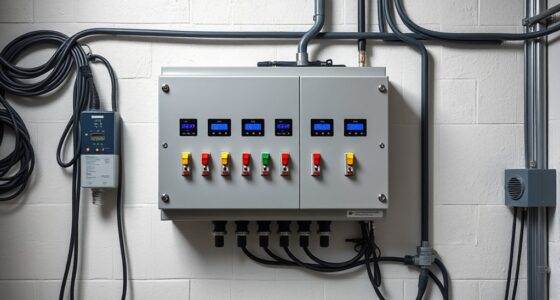
A standby generator needs a transfer arrangement to move selected electrical loads between utility power and generator power. In this roundup, some listings name a 200-amp transfer switch, while others identify only the generator and cellular features. Do not assume those versions are interchangeable bundles: ask what switch is included, whether it suits your electrical service, and what additional components may be required. The right switch depends on the home’s panel and backup plan, not simply the generator’s output. Confirm the exact package in writing before scheduling installation.
Plan for Fuel Supply and Run Time
Generator output alone does not tell you how a unit will perform during a prolonged outage. Before choosing, verify which fuel options the specific model supports, whether your home can supply that fuel at the required rate, and what operating conditions affect consumption. A higher-output unit may call for greater fuel capacity or supply planning, particularly when many loads run together. Ask the installer to explain expected run time under your likely load rather than relying on a single headline estimate. Fuel availability during regional emergencies should also shape your backup plan.
Treat Cellular Monitoring as a Convenience, Not a Substitute
Cellular monitoring can help you check generator status remotely, but its usefulness depends on signal availability, service terms, and the features supported by the particular model. Ask whether connectivity requires an ongoing plan, what alerts are provided, and what happens when cellular service is unavailable. Remote visibility does not replace periodic maintenance or a local response plan. If you travel often or have a second home, monitoring may carry more weight than it does for someone who is usually nearby. Compare the monitoring details instead of assuming every listing’s cellular wording promises the same service.
Budget for the Complete Installation
The generator is only one part of a standby system; site preparation, electrical work, fuel connections, permits, and commissioning can affect the final project. A listing that includes a transfer switch may simplify package planning, but it does not confirm that the included equipment fits your home or that installation is covered. Get a site-specific quote and ask what work is excluded before comparing options. Also check local setback, noise, and permitting rules early, since placement constraints can change the project plan. Paying for a larger unit makes sense only if the load calculation and installation scope support it.
Confirm Service Access and Maintenance Expectations
Standby generators need ongoing service to remain ready, so check who can maintain the unit in your area and what routine care the manufacturer calls for. Ask about service intervals, parts availability, warranty conditions, and who handles troubleshooting after installation. A model with a familiar monitoring feature may still be a poor fit if qualified support is difficult to reach locally. Clarify which maintenance tasks are homeowner responsibilities and which should go to a technician. These details can matter more over the life of the system than a small difference in listed output.
Frequently Asked Questions
Do I need to buy a separate transfer switch for a model that does not list one?
Possibly, but the product title alone is not enough to determine the final setup. Confirm with the seller or manufacturer whether the exact model package includes a transfer switch, then ask an electrician which switch works with your panel and backup design. A switch named in another version’s listing should not be assumed to come with a similarly rated generator. Installation may also require additional parts or electrical work. Resolve the complete equipment list before comparing project quotes.
Is a 28 kW generator automatically the right choice for a larger home?
No. The correct capacity depends on the appliances and circuits you want to power together, including their startup demands, not just the home’s size. A load calculation can show whether a 28 kW unit offers useful headroom or whether a smaller model better matches your plan. Larger capacity can also affect fuel planning and installation requirements. Choose it when the calculated load and intended coverage justify it, rather than treating the largest number as a guarantee of better fit.
How should I choose between the 10 kW models and the higher-output options?
Start by deciding whether you want backup for selected essentials or broader household coverage. The 10 kW listings are the lineup’s lowest-output options, so buyers should map their intended circuits carefully and verify that important loads can run as planned. Higher-output choices provide more stated capacity but may bring different fuel, installation, and project demands. Compare transfer-switch inclusion as well as output, since the two 10 kW listings do not describe identical equipment. Have an installer review your load list before settling on either size.
Does cellular monitoring mean the generator will notify me during every outage?
Not necessarily. The listing indicates cellular connectivity or monitoring, but the exact alerts, service requirements, and coverage depend on the model and its associated service. Ask whether an active subscription is needed and what functions remain available if cellular coverage is interrupted. Monitoring can provide useful status information, but it does not guarantee that someone will respond to an alert or repair a problem. Confirm the supported features directly before treating remote monitoring as part of your outage response plan.
Can I select a generator from this roundup without an installer’s site visit?
You can narrow your shortlist by output and included equipment, but a site visit is a sensible step before purchase. The installer can check the electrical panel, proposed location, fuel supply, local rules, and load requirements—details not established by the product names here. This is especially useful when comparing a model with a listed 200-amp transfer switch against one without a named switch. Ask for a written scope that identifies equipment, permits, commissioning, and exclusions. That gives you a more useful comparison than generator specifications alone.
Conclusion
For most buyers seeking a balanced package, my best overall pick is the Generac 24 kW with a 200-amp transfer switch and cellular connectivity. The best premium choice is the 28 kW version that lists a transfer switch, for households whose calculated loads call for more capacity. For best value in practical fit, consider the 14 kW model with a 200-amp switch if an installer confirms it meets your essential-load plan; its lower output makes it a poor match for buyers expecting expansive coverage. The best choice for beginners is the 24 kW bundled listing because its named switch makes the package easier to compare, though professional sizing is still needed. For specific needs, choose a 10 kW model for a tightly prioritized backup plan or a higher-output model when the load assessment supports it; in every case, confirm switch compatibility, fuel supply, and installation scope before ordering.