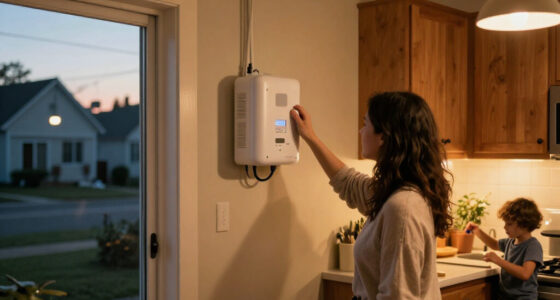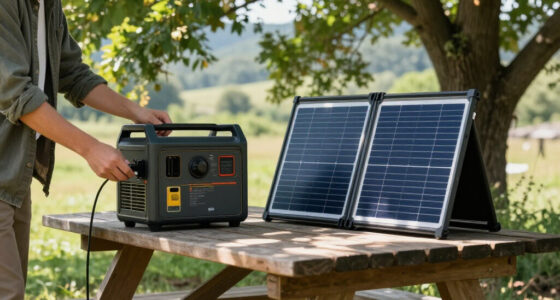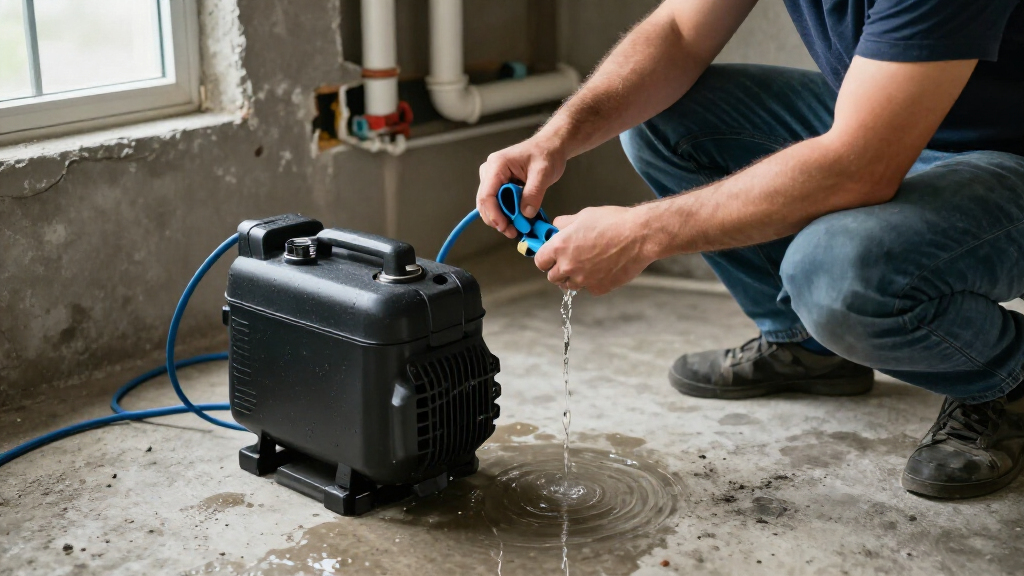
Battery backup sump pumps help keep water moving when a power outage or primary-pump failure threatens a basement. My best overall pick is the Basement Watchdog Special CONNECT for its backup-focused design and connected monitoring; the WAYNE ESP25n is a straightforward dedicated backup, while the Zoeller 540 FLEX stands apart because it uses municipal water rather than a battery. The main tradeoffs are battery runtime and maintenance versus water use, and a dedicated backup versus an all-in-one primary-and-backup setup. Inverter systems can offer flexibility, but they require careful matching to the pump and battery. Read on for the full comparison and guidance on choosing the right setup for your basement.

Get backup power and energy gear delivered free with Prime
- Fast, free delivery on millions of items
- Prime Video, Amazon Music and more included
- Member-only deals all year
Key Takeaways
- The lineup divides into distinct system types: dedicated 12-volt backups, combined primary-and-backup assemblies, battery inverters for compatible pumps, and a water-powered option.
- Basement Watchdog Special CONNECT leads for buyers who value system monitoring; it is a more focused backup choice than the combined primary-and-backup systems in the lineup.
- WAYNE ESP25n and Zoeller 540 FLEX solve different outage problems: one uses a battery, while the other depends on municipal water pressure and availability.
- Inverter wattage alone does not establish compatibility. The Sunivora, OLTEANP, VEVOR, 2500W, and VIOPUMPO options still need a suitable battery and a pump whose startup demand fits the system.
- Combined systems such as the Wayne WSS30VN and Basement Watchdog CITS-50 simplify pairing, but replacing an existing primary pump may be unnecessary for homeowners who only need backup coverage.
| Basement Watchdog Special CONNECT Battery Backup Sump Pump System |  | Best for Compact Pits | Flow rate: 2,500 GPH at 0 ft lift; 1,730 GPH at 10 ft | Maximum lifting height: 10 feet | Horsepower: 0.25 HP | VIEW LATEST PRICE | See Our Full Breakdown |
| Sunivora 2000W Sump Pump Battery Backup UPS |  | Best Multi-Pump Backup Power Unit | Output power: 2000W | Output waveform: Pure sine wave | AC outlets: 3 | VIEW LATEST PRICE | See Our Full Breakdown |
| Basement Watchdog CITS-50 1/2 HP Primary and Battery Backup Sump Pump System |  | Best Integrated Primary-and-Backup System | Primary motor: 1/2 HP copper-wound PSC | Primary flow rate: 73 GPM at 0 ft lift; 59 GPM at 10 ft | Backup flow rate: 48 GPM at 0 ft lift; 35 GPM at 10 ft | VIEW LATEST PRICE | See Our Full Breakdown |
| Briidea Battery Backup Sump Pump System with WiFi Monitoring |  | Best for Remote Monitoring | Model: HX-146 | Maximum pumping capacity: 2,700 GPH at 0 ft lift | Flow rate at 10 ft: 1,900 GPH | VIEW LATEST PRICE | See Our Full Breakdown |
| WAYNE ESP25n 12-Volt Battery Backup Sump Pump |  | Best for Straightforward Backup Protection | Voltage: 12 V DC | Flow rate at 0 ft: 2,700 GPH / 45 GPM | Flow rate at 10 ft: 1,680 GPH / 28 GPM | VIEW LATEST PRICE | See Our Full Breakdown |
| OLTEANP 1500W Sump Pump Battery Backup Inverter |  | Best for Flexible Battery Setups | Model: UPS-TK1500W | Output power: 1500W | Battery voltage: 12V | VIEW LATEST PRICE | See Our Full Breakdown |
| Basement Watchdog CITE-33 Primary and Battery Backup Sump Pump System |  | Best for Narrow Sump Pits | Model: CITE-33 | Primary motor: 1/3 HP copper-wound PSC | Primary flow rate: 62 GPM at 0 ft lift; 51 GPM at 10 ft | VIEW LATEST PRICE | See Our Full Breakdown |
| Wayne WSS30VN Preassembled Primary Sump Pump with Battery Backup |  | Best for Straightforward Drop-In Replacement | Model: WSS30VN | Primary pump: 0.5 HP | Flow rate: 85 GPM, up to 5,100 GPH | VIEW LATEST PRICE | See Our Full Breakdown |
| Westinghouse WH50BBU 1/2 HP Dual-Pump Sump Pump System with Battery Backup |  | Best for High-Lift Backup | Model: WH50BBU | Primary pump: 0.5 HP AC | Flow rate: 87 GPM, up to 5,200 GPH | VIEW LATEST PRICE | See Our Full Breakdown |
| VEVOR 2000W Sump Pump Battery Backup System |  | Best for Higher-Wattage Inverter Backup | Model: SGPC-2000W | Output power: 2000W | Peak output power: 4000W | VIEW LATEST PRICE | See Our Full Breakdown |
| Zoeller 540 FLEX Water-Powered Backup Sump Pump |  | Best Battery-Free Backup | Power source: Water powered | Required water pressure: 40–80 psi | Flow rate: 20 gpm | VIEW LATEST PRICE | See Our Full Breakdown |
| 2500W Sump Pump Battery Backup System with Pure Sine Wave Inverter |  | Best for Remote Monitoring | Input voltage: 12V DC | Output voltage: 120V AC | Output power: 2500W pure sine wave; 5000W peak | VIEW LATEST PRICE | See Our Full Breakdown |
| VIOPUMPO 2500W Sump Pump Battery Backup System |  | Best for Straightforward High-Output Backup | Power output: 2500W | Battery voltage: 12V | Output waveform: Pure sine wave | VIEW LATEST PRICE | See Our Full Breakdown |
| VEVOR 1500W Sump Pump Battery Backup System |  | Best for Pumps up to 3/4 HP | Model: SGPC-1500W | Output power: 1500W; 3000W peak | Compatible sump pump: Up to ¾ HP | VIEW LATEST PRICE | See Our Full Breakdown |
| battery backup sump pump | Warranty | Model |
|---|---|---|
| Basement Watchdog Special CONN | 2 years | — |
| Sunivora 2000W Sump Pump Batte | 12 months | — |
| Basement Watchdog CITS-50 1/2 | — | — |
| Briidea Battery Backup Sump Pu | 2 years | HX-146 |
| WAYNE ESP25n 12-Volt Battery B | 2-year limited | — |
| OLTEANP 1500W Sump Pump Batter | — | UPS-TK1500W |
| Basement Watchdog CITE-33 Prim | — | CITE-33 |
| Wayne WSS30VN Preassembled Pri | 3 years | WSS30VN |
| Westinghouse WH50BBU 1/2 HP Du | — | WH50BBU |
| VEVOR 2000W Sump Pump Battery | — | SGPC-2000W |
| Zoeller 540 FLEX Water-Powered | 3-year limited warranty stated in description; product information conflicts | — |
| 2500W Sump Pump Battery Backup | — | — |
| VIOPUMPO 2500W Sump Pump Batte | 12 months | — |
| VEVOR 1500W Sump Pump Battery | — | SGPC-1500W |
More Details on Our Top Picks
Basement Watchdog Special CONNECT Battery Backup Sump Pump System
I’d shortlist the Special CONNECT when a narrow sump pit leaves little room for backup equipment. Its compact pump still moves 1,730 GPH at 10 feet of lift, giving it useful capacity for a standalone battery backup. The control panel adds maintenance alerts, and a fluid sensor monitors the battery—helpful safeguards for a system that may sit idle until an outage. Compared with the WAYNE ESP25n, this model lists a more detailed maintenance-monitoring setup, while WAYNE specifies up to 10,000 gallons removed per charge with its recommended battery. The key tradeoff is that the battery is sold separately, and remote connectivity requires an add-on module. I’d choose it for a cramped pit and routine system checks, not for buyers seeking built-in Wi-Fi or a complete primary-and-backup pump assembly.
Pros:- Compact dimensions suit small or narrow sump pits.
- Moves 1,730 GPH at 10 feet of lift.
- Control panel provides warnings and maintenance guidance.
- Battery fluid sensor monitors battery condition.
Cons:- Battery must be purchased separately.
- Wi-Fi monitoring requires an add-on module.
Best for: Homeowners with a narrow sump pit who want a compact backup pump and battery-condition alerts.
Not ideal for: Buyers who want a battery included, built-in Wi-Fi, or a combined primary and backup pump system.
- Flow rate:2,500 GPH at 0 ft lift; 1,730 GPH at 10 ft
- Maximum lifting height:10 feet
- Horsepower:0.25 HP
- Motor:Copper-wound
- Power source:Battery powered
- Included components:Controller, charger, dual float switch, pump, and battery box
- Battery:Sold separately
- Dimensions:9 x 5 x 7.63 inches
- Warranty:2 years
Our verdict“Choose this compact system if pit space is tight and you value battery monitoring more than built-in remote connectivity.”
Sunivora 2000W Sump Pump Battery Backup UPS
The Sunivora 2000W UPS takes a different approach from dedicated pump-and-controller kits: it supplies backup AC power to compatible pumps rather than including a sump pump. Its pure sine wave output, automatic outage transfer, and three outlets make it a flexible choice for households that want to connect more than one pump. The 20A three-stage charger is listed as charging a 100Ah battery in about five hours, while the Basement Watchdog Special CONNECT includes its own pump and monitoring controller but is designed as a single backup-pump system. That flexibility comes with more setup responsibility: buyers need to select a compatible battery and pumps, and the supplied details do not specify runtime. I’d favor Sunivora when AC outlet flexibility matters more than an integrated pump, float switch, and sump-specific monitoring package.
Pros:- Automatic transfer switches to battery power during outages.
- Pure sine wave output supports compatible resistive and inductive loads.
- Three AC outlets allow connection of multiple pumps.
- 20A three-stage charging supports a listed five-hour charge time for a 100Ah battery.
Cons:- Battery is not included.
- Battery runtime is not specified.
- Does not include a sump pump or water-level switch.
Best for: Homeowners who already have compatible AC sump pumps and want one battery-backed unit with outlets for multiple devices.
Not ideal for: Buyers seeking an all-in-one backup pump with a float switch, pump-specific controls, or stated battery runtime.
- Output power:2000W
- Output waveform:Pure sine wave
- AC outlets:3
- Charging current:20A
- Charging mode:Three-stage smart charging
- Automatic transfer:Switches to battery power during outages
- Display:LED
- Battery charging time:About 5 hours for a 100Ah battery
- Warranty:12 months
Our verdict“Pick Sunivora if you want battery-backed AC outlets for pumps you already own and are comfortable choosing the battery and managing setup.”
Basement Watchdog CITS-50 1/2 HP Primary and Battery Backup Sump Pump System
Unlike standalone backup pumps such as the WAYNE ESP25n, the Basement Watchdog CITS-50 combines a 1/2 HP AC primary pump with a battery backup pump. That makes it a stronger fit for replacing or installing a complete sump-pump setup, rather than adding backup protection beside an existing primary. The stated backup rate is 35 GPM at 10 feet, and the controller monitors pump, power, and battery conditions. Its preassembled, preplumbed design can reduce assembly work, while support for two batteries in parallel offers a way to extend runtime. The tradeoffs are its larger 18-inch height and the need to supply the battery; Wi-Fi alerts also require a separate module. I’d rank it for buyers who want a unified system, not those who only need a compact secondary pump.
Pros:- Combines a 1/2 HP primary pump with a battery backup pump.
- Preassembled and preplumbed to simplify installation.
- Controller monitors pump, power, and battery conditions.
- Supports two batteries in parallel for longer runtime.
Cons:- Battery is not listed as included.
- Wi-Fi alerts require a separately purchased module.
- Its 18-inch height may not suit shallow or restricted pits.
Best for: Homeowners installing or replacing a sump system who want an AC primary pump, battery backup, and condition monitoring in one assembly.
Not ideal for: Buyers with an existing primary pump who only need a small backup unit or have limited vertical space in the sump pit.
- Primary motor:1/2 HP copper-wound PSC
- Primary flow rate:73 GPM at 0 ft lift; 59 GPM at 10 ft
- Backup flow rate:48 GPM at 0 ft lift; 35 GPM at 10 ft
- Maximum lifting height:25 feet
- Power source:AC and battery
- Battery compatibility:AGM or wet-cell
- Materials:Cast iron primary; plastic backup
- Dimensions:8.75 x 11.75 x 18 inches
- Wi-Fi:Capable with separately purchased CONNECT module
Our verdict“Choose the CITS-50 for an integrated primary-and-backup replacement system, rather than a standalone backup beside an existing pump.”
Briidea Battery Backup Sump Pump System with WiFi Monitoring
The Briidea HX-146 is the clearest fit here for owners who want to check a backup system remotely. Its GeniLife app provides monitoring and alerts, while dual water-level sensors and dry-run protection add safeguards at the pump. At 1,900 GPH at 10 feet of lift, it has a slight listed flow advantage over the Basement Watchdog Special CONNECT at the same lift; unlike that model, Briidea also lists support for both 2.4 GHz and 5 GHz Wi-Fi. It is still a supplemental backup pump, not a combined primary-and-backup system like the CITS-50. The main cost in setup is that a compatible 12V deep-cycle battery must be supplied, with an 80Ah lead-acid battery recommended. I’d pick it for app-based oversight, but skip it if remote alerts are unnecessary.
Pros:- GeniLife app supports remote monitoring and alerts.
- Pumps up to 1,900 GPH at 10 feet of lift.
- Dual water-level sensors support automatic operation.
- Includes dry-run protection, fault alerts, and alarm-system integration.
Cons:- 12V battery is not included.
- An 80Ah lead-acid battery is recommended, adding a separate purchase and setup step.
Best for: Homeowners who want app-based alerts and remote checks on a standalone battery backup pump.
Not ideal for: Buyers who prefer a complete primary-and-backup assembly, do not want app-dependent monitoring, or need a battery included.
- Model:HX-146
- Maximum pumping capacity:2,700 GPH at 0 ft lift
- Flow rate at 10 ft:1,900 GPH
- Battery compatibility:12V deep-cycle battery
- Recommended battery:80Ah lead-acid
- Battery included:No
- Wi-Fi:2.4 GHz and 5 GHz
- Sensors:Dual water-level sensors
- Warranty:2 years
Our verdict“Choose Briidea if app alerts and remote status checks matter more than having the primary pump included.”
WAYNE ESP25n 12-Volt Battery Backup Sump Pump
The WAYNE ESP25n suits buyers who want a dedicated indoor backup pump with simple, visible operating alerts rather than app-based monitoring. Its automatic float switch starts pumping as water rises, while LED indicators and an audible alarm give local warning when the system needs attention. WAYNE lists up to 10,000 gallons removed per charge with its recommended WSB1275 battery, though that battery is sold separately. At 10 feet of lift, its 1,680 GPH rating is below the Briidea HX-146 at 1,900 GPH and the Basement Watchdog Special CONNECT at 1,730 GPH. Its coated steel housing, cast iron base, and top-suction design provide a sturdy, clog-conscious package, but it is intended for indoor use only. I’d choose it for a conventional backup installation, not remote monitoring or a specified higher flow rate at lift.
Pros:- Automatic float switch activates as water rises.
- Top-suction design helps resist clogs and air lock.
- LED indicators and audible alarm provide system alerts.
- Lists up to 10,000 gallons removed per charge with the recommended battery.
Cons:- Recommended WAYNE WSB1275 battery is sold separately.
- Designed for indoor use only.
- Its 1,680 GPH flow rate at 10 feet is lower than the Briidea HX-146 and Basement Watchdog Special CONNECT.
Best for: Homeowners seeking an indoor, standalone backup pump with automatic activation and clear audible and visual alerts.
Not ideal for: Buyers who need built-in Wi-Fi, an included battery, outdoor use, or higher listed flow at 10 feet than this model provides.
- Voltage:12 V DC
- Flow rate at 0 ft:2,700 GPH / 45 GPM
- Flow rate at 10 ft:1,680 GPH / 28 GPM
- Water removal per charge:Up to 10,000 gallons
- Recommended battery:WAYNE WSB1275, not included
- Materials:Coated steel housing and cast iron base
- Use:Indoor basement water removal and flood prevention
- Warranty:2-year limited
Our verdict“Pick the ESP25n for a sturdy indoor backup with local alarms, but choose Briidea or Special CONNECT if higher listed flow at 10 feet is your priority.”
OLTEANP 1500W Sump Pump Battery Backup Inverter
The OLTEANP 1500W is an inverter-based backup option for buyers who already have a sump pump they want to keep running, rather than a complete pump-and-controller package. Its pure sine wave output and automatic switch to battery power are designed to support compatible pumps through an outage, while the 25A charger can replenish a connected battery between interruptions. It accepts several 12V deep-cycle battery chemistries, giving it more battery-choice flexibility than the Wayne WSS30VN, which specifies 40 Ah or 75 Ah battery sizes. The tradeoff is that you must choose and buy the battery separately, and this inverter does not add a second backup pump. Its hardwire output also must not be connected to utility or generator power.
Pros:- Automatically switches to battery power during an outage
- Pure sine wave output for compatible sump pumps
- 25A multi-stage charger supports several deep-cycle battery types
- LCD wired remote reports battery voltage, load, and operating mode
Cons:- 12V deep-cycle battery is not included
- Does not provide a separate backup pump
- Hardwire output must not be connected to utility or generator power
Best for: Homeowners with a compatible existing sump pump who want to select their own 12V deep-cycle battery and monitor backup status remotely
Not ideal for: Buyers seeking a complete dual-pump system or a package with a battery included; the inverter requires separate battery selection and installation
- Model:UPS-TK1500W
- Output power:1500W
- Battery voltage:12V
- Battery included:No
- Compatible batteries:LiFePO4, AGM, GEL, and flooded deep-cycle
- Charger:25A multi-stage smart charger
- Output waveform:Pure sine wave
- Outlets and ports:3 AC outlets, USB port, and Type-C port
- Dimensions:16.61 × 9.13 × 4.41 inches
Our verdict“Choose the OLTEANP if you want an inverter for a compatible existing pump and value battery flexibility over a preassembled dual-pump setup.”
Basement Watchdog CITE-33 Primary and Battery Backup Sump Pump System
The Basement Watchdog CITE-33 suits basements where pit clearance is the deciding factor: its preassembled pump system fits pits as small as 12 inches in diameter. It pairs a 1/3 HP primary pump with a separate battery backup pump, so it can keep pumping during an outage instead of relying on an inverter to run the primary unit, as the OLTEANP 1500W does. The backup moves 25 GPM at a 10-foot lift, while the primary is rated for 51 GPM at that lift; those figures help set expectations if water is rising quickly. A controller with lights and alarms and dual float switches add useful monitoring and activation features. Its main compromises are the 0.4A backup charger and the need to source a compatible battery separately.
Pros:- Preassembled and preplumbed to simplify setup
- Fits sump pits as small as 12 inches in diameter
- Includes a separate battery backup pump and monitoring controller with alarms
- Dual float switches support activation of both pumps
Cons:- Standby battery is not listed among the included components
- Backup charger is rated at only 0.4A
- Backup flow falls to 25 GPM at a 10-foot lift
Best for: Homeowners with a sump pit at least 12 inches wide who need a compact, preassembled primary-and-backup pump system
Not ideal for: Homes with high inflow or buyers prioritizing faster battery charging; its backup flow is lower than the primary pump’s and its charger is rated at 0.4A
- Model:CITE-33
- Primary motor:1/3 HP copper-wound PSC
- Primary flow rate:62 GPM at 0 ft lift; 51 GPM at 10 ft
- Backup flow rate:42 GPM at 0 ft lift; 25 GPM at 10 ft
- Maximum lifting height:10 feet
- Backup charger:0.4A
- Pit diameter compatibility:12 inches or larger
- Dimensions:11.75 × 8.75 × 18 inches
- Weight:27 pounds
Our verdict“Pick the CITE-33 when a narrow pit and an included backup pump matter more than high backup flow or a faster charger.”
Wayne WSS30VN Preassembled Primary Sump Pump with Battery Backup
The Wayne WSS30VN is a practical fit for replacing a primary pump and adding battery backup in one preassembled unit. Its 1/2 HP primary pump is rated at 85 GPM and can lift water up to 20 feet, a stronger primary-pump profile than the 1/3 HP primary in the Basement Watchdog CITE-33. The top-suction design is intended to reduce clogging and does not require a weep hole, which can simplify a replacement for homeowners who want fewer installation details to manage. The backup still depends on a separate 40 Ah or 75 Ah deep-cycle battery, and the system requires a basin at least 16 inches across. That makes it less suitable than the CITE-33 for tight pits, and the supplied information does not give a backup flow rate for comparing outage performance.
Pros:- Preassembled for drop-in installation
- 1/2 HP primary pump rated at 85 GPM
- Top-suction design helps minimize clogging and avoids a weep hole
- Battery backup supports operation during power outages
Cons:- 40 Ah or 75 Ah deep-cycle battery is required and not included
- Requires a sump basin at least 16 inches in diameter
- Backup flow rate is not specified in the supplied product data
Best for: Homeowners replacing a primary pump in a basin at least 16 inches wide who want a preassembled unit and a capable AC pump
Not ideal for: Buyers with 12-inch pits or those who need a published backup flow rate to compare outage pumping capacity
- Model:WSS30VN
- Primary pump:0.5 HP
- Flow rate:85 GPM, up to 5,100 GPH
- Maximum lifting height:20 feet
- Battery requirement:40 Ah or 75 Ah deep-cycle battery; not included
- Sump basin fit:16 inches in diameter or larger
- Power cord:8 feet
- Warranty:3 years
- Use:Indoor basement water removal
Our verdict“Choose the WSS30VN for a straightforward replacement in a larger basin when primary-pump capacity matters more than a compact pit fit.”
Westinghouse WH50BBU 1/2 HP Dual-Pump Sump Pump System with Battery Backup
The Westinghouse WH50BBU stands apart in this group for its stated 30-foot maximum lift, giving buyers with a demanding discharge route a useful spec to compare. It combines a 1/2 HP AC primary pump with a separate DC backup pump and automatic backup activation, unlike the OLTEANP 1500W, which supplies battery power to a compatible existing pump rather than adding a second pump. Stainless steel and cast iron construction, thermal overload protection, and a top-suction layout address durability and debris handling. The tradeoff is that no backup flow rate or battery specification is supplied here, so it is harder to estimate outage performance and runtime before purchase. The battery is also sold separately, and this system is described as a higher-cost option than a single-pump setup.
Pros:- Separate DC backup pump can operate during power outages
- Maximum lifting height is listed at 30 feet
- Stainless steel and cast iron construction with thermal overload protection
- Top-suction design helps reduce debris buildup and airlocks
Cons:- Battery is not included
- Backup flow rate and battery requirements are not specified in the supplied data
- Costs more than a single-pump system, according to the product description
Best for: Homeowners with a demanding discharge lift who want an automatic dual-pump system and value a stated 30-foot lift capacity
Not ideal for: Buyers who need to compare backup flow or runtime from published specifications, or who want a system with its battery included
- Model:WH50BBU
- Primary pump:0.5 HP AC
- Flow rate:87 GPM, up to 5,200 GPH
- Maximum lifting height:30 feet
- Voltage:115V
- Materials:Stainless steel and cast iron
- Dimensions:14.4 × 9.3 × 15 inches
- Included components:Primary pump, backup pump, alarm system, and battery controller/charger/box
- Battery included:No
Our verdict“The WH50BBU is a strong match for buyers prioritizing a stated 30-foot lift and a separate backup pump, provided they can verify battery and backup-flow details.”
VEVOR 2000W Sump Pump Battery Backup System
The VEVOR 2000W is the inverter pick for buyers whose compatible sump pump needs more power headroom than the OLTEANP 1500W provides. It delivers 2000W continuous output with a stated 4000W peak and pure sine wave AC, and it is designed for pumps rated up to 1 HP. That extra capacity can make it a better match for a larger pump, while the three-stage charger and LCD provide charging and operating-status information. This is still an inverter-based backup, not a second pump: it depends on a separately purchased 12V battery and a compatible existing pump. Its broad battery compatibility is useful, but buyers should check their pump’s operating and startup requirements against the inverter limits rather than treating the wattage rating as a guarantee for every 1 HP model.
Pros:- 2000W output with 4000W peak output
- Pure sine wave output at 120V AC
- Compatible with several 12V battery chemistries
- LCD display and built-in electrical protections
Cons:- Battery is not included
- Designed for sump pumps rated up to 1 HP, so pump requirements must be checked
- Provides inverter power rather than a separate backup pump
Best for: Owners of compatible sump pumps rated up to 1 HP who want a 12V inverter with more stated output capacity than a 1500W option
Not ideal for: Buyers who want a complete dual-pump system, an included battery, or a backup solution that does not depend on matching inverter capacity to pump requirements
- Model:SGPC-2000W
- Output power:2000W
- Peak output power:4000W
- Output voltage:120V AC
- Waveform:Pure sine wave
- Compatible batteries:12V lead-acid, AGM, Gel, and LiFePO4
- Charging:3-stage: Bulk, Absorption, Float
- Display:LCD
- Dimensions and weight:15.75 × 9.45 × 3.23 inches; 10.8 pounds
Our verdict“Choose the VEVOR 2000W over a lower-wattage inverter when your compatible pump needs more output headroom and you are prepared to supply the battery.”
Zoeller 540 FLEX Water-Powered Backup Sump Pump
The Zoeller 540 FLEX suits homeowners who would rather avoid battery upkeep than rely on stored electrical power. It uses municipal water pressure to pump during an outage or primary-pump failure, so it can keep working without electricity or a backup battery. Compared with the 2500W VIOPUMPO system, this avoids battery selection and charging, but depends on a steady water supply at 40–80 psi and uses that water while operating. Its stated removal rate is up to two gallons of sump water per gallon of supply water, a tradeoff that may matter during a prolonged event. Horizontal or vertical installation offers more placement flexibility, and the stated minimum pit size is 18 × 22 inches. The listing description states a three-year limited warranty, though the product information also reports no warranty; verify coverage before buying.
Pros:- Runs without a battery or electricity
- Automatically backs up a primary pump during power loss or pump failure
- Horizontal or vertical installation supports more pit layouts
- Compatible with primary pumps from any brand
Cons:- Requires municipal water pressure between 40 and 80 psi
- Consumes supply water while removing sump water
- Warranty information conflicts between the description and product data
Best for: Homeowners with municipal water service who want backup pumping without maintaining or replacing a battery
Not ideal for: Homes on wells, properties with unreliable water pressure, or buyers who want backup that does not consume supply water
- Power source:Water powered
- Required water pressure:40–80 psi
- Flow rate:20 gpm
- Water removal ratio:Up to 2 gallons of sump water per 1 gallon of supply water
- Installation orientation:Horizontal or vertical
- Minimum sump pit size:18 × 22 inches
- Inlet / discharge:¾ inch inlet / 1½ inches discharge
- Warranty:3-year limited warranty stated in description; product information conflicts
Our verdict“Choose the Zoeller if your home has reliable municipal pressure and avoiding battery maintenance matters more than conserving water.”
2500W Sump Pump Battery Backup System with Pure Sine Wave Inverter
This inverter system is a strong fit for buyers who want their existing sump pump to keep running on battery power and want status information without standing beside the unit. Its LCD remote reports battery voltage, load, and operating mode, while automatic transfer shifts the system to battery power when utility service fails. The 2500W pure sine wave output and 25A charger give it a more feature-rich monitoring and charging setup than the VEVOR 1500W system, but the tradeoff is greater dependence on choosing and maintaining a separate deep-cycle battery. The battery is not included, so the final setup requires a compatible 12V unit. Three AC outlets plus USB and Type-C ports add flexibility, though the hardwired AC terminals must never connect to utility or generator power.
Pros:- Automatically transfers to battery power during an outage
- Pure sine wave output supports sump pumps and sensitive devices
- 25A smart charger includes multiple battery protections
- LCD remote shows voltage, load status, and operating mode
Cons:- Deep-cycle battery is required and sold separately
- Hardwired AC output terminals must not be connected to utility or generator power
Best for: Homeowners with an existing sump pump who want a remote readout and flexibility to choose a compatible deep-cycle battery
Not ideal for: Buyers seeking a ready-to-run package, or anyone unable to follow the warning about keeping hardwired output terminals separate from utility or generator power
- Input voltage:12V DC
- Output voltage:120V AC
- Output power:2500W pure sine wave; 5000W peak
- Charging current:25A
- Battery compatibility:LiFePO4, AGM, GEL, and flooded deep-cycle batteries
- AC outlets:3
- Monitoring:LCD remote controller
- Battery included:No
- Warranty support:24 months
Our verdict“Pick this system if remote status checks and a higher-output inverter matter more to you than buying a complete battery-included setup.”
VIOPUMPO 2500W Sump Pump Battery Backup System
VIOPUMPO delivers the core combination many sump-pump owners need: automatic battery transfer, 2500W pure sine wave output, and a built-in 25A charger. That output puts it in a different class from the VEVOR 1500W system, which is specified for pumps up to ¾ HP; buyers with a compatible pump who want more rated inverter capacity may prefer this model. The LCD remote shows voltage, power, and battery charge status, helping you check readiness without relying on guesswork. Cables and a remote are included, but a battery is not listed among the included components, so this is not a complete backup package. It also has a shorter stated warranty than the 2500W system with remote monitoring elsewhere in this group, and it requires a deep-cycle battery.
Pros:- 2500W pure sine wave output supports resistive and inductive loads
- Automatically switches to battery power during an outage
- 25A charger supports fast and trickle charging
- LCD remote reports voltage, power, and battery charge status
Cons:- Battery is not listed among the included components
- Not suitable for non-deep-cycle batteries
- 12-month warranty is shorter than the 24-month support stated for the other 2500W inverter system
Best for: Owners of compatible sump pumps who want a 2500W pure sine wave backup with automatic transfer and clear battery status
Not ideal for: Buyers who need a battery included, want a longer stated warranty, or plan to use a non-deep-cycle battery
- Power output:2500W
- Battery voltage:12V
- Output waveform:Pure sine wave
- Built-in charger:25A
- Compatible batteries:Deep-cycle lithium, AGM, and other deep-cycle batteries
- Included components:Cables, remote control, and user manual
- Battery included:Not listed among included components
- Warranty:12 months
Our verdict“Choose VIOPUMPO for a high-output inverter and useful remote status, provided you already have or will supply a compatible deep-cycle battery.”
VEVOR 1500W Sump Pump Battery Backup System
The VEVOR 1500W is the more clearly bounded choice in this inverter group: it is specified for sump pumps up to ¾ HP, with 1500W output and 3000W peak capacity. That makes pump compatibility easier to judge than with the 2500W VIOPUMPO, whose description gives its output but no pump horsepower limit. Automatic battery switching and pure sine wave output address the main outage needs, while the LCD reports voltage, battery level, and operating status. Its 8.4-pound weight and compact listed dimensions may also suit installations where space is tight. The tradeoff is less rated output than either 2500W inverter system, and, as with those options, the battery is sold separately. It supports several 12V battery chemistries and uses a three-stage charging process.
Pros:- Specified for sump pumps up to ¾ HP
- Automatic transfer and pure sine wave output support outage operation
- LCD displays voltage, battery level, and operating status
- Supports lead-acid, AGM, Gel, and LiFePO4 12V batteries
Cons:- 1500W rated output is below the two 2500W inverter systems in this group
- Battery is sold separately
- Pump compatibility is limited to models up to ¾ HP
Best for: Homeowners with a sump pump rated up to ¾ HP who want a compact inverter with clear compatibility limits
Not ideal for: Owners of pumps above ¾ HP or buyers who want a battery included with the backup system
- Model:SGPC-1500W
- Output power:1500W; 3000W peak
- Compatible sump pump:Up to ¾ HP
- Output voltage and frequency:120V AC, 60Hz
- Waveform:Pure sine wave
- Compatible batteries:12V lead-acid, AGM, Gel, and LiFePO4
- Charging:3-stage: Bulk, Absorption, Float
- Display:LCD
- Battery included:No
Our verdict“Choose the VEVOR when your pump falls within its ¾ HP limit and you prefer a compact, clearly specified inverter over higher output.”
How We Picked
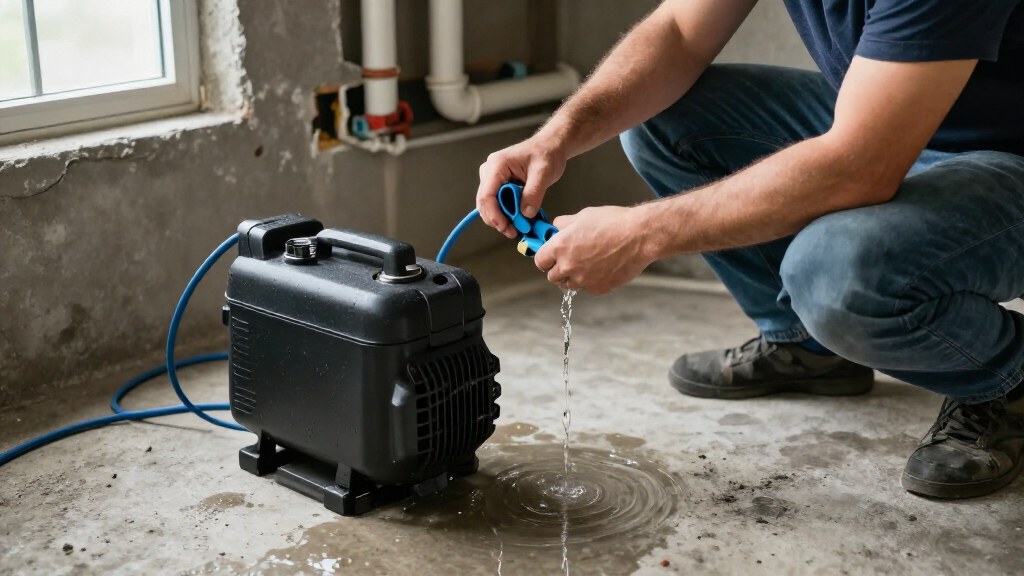
I organized the comparison around how each system protects a basement during a power loss or primary-pump failure: dedicated battery backups, integrated primary-and-backup systems, inverter-based setups, and the water-powered Zoeller. I weighed the practical value of system design, pump and power compatibility, monitoring, installation demands, battery dependence, and likely maintenance needs. I also considered whether a product’s setup suits a homeowner adding backup protection or replacing a complete sump system.
The ranking favors clear, purpose-built backup solutions and systems that reduce uncertainty about pairing components. The Basement Watchdog Special CONNECT takes the lead for its backup focus and connected monitoring; the WAYNE ESP25n ranks as a simpler dedicated alternative, while the Zoeller serves buyers who prefer a non-battery approach and have suitable water service. Inverter products rank according to their flexibility, with the caveat that buyers must verify pump startup requirements, battery compatibility, and runtime themselves. Combined systems earn a place for buyers who want a matched primary and backup arrangement, but they do not automatically outrank a dedicated backup for an existing sump installation.
Factors to Consider When Choosing Battery Backup Sump Pumps
Choosing a backup is less about picking the biggest number on a label and more about matching the system to your pump, power conditions, and willingness to maintain it. I would start with the failure scenario you need to cover, then check installation constraints and the demands of your existing equipment.
Match the backup style to your existing sump setup
Start by deciding whether you need a backup added to a working primary pump or a complete replacement arrangement. A dedicated backup can make sense when your current primary pump is dependable and you want a second line of defense. An integrated system may reduce the work of selecting compatible primary and backup components, but replacing functioning equipment can add needless installation work. Check the sump basin dimensions, discharge routing, and available room for another pump or control unit before buying. A system that cannot fit or connect cleanly is a poor choice regardless of its advertised capacity. Keep the primary pump and backup’s separate roles clear when comparing products.
Check startup demand, not just inverter wattage
Inverter listings often foreground continuous wattage, but a motor may draw more power briefly when it starts. That startup demand can affect whether an inverter can run a particular pump reliably. Compare the pump’s electrical requirements with the inverter’s continuous and surge ratings, and check whether the inverter supports the battery voltage and type you plan to use. Do not assume two systems with the same wattage label will behave alike with your pump. If the manufacturer does not clearly state compatibility, ask before buying or choose a matched system. This check matters especially when adapting an existing primary pump for backup use.
Estimate runtime around your outage pattern
A backup’s usefulness depends on how long it can operate under your home’s actual water conditions, not on an unqualified runtime claim. Pumping frequency, lift height, discharge restrictions, battery capacity, and battery condition all affect how long power lasts. Compare the battery requirements and charging setup, then think about whether outages in your area tend to last hours or longer. A larger battery may extend operation, but it also takes space and needs care. Avoid assuming that a new battery will retain the same performance indefinitely. If extended outages are a regular concern, plan how you will monitor battery health and restore power.
Weigh battery backup against water-powered backup
Battery systems depend on a charged, serviceable battery and an operating charger; a water-powered backup instead depends on municipal water pressure and supply. The water-powered route can avoid battery upkeep, but it may not suit homes on a private well or locations with unreliable water service. It also uses water while pumping, so local rules, water costs, and discharge arrangements deserve attention. A battery unit is usually the more direct fit for homes with suitable battery space and a reliable charging source. Neither approach protects against every failure, including blocked discharge lines. Choose based on the utilities your home can count on during the event you are planning for.
Treat monitoring as useful only if you will act on alerts
Connected alerts can tell you about a system condition while you are away, but they do not remove the need for inspection or a response plan. Check whether monitoring depends on Wi-Fi, an app, or a separate connection that could fail during the same outage. Consider who receives alerts and who can reach the basement if you are traveling. Local alarms can still matter when internet service is unavailable or a phone is muted. Buyers who rarely check apps may be better served by simple controls and a routine maintenance reminder. Monitoring adds the most value when it changes what you can do in time.
Plan for installation, testing, and ongoing upkeep
Before purchase, verify plumbing connections, check-valve needs, discharge compatibility, electrical access, and clearance in the basin. A preassembled unit may reduce component matching, but it can still require a suitable footprint and careful connection to the home’s plumbing. Battery systems need periodic inspection, charging checks, and replacement planning; water-powered systems need their own supply and valve checks. Test the backup by simulating a power interruption according to the manufacturer’s instructions rather than waiting for a storm. Keep the discharge path clear and confirm that water can leave the property safely. A backup that is installed but never checked can fail silently when called upon.
Frequently Asked Questions
Should I buy a dedicated backup or replace my primary pump with a combined system?
If your current primary pump works well and fits the basin, a dedicated backup can add outage protection without replacing equipment you already trust. A combined system is more appealing when the primary pump also needs replacement or you want a packaged pairing. Compare installation effort and compatibility, not just the number of pumps included. Check whether the combined unit fits your basin and discharge arrangement before choosing it. For an existing setup, a backup-only product may be the simpler route.
Can I use a 1500W or 2000W inverter with my existing sump pump?
Possibly, but the wattage label alone cannot confirm compatibility. Find the pump’s running draw and startup demand, then compare both with the inverter’s continuous and surge ratings. Check battery voltage, battery chemistry requirements, and charging support as well. A pump that exceeds the inverter’s startup capacity may fail to start even if its normal running draw appears low enough. If specifications are unclear, get confirmation from the inverter or pump manufacturer before relying on the pairing.
Is a water-powered backup a good choice if my home has a private well?
A water-powered unit such as the Zoeller 540 FLEX is generally a better fit where dependable municipal water pressure is available. A private well may not provide water during a power outage, since the well pump itself can depend on electricity. Check the backup’s operating requirements and your home’s water setup rather than assuming any tap can supply it. Also account for water consumption and local plumbing or discharge rules. If the well cannot operate during an outage, a battery-based backup is usually the more appropriate direction.
How do I estimate how long a battery backup will run during an outage?
Runtime depends on battery capacity and condition, how often the sump activates, how much water each cycle moves, and the lift and discharge conditions. A label or example runtime may reflect a specific test setup that differs from your basement. Look for the manufacturer’s stated assumptions and ask how the estimate changes with your pump load. Plan for battery aging rather than treating a new battery’s performance as permanent. If outages can last a long time, consider how you will check the system and restore power before the battery is depleted.
What should I do if my basement has limited sump-pit space?
Measure the pit’s diameter and depth, then compare those figures with the pump, float, and control-unit installation requirements. A second pump may need room to move freely and activate its float without interference from the primary pump or pit walls. Check where the battery and charger can sit, since they may not fit inside the basin. Compactness claims do not replace a clearance check against the installation instructions. If the pit cannot safely accommodate the chosen setup, ask a qualified installer about an alternate arrangement before purchasing.
Conclusion
For most homeowners adding outage protection to an existing sump, I would start with the Basement Watchdog Special CONNECT as the best overall choice, especially if connected monitoring is useful to your household. The WAYNE ESP25n is my pick for a simpler dedicated battery backup, while the Basement Watchdog CITS-50 suits buyers who want a matched primary-and-backup system rather than a bolt-on unit. For a premium-oriented setup, compare the Wayne WSS30VN and Westinghouse WH50BBU if you are replacing or building out a complete system. The Zoeller 540 FLEX is the specific choice for homes with dependable municipal water service that prefer not to rely on a backup battery. If you are new to the category, favor a clearly matched system and straightforward installation over an inverter you must size yourself; choose an inverter option only after confirming pump compatibility and battery requirements.
Halloween Picks

12.2 ft Halloween Inflatable Outdoor Decoration – Giant Pumpkin

3 ft. Halloween Groundbreaker Skeleton for Outdoor Decoration

Vexalify 11-Inch Halloween Pumpkin Fog Machine with Bluetooth Speaker and 12-Color LED Lights
As an affiliate, we earn on qualifying purchases.