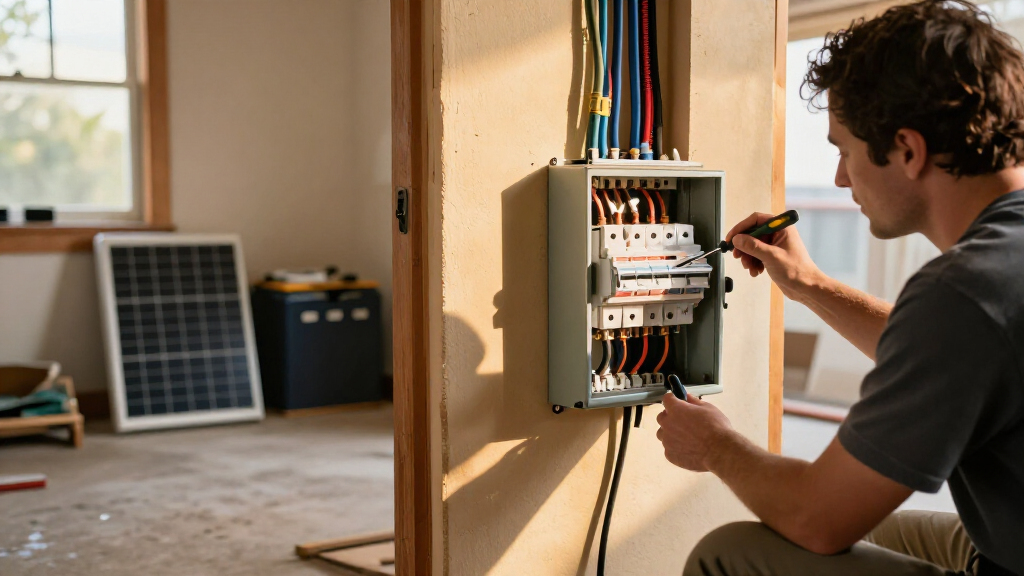

Whole house surge protectors help limit damaging voltage spikes at your electrical panel, but the best choice depends on panel compatibility, surge capacity, installation location, and whether you want extra monitoring. I’d start with the Siemens Boltshield FSPD140 as the best overall pick because its listed 140 kA rating gives it the strongest stated capacity among these options. The Square D HEPD80 is a strong middle-ground choice, while the ABB THOMESURGEP stands out for buyers who need a Type 1 device with a weather-resistant enclosure. The main tradeoff is between higher listed capacity and practical fit: a stronger rating is not useful if the device is incompatible with your panel or installed incorrectly. Read on for the full breakdown, selection criteria, and advice on matching a protector to your home.

Get backup power and energy gear delivered free with Prime
- Fast, free delivery on millions of items
- Prime Video, Amazon Music and more included
- Member-only deals all year
Key Takeaways
- The Siemens FSPD140 leads on stated surge capacity: its 140 kA rating is the highest listed here, though panel fit and professional installation still matter.
- The Square D HEPD80 offers a middle-ground rating: its listed 80 kA capacity avoids the lowest-capacity tier without moving to the highest-rated devices.
- Type and enclosure change the installation choice: Type 1 options such as the ABB THOMESURGEP and Leviton R2120-B differ from Type 2 models intended for a different connection point.
- Panel compatibility is a bigger filter than brand alone: the Eaton BR and CH products, Siemens QSPD model, and Drizzlen BR 3-pack are tied to specific panel families or configurations.
- Several products share a 36 kA class: Siemens FSPD036, Siemens QSPD2A035B, and Furniqro FHSPD36S make compatibility, enclosure, documentation, and installation fit key comparison points.
| Siemens Boltshield FSPD140 Whole-House Surge Protection Device, 120/240V, 140 kA |  | Best for Higher Surge Capacity | Model: FSPD140 | Protection type: Level 2 whole-house surge protection | Voltage: 120/240 V | VIEW LATEST PRICE | See Our Full Breakdown |
| Drizzlen Type BR Whole-Panel Circuit Breaker Surge Protective Device, 3-Pack |  | Best Multi-Unit Pack | Brand: Drizzlen | Model: ET003 | Part number: BRSURGE | VIEW LATEST PRICE | See Our Full Breakdown |
| Eaton Type BR Two-Pole Circuit Breaker Surge Protective Device |  | Best Single Type BR Panel Pick | Brand: Eaton | Model: BRNSURGE | Part number: BRSURGE | VIEW LATEST PRICE | See Our Full Breakdown |
| Eaton CHSPT2SURGE Type 2 Whole-Home Surge Protector | 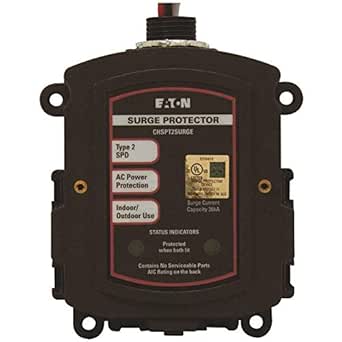 | Best for Broad Load-Center Compatibility | Model: CHSPT2SURGE | Type: Type 2 surge protector | Voltage and phase: 120/240 VAC; single phase | VIEW LATEST PRICE | See Our Full Breakdown |
| Siemens BoltShield FSPD100 Level 2 Whole-House Surge Protection Device, 100 kA, 120/240 V |  | Best Lower-Capacity Siemens Alternative | Brand: Siemens | Model: FSPD100 | Protection type: Level 2 whole-house surge protection | VIEW LATEST PRICE | See Our Full Breakdown |
| Gloyatin HSPD-25 Whole-Home Surge Protective Device, Type 1, 120/240 VAC |  | Best for Flexible Installation | Type: Type 1 SPD | Voltage: 120/240 VAC | Surge capacity: Options listed up to 25/50/80 kA; specific unit rating not identified | VIEW LATEST PRICE | See Our Full Breakdown |
| Intermatic IG2240-IMSK Smart Guard Whole-House Surge Protector, 120/240 VAC |  | Best for Maintainable Protection | Voltage: 120/240 VAC | Module count: 3 replaceable IModules | Surge protection technology: TPMOV (Thermally Protected Metal Oxide Varistor) | VIEW LATEST PRICE | See Our Full Breakdown |
| Siemens QSPD2A035B 35 kA BoltShield Indoor Surge Protective Device |  | Best Plug-In Pick for Compatible Siemens Panels | Surge current protection: 35 kA per phase | Voltage: 240 volts | Poles: 2 | VIEW LATEST PRICE | See Our Full Breakdown |
| Siemens BoltShield FSPD036 Level 2 Whole-House Surge Protection Device, 36 kA, 120/240 V |  | Best for Outdoor Panel-Side Installation | Protection level: Level 2 | Voltage: 120/240 V | Enclosure: Type 4 outdoor-rated | VIEW LATEST PRICE | See Our Full Breakdown |
| Square D HEPD80 Universal Whole House Surge Protection Device, 1-Phase, 3-Wire for 120/240V, 80kA |  | Best for Higher Listed Surge Capacity | System configuration: 1-phase, 3-wire | Voltage: 120/240 V in title; 600 V listed in supplied specifications | Maximum current: 80 kA | VIEW LATEST PRICE | See Our Full Breakdown |
| Leviton R2120-B Type 1 Residential Surge Protective Panel |  | Best for Type 1 Residential Installation | Device type: Type 1 surge protective device | Application: Residential | Voltage and phase: 120/240 VAC, split phase | VIEW LATEST PRICE | See Our Full Breakdown |
| ABB THOMESURGEP Whole-Home Surge Protective Device, Type 1, NEMA 3R |  | Best for Broad Panel Compatibility | Device type: Type 1 surge protective device | Voltage: 120/240 V and 120/208 V AC | Surge capacity: 36 kA per phase | VIEW LATEST PRICE | See Our Full Breakdown |
| Eaton CHSPT2SURGE10 Whole-Home Surge Protector |  | Best for Higher Stated Surge Capacity | Model: CHSPT2SURGE10 | Device type: Type 2 surge protective device | Surge current capacity: 60 kA | VIEW LATEST PRICE | See Our Full Breakdown |
| Furniqro FHSPD36S Whole-House Surge Protector, 36,000 A, 120/240 V |  | Best Compact Basic Option | Model: FHSPD36S | Voltage: 120/240 V | Frequency: 60 Hz | VIEW LATEST PRICE | See Our Full Breakdown |
| Furniqro FHSPD108S Whole-House Surge Protector, 108,000 A, 120/240 V |  | Best for a Higher Headline Capacity | Model: FHSPD108S | Maximum current: 108,000 A | Voltage: 120/240 V | VIEW LATEST PRICE | See Our Full Breakdown |
| whole house surge protector | Voltage | Model |
|---|---|---|
| Siemens Boltshield FSPD140 Who | 120/240 V | FSPD140 |
| Drizzlen Type BR Whole-Panel C | — | ET003 |
| Eaton Type BR Two-Pole Circuit | 240 V | BRNSURGE |
| Eaton CHSPT2SURGE Type 2 Whole | — | CHSPT2SURGE |
| Siemens BoltShield FSPD100 Lev | 120/240 V | FSPD100 |
| Gloyatin HSPD-25 Whole-Home Su | 120/240 VAC | HSPD-25 |
| Intermatic IG2240-IMSK Smart G | 120/240 VAC | — |
| Siemens QSPD2A035B 35 kA BoltS | 240 volts | — |
| Siemens BoltShield FSPD036 Lev | 120/240 V | — |
| Square D HEPD80 Universal Whol | 120/240 V in title; 600 V listed in supplied specifications | — |
| Leviton R2120-B Type 1 Residen | — | — |
| ABB THOMESURGEP Whole-Home Sur | 120/240 V and 120/208 V AC | — |
| Eaton CHSPT2SURGE10 Whole-Home | 240 volts | CHSPT2SURGE10 |
| Furniqro FHSPD36S Whole-House | 120/240 V | FHSPD36S |
| Furniqro FHSPD108S Whole-House | 120/240 V | FHSPD108S |
More Details on Our Top Picks
Siemens Boltshield FSPD140 Whole-House Surge Protection Device, 120/240V, 140 kA
The Siemens Boltshield FSPD140 is the strongest fit here for buyers prioritizing a high stated surge-current capacity: its 140 kA rating exceeds the FSPD100’s 100 kA rating. It is designed to address surges generated both outside and inside the home, while thermally protected MOVs and a red replacement indicator with an audible alarm give homeowners a way to notice when the device may need attention. Its Type 4 polycarbonate enclosure supports indoor or outdoor placement, unlike panel-mounted options such as the Eaton Type BR device. The tradeoff is installation: this is a parallel-connected device mounted beside electrical equipment, not a simple substitute for a branch breaker. Its replacement alert is useful, but it also means protection may need to be restored by replacing the unit after a significant event.
Pros:- 140 kA surge-current rating is the highest among these five products.
- Visual replacement flag and audible alarm signal when the device may need replacement.
- Type 4 enclosure supports indoor or outdoor installation.
- Thermally protected MOVs are specified for surge protection.
Cons:- Requires parallel connection next to electrical equipment, so installation is less like swapping in a panel breaker.
- A surge can trigger a replacement alert, meaning the device may need replacement to restore protection.
- The product data does not specify installation dimensions or a detailed connection procedure.
Best for: Homeowners seeking a high-capacity, indoor-or-outdoor whole-house device with both visual and audible replacement alerts.
Not ideal for: Buyers who need a panel-mounted breaker-style unit or want an installation approach that does not require parallel connection beside electrical equipment.
- Model:FSPD140
- Protection type:Level 2 whole-house surge protection
- Voltage:120/240 V
- Installation:Indoor or outdoor; parallel connected
- Protection components:Thermally protected MOVs
- Indicators:Red replacement flag and audible alarm
- Enclosure material:Polycarbonate
- Warranty:10 years; 100K warranty
Our verdict“Choose the FSPD140 if a high stated surge-current rating and audible replacement warning matter more than a breaker-style installation.”
Drizzlen Type BR Whole-Panel Circuit Breaker Surge Protective Device, 3-Pack
The Drizzlen Type BR three-pack stands apart from the other picks because it supplies three panel-mounted surge devices rather than one external unit. Each device is rated at 18 kA and uses two branch-circuit spaces, making this a panel-specific option rather than a universal whole-house add-on. Compared with the Eaton Type BR device, the listed surge rating is the same, but Drizzlen includes three units in the package. That quantity may suit buyers outfitting several compatible panels or keeping matching units on hand; it does not mean one device offers more protection than Eaton’s single unit. The main tradeoff is fit: buyers need the appropriate Type BR-compatible panel arrangement and must give up two spaces per device. The available product details also say little about indicators, enclosure, or replacement monitoring.
Pros:- Three surge protective devices are included.
- Panel-mounted design connects at the electrical panel rather than requiring a separate external enclosure.
- Listed 18 kA surge-current rating.
- Two-pole design uses two branch-circuit spaces.
Cons:- Each unit occupies two branch-circuit spaces, which may be a problem in a crowded panel.
- The provided data does not specify status indicators, audible alerts, or enclosure rating.
- Type BR panel compatibility limits its fit compared with the Eaton CHSPT2SURGE, which is described as compatible with load centers from any manufacturer.
Best for: Property owners or electricians equipping multiple compatible Type BR panels who value receiving three panel-mounted devices in one package.
Not ideal for: Homeowners with a non-compatible load center, limited panel space, or a preference for a single external device with specified status alerts.
- Brand:Drizzlen
- Model:ET003
- Part number:BRSURGE
- Device type:Circuit breaker surge protective device
- Mounting:Panel mount
- Poles:2
- Branch-circuit spaces:2 per device
- Pack quantity:3
Our verdict“Pick this three-pack when you need multiple Type BR panel devices and have the panel compatibility and space to install them.”
Eaton Type BR Two-Pole Circuit Breaker Surge Protective Device
The Eaton Type BR two-pole device is the straightforward single-unit choice for buyers whose panel setup calls for a Type BR surge protective breaker. It is specified for 240 V and an 18 kA rating, matching the listed rating of the Drizzlen three-pack’s individual units while avoiding a multi-unit bundle. Unlike the Eaton CHSPT2SURGE, which mounts on a wall and connects through a dedicated circuit breaker, this model is panel-mounted and uses a two-pole design. That can make it the more fitting choice when the panel format is the priority. The limitation is sparse performance information: the supplied details do not describe status lights, audible warnings, or other monitoring features. It also should not be treated as a universal fit; buyers need to confirm their panel accepts this Type BR device.
Pros:- Two-pole panel-mounted format is suited to compatible Type BR installations.
- Specified for 240 V.
- Listed 18 kA surge-current rating.
- Single-unit package avoids buying the Drizzlen three-pack when only one device is needed.
Cons:- Panel compatibility must be checked before purchase.
- Provided product data offers limited detail about protection performance and monitoring.
- No visual or audible status indicator is listed in the supplied specifications.
Best for: Homeowners with a compatible Type BR load center who want one panel-mounted, two-pole surge protective device.
Not ideal for: Buyers with another panel format, those who need specified diagnostic alerts, or shoppers comparing options by detailed surge-performance information.
- Brand:Eaton
- Model:BRNSURGE
- Part number:BRSURGE
- Circuit breaker type:Standard
- Mounting:Panel mount
- Poles:2
- Voltage:240 V
- Item weight:5.6 oz
Our verdict“Choose this Eaton when you need one 240 V, two-pole surge device for a compatible Type BR panel and do not need documented alert features.”
Eaton CHSPT2SURGE Type 2 Whole-Home Surge Protector
The Eaton CHSPT2SURGE is the clearest fit here for homeowners who want a separate Type 2 device without choosing a brand-specific breaker format: it is described as compatible with load centers from any manufacturer. Its NEMA 4 enclosure and wall-mount design offer a different installation path from the panel-mounted Eaton Type BR and Drizzlen devices. Eaton also lists LED status indication, so buyers get a visible status cue that is not specified for those breaker-style alternatives. This model’s stated surge-current capacity is 22 kA, with 36 kA per phase listed; those figures are well below the Siemens FSPD100 and FSPD140 ratings, so buyers focused on higher stated capacity may prefer those models. Installation still requires a dedicated circuit breaker and must follow NEC guidelines, making professional installation a practical consideration.
Pros:- Described as compatible with load centers from any manufacturer.
- NEMA 4 enclosure and wall-mount design provide a distinct alternative to panel-mounted breaker devices.
- LED status indication gives a visible operating-status cue.
- Quick-connect design supports mounting cable protection modules.
Cons:- Requires connection through a dedicated circuit breaker.
- Installation must follow NEC guidelines.
- Its listed 22 kA surge-current capacity is lower than the Siemens FSPD100 and FSPD140 ratings.
Best for: Homeowners who want a wall-mounted Type 2 device compatible with load centers across manufacturers and value an LED status indicator.
Not ideal for: Buyers prioritizing the highest stated surge-current capacity or seeking a device that avoids a dedicated breaker connection and code-compliant installation.
- Model:CHSPT2SURGE
- Type:Type 2 surge protector
- Voltage and phase:120/240 VAC; single phase
- Enclosure:NEMA 4
- Frequency:60 Hz
- Maximum continuous operating voltage:150 V L–N; 300 V L–L
- Nominal discharge current:5 kA
- Surge current capacity:22 kA; 36 kA per phase
- Mounting:Wall mount
Our verdict“Choose the CHSPT2SURGE for broad load-center compatibility and LED status monitoring if its lower listed surge capacity suits your priorities.”
Siemens BoltShield FSPD100 Level 2 Whole-House Surge Protection Device, 100 kA, 120/240 V
The Siemens BoltShield FSPD100 keeps the external parallel-mount format and alert-focused approach of the FSPD140, but lists a lower 100 kA surge-current rating. That makes it a sensible alternative for buyers who want Siemens’ described whole-house protection for internally and externally generated surges without choosing the higher-capacity FSPD140. The two models share indoor-or-outdoor suitability and visual plus audible replacement warnings, so the main documented distinction in this lineup is the rating rather than a different monitoring approach. Compared with the Eaton CHSPT2SURGE, the FSPD100 has a much higher listed surge-current rating, but it does not offer the Eaton model’s stated compatibility with load centers from any manufacturer. Its external parallel mounting also calls for space beside electrical equipment, so it is less suited to buyers seeking a panel-mounted breaker-style device.
Pros:- 100 kA surge-current rating for whole-house protection.
- Described as protecting against internally and externally generated surges.
- Visual replacement indicator and audible alarm provide status warnings.
- Indoor-or-outdoor installation suitability is specified.
Cons:- Requires external parallel mounting next to electrical equipment.
- Its 100 kA rating is lower than the FSPD140’s 140 kA rating.
- The supplied specifications do not list enclosure material or warranty details.
Best for: Homeowners who want Siemens’ external, indoor-or-outdoor whole-house format and replacement alerts, but do not need the FSPD140’s higher listed rating.
Not ideal for: Buyers who prioritize the highest available listed capacity, need a breaker-style panel device, or want stated compatibility with load centers from any manufacturer.
- Brand:Siemens
- Model:FSPD100
- Protection type:Level 2 whole-house surge protection
- Voltage:120/240 V
- Poles:3
- Mounting type:External parallel
- Circuit breaker type:Standard
- Installation suitability:Indoor or outdoor
Our verdict“Choose the FSPD100 if you want Siemens’ alert-equipped external format and its 100 kA rating is sufficient for your selection.”
Gloyatin HSPD-25 Whole-Home Surge Protective Device, Type 1, 120/240 VAC
The Gloyatin HSPD-25 stands out for buyers who need a Type 1 device that can be installed indoors or outdoors and is described as compatible with breakers from any brand. That flexibility contrasts with the Siemens QSPD2A035B, which plugs directly into compatible Siemens load centers but is limited to that ecosystem. Gloyatin lists surge-capacity options of 25/50/80 kA, but the supplied details do not identify which rating applies to this specific unit, making direct capacity comparisons difficult. The larger concern is the lack of installation requirements: panel work calls for careful compatibility checks and may need a qualified electrician. I would shortlist it when installation location and breaker-brand flexibility matter more than clearly documented capacity or setup guidance.
Pros:- Type 1 design intended to protect appliances connected to the home’s electrical system
- Listed as compatible with circuit breakers from any brand
- Suitable for indoor or outdoor installation
- Compact design may fit installations with limited space
Cons:- The listed 25/50/80 kA options do not identify the rating for this unit
- Installation details and requirements are not provided
- No status indicator or replaceable-module feature is listed
Best for: Homeowners or electricians seeking a Type 1 SPD for indoor or outdoor placement across different breaker brands, provided the exact capacity and installation requirements are confirmed.
Not ideal for: Buyers who need a clearly specified surge rating or detailed installation guidance before choosing a panel-connected device.
- Type:Type 1 SPD
- Voltage:120/240 VAC
- Surge capacity:Options listed up to 25/50/80 kA; specific unit rating not identified
- Poles:2
- Mounting:Wall mount
- Installation location:Indoor or outdoor
- Circuit breaker type:Standard; stated compatible with any brand
- Model:HSPD-25
Our verdict“Choose the Gloyatin when broad breaker compatibility and flexible mounting locations matter most, but verify the exact surge rating and installation requirements first.”
Intermatic IG2240-IMSK Smart Guard Whole-House Surge Protector, 120/240 VAC
The Intermatic IG2240-IMSK is the lineup’s clearest choice for buyers who value serviceability over a simple, sealed-and-replace approach. Its three replaceable IModules, LED status indicators, and disconnect switch make it possible to monitor protection and replace modules without swapping the entire device. That is a more maintenance-oriented design than the Siemens BoltShield FSPD036, which offers LED monitoring and an outdoor-rated enclosure but does not list replaceable modules. Intermatic also specifies TPMOV technology and UL listing to ANSI/UL 1449 3rd edition. The tradeoff is that it must be wired to the main breaker panel, and modules may need replacement over time. Its Type 1 enclosure is intended for indoor metal applications, so it is not the pick for an exposed outdoor mounting location.
Pros:- Three replaceable IModules allow module maintenance without replacing the whole SPD
- LED indicators show power and protection status
- Disconnect switch supports module replacement
- TPMOV technology and UL listing are specified
Cons:- Requires wiring to the main breaker panel
- Protection modules may require replacement
- Type 1 enclosure is specified for indoor metal applications, not outdoor use
Best for: Homeowners and electricians who want visible protection status and replaceable surge modules for a main-panel installation.
Not ideal for: Buyers who need an outdoor-rated enclosure, a plug-in installation, or a device that avoids future module replacement.
- Voltage:120/240 VAC
- Module count:3 replaceable IModules
- Surge protection technology:TPMOV (Thermally Protected Metal Oxide Varistor)
- Enclosure:Type 1; indoor metal applications
- Status monitoring:LED indicators
- Disconnect:Disconnect switch included
- Certification:UL Listed to ANSI/UL 1449 3rd edition
- Weight:7 pounds
- Warranty:10 years; $50,000 connected equipment warranty
Our verdict“Pick the Intermatic if replaceable modules and clear status monitoring matter more than outdoor installation or a plug-in format.”
Siemens QSPD2A035B 35 kA BoltShield Indoor Surge Protective Device
For a home with a compatible Siemens load center, the QSPD2A035B offers a notably compact route to panel-based surge protection: it plugs directly into the load center instead of requiring a separately mounted enclosure. Its 35 kA-per-phase rating and mechanical green/red indicators give buyers a defined capacity and a simple visual status check. This makes it more straightforward to compare on capacity than the Gloyatin HSPD-25, whose listed 25/50/80 kA options do not identify the rating for the specific unit. The limitation is compatibility: this is not a universal whole-home choice, and its indoor-only design narrows placement options compared with the Siemens BoltShield FSPD036, which has a Type 4 outdoor-rated enclosure. I would skip it if the panel brand or exact load-center compatibility is uncertain.
Pros:- Plugs directly into compatible Siemens load centers
- Provides 35 kA of surge-current protection per phase
- Green and red mechanical indicators show protection status
- Compact body weighs 6.4 ounces
Cons:- Designed for compatible Siemens load centers rather than broad panel compatibility
- Indoor use only, unlike the outdoor-rated Siemens BoltShield FSPD036
- Status indicators are mechanical rather than LED
Best for: Homeowners with a compatible Siemens load center who want a compact, direct plug-in SPD and a defined per-phase rating.
Not ideal for: Buyers with another panel brand, an outdoor installation need, or a preference for LED status monitoring.
- Surge current protection:35 kA per phase
- Voltage:240 volts
- Poles:2
- Mounting:Plug-in
- Panel compatibility:Compatible Siemens load centers
- Status indicators:Green and red mechanical indicators
- Dimensions:2 in D x 2.6 in W x 3 in H
- Weight:6.4 ounces
- Warranty:3 years; $10,000 standard warranty
Our verdict“Choose this Siemens model for a compatible indoor Siemens panel when direct plug-in installation and a stated per-phase rating are priorities.”
Siemens BoltShield FSPD036 Level 2 Whole-House Surge Protection Device, 36 kA, 120/240 V
The Siemens BoltShield FSPD036 fits buyers who need a 36 kA Level 2 SPD that can sit beside electrical equipment or inside a load center. Its Type 4 outdoor-rated enclosure is the main differentiator: compared with the indoor-only Siemens QSPD2A035B, it gives installers more flexibility when the preferred mounting location is exposed. LED monitoring also makes protection status easy to check. The tradeoff is a less direct installation path than the QSPD2A035B’s plug-in format: this model requires an external parallel connection, and the supplied details say no plug is included. The listed description also does not provide the same depth of connection or capacity detail as some alternatives, so I would confirm wiring requirements with the installer before selecting it.
Pros:- Type 4 enclosure is rated for outdoor installation
- LED status monitoring provides a clear protection-status check
- Can be mounted beside electrical equipment or inside a load center
- Listed to protect against internally and externally generated surges
Cons:- Requires an external parallel connection for installation
- No plug is included
- Supplied details do not specify the surge rating on a per-phase basis
Best for: Homeowners and electricians who need an outdoor-rated SPD for mounting beside electrical equipment or within a load center.
Not ideal for: Buyers seeking a plug-in device, detailed installation instructions, or an explicitly stated per-phase surge rating.
- Protection level:Level 2
- Voltage:120/240 V
- Enclosure:Type 4 outdoor-rated
- Enclosure material:Polycarbonate
- Status monitoring:LED
- Installation:External parallel connection; mounts beside equipment or inside a load center
- Warranty:3 years
Our verdict“Choose the FSPD036 when outdoor-rated placement and LED monitoring outweigh the added wiring work of a parallel-connected installation.”
Square D HEPD80 Universal Whole House Surge Protection Device, 1-Phase, 3-Wire for 120/240V, 80kA
The Square D HEPD80 is the strongest fit here for buyers prioritizing a clearly listed 80 kA maximum current in a compact device for a residential load center. That figure gives it a higher stated capacity than the 35 kA Siemens QSPD2A035B and the 36 kA Siemens FSPD036, though the supplied data does not describe the rating on the same per-phase basis as the QSPD2A035B. Its LED replacement indicator gives owners a visible prompt when the unit needs attention, while the polycarbonate-and-rubber enclosure supports a compact panel installation. This is still a panel-connected surge device, not a standalone outlet protector, and the listed single-phase, three-wire configuration rules it out for other system types. I would confirm the voltage and wiring details before purchase, since the supplied specs also list 600 V.
Pros:- Lists an 80 kA maximum-current rating
- LED indicator alerts when the unit needs replacement
- Compact design intended for residential load centers
- Designed to protect downstream home appliances, electronics, HVAC, and smart-home equipment
Cons:- Limited to single-phase applications
- Does not provide outlet protection on its own
- Supplied specs list 600 V despite the product title specifying 120/240 V
Best for: Owners of single-phase, 120/240 V homes who want a compact load-center SPD with an explicitly listed 80 kA maximum-current figure and LED replacement alert.
Not ideal for: Buyers with multi-phase systems, those seeking outlet-level protection, or anyone who needs the voltage specification clarified before selecting a panel device.
- System configuration:1-phase, 3-wire
- Voltage:120/240 V in title; 600 V listed in supplied specifications
- Maximum current:80 kA
- Installation:Residential load center
- Status indicator:LED replacement indicator
- Enclosure material:Polycarbonate and rubber
- Weight:14.88 ounces
- Number of outlets listed:6
Our verdict“Choose the HEPD80 for a single-phase residential panel when its listed 80 kA maximum-current rating suits your priorities, after confirming the voltage and installation details.”
Leviton R2120-B Type 1 Residential Surge Protective Panel
The Leviton R2120-B is the Type 1 choice here for buyers focused on a residential 120/240 VAC split-phase system. Its thermally protected MOVs and LED status indicator provide protection-status information at the device, while the NEMA 4X enclosure suits installations that need a more weather-resistant housing. Its listed 18 kA per mode and 36 kA per phase capacity gives a useful point of comparison with the ABB THOMESURGEP, which also offers 36 kA per phase and broader stated voltage-system support. The Leviton is more specifically described for residential split phase; the ABB explicitly supports 120/208 V as well. Buyers should confirm panel compatibility and installation requirements with an electrician, since this is not an outlet-level plug-in protector.
Pros:- Type 1 protection specified for residential split-phase systems
- NEMA 4X-rated enclosure
- LED status monitoring
- Thermally protected MOVs
Cons:- System and panel compatibility may need professional review
- Does not provide individual outlet-level protection
Best for: Homeowners with a 120/240 VAC split-phase system seeking a Type 1 device with LED monitoring and a NEMA 4X enclosure.
Not ideal for: Buyers who need a plug-in protector, outlet-by-outlet protection, or a device explicitly specified for 120/208 V systems.
- Device type:Type 1 surge protective device
- Application:Residential
- Voltage and phase:120/240 VAC, split phase
- Maximum surge current:18 kA per mode / 36 kA per phase
- Nominal discharge current:10 kA
- VPR performance:L-N: 700; L-L: 1200
- Enclosure:NEMA 4X
- Status monitoring:LED
- Listing:UL 1449
Our verdict“Choose the Leviton for a residential split-phase Type 1 installation where enclosure rating and LED status checks matter.”
ABB THOMESURGEP Whole-Home Surge Protective Device, Type 1, NEMA 3R
The ABB THOMESURGEP stands out for homeowners who want a Type 1 device that mounts outside the load center, leaving breaker spaces free. Its stated compatibility with load centers from any brand, plus support for both 120/240 V and 120/208 V AC, gives it a broader fit on paper than the Leviton R2120-B, whose listed application is residential split phase. The ABB provides 36 kA per phase and includes an LED indicator, but it is not a substitute for protection at individual outlets. Its NEMA 3R enclosure allows outdoor use, though the product is specified for US electrical systems and still needs proper hardwired installation. I’d favor it when panel-space preservation and system flexibility matter more than a higher stated capacity figure.
Pros:- External wall mounting does not occupy breaker spaces
- Compatible with load centers from any brand, as specified
- Supports 120/240 V and 120/208 V AC systems
- NEMA 3R enclosure and LED indicator
Cons:- Installation requires a hardwired electrical connection
- Does not provide individual outlet-level surge protection
- Specified for US electrical systems
Best for: Homeowners seeking an externally mounted Type 1 device that preserves breaker spaces and fits a range of compatible load centers.
Not ideal for: Buyers outside US electrical systems or anyone seeking outlet-level protection or a plug-in installation.
- Device type:Type 1 surge protective device
- Voltage:120/240 V and 120/208 V AC
- Surge capacity:36 kA per phase
- Nominal discharge current:10 kA
- Mounting:External wall mount
- Connection:Pigtail
- Enclosure:NEMA 3R
- Indicator:LED
- Certifications:UL listed and ANSI certified
Our verdict“Pick the ABB when external mounting, broad stated load-center compatibility, and 120/208 V support are priorities.”
Eaton CHSPT2SURGE10 Whole-Home Surge Protector
The Eaton CHSPT2SURGE10 is the Type 2 pick for buyers who prioritize a higher stated surge-current capacity: 60 kA, compared with 36 kA per phase for the ABB THOMESURGEP and Leviton R2120-B. It is hardwired at the electrical panel and can be installed indoors or outdoors, so it suits a fixed whole-home setup rather than someone looking for a plug-in device. LED indicators give a visible status cue, while UL listing and NEC compliance are useful selection details. The tradeoff is that its Type 2 classification differs from the Type 1 options in this group, and installation calls for panel work; the supplied data also does not identify a specific enclosure rating. I’d shortlist it for capacity and placement flexibility, not for simple DIY setup.
Pros:- 60 kA stated surge-current capacity
- Rated for indoor or outdoor installation
- LED indicators show protection status
- UL listed and NEC compliant
Cons:- Hardwired panel installation may require a professional
- No plug or outlet-level connection
- No enclosure rating is provided in the supplied specifications
Best for: Homeowners seeking a hardwired Type 2 panel device with 60 kA stated surge capacity and indoor/outdoor placement flexibility.
Not ideal for: Buyers who need a plug-in protector, want a Type 1 device, or are not prepared to arrange electrical-panel installation.
- Model:CHSPT2SURGE10
- Device type:Type 2 surge protective device
- Surge current capacity:60 kA
- Voltage:240 volts
- Installation:Hardwired
- Use:Indoor or outdoor
- Dimensions:5 × 5 inches
- Weight:15.6 ounces
- Certifications:UL listed; NEC compliant
Our verdict“Choose the Eaton when its 60 kA stated capacity and indoor/outdoor use fit your Type 2 panel-protection plan.”
Furniqro FHSPD36S Whole-House Surge Protector, 36,000 A, 120/240 V
The Furniqro FHSPD36S is a straightforward pick for buyers who want a compact wall-mounted device rated for 120/240 V, 60 Hz service and indoor or outdoor placement. Its LED indicators provide a quick status check, and the supplied details state compatibility with all brands of load centers and circuit breakers. That makes it a simpler fit to assess than the more specifically documented Leviton R2120-B, which lists Type 1 construction, UL 1449, and defined surge-performance figures. The Furniqro’s listed 36,000 A headline does not come with comparable detail on nominal discharge current, enclosure rating, or certification in the supplied data. A missing warranty listing is another reason to verify documentation before purchase. I’d choose it only when its basic fit is confirmed by an electrician.
Pros:- Supports 120/240 V systems at 60 Hz
- Specified for indoor or outdoor installation
- LED status indicators
- Compatibility with all brands of load centers and breakers is stated
Cons:- No warranty is listed
- Supplied details do not state a UL listing or device type
- Installation should be handled by an electrician familiar with surge protection
Best for: Homeowners seeking a compact wall-mounted unit for a 120/240 V, 60 Hz system, with compatibility confirmed by an electrician.
Not ideal for: Buyers who want a listed Type 1 or Type 2 classification, published technical protection details, or a stated warranty.
- Model:FHSPD36S
- Voltage:120/240 V
- Frequency:60 Hz
- Mounting:Wall mount
- Installation:Indoor or outdoor
- Circuit breaker type:Standard
- Number of poles:1
- Status indicators:LED
- Warranty:None listed
Our verdict“Consider the FHSPD36S only if an electrician confirms its system fit and you are comfortable with the limited published protection details.”
Furniqro FHSPD108S Whole-House Surge Protector, 108,000 A, 120/240 V
The Furniqro FHSPD108S is positioned around its stated 108,000 A maximum current, a much larger headline figure than the 36,000 A listed for the FHSPD36S. That difference may catch buyers comparing capacity figures, but the supplied specifications do not give the same supporting detail found for the Eaton CHSPT2SURGE10, which identifies a 60 kA surge-current capacity alongside a Type 2 classification and UL listing. The FHSPD108S supports 120/240 V, 60 Hz systems, allows indoor or outdoor installation, and includes LED status indicators in a compact commercial-grade enclosure. Its data does not specify a device type, certification, warranty, or detailed discharge ratings, so the larger number alone is not enough to establish which unit better fits a panel. I’d have an electrician verify the full documentation before choosing it.
Pros:- 108,000 A maximum current is stated
- Supports 120/240 V, 60 Hz systems
- Indoor and outdoor installation is supported
- Compact commercial-grade enclosure with LED indicators
Cons:- Supplied specifications do not state a UL listing or device type
- No warranty is listed in the supplied data
- Electrician review is needed to confirm installation and protection requirements
Best for: Homeowners comparing higher stated maximum-current figures who can have an electrician verify device classification, certification, and panel compatibility.
Not ideal for: Buyers who need clearly stated UL certification, a defined Type 1 or Type 2 classification, or published nominal discharge and enclosure ratings.
- Model:FHSPD108S
- Maximum current:108,000 A
- Voltage:120/240 V
- System frequency:60 Hz
- Installation:Indoor or outdoor
- Enclosure:Commercial-grade
- Status indicators:LED
- Weight:0.46 kg
- Number of items:1
Our verdict“Shortlist the FHSPD108S only when its higher stated maximum-current figure is backed by documentation your electrician approves.”

How We Picked
I ranked these whole-home surge protectors by the factors that determine whether a device is a sensible match for a real electrical system: stated surge capacity, device type, voltage and phase fit, panel compatibility, enclosure suitability, and clarity of the product information. A listed kA rating helps compare stated capacity, but it does not tell the whole story; a buyer also needs to know where the device connects, whether the panel accepts it, and what installation the manufacturer specifies.
The Siemens FSPD140 ranks first because it pairs a high stated capacity with a broad residential 120/240 V description. Other positions reflect different strengths rather than a claim that every home needs a higher rating: the Square D HEPD80 is a practical middle tier, Type 1 and outdoor-enclosure options suit distinct installations, and lower-capacity or panel-specific devices make more sense when fit and simplicity outweigh headline capacity. I gave less weight to products whose supplied names provide limited detail, and I treat the Drizzlen three-pack as a specialized panel-specific choice rather than a universal upgrade.
Factors to Consider When Choosing Whole House Surge Protectors
Before choosing from this list, I’d narrow the field by installation point and panel fit, then compare capacity and enclosure details. These broader checks can prevent a common mistake: buying a protector based on its kA number alone.
Match Device Type to Its Installation Point
Type 1 and Type 2 are not interchangeable labels; they describe different installation arrangements and should guide where a device can be connected. A Type 1 unit may be suitable for a service-side application, while a Type 2 model is commonly selected for connection at a load-side panel location. The correct choice depends on the equipment layout, local electrical rules, and the specific device instructions. Do not assume that a Type 1 rating automatically makes installation simpler or that Type 2 means weaker protection. Ask a licensed electrician to confirm the permitted location before buying, especially if you are replacing an existing device. Choosing the wrong type can turn a seemingly suitable product into an unsuitable installation.
Check Panel Compatibility Before Comparing Ratings
Panel compatibility can narrow your options faster than surge capacity. Some products are designed around a particular breaker family or panel format, while universal-style descriptions still need verification against the manufacturer’s compatibility information. Check the panel brand and model, available breaker positions, voltage, phase, and the device’s connection requirements. A product name that includes “BR” or “CH,” for example, signals a family-specific fit that should not be treated as universal. Avoid assuming an adapter or similar-looking breaker makes a mismatch safe. If your panel label is unclear, record its model information and have an electrician verify the match before ordering.
Use kA Ratings as One Comparison Point, Not a Guarantee
A higher kA figure indicates a higher stated surge-current capacity, but it does not guarantee that a device will protect every appliance or outperform another model in every installation. Ratings are most useful when comparing products with similar types, wiring arrangements, and test specifications. A larger number may be worthwhile where exposure or equipment value makes added capacity a priority, but it should not override fit, protection modes, or installation quality. Also compare the manufacturer’s documentation for voltage protection ratings and the circuits or modes covered, when those details are available. If listings omit key test information, treat the headline capacity as an incomplete comparison rather than a complete performance verdict.
Choose an Enclosure for the Actual Location
Indoor and outdoor installation needs differ, and enclosure suitability matters as much as the device’s electrical rating. A weather-resistant or NEMA 3R enclosure can suit certain exposed locations, but it still needs proper mounting, wiring, and protection from conditions beyond its stated rating. An indoor unit may be a better fit when it can be installed near the panel in a dry, accessible space. Think about cable routing and lead length as well: long or poorly routed connections can undermine a clean installation. Don’t infer outdoor approval from a product image or the phrase “whole-home”; check the enclosure rating and installation instructions. Have an electrician confirm the location is allowed by local code.
Look Beyond the Main Device for System Protection
A panel-mounted protector is one layer of a home protection plan, not a substitute for checking grounding, bonding, and sensitive equipment needs. The installation depends on a sound electrical system, so a new device will not correct faulty grounding or wiring problems. Homes with electronics that are especially sensitive or difficult to replace may also need properly selected point-of-use protection at individual equipment. This does not mean every outlet needs another device; choose added protection based on the equipment and its instructions. Ask whether your existing panel setup already includes surge protection and whether the proposed model can be monitored or inspected over time. A coordinated plan can be more useful than buying the largest stated capacity available.
Weigh Maintenance, Indicators, and Documentation
Status indicators and clear documentation affect long-term usability, because surge protective devices can require inspection or replacement after they absorb damaging events. Before purchase, check how the model signals its operating status, what a fault indication means, and how to obtain a replacement. A device with an unfamiliar installation or limited product documentation may demand more time from an electrician, even if its headline rating looks attractive. Also review any stated warranty terms and what conditions apply rather than assuming all products provide the same coverage. Keep the product manual and installation record with your electrical-panel information. This makes future inspection easier and helps avoid mistaking a failed indicator for an active protection status.
Frequently Asked Questions
Should I choose the Siemens FSPD140 just because it has the highest listed kA rating?
Not by rating alone. The FSPD140 has the highest stated capacity in this lineup, making it a strong candidate when capacity is a priority, but it still has to match your panel, electrical system, and installation location. Compare its specifications with the panel’s requirements and check the manufacturer’s instructions for connection details. A lower-rated model that fits correctly and is installed properly may be a better choice than a higher-rated device that does not suit your setup. Ask an electrician to review the match before purchase.
Can I install a Type 1 surge protector where a Type 2 model is specified?
Do not assume the types can be swapped. Type 1 and Type 2 devices have different installation applications, and the approved location depends on the device instructions, service configuration, and local electrical requirements. A Type 1 product may be designed for a different connection point from a Type 2 panel device. Check the manufacturer’s documentation and have a licensed electrician confirm which type is appropriate for your system. Choosing based only on the label or a higher capacity figure can lead to an incompatible installation.
Are panel-specific surge protectors a poor choice if I might replace my panel later?
They can still be a good fit for your current panel, but the device may not carry over to a replacement panel. Products tied to a breaker family or panel format can provide a direct match today while limiting future flexibility. If a panel upgrade is planned soon, ask the electrician whether it makes sense to install protection as part of that work instead. If the upgrade is only a possibility, compare the cost and fit of a panel-specific device with a model whose compatibility is confirmed for your present setup. Never assume a device will fit a new panel just because both share a brand name.
Do I need both a whole-house protector and plug-in surge strips?
Some homes benefit from both layers. A panel-mounted device addresses surges at the home’s electrical service, while a suitable point-of-use protector can add protection close to selected electronics. The right combination depends on the equipment, the protector specifications, and the home’s wiring; no single device should be treated as a guarantee against every event. Follow equipment and protector instructions, and avoid chaining power strips or protectors unless their manufacturers permit it. Ask an electrician to check grounding and bonding as part of the overall protection plan.
What should I do if my surge protector’s status light changes or goes out?
Check the manual before assuming protection remains active. Indicator meanings vary by model, and a changed or dark light can signal a fault, loss of power, or another status that needs attention. Do not open the electrical panel or handle the device wiring yourself. Record the model and indicator state, then contact the manufacturer or a licensed electrician for guidance. If the product indicates that protection has failed, arrange inspection and replacement rather than relying on it until the next electrical event.
Conclusion
For the best overall balance in this lineup, I’d choose the Siemens Boltshield FSPD140 when its 120/240 V specification and installation requirements match the home. For a middle-ground value pick, the Square D HEPD80 offers a listed 80 kA rating without moving to the highest-capacity tier. Buyers seeking a premium capacity-focused option can compare the FSPD140 with Furniqro’s FHSPD108S, while recognizing that the available product information and verified compatibility should guide the final choice. For beginners, I’d start with the device confirmed for the existing panel by an electrician rather than choosing the largest number; the Eaton BR or CH models may suit the matching panel families. For specific needs, the ABB THOMESURGEP is worth a look when a Type 1, NEMA 3R enclosure fits the installation, and the Drizzlen three-pack is a niche choice for the right BR-panel setup. The safest decision is the model that matches your panel, location, and installation rules—not simply the one with the biggest rating.
Halloween Picks
halloween
As an affiliate, we earn on qualifying purchases.