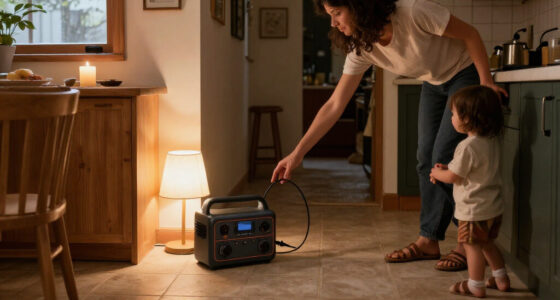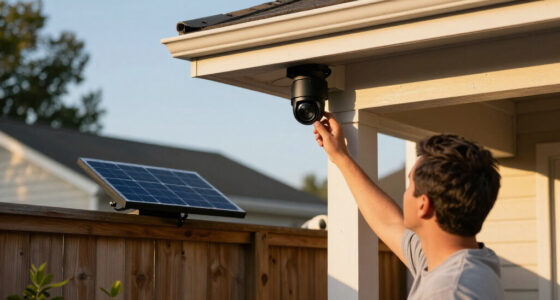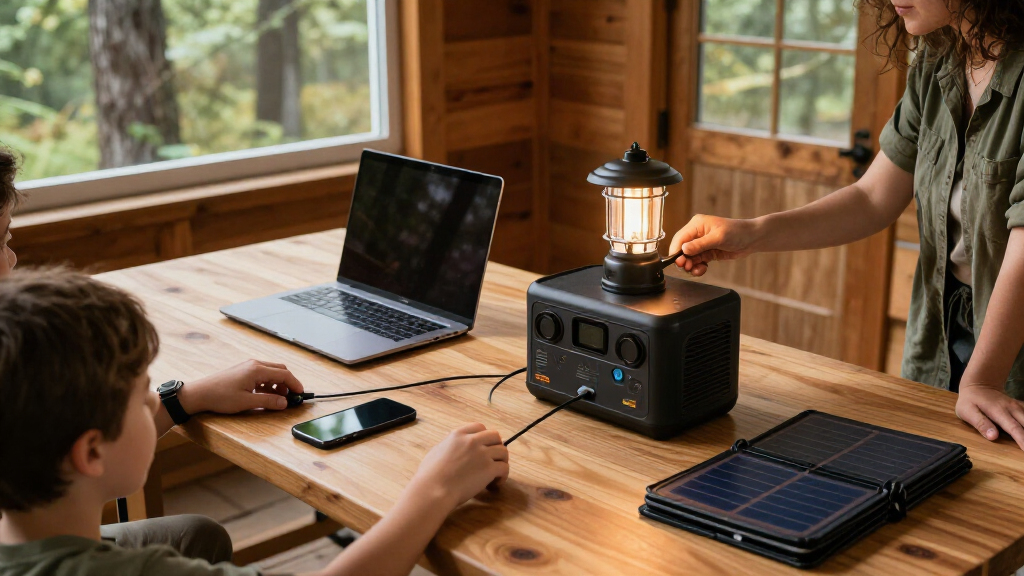
For portable power station deals, my best overall pick is the OUPES Mega 1 Lite, pairing 1,024Wh of capacity with 2,000W output for buyers who need more than phone charging. The EF ECOFLOW RIVER 2 is a lighter-duty option for portable essentials, while the Jackery Explorer 1000 v2 suits buyers seeking a larger LiFePO4-based unit. The main tradeoff is capacity and appliance support versus weight, size, and the power you will actually use. A higher wattage rating alone does not mean a station can run an appliance for long; battery capacity matters too. Read on for the full breakdown of how these 15 models differ and which one best fits your needs.

Get backup power and energy gear delivered free with Prime
- Fast, free delivery on millions of items
- Prime Video, Amazon Music and more included
- Member-only deals all year
Complete the kit


Key Takeaways
- OUPES Mega 1 Lite leads for higher-power use: Its listed 1,024Wh capacity and 2,000W output give it a distinct role among these options, though its larger format is a poor match for ultralight packing.
- The lineup splits sharply by capacity: The MARBERO M82’s 88Wh is suited to small devices, while the Anker SOLIX S2000’s 2,010Wh is aimed at much longer or more demanding backup needs.
- Wattage and runtime answer different questions: The CYBPULTE lists 600W output and 299Wh capacity, so its output rating does not make it a long-runtime alternative to larger-capacity stations.
- LiFePO4 appears across several capacity tiers: The MARSRIVA MP6 Plus, Jackery Explorer 1000 v2, and Akiisolo 192Wh show that battery chemistry can be a decision factor at both midrange and compact sizes.
- There is no single best deal for every trip: Compact models such as the Jackery Explorer 300 favor manageable carry weight, while larger options such as the Anker SOLIX S2000 favor stored energy over portability.
| GRECELL EB500 500W Portable Power Station, 519.48Wh |  | Best for Longer Small-Device Backup | Battery capacity: 519.48Wh | Running output: 500W | Inverter: Pure sine wave, 120V | VIEW LATEST PRICE | See Our Full Breakdown |
| CTOLITY AP400 Portable Power Station, 345Wh, 500W |  | Best Value for Frequent Use | Capacity: 345Wh | Output: 500W | Battery: LiFePO4 | VIEW LATEST PRICE | See Our Full Breakdown |
| CYBPULTE 600W Portable Power Station, 299Wh, 140W USB-C |  | Best Lightweight Pick with Strong USB-C | Capacity: 299Wh | Continuous output: 600W | Peak output: 1,200W | VIEW LATEST PRICE | See Our Full Breakdown |
| ZeroKor 300W Portable Power Station, 280Wh |  | Best Ultra-Light Budget-Camp Companion | Battery capacity: 280Wh | Maximum AC output: 300W | AC outlets: 2 | VIEW LATEST PRICE | See Our Full Breakdown |
| EF ECOFLOW RIVER 2 Portable Power Station, 256Wh, 300W |  | Best for Fast Recharging and Long Warranty | Capacity: 256Wh | AC output: 300W | Maximum output: 600W | VIEW LATEST PRICE | See Our Full Breakdown |
| LIBRIDS C600 Portable Power Station, 640Wh, 600W |  | Best Compact Backup Pick | Capacity: 640Wh | Battery: LiFePO4; more than 4,000 cycles to over 80% capacity | Output ports: 8 total, including 4 AC outlets | VIEW LATEST PRICE | See Our Full Breakdown |
| OUPES Mega 1 Lite Portable Power Station, 1024Wh, 2000W | 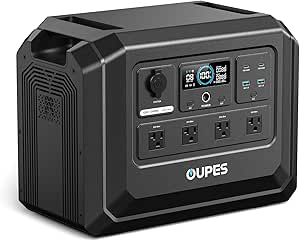 | Best High-Output Value Pick | Battery capacity: 1,024Wh | Battery chemistry: LiFePO4; over 3,500 cycles to 80% capacity | Solar input: Up to 800W | VIEW LATEST PRICE | See Our Full Breakdown |
| Anker SOLIX S2000 Portable Power Station, 2,010Wh, 1,500W |  | Best for Extended Backup | Battery capacity: 2,010Wh | Battery type: LiFePO4 | Continuous / peak output: 1,500W / 3,000W | VIEW LATEST PRICE | See Our Full Breakdown |
| Jackery Explorer 300 Portable Power Station, 292Wh |  | Best Lightweight Trip Pick | Battery capacity: 292Wh | Battery type: Lithium ion | Ports: 2 AC, 1 USB-C PD, 2 USB-A, 1 car port | VIEW LATEST PRICE | See Our Full Breakdown |
| MARSRIVA MP6 Plus Portable Power Station, 512Wh LiFePO4 Battery, 600W Output |  | Best for Fast UPS Backup | Battery capacity: 512Wh | Battery type and cycle life: LiFePO4; 3,000+ cycles | AC output: 120V pure sine wave | VIEW LATEST PRICE | See Our Full Breakdown |
| IDEAPLAY Portable Power Station, 296Wh, 300W |  | Best for Campsite Lighting | Capacity: 296Wh | Output power: 300W | USB-C: Up to 65W, bidirectional | VIEW LATEST PRICE | See Our Full Breakdown |
| Jackery Explorer 1000 v2 Portable Power Station, 1024Wh LiFePO4 Battery |  | Best for Home Backup | Battery capacity: 1,024Wh | Battery type: LiFePO4 (LFP) | Running output: 1,500W | VIEW LATEST PRICE | See Our Full Breakdown |
| Anker SOLIX C1000 Gen 2 Portable Power Station |  | Best for High-Output Charging | Battery capacity: 1,024Wh | Battery type: LiFePO4 | Running output: 2,000W | VIEW LATEST PRICE | See Our Full Breakdown |
| Akiisolo 192Wh Portable Power Station with LiFePO4 Battery |  | Best Ultralight LiFePO4 Pick | Capacity: 192Wh | Battery type: LiFePO4 | Surge output: 200W | VIEW LATEST PRICE | See Our Full Breakdown |
| MARBERO M82 Portable Power Station, 88Wh, 120W Surge |  | Best for Minimalist Day Trips | Capacity: 88Wh | Running wattage: 80W | Surge wattage: 120W | VIEW LATEST PRICE | See Our Full Breakdown |
| portable power station deal | Weight | Battery capacity |
|---|---|---|
| GRECELL EB500 500W Portable Po | 21 lb | 519.48Wh |
| CTOLITY AP400 Portable Power S | 11.1 lb | — |
| CYBPULTE 600W Portable Power S | 6.8 lb | — |
| ZeroKor 300W Portable Power St | About 5 lb | 280Wh |
| EF ECOFLOW RIVER 2 Portable Po | 7.7 lb | — |
| LIBRIDS C600 Portable Power St | — | — |
| OUPES Mega 1 Lite Portable Pow | — | 1,024Wh |
| Anker SOLIX S2000 Portable Pow | — | 2,010Wh |
| Jackery Explorer 300 Portable | 7.5 lb | 292Wh |
| MARSRIVA MP6 Plus Portable Pow | — | 512Wh |
| IDEAPLAY Portable Power Statio | 7.1 lb | — |
| Jackery Explorer 1000 v2 Porta | 23.4 lb | 1,024Wh |
| Anker SOLIX C1000 Gen 2 Portab | 11.3 kg | 1,024Wh |
| Akiisolo 192Wh Portable Power | 3.9 lb | — |
| MARBERO M82 Portable Power Sta | 3.2 lb | 24,000mAh |
More Details on Our Top Picks
GRECELL EB500 500W Portable Power Station, 519.48Wh
The GRECELL EB500 pairs a 519.48Wh battery with a 500W pure sine wave inverter, giving it more stored energy than the CTOLITY AP400 while keeping the same rated output. That makes it a stronger fit for extending phone, laptop, light, and small-appliance use between recharges—not for running high-wattage equipment. Its mix of AC, USB-C, USB-A, DC, and 12V car outputs covers varied gear, and AC, car, or solar charging adds flexibility for trips. Compared with the much lighter CYBPULTE, it trades easy carrying for greater capacity and weighs 21 pounds. The built-in SOS light and battery-management features add useful emergency functions, but solar panels are not included, and the 500W ceiling rules out heavier loads.
Pros:- 519.48Wh capacity exceeds the CTOLITY AP400’s 345Wh for longer use between charges.
- Multiple AC, USB, DC, and 12V car outputs support a mix of everyday devices.
- Can recharge from AC, a car, or a compatible solar panel.
- Built-in LED offers SOS mode, with a battery management system and cooling fan.
Cons:- At 21 pounds, it is much heavier than compact picks such as the CYBPULTE.
- 500W output is not suited to high-draw appliances.
- Solar panel is required for solar charging and is not included.
Best for: Campers or households seeking extra runtime for small electronics and appliances, with access to a vehicle or compatible solar panel for recharging.
Not ideal for: Backpackers and buyers who need to power high-wattage appliances; its 21-pound weight is a burden to carry, and 500W limits the devices it can run.
- Battery capacity:519.48Wh
- Running output:500W
- Inverter:Pure sine wave, 120V
- AC outlets:2
- USB-C output:60W PD
- Recharge methods:AC, car, and solar
- Weight:21 lb
- Dimensions:11.5 × 7.5 × 7.5 in
- Warranty:2 years
Our verdict“Choose the EB500 for more small-device runtime and flexible charging, but skip it if low carry weight or high-wattage output matters most.”
CTOLITY AP400 Portable Power Station, 345Wh, 500W
The CTOLITY AP400 stands out for pairing a 500W output with a LiFePO4 battery rated for 4,000+ cycles, a useful combination for buyers who expect to recharge regularly. Its 345Wh capacity is well below the GRECELL EB500’s 519.48Wh, so it is the more compact choice for shorter trips or modest backup rather than extended runtimes. A reported AC recharge time of 2.3 hours to full helps keep downtime manageable, while wireless charging and a sub-20ms UPS transfer add convenience the CYBPULTE does not list. At 11.1 pounds, it is also easier to move than the GRECELL. The tradeoff is limited stored energy for longer outages, and solar charging requires a separately purchased compatible panel.
Pros:- LiFePO4 battery is rated for 4,000+ cycles before reaching 80% capacity.
- 500W output and 345Wh capacity suit modest electronics and small loads.
- AC recharge reaches 80% in up to 45 minutes and full charge in 2.3 hours.
- Wireless charging and under-20ms UPS switching add useful office and travel features.
Cons:- 345Wh stores less energy than the GRECELL EB500, limiting longer backup sessions.
- Compatible 150W solar panel is not included.
- 500W output is not intended for high-power appliances.
Best for: Frequent campers, remote workers, or home-office users who want a portable LiFePO4 unit with quick AC recharging and UPS switching for modest loads.
Not ideal for: People who need several hours of backup for larger appliances or want solar charging ready out of the box; capacity is 345Wh and the panel is sold separately.
- Capacity:345Wh
- Output:500W
- Battery:LiFePO4
- AC recharge time:Up to 80% in 45 minutes; full charge in 2.3 hours
- Solar input:Compatible with 150W solar panel; panel not included
- UPS transfer time:Under 20ms
- Weight:11.1 lb
- Dimensions:9.8 × 6.9 × 6.9 in
Our verdict“Pick the AP400 for frequent, modest-load use where LiFePO4 longevity and fast AC recharging matter more than maximum capacity.”
CYBPULTE 600W Portable Power Station, 299Wh, 140W USB-C
At 6.8 pounds, the CYBPULTE is the easiest option here to carry for its 600W continuous output, and its 140W USB-C PD port is the standout for powering or quickly charging compatible laptops. That output rating is higher than the GRECELL EB500 and CTOLITY AP400, though its 299Wh capacity is far smaller than the GRECELL’s 519.48Wh. In practice, it favors short trips and device-heavy setups over extended backup. The pure sine wave inverter suits sensitive electronics, while the three-mode light adds emergency utility. Its 1,200W peak is not a reason to assume it can sustain larger appliances; continuous output and battery capacity still set the limits. Buyers also get only a 12-month warranty, shorter than the RIVER 2’s five years.
Pros:- 6.8-pound weight makes it easier to carry than the GRECELL EB500.
- 140W USB-C PD supports compatible high-power laptops and devices.
- 600W continuous output is higher than the 500W CTOLITY AP400 and GRECELL EB500.
- Pure sine wave inverter and steady, strobe, and SOS light modes add versatility.
Cons:- 299Wh capacity limits runtime compared with the GRECELL EB500.
- Solar panels are sold separately.
- 12-month warranty is shorter than the five-year coverage listed for the RIVER 2.
Best for: Laptop-focused campers and mobile workers who want a light carry, a high-output USB-C port, and enough capacity for shorter outings.
Not ideal for: Buyers seeking extended outage coverage, a long warranty, or solar gear included; the battery is 299Wh, warranty is 12 months, and panels are sold separately.
- Capacity:299Wh
- Continuous output:600W
- Peak output:1,200W
- USB-C output:140W PD
- Inverter:Pure sine wave
- AC outlets:2 × 120V
- Weight:6.8 lb
- Dimensions:9.4 × 6.5 × 7.1 in
- Warranty:12 months
Our verdict“Choose the CYBPULTE for lightweight carrying and powerful USB-C charging, not for long-duration backup.”
ZeroKor 300W Portable Power Station, 280Wh
The ZeroKor 300W is the lightest listed option at about five pounds, making it a practical fit for car camping or short outings where carrying weight matters more than capacity. Its 280Wh battery and 300W maximum AC output place it below the CYBPULTE, which offers 600W output and a larger 299Wh battery, and well below the GRECELL EB500 for stored energy. The ZeroKor’s multiple AC, DC, and USB connections can handle small devices, while its flashlight includes reading and SOS modes. That light weight comes with firm limits: devices drawing more than 300W can overload it, and the supplied details advise recharging at least every half month during storage. Solar charging is possible, but a compatible panel is an extra purchase.
Pros:- About five pounds, lighter than the other stations in this group.
- Multiple AC, DC, and USB ports support common small-device charging.
- Can recharge from a wall outlet, 12V car connection, or compatible solar panel.
- LED flashlight includes reading and SOS modes.
Cons:- 300W maximum AC output excludes many higher-draw appliances.
- 280Wh capacity is lower than the CYBPULTE and far below the GRECELL EB500.
- Solar panel is not included, and the product advises recharging at least every half month during storage.
Best for: Car campers and occasional users who prioritize a very light unit for phones, lights, and other small electronics.
Not ideal for: Buyers needing high-wattage appliances, long backup runtimes, or a station that can sit stored without regular maintenance; its 300W ceiling and storage guidance limit convenience.
- Battery capacity:280Wh
- Maximum AC output:300W
- AC outlets:2
- USB ports:3 × 5V/3A maximum
- Input charging methods:AC outlet, 12V car adapter, or compatible 13V–23V solar panel
- Weight:About 5 lb
- Voltage:110V AC
- Frequency:60Hz
- Protection:Short circuit, over-current, over-voltage, and overload
Our verdict“The ZeroKor suits short, light-load outings where low carry weight matters more than output or extended runtime.”
EF ECOFLOW RIVER 2 Portable Power Station, 256Wh, 300W
The EcoFlow RIVER 2 makes the most sense for buyers who value quick turnaround and a longer stated warranty over extra capacity: it recharges from AC in about an hour and carries a five-year warranty. Its 256Wh battery is the smallest among these five, below the ZeroKor’s 280Wh and the GRECELL EB500’s 519.48Wh, so it is better suited to short camping trips and device charging than extended outages. LiFePO4 chemistry, rated for over 3,000 cycles before reaching 80% capacity, supports repeat use. The 300W AC output matches the ZeroKor’s ceiling, while a 600W maximum output offers some additional headroom; neither figure makes it a substitute for a higher-capacity station. Solar recharging can be quick with 110W input, but the panel and charging cable are not included.
Pros:- AC recharge takes about one hour, reducing time spent waiting between outings.
- LiFePO4 battery is rated for over 3,000 cycles before reaching 80% capacity.
- Five-year warranty is longer than the coverage listed for the other four picks.
- 7.7-pound design includes a built-in handle and six outlets.
Cons:- 256Wh capacity is lower than the ZeroKor’s 280Wh and GRECELL EB500’s 519.48Wh.
- 300W AC output limits use with higher-draw appliances.
- Solar panel and charging cable are not included.
Best for: Campers and frequent users who want a light, easy-to-recharge LiFePO4 station backed by a five-year warranty for modest loads.
Not ideal for: People seeking longer outage coverage or an all-in solar-ready package; its 256Wh capacity is lowest in this group, and solar accessories are not included.
- Capacity:256Wh
- AC output:300W
- Maximum output:600W
- Battery chemistry:LiFePO4
- AC recharge time:About 1 hour
- Solar recharge time:As little as 2.3 hours with 110W solar input
- Total outlets:6
- Weight:7.7 lb
- Warranty:5 years
Our verdict“Choose the RIVER 2 for fast recharging, LiFePO4 chemistry, and longer warranty coverage when modest capacity is enough.”
LIBRIDS C600 Portable Power Station, 640Wh, 600W
The LIBRIDS C600 stands out for pairing a 640Wh LiFePO4 battery with four AC outlets in a compact, 16.3-pound body. That gives it more capacity than the MARSRIVA MP6 Plus, while keeping the rated output at 600W—enough for smaller electronics and selected low-draw appliances, not demanding kitchen or heating equipment. Its 10ms UPS switching and pure sine wave output make it a more backup-focused choice than the lightweight Jackery Explorer 300. AC, solar, car, and generator charging add flexibility, and the stated 1.5-hour recharge claim may appeal to buyers who need a quick turnaround. The tradeoff is that four AC outlets do not raise the 600W limit, and its weight can feel substantial on longer walks. I’d choose it for compact home backup, not as a high-output appliance source.
Pros:- 640Wh LiFePO4 capacity with a specified life of more than 4,000 cycles to over 80% capacity.
- Four AC outlets, pure sine wave output, and 10ms UPS switching suit small-device backup.
- Supports AC, solar, car, and gas generator recharging, including combined AC and solar charging.
- Compact metal housing, integrated handle, and LCD display make status checks and carrying more practical.
Cons:- The 600W rated output rules out many high-draw appliances.
- At 16.3 pounds, it is heavier to carry for extended distances than the Jackery Explorer 300.
- Solar charging requires a compatible panel and XT60 connection.
Best for: People who want a compact, LiFePO4-based backup station for routers, laptops, lights, and other devices within a 600W load.
Not ideal for: Buyers who need to run high-wattage appliances or carry a power station over long distances; its output is capped at 600W and it weighs 16.3 pounds.
- Capacity:640Wh
- Battery:LiFePO4; more than 4,000 cycles to over 80% capacity
- Output ports:8 total, including 4 AC outlets
- Charging methods:AC, solar via XT60, car, or gas generator
- UPS switching:10ms
- Weight and dimensions:16.3 lb; 8.1 × 7.1 × 8.3 in
- Warranty:5-year limited warranty
Our verdict“Choose the LIBRIDS C600 for compact, multi-method backup and long-cycle battery capacity, provided your devices stay within its 600W limit.”
OUPES Mega 1 Lite Portable Power Station, 1024Wh, 2000W
The OUPES Mega 1 Lite is the strongest fit here for buyers who need meaningful appliance capability without stepping up to the much heavier Anker SOLIX S2000. Its 2,000W output and 4,500W surge capacity support a broader range of loads than the 600W LIBRIDS C600 or MARSRIVA MP6 Plus, while its 1,024Wh battery gives it more stored energy than either. Two 140W USB-C PD ports are useful for fast-charging compatible laptops, and app connectivity adds remote monitoring for camp or backup setups. It also has UPS backup with a switchover under 20ms. The compromises are its 26.7-pound carry weight and the need for compatible panels and an Anderson connection to use the stated 800W solar input. I’d rank it for output-per-carry-weight, not ultralight portability.
Pros:- 2,000W rated output and 4,500W surge capacity handle more demanding loads than the 600W models in this group.
- 1,024Wh LiFePO4 battery is specified for over 3,500 cycles to 80% capacity.
- Two 140W USB-C PD ports and nine total output ports support several devices at once.
- Bluetooth and Wi-Fi app control pair with UPS backup under 20ms.
Cons:- At 26.7 pounds, it is not an easy choice for frequent long-distance carrying.
- Using up to 800W of solar input requires compatible panels and an Anderson connection.
- Its 1,024Wh capacity is well below the Anker SOLIX S2000’s 2,010Wh.
Best for: Campers, road-trippers, and homeowners who need to run higher-draw devices and want a 1kWh-class station that is lighter than the Anker SOLIX S2000.
Not ideal for: Buyers prioritizing a light grab-and-go unit or a simple solar setup; it weighs 26.7 pounds and its high solar input calls for compatible panels and an Anderson connection.
- Battery capacity:1,024Wh
- Battery chemistry:LiFePO4; over 3,500 cycles to 80% capacity
- Solar input:Up to 800W
- AC input:1,400W
- USB-C ports:2 × 140W PD
- Ports and UPS:9 output ports; switchover under 20ms
- Weight and dimensions:26.7 lb; 15.1 × 9.1 × 11.6 in
- Connectivity and warranty:Bluetooth and Wi-Fi; 5-year warranty
Our verdict“Pick the OUPES Mega 1 Lite if you want high output and a capable port selection in a unit that weighs less than the larger-capacity Anker SOLIX S2000.”
Anker SOLIX S2000 Portable Power Station, 2,010Wh, 1,500W
For buyers who value stored energy over easy carrying, the Anker SOLIX S2000 has the largest battery in this five-product group at 2,010Wh. That is nearly twice the capacity of the OUPES Mega 1 Lite, though the OUPES offers higher rated output at 2,000W versus Anker’s 1,500W. The S2000 is better suited to keeping several modest loads running longer than to powering the most demanding appliances. Its eight outlets, multiple charging options, and under-10ms UPS switchover support home backup as well as camping setups with a vehicle. The tradeoff is portability: at 35.7 pounds, it is heavier than every other station here, and it lacks a 12V DC port. I’d favor it over the OUPES when runtime matters more than output headroom or carrying weight.
Pros:- 2,010Wh capacity provides the largest energy reserve among the five products reviewed here.
- Under-10ms UPS switchover supports backup for compatible connected equipment.
- Supports AC, solar, generator, alternator charger, and car-outlet charging.
- Eight outlets provide connection options across the front and rear.
Cons:- At 35.7 pounds, it is the least convenient option here to carry regularly.
- The 1,500W continuous output is lower than the OUPES Mega 1 Lite’s 2,000W rating.
- It has no 12V DC port, limiting direct connection for some DC devices.
Best for: Households and campers seeking a larger battery reserve for extended operation of multiple modest-power devices, with access to a car, generator, or solar charging.
Not ideal for: Frequent hikers, buyers needing a 12V DC port, or users whose appliances require more than 1,500W continuous output.
- Battery capacity:2,010Wh
- Battery type:LiFePO4
- Continuous / peak output:1,500W / 3,000W
- Solar input:Up to 400W
- Outlets:8
- UPS switchover:Less than 10ms
- Weight and dimensions:35.7 lb; 8.19 × 11.1 × 12.7 in
- Charging options:AC, solar, generator, alternator charger, or car outlet
- Warranty:5 years
Our verdict“Choose the Anker SOLIX S2000 for the biggest battery reserve and fast UPS switching, not for high output per pound or frequent carrying.”
Jackery Explorer 300 Portable Power Station, 292Wh
The Jackery Explorer 300 makes the most sense when keeping the load light matters more than running appliances. At 7.5 pounds, it is far easier to carry than the LIBRIDS C600 or MARSRIVA MP6 Plus, and its 292Wh capacity suits phones, cameras, small lights, and other modest draws on day trips. It has two AC outlets plus USB and car-port connections, with a 100W USB-C PD port for compatible devices. Solar charging is available, but panels are sold separately. Compared with the C600, the Jackery gives up battery capacity, output, and UPS features in exchange for a much lighter body; its 300W rated limit also rules out many appliances. I’d put it ahead of the larger stations for mobile, low-demand use, but not for household backup.
Pros:- At 7.5 pounds, it is substantially easier to carry than the other stations in this group.
- Two AC outlets, USB ports, and a 120W car port offer several ways to connect small devices.
- The 100W USB-C PD port supports compatible higher-speed device charging.
- Supports solar charging with compatible panels.
Cons:- The 300W rated output limits use with many appliances.
- Its 292Wh battery holds less energy than the LIBRIDS C600 and MARSRIVA MP6 Plus.
- Solar panels are not included.
Best for: Day trippers, photographers, and campers who want a light station for charging small electronics and running low-power gear.
Not ideal for: People seeking extended home backup or power for high-draw appliances; its 292Wh capacity and 300W rated output are limited, and solar panels are separate.
- Battery capacity:292Wh
- Battery type:Lithium ion
- Ports:2 AC, 1 USB-C PD, 2 USB-A, 1 car port
- USB-C output:100W PD
- Car port output:120W
- Weight:7.5 lb
- Solar charging:Supported; solar panel not included
Our verdict“Choose the Explorer 300 for lightweight charging of small devices on short outings, and skip it if you need appliance-level output or longer backup.”
MARSRIVA MP6 Plus Portable Power Station, 512Wh LiFePO4 Battery, 600W Output
The MARSRIVA MP6 Plus is a compact backup pick for buyers whose priority is a quick switch to battery power rather than maximum capacity. Its under-10ms UPS transfer is faster on paper than the LIBRIDS C600’s 10ms specification, while its 100W USB-C port gives compatible laptops a direct charging option. The 512Wh LiFePO4 battery and 600W rated output sit below the LIBRIDS C600’s 640Wh, so the LIBRIDS is the stronger choice if stored energy matters most. Against the 7.5-pound Jackery Explorer 300, the MARSRIVA is much heavier at 15.7 pounds but offers more than 500Wh of capacity and a higher 600W rating. Its 300W solar input and stated 1.5-hour AC recharge add flexibility. Keep it dry, and do not expect it to run high-wattage appliances.
Pros:- Under-10ms UPS transfer supports backup for compatible electronics.
- 100W USB-C PD output can charge compatible laptops without an additional adapter.
- 512Wh LiFePO4 battery is specified for more than 3,000 cycles.
- Supports MPPT solar charging with up to 300W solar input.
Cons:- The 600W rated output limits use with higher-power appliances.
- It must be kept away from rain, water, and excessive moisture.
- At 15.7 pounds, it is heavier than the Jackery Explorer 300.
Best for: Remote workers and home users who want a compact LiFePO4 station for UPS-style backup, laptop charging, and devices within a 600W load.
Not ideal for: Buyers needing a waterproof station, an especially light carry option, or enough output for high-wattage appliances.
- Battery capacity:512Wh
- Battery type and cycle life:LiFePO4; 3,000+ cycles
- AC output:120V pure sine wave
- USB-C output:100W PD
- Solar input:300W
- AC recharge time:1.5 hours
- UPS transfer time:Under 10ms
- Weight and dimensions:15.7 lb; 9.25 × 6.29 × 9.29 in
Our verdict“Pick the MARSRIVA MP6 Plus for compact UPS-style backup and laptop charging, as long as 600W is enough and the unit can stay dry.”
IDEAPLAY Portable Power Station, 296Wh, 300W
The IDEAPLAY earns this role by combining a 296Wh capacity with a 20W flashlight and collapsible lantern, making it more lighting-focused than the similarly sized Jackery Explorer 300. Its 7.1 lb weight, handle, and shoulder strap suit campsite moves and short trips where carrying comfort matters. Seven listed outputs, including a 65W bidirectional USB-C port, let it serve phones and other compatible small electronics together; that USB-C rate also supports charging the station itself. The tradeoff is its 300W output, which rules out many higher-draw appliances and leaves it below larger options such as the CTOLITY AP400 for power-hungry gear. The product data also omits battery chemistry and recharge time, so buyers have less information for judging longevity and downtime.
Pros:- 20W flashlight and collapsible lantern add practical campsite lighting.
- 65W bidirectional USB-C supports fast charging of compatible devices and the station.
- Seven listed outputs accommodate several small devices at once.
- 7.1 lb body includes a handle and shoulder strap for easier carrying.
Cons:- 300W output limits use with higher-draw appliances.
- Battery chemistry and recharge time are not specified.
Best for: Campers and car travelers who want a lightweight station for phones, small electronics, and useful built-in campsite lighting.
Not ideal for: Buyers who need to run higher-wattage appliances or who want clearly stated battery chemistry and recharge times.
- Capacity:296Wh
- Output power:300W
- USB-C:Up to 65W, bidirectional
- Listed outputs:1 AC, 1 USB-C, 3 USB-A, 1 DC, 1 car port
- Car port:12V/10A
- Lighting:20W flashlight, stated range up to 1,500 m; collapsible lantern
- Weight:7.1 lb
- Dimensions:12.5 × 4.1 × 5.9 in
- Protection:Overcurrent, overvoltage, and short-circuit protection
Our verdict“Choose the IDEAPLAY for portable charging with useful built-in lighting, not for powering demanding appliances.”
Jackery Explorer 1000 v2 Portable Power Station, 1024Wh LiFePO4 Battery
The Jackery Explorer 1000 v2 is the more backup-oriented choice here: its 1,024Wh LiFePO4 battery and 1,500W running output offer far more headroom than compact options such as the IDEAPLAY 296Wh. A 10ms UPS switchover can help connected essential equipment keep running through an outage, while app controls include quiet overnight and energy-efficiency charging modes. The battery is rated to retain over 70% capacity after 4,000 cycles, a useful longevity marker for regular backup use. Its 23.4 lb weight is still portable, but less convenient for frequent long-distance carrying than small stations. Fast full charging takes 50 minutes only with emergency charging enabled in the app. Solar panels are not included, and charging is restricted to Jackery panels, which narrows expansion choices.
Pros:- 1,024Wh capacity and 1,500W output suit a wider range of backup needs than compact stations.
- 10ms UPS switchover helps protect connected essential devices during outages.
- LiFePO4 battery is rated for over 70% capacity after 4,000 cycles.
- App includes quiet overnight and energy-efficiency charging modes.
Cons:- Solar panel is sold separately and solar charging works only with Jackery panels.
- The 50-minute full recharge requires emergency charging to be enabled in the app.
- At 23.4 lb, it is less convenient to carry than smaller camping-focused units.
Best for: Households seeking a mid-capacity outage backup for essential electronics, with UPS support and app-based charging controls.
Not ideal for: Buyers who want a solar panel included, broad third-party solar compatibility, or a lighter station for frequent trekking.
- Battery capacity:1,024Wh
- Battery type:LiFePO4 (LFP)
- Running output:1,500W
- Surge peak:3,000W
- Ports:2 AC, 2 USB-C, 1 USB-A, 1 DC car port
- UPS switchover:10ms
- Fast charging:0–100% in 50 minutes with emergency charging enabled
- Weight:23.4 lb
- Solar compatibility:Jackery solar panels only; panel not included
Our verdict“Pick the Explorer 1000 v2 for household backup and UPS support if its app-dependent fast charge and Jackery-only solar fit your setup.”
Anker SOLIX C1000 Gen 2 Portable Power Station
The Anker SOLIX C1000 Gen 2 stands out among the 1,024Wh models for its 2,000W running output, giving it more capacity to handle higher-draw equipment than the Jackery Explorer 1000 v2’s 1,500W output. Its under-10ms UPS switchover also suits backup setups where connected equipment should stay on through a power interruption. Recharging is another advantage: the listed AC rate reaches 1,600W, while solar input supports up to 600W, and the LiFePO4 battery is rated for at least 80% capacity after 4,000 cycles. Those fast-charge figures make it a strong fit for shorter downtime, but the 11.3 kg weight and 15.1-inch length are less appealing for carrying around camp. Solar input is capped at 600W, so it offers less solar intake than higher-input alternatives might.
Pros:- 2,000W running output provides more appliance headroom than the Jackery Explorer 1000 v2.
- AC recharge reaches 1,600W, with a stated full recharge time of 49 minutes.
- Up to 600W solar input supports substantial solar charging.
- LiFePO4 battery is rated for at least 80% capacity after 4,000 cycles.
Cons:- 11.3 kg weight and 15.1-inch length make it less convenient for extended carrying.
- Solar input is limited to 600W.
- The nine listed outlets are not itemized by port type in the supplied product data.
Best for: Campers and households who need a 1kWh-class station with stronger appliance output, rapid recharging, and UPS backup.
Not ideal for: Buyers prioritizing a small, lightweight carry or seeking solar input above 600W.
- Battery capacity:1,024Wh
- Battery type:LiFePO4
- Running output:2,000W
- Peak output:3,000W
- AC recharging:Up to 1,600W; full recharge in 49 minutes
- Solar input:Up to 600W; 60V maximum
- UPS switchover:Under 10ms
- Outlets:9 listed
- Weight:11.3 kg
Our verdict“Choose the Anker SOLIX C1000 Gen 2 when high output and fast recharging matter more than a light, compact carry.”
Akiisolo 192Wh Portable Power Station with LiFePO4 Battery
At 3.9 lb, the Akiisolo is the easiest station in this group to slip into a travel kit while still offering a LiFePO4 battery. Its 192Wh capacity and 100W rated output are aimed at phones and other modest loads, not appliance backup; the IDEAPLAY, by comparison, nearly doubles capacity and offers 300W output, though it weighs more. The Akiisolo’s two USB-C, two USB-A, and two DC ports give small-device users several connection options, and its LED includes SOS mode for basic emergency signaling. A rating of over 3,000 charging cycles helps make the battery chemistry a useful distinction in this small class. The tradeoffs are limited output, a one-year warranty, and conflicting case-material details in the supplied listing.
Pros:- 3.9 lb weight makes it easy to carry on short trips.
- LiFePO4 battery is rated for over 3,000 charging cycles.
- Two USB-C, two USB-A, and two DC ports support multiple small devices.
- LED has two brightness settings and an SOS mode.
Cons:- 100W rated output limits use to low-power devices.
- 192Wh capacity is modest for prolonged outages or multi-day trips.
- Product details conflict on whether the case is plastic or aluminum.
Best for: Backpackers and travelers who want a very light LiFePO4 station for phones, small electronics, and occasional LED lighting.
Not ideal for: Buyers who need to power appliances above 100W or want larger capacity for extended outages.
- Capacity:192Wh
- Battery type:LiFePO4
- Surge output:200W
- Ports:1 AC, 2 USB-C, 2 USB-A, 2 DC
- Charging cycles:Over 3,000
- Weight:3.9 lb
- Dimensions:4.6 × 4.6 × 7 in
- Warranty:1 year
Our verdict“The Akiisolo suits travelers who put low weight and LiFePO4 longevity ahead of output and reserve capacity.”
MARBERO M82 Portable Power Station, 88Wh, 120W Surge
The MARBERO M82 is the smallest-capacity pick here, designed for a different job from the 192Wh Akiisolo: carrying a light reserve for phones and other low-power gear rather than stretching through a longer outage. It weighs 3.2 lb and measures 6.5 × 4.6 × 3.1 inches, so it takes less space than the Akiisolo while still offering eight output ports, including USB-C PD and car DC. Its 80W running limit is the defining constraint: it can serve small electronics, but not many appliances. MARBERO lists a 0–80% charge time of two hours with the included adapter, and its LED offers three brightness levels plus SOS. Solar charging is supported only with compatible MARBERO panels, which are not listed as included.
Pros:- 3.2 lb body and compact dimensions are suited to day-trip carry.
- Eight ports include AC, USB, USB-C PD, and car DC outputs.
- LED light offers three brightness levels and an SOS mode.
- Includes an adapter and car cigarette-lighter output cable.
Cons:- 88Wh capacity provides a much smaller reserve than the Akiisolo’s 192Wh.
- 80W running output limits the devices it can power.
- Solar charging requires a compatible MARBERO panel, not listed among included accessories.
Best for: Day hikers, drivers, and light packers who need a compact backup for phones and other low-wattage devices.
Not ideal for: Campers seeking multi-day energy reserves or anyone whose devices draw more than 80W continuously.
- Capacity:88Wh
- Running wattage:80W
- Surge wattage:120W
- Battery capacity:24,000mAh
- Output ports:8
- Weight:3.2 lb
- Dimensions:6.5 × 4.6 × 3.1 in
- Charging time:0–80% in 2 hours with included adapter
- Solar charging:Compatible with MARBERO 30W or 60W panel
Our verdict“Pick the M82 for a very compact day-trip reserve for small devices, but choose a higher-capacity station for longer trips or appliances.”
How We Picked
I ranked these portable power stations by how clearly their listed specifications serve real buyer needs: capacity for runtime, continuous output for appliance compatibility, portability for travel, and battery chemistry where stated. I also looked at practical differences among close-size options, including USB-C availability, output claims, and whether a model appears aimed at occasional device charging or broader backup. A high output number cannot compensate for limited capacity, and a large battery is not automatically the right choice for a buyer who needs a compact station.
The order gives priority to versatility across common uses, then separates larger backup-oriented units from lighter, lower-capacity choices. Models with more capacity and output rank higher for buyers seeking flexible power, while compact picks earn a place for easy transport and smaller charging jobs. Product names and supplied specifications do not establish charging speed, runtime under load, weight, solar compatibility, or included accessories, so I would verify those details for a specific purchase before deciding. This ranking is based on the information provided, not hands-on testing or advertised deal terms.
Factors to Consider When Choosing Portable Power Station Deals
A good portable power station deal is about matching usable power to your devices, not simply choosing the largest capacity or wattage on the page. I would start with the equipment you need to run, then check how long you need it powered and how far you will carry the station.
Separate Battery Capacity From Output
Capacity, usually shown in watt-hours, gives a rough sense of how much energy a station stores; output in watts describes how much power it can supply at once. A device may fall within a station’s wattage limit yet drain a small battery quickly. List the devices you expect to run and add their wattage, then estimate runtime by dividing the station’s watt-hours by the combined load. Real runtime can be lower because conversion and standby use consume energy. Also check whether a listed output is continuous or a surge figure before planning to run a motor or appliance. This distinction helps prevent paying for impressive output that does not provide the runtime you need.
Match the Station to Your Carry Plan
Capacity has a physical cost: larger battery stations are generally less convenient to move than compact models, so think about the whole trip rather than the campsite alone. If you will carry the unit by hand, compare its listed weight, dimensions, handle design, and how often you need to move it. For car camping, a heavier station may be manageable if it stays near the vehicle. For hiking or frequent room-to-room use, a small unit can be more practical even if it cannot power as many devices. A common mistake is buying for a rare outage scenario and then avoiding the station because it is cumbersome. Choose the largest unit you can realistically transport and store, not simply the largest one available.
Check Battery Chemistry and Long-Term Use
Some models in this roundup specify LiFePO4 batteries, while others do not name their chemistry in the product title. Chemistry can affect expected cycle life, operating characteristics, and long-term value, but it does not tell the whole story by itself. Check the manufacturer’s cycle-life conditions and warranty rather than comparing battery labels alone. Think about how often you will charge and discharge the station: occasional emergency storage and frequent daily use place different demands on a battery. Verify the charging guidance for storage, since leaving a station at an unsuitable charge level for long periods can affect battery health. If two options otherwise fit, clear documentation and support may matter more than a chemistry label without context.
Plan for Recharging, Not Just Power Output
A station is only useful for extended trips or outages if you can recharge it when needed. Before choosing, confirm its supported AC, vehicle, and solar charging methods, along with the required cables and any solar input limits. A solar panel’s advertised wattage does not guarantee that a station can accept that much power, and weather and panel placement affect actual energy collection. For home backup, consider whether you can recharge from a wall outlet before an outage and whether the station supports the charging method you plan to use during one. For camping, vehicle charging can help maintain a reserve, but it may be slow compared with a suitable wall charger. Check these details on the product page rather than assuming all stations share the same inputs.
Check Ports, Limits, and Appliance Compatibility
Count the devices you need to connect and check the actual port mix, not just the total output figure. USB-C power delivery can matter for charging a laptop directly, while AC outlets are needed for many household plugs. Confirm the power limit for each port and whether the unit can supply multiple ports at once without reducing available output. Appliances with motors or heating elements may have startup or sustained demands that exceed what a small station can handle. Do not assume a product’s headline wattage applies to every outlet or to simultaneous charging. If a device is essential, compare its rated draw and startup needs with the station’s manual before buying.
Judge a Deal by the Complete Package
Because deal terms change, compare the model and package details rather than relying on a claimed saving alone. Check whether the listing includes an AC charger, car cable, solar cable, or panel, and confirm that the accessories match the station’s inputs. Review the warranty, return window, seller information, and support process before treating a low advertised price as good value. A bare station may cost less at checkout but require extra purchases for the charging setup you need. Also compare the exact model generation: names such as “Gen 2” can distinguish hardware with different specifications. The better buy is the option that meets your use case with a clear, complete package and support you can verify.
Frequently Asked Questions
Can a 300Wh portable power station run a refrigerator overnight?
It depends on the refrigerator’s average power draw, cycling pattern, and the station’s usable energy, so capacity alone cannot promise an overnight runtime. A refrigerator may draw more during startup than while running, which makes the station’s continuous and surge limits relevant as well. Estimate energy use over the full period rather than multiplying only the running wattage by a few hours. Leave room for conversion losses and any other devices connected to the station. For a refrigerator you rely on during an outage, check its measured consumption and compare it with the station’s manual before choosing.
Is a 2,000W power station automatically better than a 600W model?
No. The higher output can support more demanding devices, but it does not say how long the station can run them. Capacity, port limits, startup handling, and the devices you intend to connect all matter. A lower-output model may be easier to carry and better suited to phones, lights, and small electronics. A higher-output unit makes sense when your equipment needs that power and you can manage its size and charging needs. Compare both watt-hours and output against your actual load instead of choosing by the largest number.
Should I choose LiFePO4 if I only use a power station for occasional outages?
LiFePO4 can be a useful feature, but occasional emergency use does not make battery chemistry the only deciding factor. Capacity, appliance compatibility, storage guidance, warranty, and readiness when an outage begins may matter just as much. Check the manufacturer’s instructions for how to store and periodically recharge the unit. Compare cycle-life claims under their stated conditions, since figures can be measured in different ways. If the station will sit unused for long stretches, clear maintenance guidance and a convenient way to check its charge can be especially useful.
What should I verify before buying a portable power station for solar charging?
Confirm the station’s supported solar input range, connector type, maximum accepted wattage, and whether the panel you plan to use is compatible. A panel’s rated output is not the same as the power it will deliver in changing sun, and the station may accept less than the panel can produce. Check whether the needed cable is included or sold separately. Look for charging time estimates that specify panel conditions and battery capacity rather than treating them as guaranteed. If you already own a panel, match its electrical specifications to the station manual before buying.
How much capacity should I buy for a weekend camping trip?
Start with a list of devices, their wattage, and the hours you expect to use them; the right capacity varies widely between a phone-and-light setup and a trip that includes a laptop or cooler. Add up estimated energy use across the weekend and allow extra capacity for conversion losses and changing conditions. Then check whether your chosen station can supply the devices’ peak power at the same time. A larger battery can reduce recharging stops, but it also adds bulk to your packing plan. If your needs are mostly small electronics, a compact option may be easier to live with than buying capacity you will rarely use.
Conclusion
For the broadest mix of capacity and appliance headroom among the listed specifications, I would start with the OUPES Mega 1 Lite as the best overall pick. The best value depends on your load: the GRECELL EB500 offers 519.48Wh and 500W for buyers seeking a middle ground, while those needing only basic device charging can avoid paying for unused capacity with a smaller model. For a premium, larger-capacity option, compare the Anker SOLIX S2000 and Jackery Explorer 1000 v2 against your runtime and output needs. Beginners may find the EF ECOFLOW RIVER 2 easier to match to simple camping and electronics use because its listed 256Wh capacity and 300W output set a clear, modest scope. For specific needs, choose the MARBERO M82 for a very small charging setup, the CYBPULTE 600W if its USB-C output and wattage suit your devices, or a named LiFePO4 model if that chemistry and its documentation fit your use. Before buying any of these portable power station deals, verify current package contents, charging inputs, dimensions, and warranty details.
Black Friday Picks

Philips Hue Amarant Outdoor Smart Light Bar, Black
As an affiliate, we earn on qualifying purchases.